High-performance civil construction components designed for soil reinforcement, stabilization, and environmental containment.
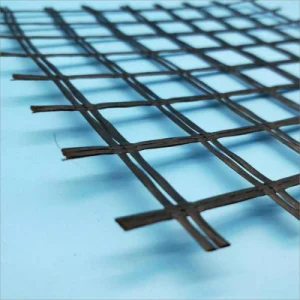
Modern infrastructure requires reinforcement materials that offer predictable performance, long-term durability, and cost-effectiveness. As a foundational element in modern geotechnical engineering, woven geogrids solve structural problems related to soft soils, unstable embankments, and heavy loads. By interlocking with surrounding soils or aggregate matrices, woven geogrids transfer tensile stresses and distribute structural loads over wider areas, reducing settlement and structural fatigue.
This industry report examines the technical properties, manufacturing standards, pricing structures, and global supply frameworks that define high-performance woven geogrids. It offers procurement officers and civil engineers the data needed to source materials that meet international design standards.
Understanding the physical processes that govern soil-reinforcement interaction helps engineers select the proper material specs.
The apertures of woven geogrids allow soil particles and aggregate to interlock. This mechanical lock restrains lateral movement of the aggregate, increasing the shear strength of the layer under dynamic traffic loads.
Under vertical pressure, the geogrid deforms slightly to activate its high tensile modulus. This dynamic reaction transfers downward pressure into horizontal tension, resolving localized stresses and preventing deep subgrade shear failures.
Distributing vertical loads over a broader area reduces pressure on soft subgrades. This mechanism allows engineers to build access roads and heavy-haul tracks over low-bearing-capacity clays (CBR < 3%) without deep excavation.
A look at the market pricing of woven geogrids based on tensile strengths, raw polymer type, and coating coatings.
Pricing for industrial-grade woven geogrids is determined by the raw material chemistry (Polyethylene, Polypropylene, or Polyester filament), tensile strength requirements, coating types, and roll sizes. The table below outlines standard price ranges for projects in 2025.
| Material Composition | Tensile Strength (MD/CD) | Polymer Coating Type | Standard Roll Size | Indicative Price Range (USD / m²) |
|---|---|---|---|---|
| High-Tenacity Polyester (PET) | 50 / 50 kN/m | PVC / Bitumen Coating | 3.95m × 100m | $0.45 – $0.65 |
| High-Tenacity Polyester (PET) | 100 / 100 kN/m | Enhanced PVC Coating | 3.95m × 100m | $0.85 – $1.15 |
| High-Tenacity Polyester (PET) | 200 / 50 kN/m (Uniaxial) | Polymer-Bitumen Coating | 3.95m × 50m | $1.45 – $1.85 |
| High-Strength Polypropylene (PP) | 30 / 30 kN/m | Uncoated / Heat-Bonded | 4.0m × 100m | $0.55 – $0.75 |
| Glass Fiber Geogrid Core | 100 / 100 kN/m | Bituminous Polymer Coating | 4.0m × 50m | $0.95 – $1.30 |
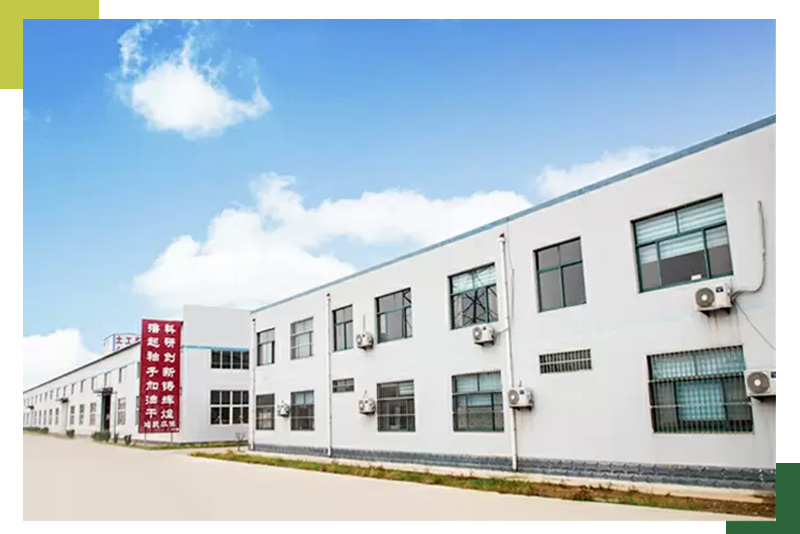
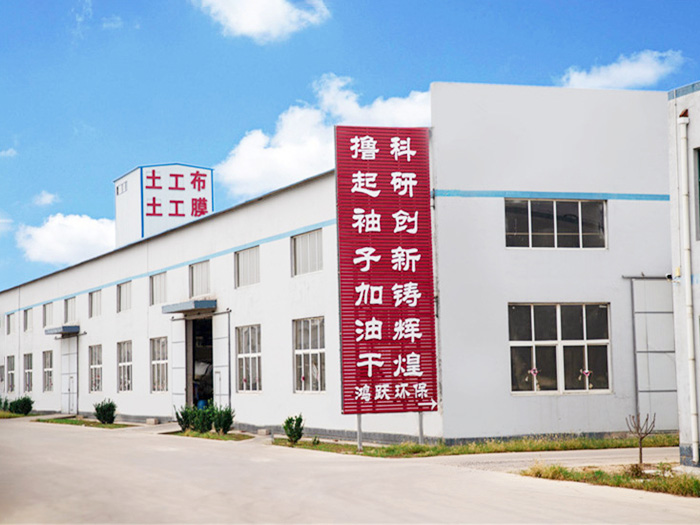
Located on Fufeng Street in the Lingcheng District of Dezhou, Shandong Province, Shandong Hongyue Environmental Engineering Co., Ltd. is a geotechnical material manufacturer integrating engineering material production, sales, design, and construction services. The company was registered with the Lingcheng District Market Supervision and Administration Bureau of Dezhou City on April 6, 2023, with a registered capital of 105 million yuan. It operates one of the largest production bases of geotechnical materials in China, benefiting from a convenient geographic location and transport networks.
Our catalog includes geomembranes, geotextiles, composite geomembranes, waterproof boards, bentonite waterproof blankets, 3D composite drainage networks, geogrids, geocells, water stops, and flexible permeable pipes. Our products are used globally in highway construction, high-speed rail lines, municipal infrastructure, hydraulic engineering canals, landfills, mining, and agriculture.
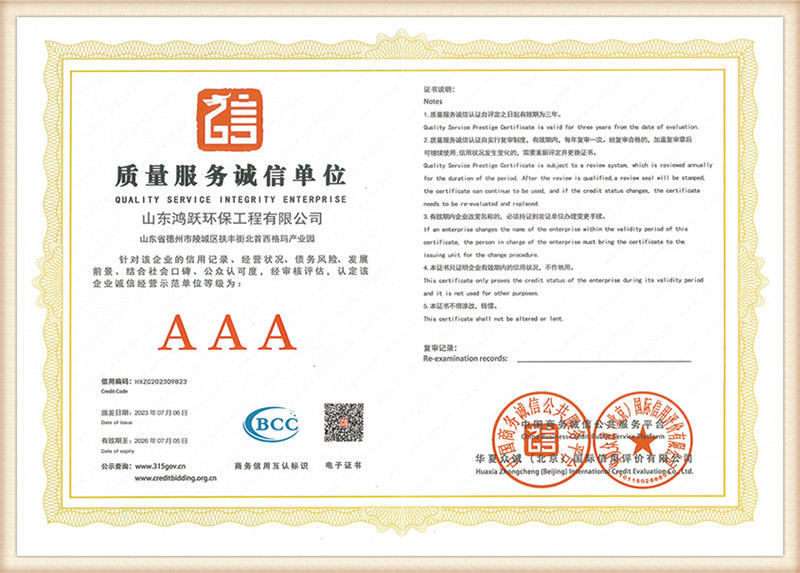
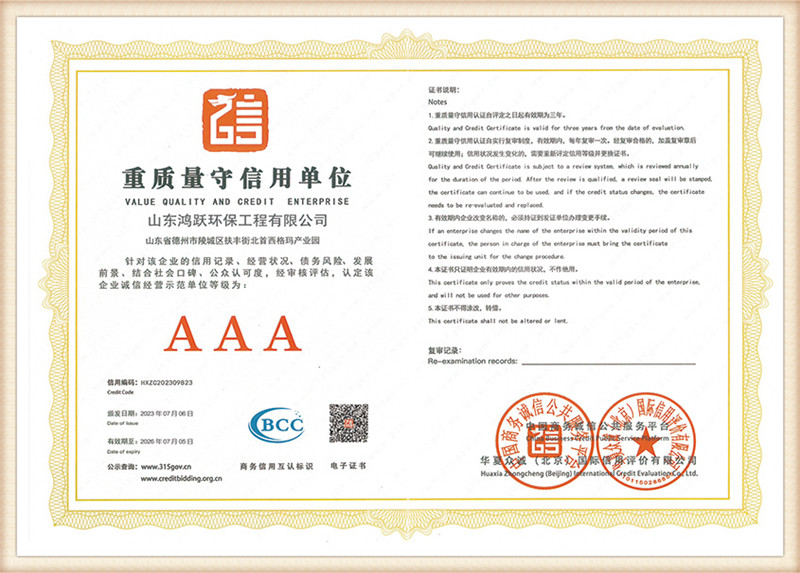
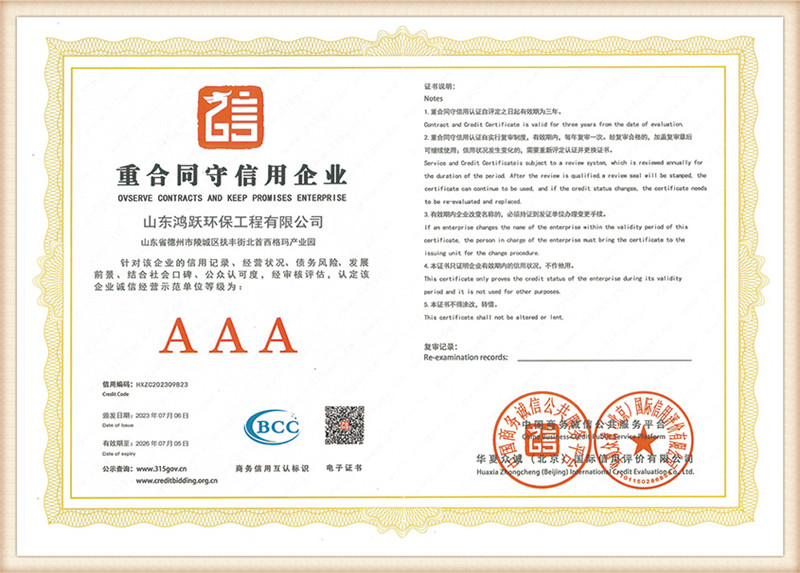
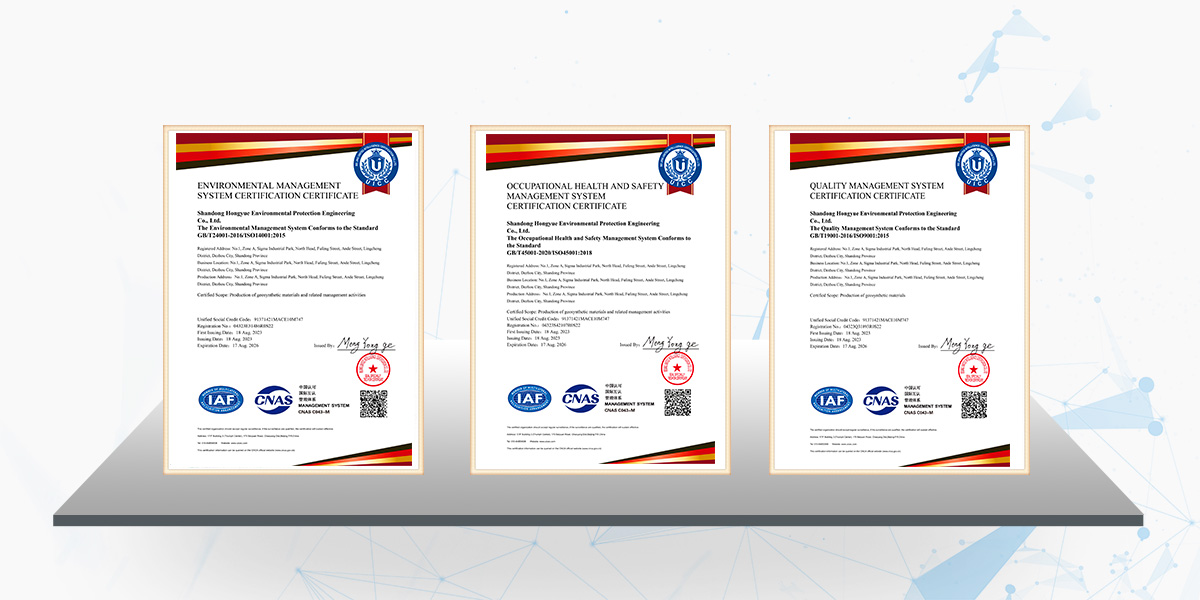
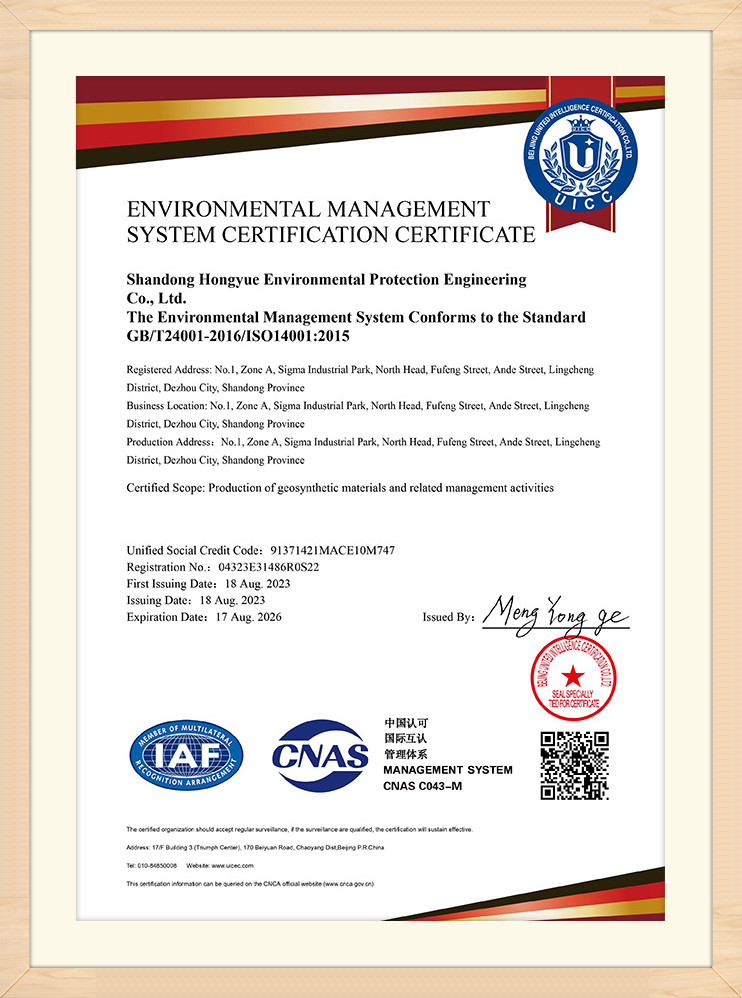
International quality management system certification ensuring batch-to-batch consistency and process control.
Environmental management standards, reducing emissions and maximizing resource conservation during production.
Occupational health and safety management systems protecting workers across all manufacturing lines.
Certified by China's National Testing Center, meeting and exceeding GB/T, ASTM, and EN standards.
We maintain modern manufacturing facilities to produce high-tensile geosynthetics, geomembranes, and geocells.
Why international engineering firms choose Shandong Hongyue for infrastructure projects.
Our facility is located near major petrochemical hubs in northern China, giving us reliable access to virgin polyester chips and polypropylene resins. This minimizes raw material cost fluctuations for our customers.
With our 105 million yuan registered capital, we operate multiple wide-width warp knitting and extrusion lines simultaneously. This allows us to supply large-scale projects without delaying construction schedules.
Our Dezhou facility is connected to Qingdao and Tianjin ports by highway networks. We offer full-container-load (FCL) packing, export customs clearance, and document processing for seamless international shipping.
We maintain clean workspaces and systematic workflows to ensure our geosynthetics perform reliably in the field.
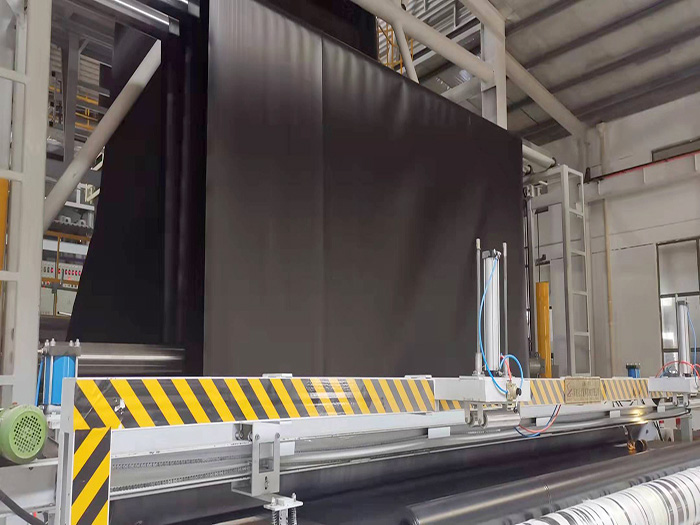
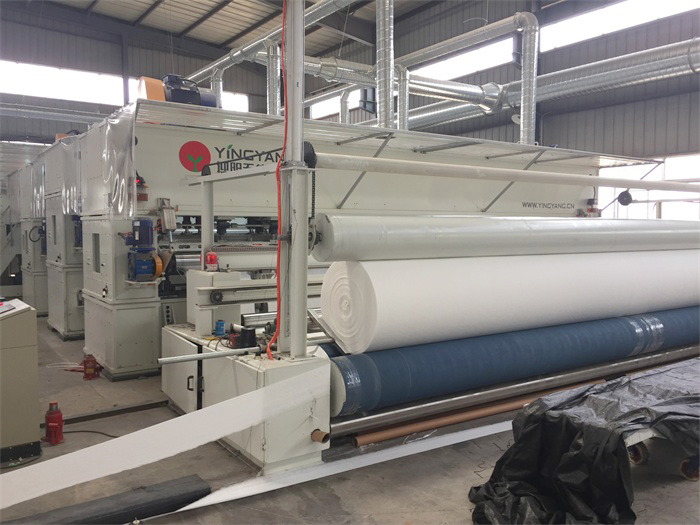
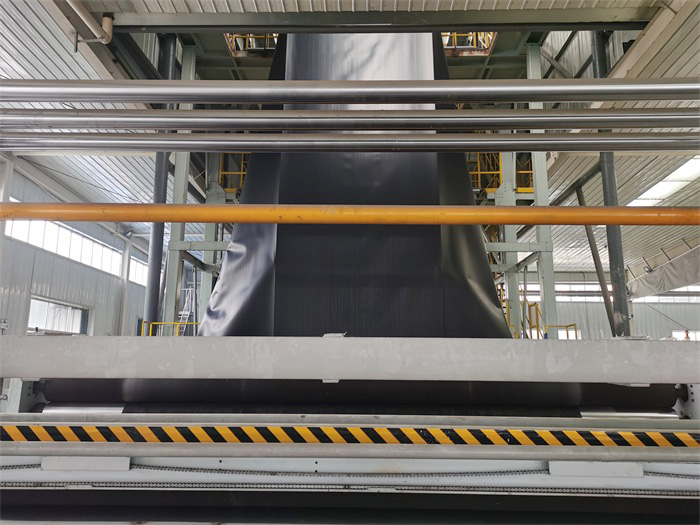
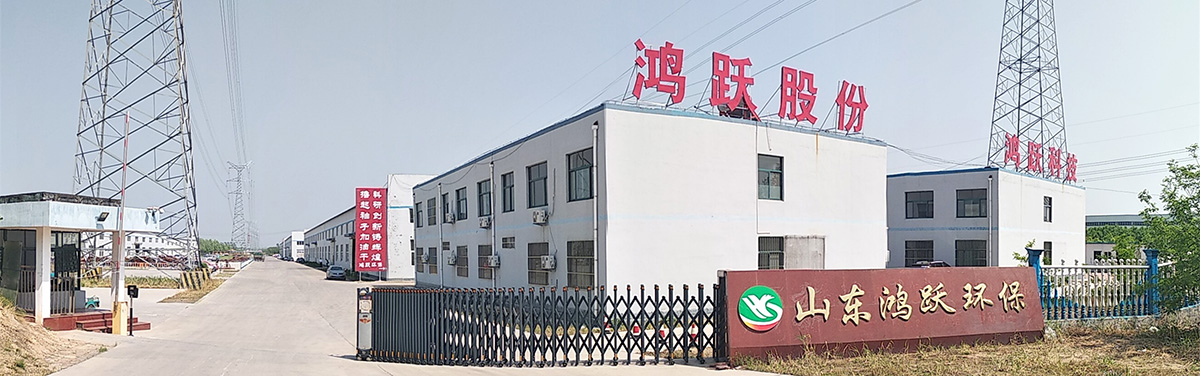
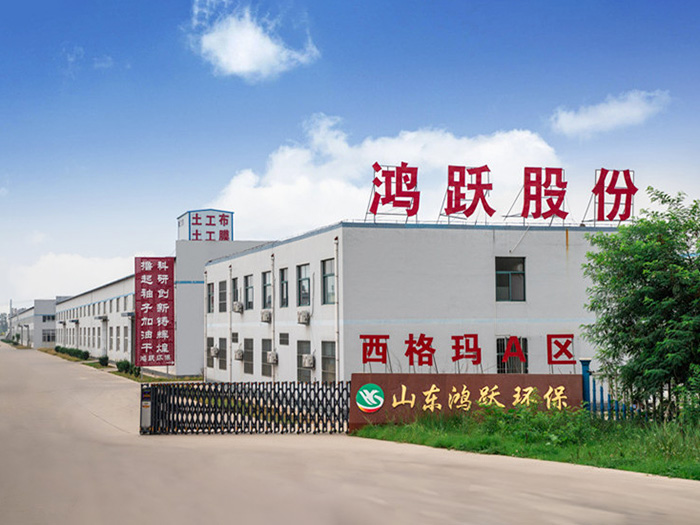
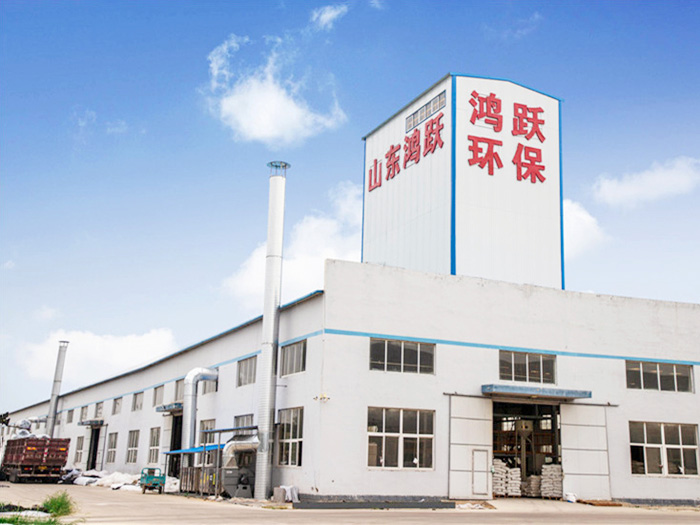
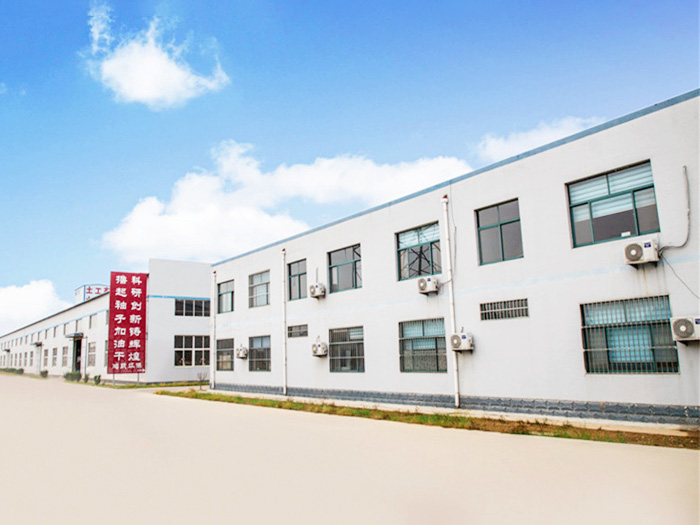
Our lines run 24/7 with quality control protocols, producing geosynthetics for major municipal and environmental containment projects.
We maintain process controls at every stage, from preparing raw materials to final quality inspections.
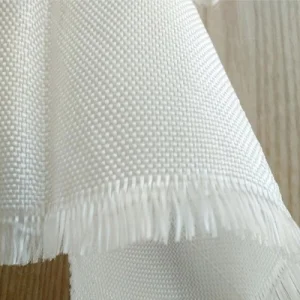
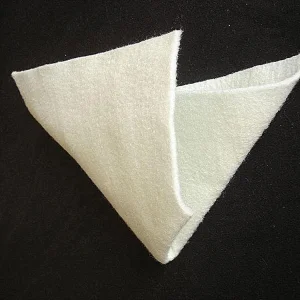
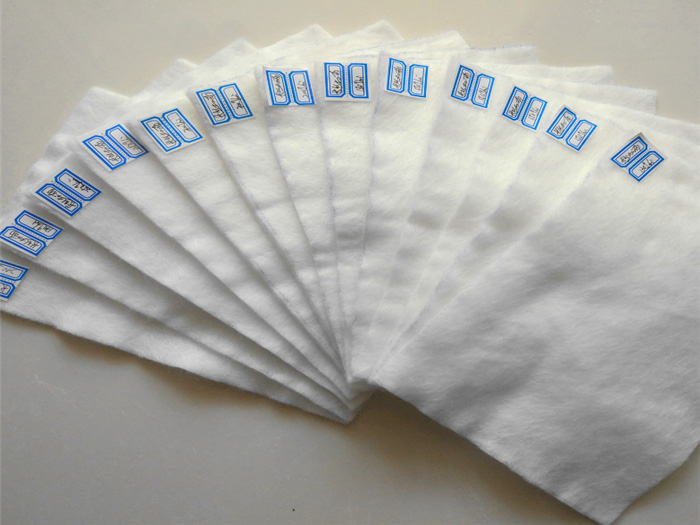
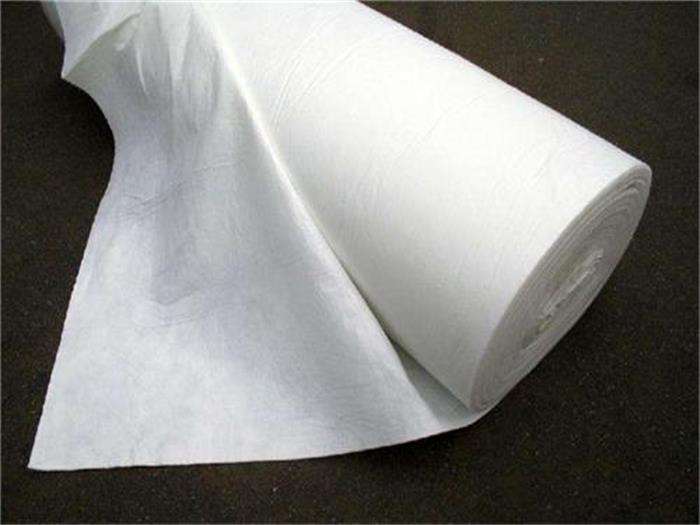
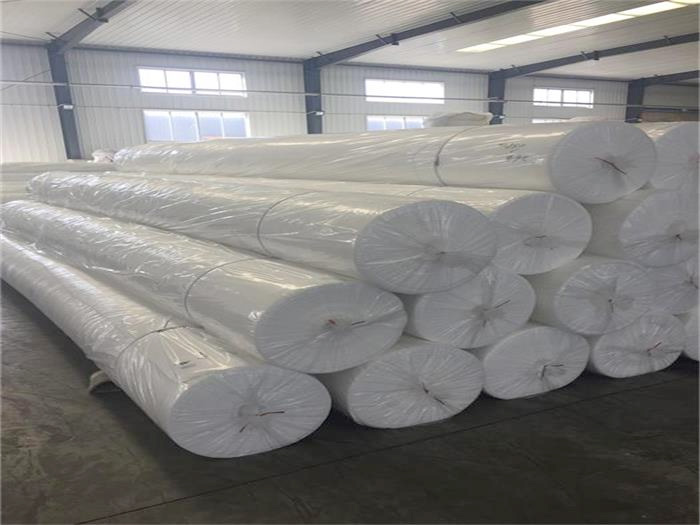
Geotextiles are used in civil engineering for filtration, separation, reinforcement, and protection. Our manufacturing process combines high-speed machinery with rigorous quality control checks.
Correct installation and maintenance are essential to ensure the long-term performance of impermeable barriers.
Choosing the correct geomembrane formulation depends on your project's specific chemical and physical demands:
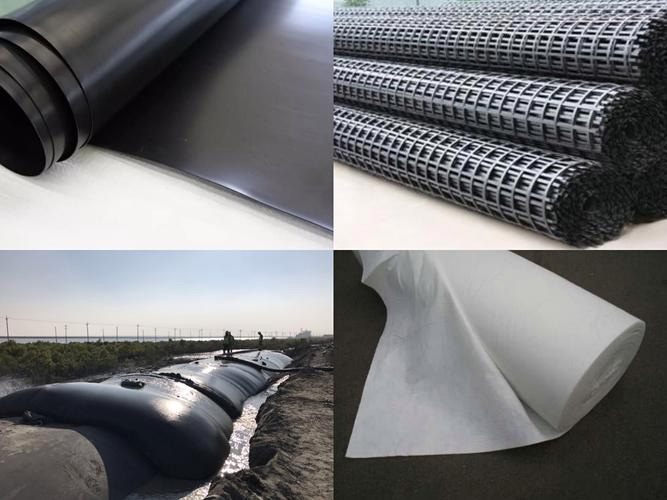
Proper subgrade preparation and welding techniques prevent leaks and extend the service life of the barrier:
Routine inspection and simple precautions help prevent punctures and preserve the liner's performance:
How our geosynthetics perform in field installations, from municipal containment to rail base stabilization.
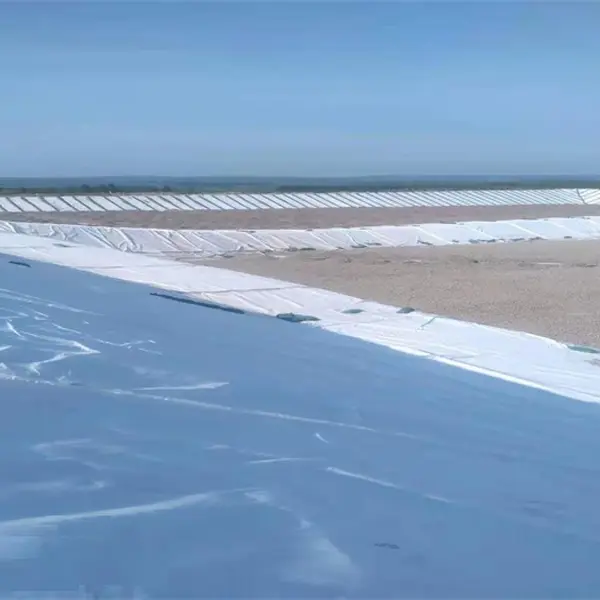
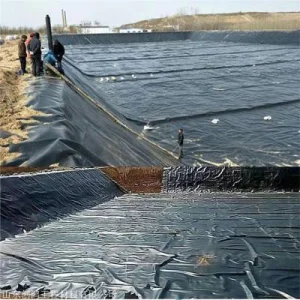
Preventing seepage in reservoirs, irrigation canals, and artificial lakes using HDPE membranes.
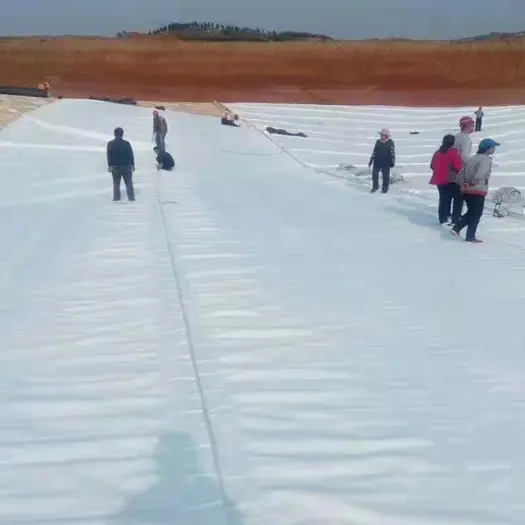
Channel lining and erosion control to protect surrounding soils and manage water flow.
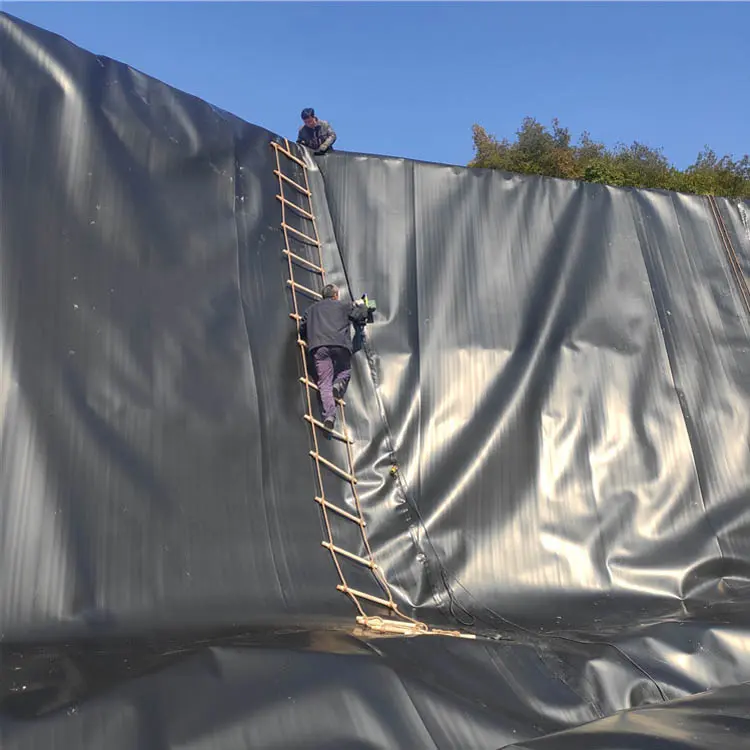
Preventing groundwater contamination using multi-layered geomembrane and GCL barriers.
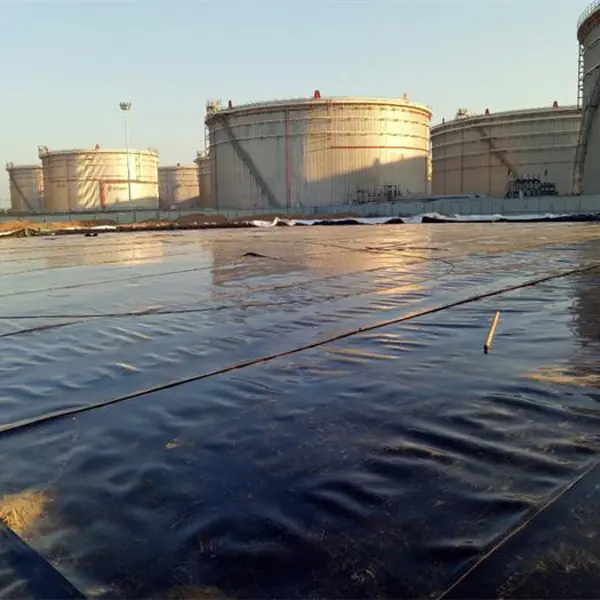
Providing secondary containment barriers beneath oil tanks and chemical refineries.
Browse our standard geosynthetic materials designed for civil and environmental engineering projects.
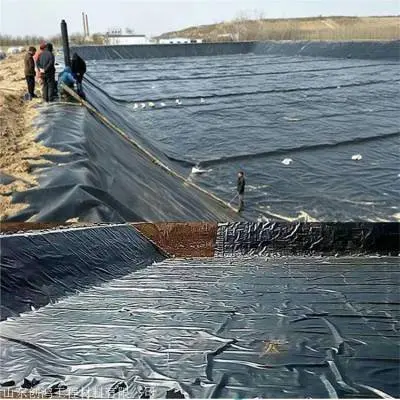
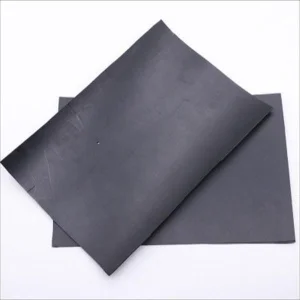
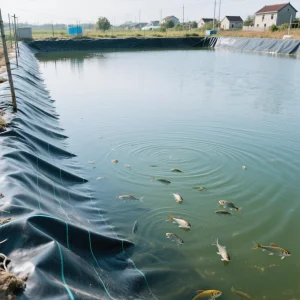
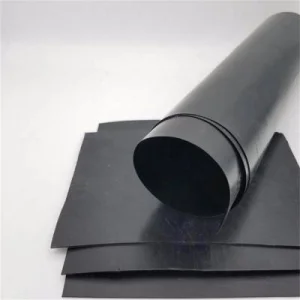
High-density flexible polyethylene liners safe for aquaculture applications.
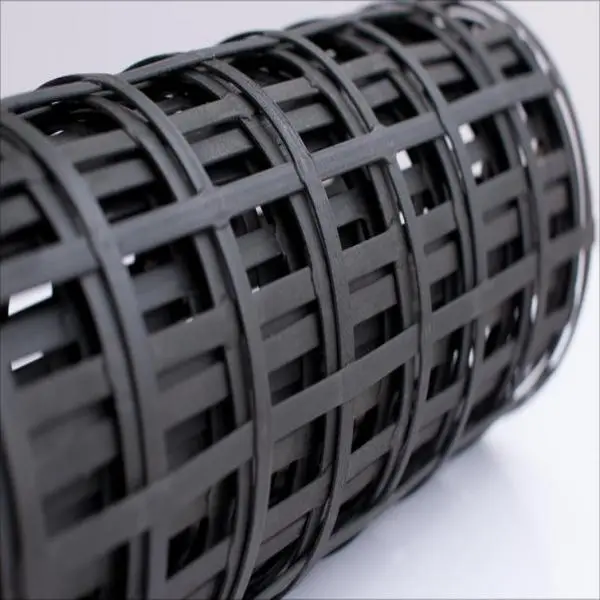
Composite geogrid with steel wires encased in a protective polymer sheath.
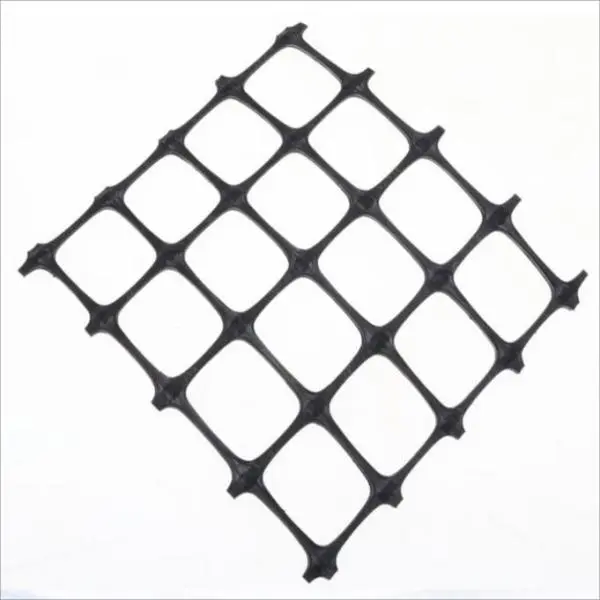
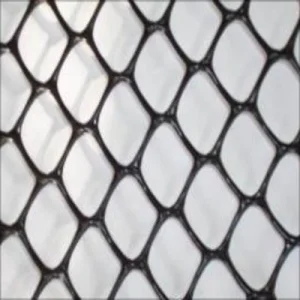
Polypropylene grids designed to distribute loads in two directions.
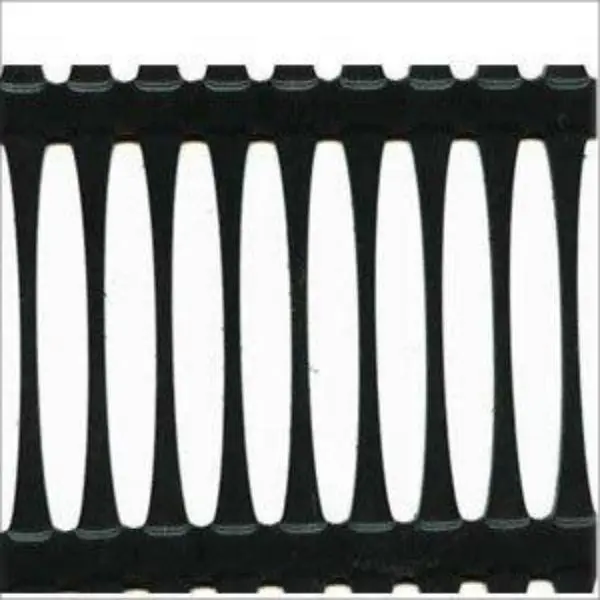
Optimized for high-tensile resistance along a single axis in retaining walls.
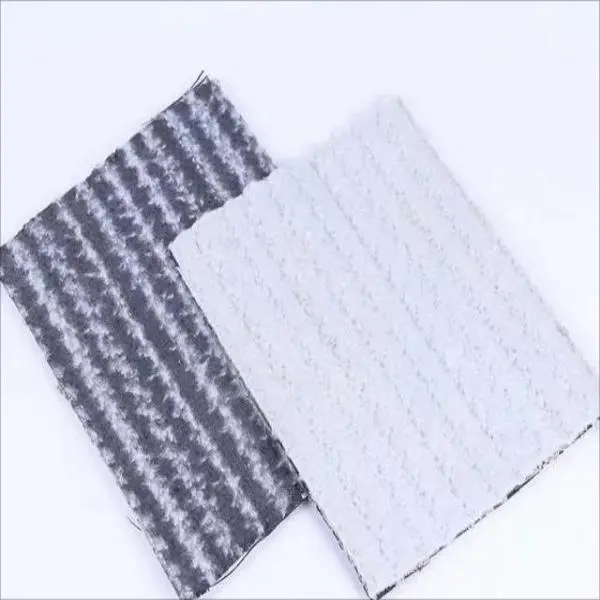
Flexible concrete-impregnated fabric that hardens when hydrated.
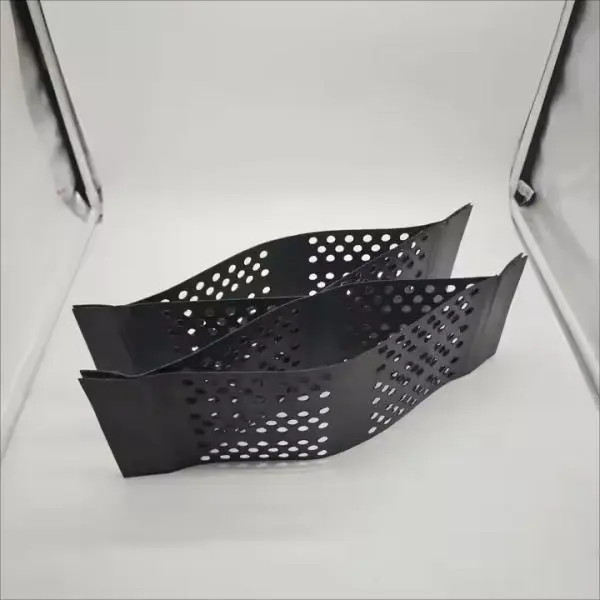
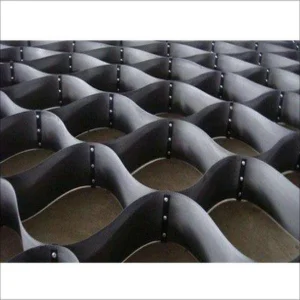
Cellular confinement structures that stabilize soils on steep slopes.
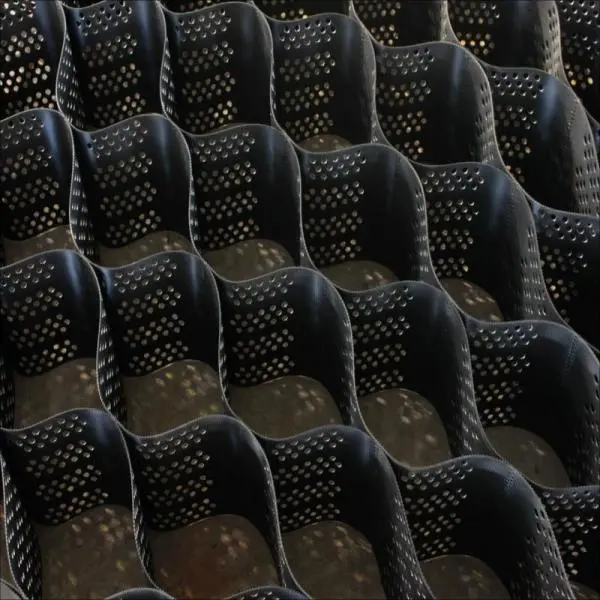
High-density polyethylene geocells designed for heavy load support.
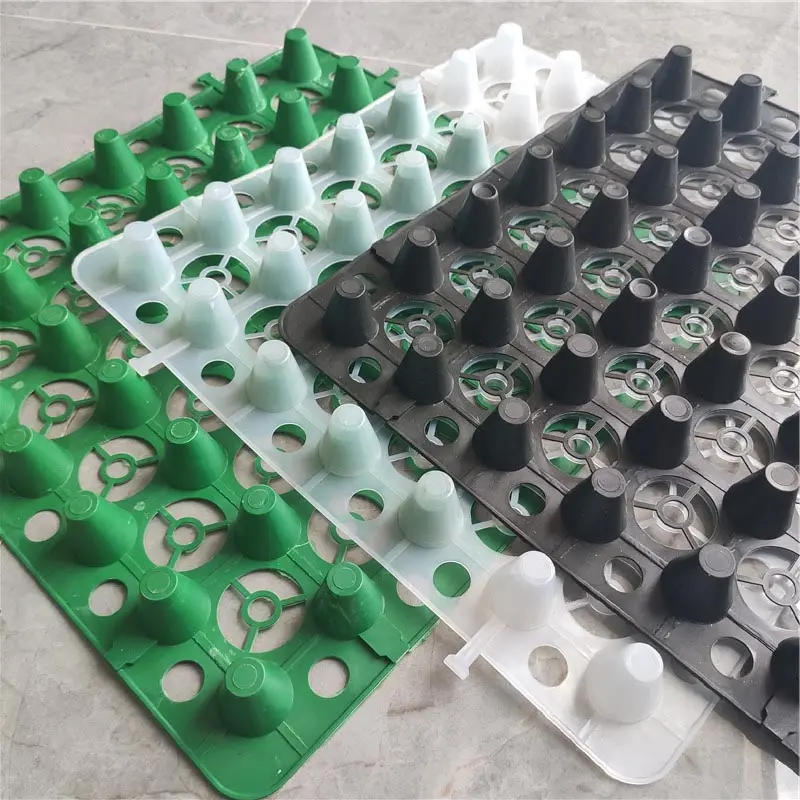
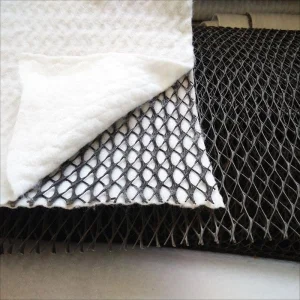
Dimpled drainage core designed for green roof assemblies.
Water conservancy projects require high-performance, low-leakage barrier systems. High-quality geomembranes are key components in modern hydraulic designs because they prevent water loss, isolate chemical pollutants, and reinforce underlying structures.
In reservoir construction, geomembranes prevent seepage through porous bed rock and fractured soils, stabilizing the water level. Similarly, in canal and river systems, integrating geomembranes reduces bank erosion and prevents water loss during transport, maintaining design flow capacity.
High-density geomembranes act as impermeable barriers beneath reservoirs, preventing water loss into underlying fractured rock formations.
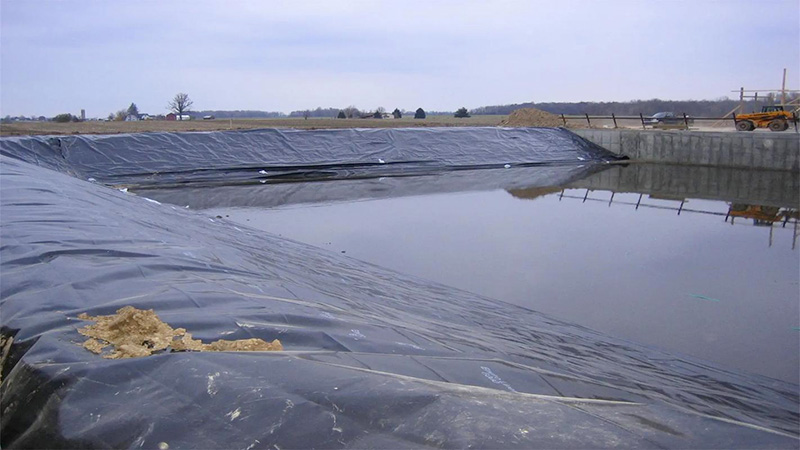
Installing geomembranes and geotextiles along levee slopes prevents internal erosion and pipe failure during flood events.
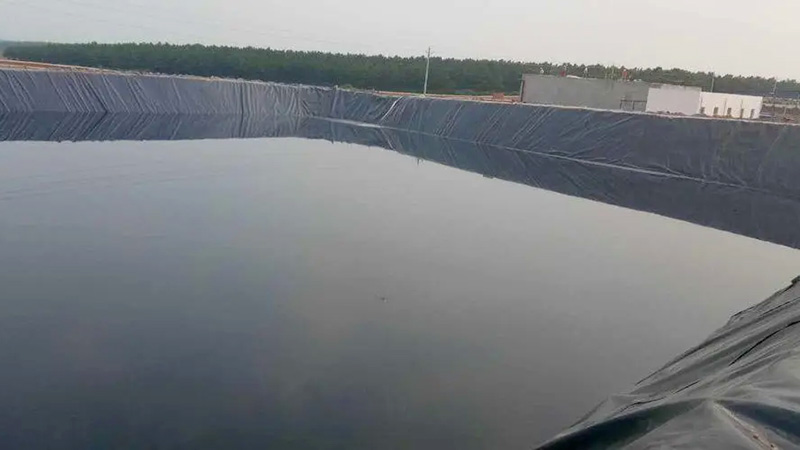
Lining irrigation canals with geomembranes prevents water loss through seepage, ensuring more water reaches downstream agriculture.
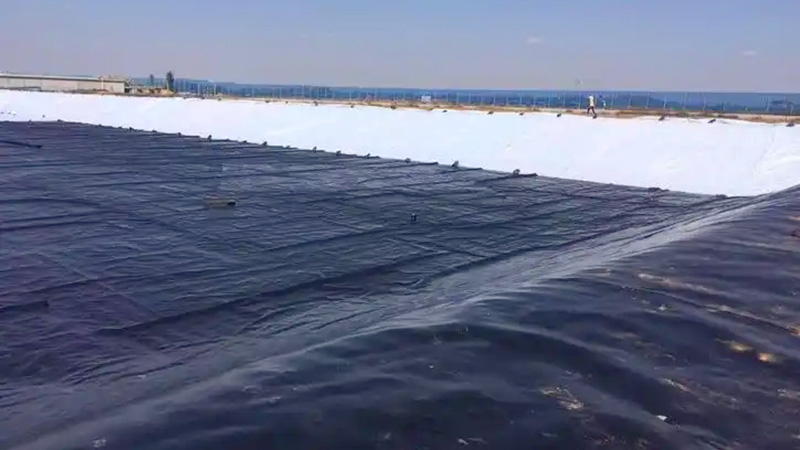
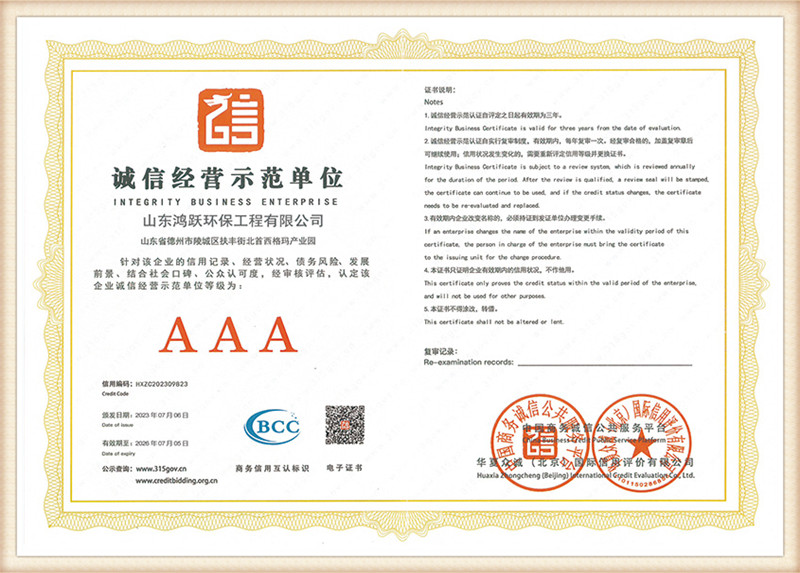
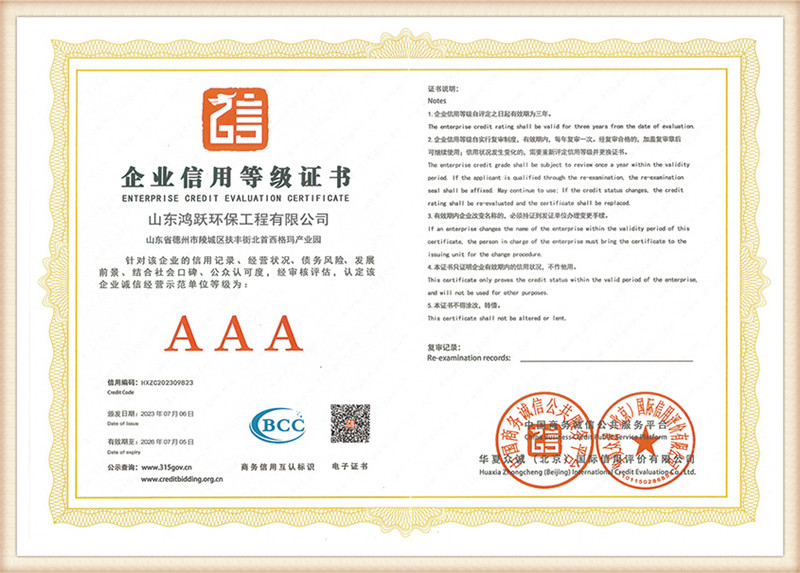
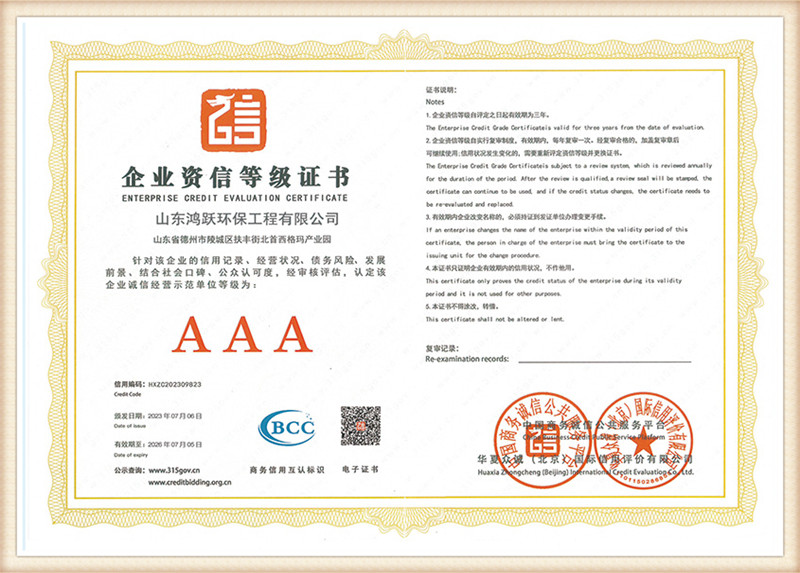
We manufacture our products to meet the testing requirements and certifications of different international markets.
Our products comply with GRI-GM13 (for HDPE) and GRI-GM17 (for LLDPE) standards. We verify material properties using ASTM test methods, including ASTM D6693 for tensile properties and ASTM D5397 for stress crack resistance.
Our materials carry CE marking to verify compliance with EN 13249 (roads), EN 13250 (railways), and EN 13251 (earthworks) standards, meeting European requirements for public infrastructure projects.
Our products are manufactured under ISO 9001 and ISO 14001 certified systems. We offer third-party testing reports from international laboratories (such as TRI or SGS) to verify technical specifications for regional projects.
Expert answers to common questions about sourcing, installing, and specifying woven geogrids.
We manufacture a complete range of environmental barriers, drainage grids, and soil reinforcement systems.
 Hongyue