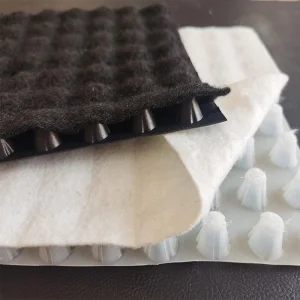
Explore our top-performing engineering geosynthetics, engineered for civil protection, filtration, and containment systems.
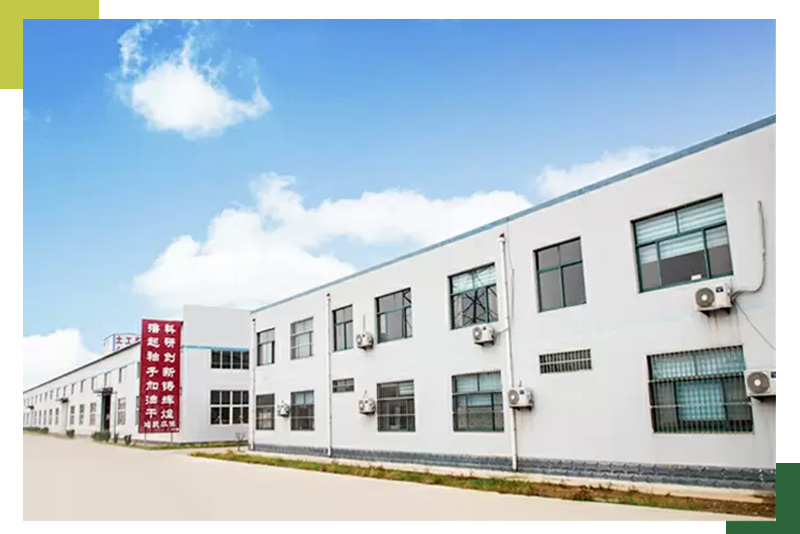
Shandong Hongyue Environmental Engineering Co., Ltd., located at the north end of Fufeng Street, Lingcheng District, Dezhou, Shandong Province, is a scientific and technological geotechnical material manufacturer integrating engineering material production, sales, design and construction services.
The company was registered in Lingcheng District Market Supervision and Administration Bureau of Dezhou City on April 6, 2023, with a registered capital of 105 million yuan. It stands as one of the largest production bases of geotechnical materials in China at present. Benefiting from a superior geographical location and convenient transportation, we maintain seamless links to major global shipping networks, facilitating efficient supply chain security for multi-scale projects globally.
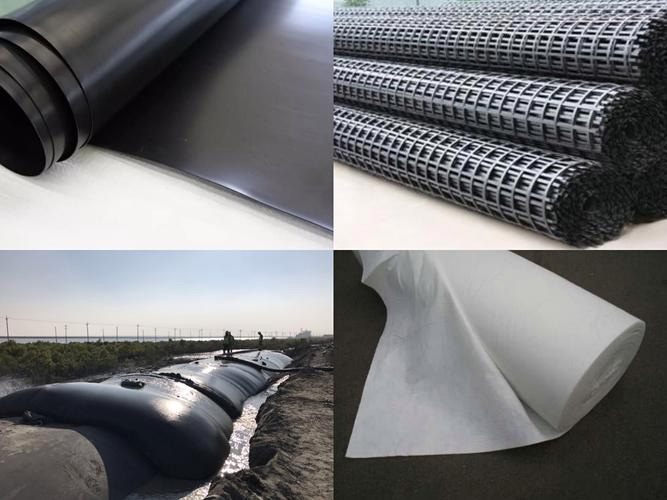
Our core capabilities focus on technical reinforcement, environmental containment, and water management. We produce a wide range of geosynthetics, waterproofing membranes, and geological drainage systems that pass strict international quality evaluations.
Delivering certified performance metrics and high capacity output for civil infrastructure works worldwide.
Technical specifications, properties, and direct value analysis of 200gr nonwoven fabric in modern structural design.
In geotechnical engineering, the selection of the unit weight of a geotextile fabric dictates its structural efficiency and longevity. The 200g/m² (grams per square meter) geotextile, equivalent to approximately 6 ounces per square yard, represents a critical balance point. It serves as the primary technical specification where hydraulic properties (permeability and filtration) intersect with mechanical durability (puncture resistance and tensile strength).
Geotextile 200gr features an optimal Apparent Opening Size (AOS) typically ranging from 0.075 to 0.15 mm. This creates a natural filter layout that prevents soil piping while permitting unobstructed water movement.
With a California Bearing Ratio (CBR) puncture resistance of 1.8 kN to 2.8 kN, the 200g/m² nonwoven geotextile acts as an effective shield for geomembrane liners against angular gravels and sharp rocks.
Offered in both staple fiber and continuous filament structures. High-quality raw polyester (PET) or polypropylene (PP) formulations ensure high chemical stability in both acidic and alkaline ground conditions.
Technical Insight: Filament needle-punched geotextiles provide superior tensile performance and elongation capabilities compared to standard staple fiber alternatives. In projects requiring high stress distribution, continuous filament 200gr geotextiles should be selected over staple fiber configurations.
Developing reliable civil infrastructure frameworks for water, transport, and environmental containment projects.
Industrial development and large-scale public projects require materials that perform consistently under variable environmental stresses. Geotextile 200gr is engineered for four primary infrastructure challenges:
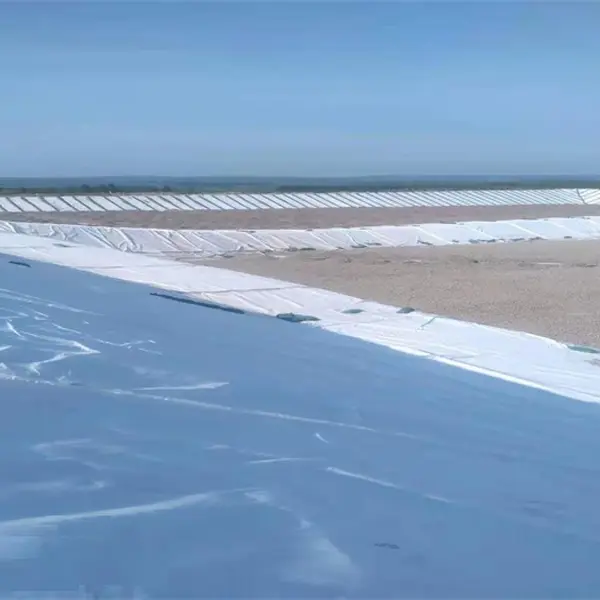
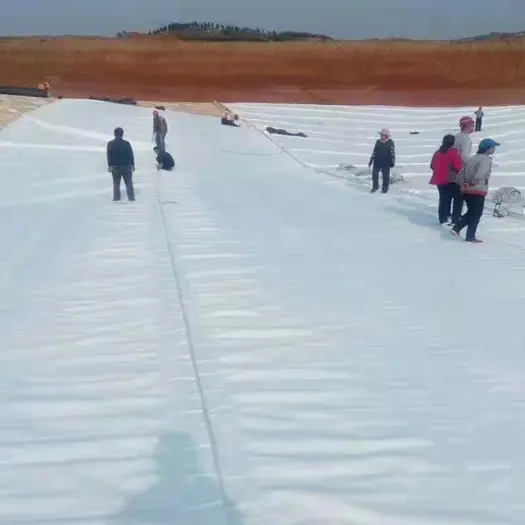
In canal linings, dam slopes, and coastal containment structures, water movement continuously threatens soil integrity. Placing a 200gr needle-punched nonwoven geotextile beneath riprap or concrete blocks stops sediment loss while relieving hydrostatic pressure. This stabilizes banks, prevents subgrade liquefaction, and extends the service life of hydraulic installations.
Modern high-speed transport networks require stable foundation designs. The 200g/m² geotextile serves as an separation barrier between the soft subgrade soil and the dense stone base course. By keeping these layers distinct, the geotextile prevents base contamination and aggregate sinkage, maintaining structural load capacity and preventing asphalt cracking or rail track misalignment.
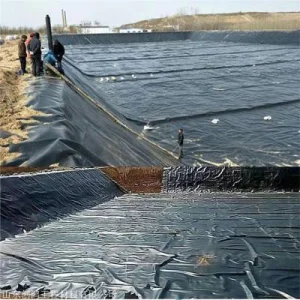
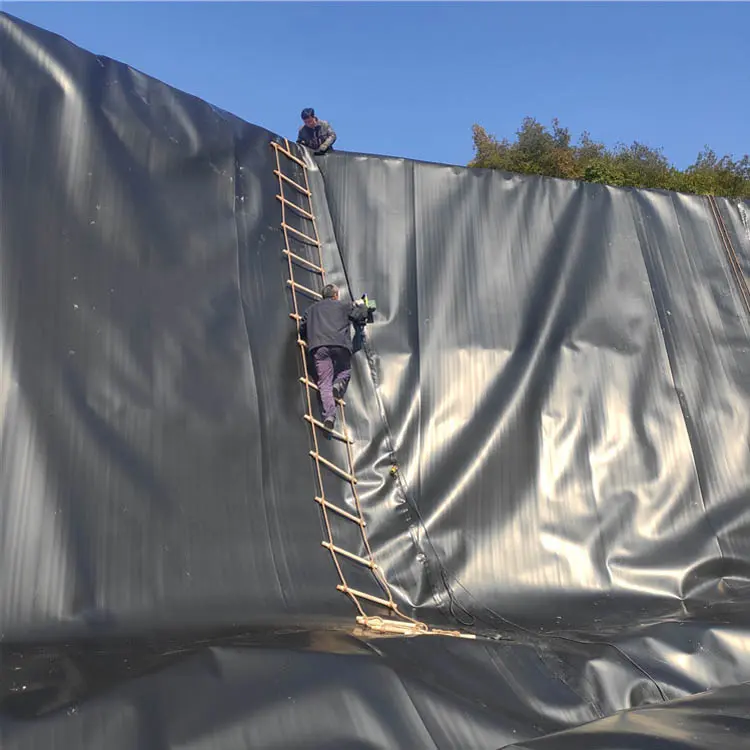
Environmental regulations require secure double-lined systems in solid waste landfills and hazardous tailing ponds. In these layouts, the 200gr geotextile acts as a protective layer, shielding the HDPE geomembrane from puncture damage from adjacent soil layers. It also serves as a gas transmission layer to safely vent methane beneath the cap.
For subsoil drainage systems in commercial developments, sports fields, and retaining walls, the geotextile wrap protects French drains and perforated piping from clogging. It allows water to enter the drainage core while blocking silt, maintaining long-term hydraulic performance without maintenance cleanouts.
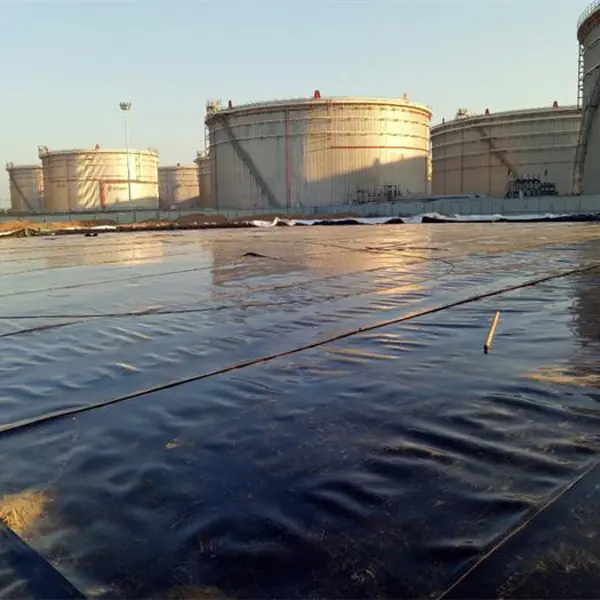
Understanding global supply chains, material grading, and international market factors that influence the 200gr geotextile pricelist.
The global geosynthetics market is expanding rapidly due to rising investments in transportation infrastructure and environmental protection. Major production clusters are centered in East Asia, particularly in Dezhou, Shandong Province. As key exporters, our facilities utilize advanced high-speed needle-punching production lines to maintain consistent quality and cost control.
The pricing of geotextile 200gr is influenced by several market dynamics:
Pricelist Guide: Standard staple fiber 200g/m² geotextile prices range from $0.25 to $0.45 per square meter (FOB China), depending on order volume and exact polymer composition. Premium virgin continuous filament polyester (PET) geotextile 200gr ranges from $0.40 to $0.65 per square meter. For project-specific quotes, custom roll sizes, and volume discounts, contact our export division.
A look inside our modern production lines, detailing the steps that ensure high mechanical performance in every roll.
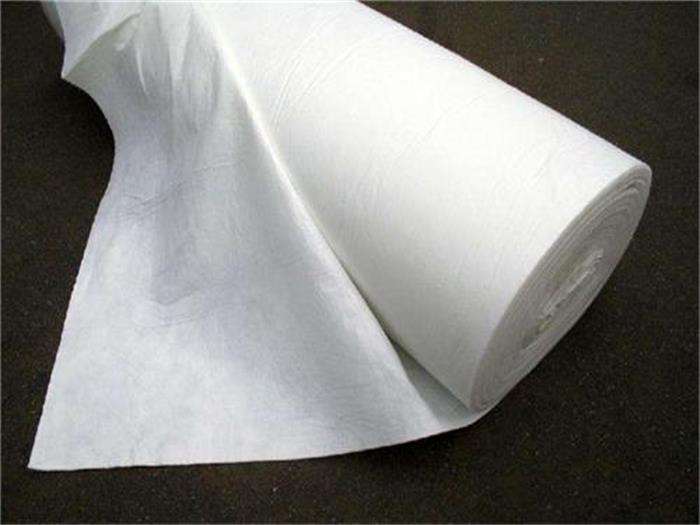
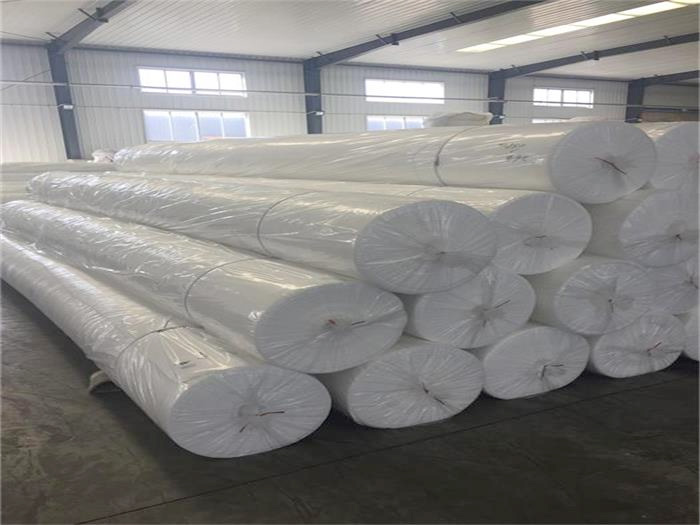
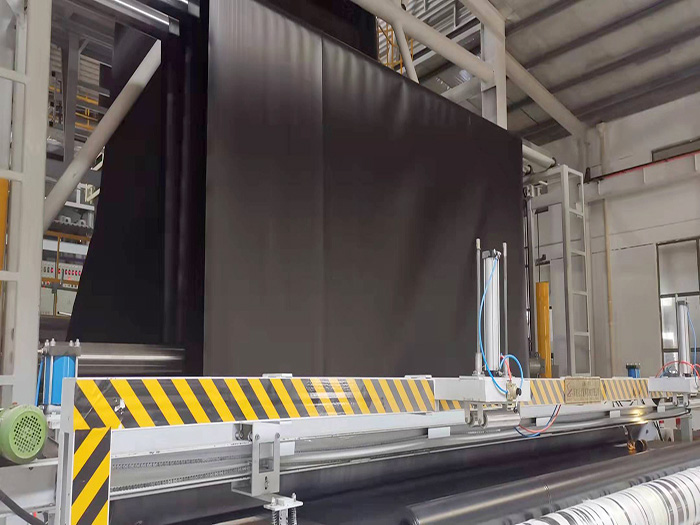
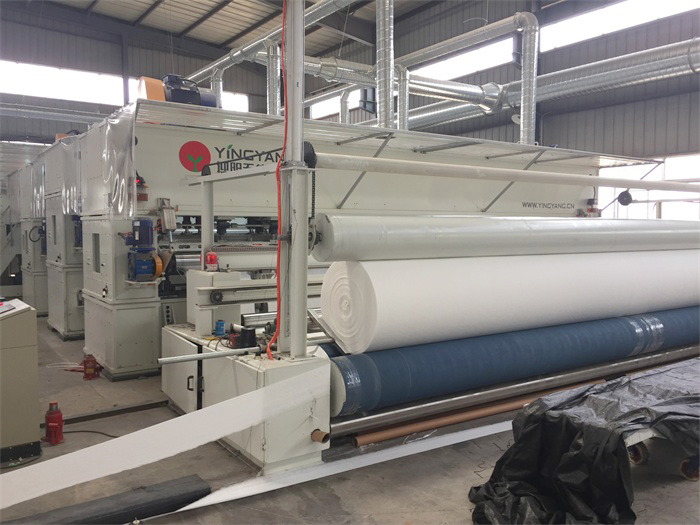
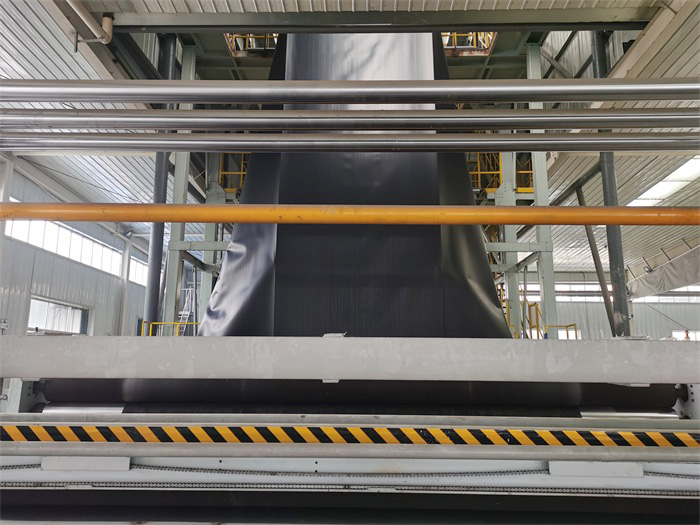
Geotextiles are critical structural materials, and their manufacturing requires strict quality control. Our facility utilizes modern extrusion and needle-punching equipment to produce materials that meet international standards.
We source premium polyester chips, polypropylene filament, and viscose fibers. Every incoming batch is inspected to ensure uniform molecular weight and moisture levels.
Polyester chips are melted at high temperature and extruded through a screw extruder. Polymer blend ratios and temperatures are continuously monitored to ensure consistency.
The molten polymer is extruded through spinnerets to form continuous fibers. These fibers are laid onto a moving conveyor belt to form a web structure with uniform fiber orientation.
The fiber web passes through needle-punching boards where thousands of barbed needles interlock the fibers. Controlling the needling density ensures the required thickness and tensile strength.
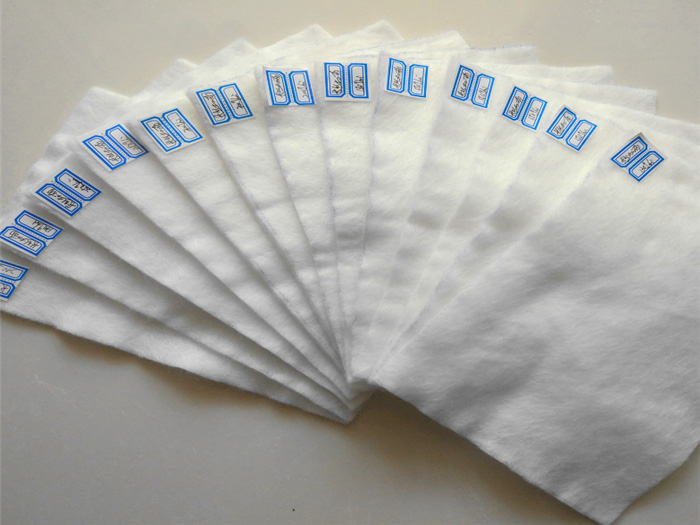
International engineering projects require compliance with local regulatory frameworks. Our 200g/m² geotextiles are tested to meet major global testing standards:
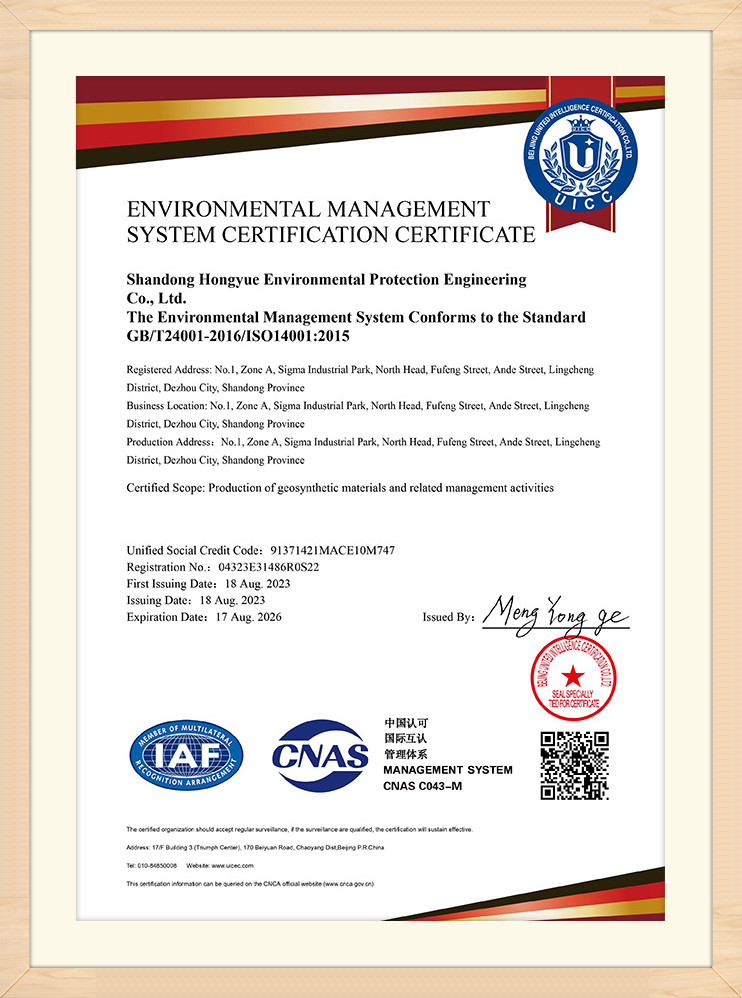
Our quality control lab conducts testing on every production run, measuring physical properties, hydraulic properties, and mechanical strength to ensure consistent performance. Shandong Hongyue is certified under ISO 9001 (Quality Management), ISO 14000 (Environmental Management), and ISO 45001 (Occupational Health and Safety).
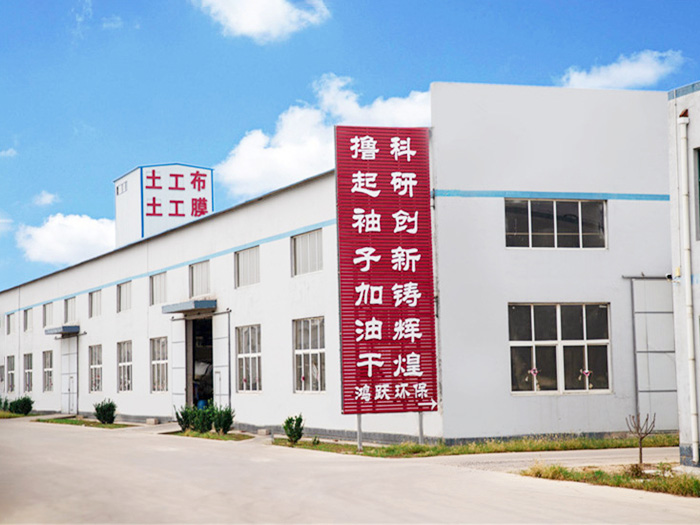
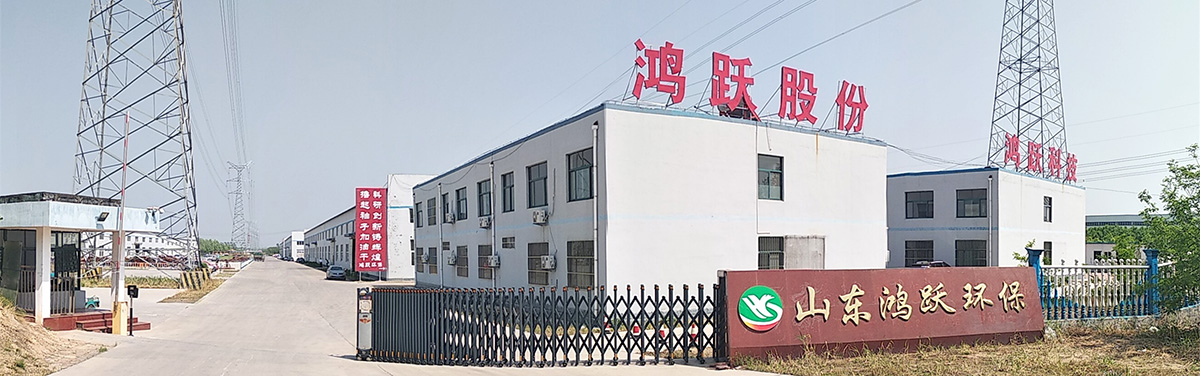
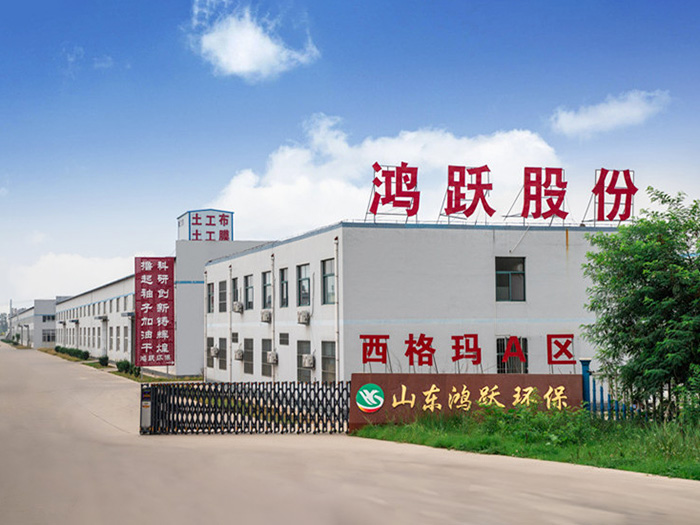
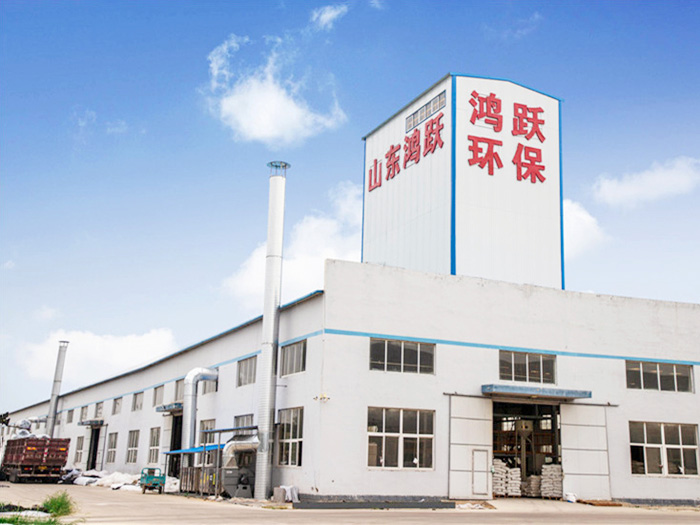
Take a visual tour through our manufacturing, storage, and testing departments in Dezhou, Shandong Province.
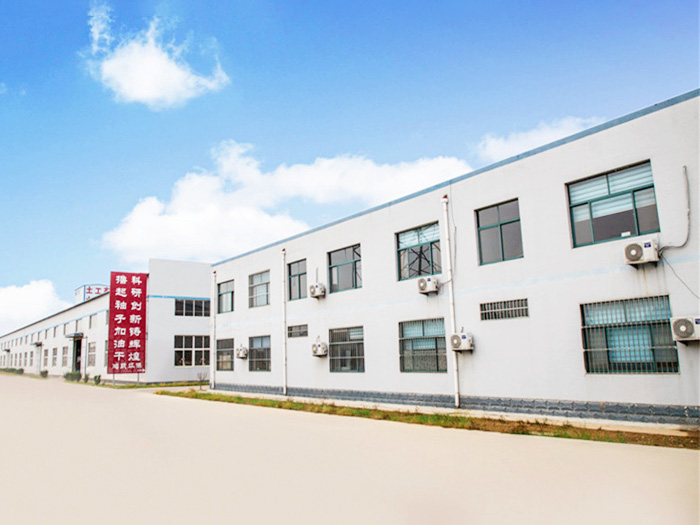
Real-world performance of our geotextile fabrics in challenging environmental conditions.
In Southeast Asian road development projects, high water tables and silty subgrades frequently compromise road base stability. Heavy vehicle traffic can force soft subgrade soils up into the base aggregates, causing road surface failure. By installing our 200g/m² nonwoven polyester geotextile between the subgrade and aggregate layer, the contractor maintained effective separation. The nonwoven fabric allowed groundwater to drain laterally while retaining subgrade fines. Long-term monitoring showed a significant reduction in road deformation and cut aggregate usage by 30%.
In cold climate regions, subgrade soils experience seasonal freeze-thaw cycles that can lead to frost heave and structural damage. High-speed rail lines require a stable foundation to prevent track movement. Our CE-certified 200gr geotextiles were used to line the drainage trenches and foundation bases. The high water flow capacity (typically > 100 L/m²/s) and uniform pore size distribution kept water moving freely, preventing ice lenses from forming within the structural subgrade layers.
A mining project in South America required a secure environmental containment basin to hold processed tailings. The basin liner design used a thick HDPE geomembrane. To protect the liner from puncture against the rocky subgrade, our 200g/m² continuous filament geotextile was selected as a double-sided cushion layer. The material's puncture resistance and elongation properties protected the primary geomembrane liner, preventing environmental leaks.
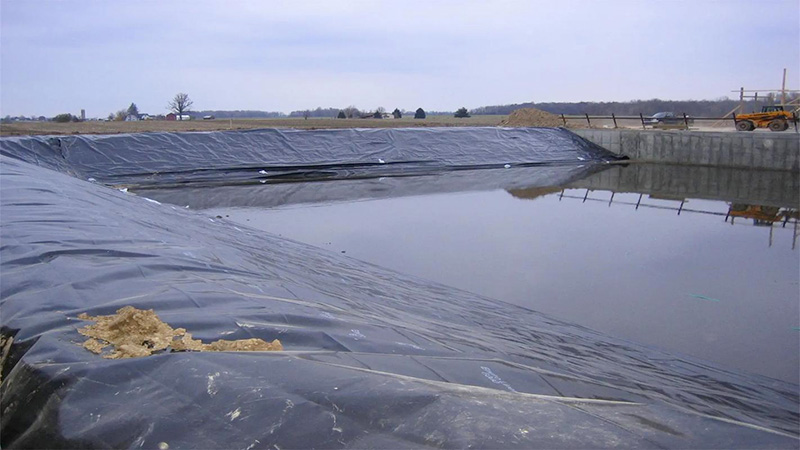
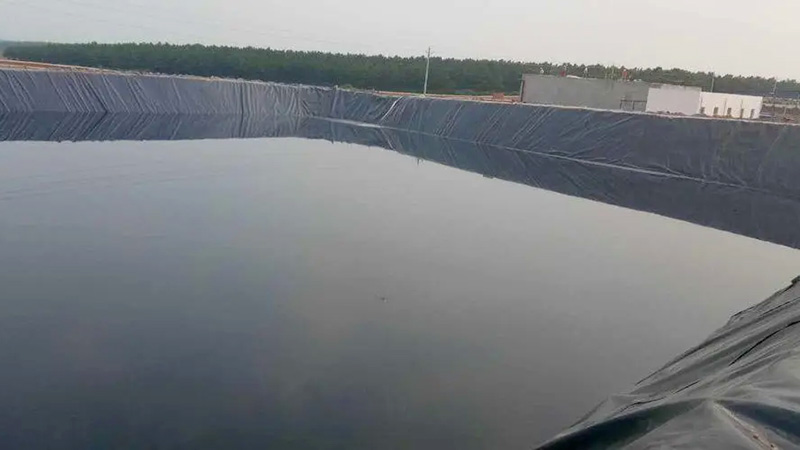
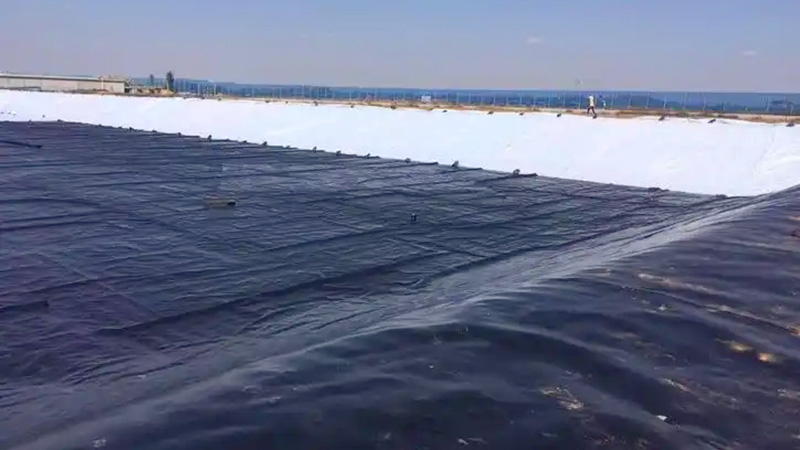
Next-generation development: sustainable polymers, smart geosynthetics, and carbon footprint reduction.
The geosynthetics industry is evolving to meet higher durability requirements and reduce environmental impact. Our research and development focuses on three primary technology areas:
To reduce plastic waste and fossil resource use, we are testing the use of high-tenacity recycled polyester (rPET) in our needle-punching lines. By refining the polymer extrusion process, we can produce rPET 200gr geotextiles that match the tensile strength and puncture resistance of virgin polymers, supporting lower-carbon infrastructure projects.
In critical structures like high-dams, tunnels, and active landslides, detecting internal strain early is vital. We are developing smart geotextiles integrated with optical fiber sensors. These sensor-embedded fabrics serve their standard filtration and reinforcement functions while providing real-time data on internal strain and deformation to monitoring systems.
In applications like landfill lining and mining leach pads, geotextiles are exposed to harsh chemicals. We are modifying our polypropylene (PP) formulations with advanced antioxidants and stabilizers to improve chemical resistance, ensuring a design life of over 100 years even in harsh underground conditions.
Expert technical and commercial answers to help you select, specify, and procure 200g/m² geotextile materials.
We offer a full range of high-performance geosynthetics and drainage products for global infrastructure projects.
 Hongyue