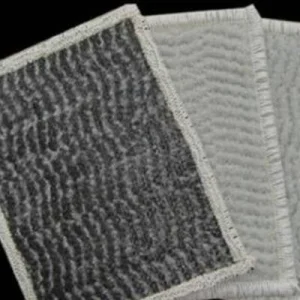
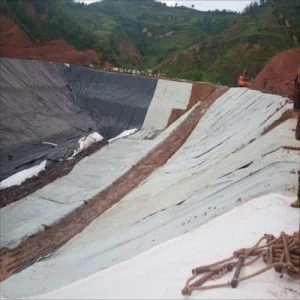
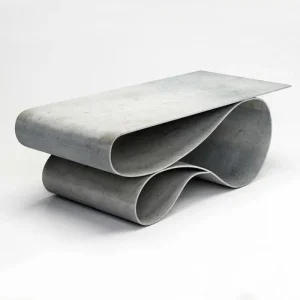
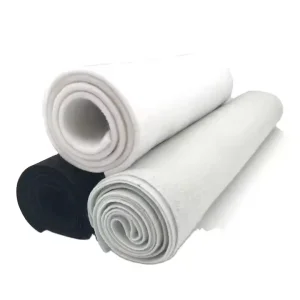
Direct from Dezhou, Shandong's Premier High-Tech Geotechnical Production Base. Select a product below for customized quotes.
Registered Capital (RMB)
Major Cities Served Globally
9001, 14000, 45001 Certified
National Quality Compliance
In modern civil infrastructure, Mechanically Stabilized Earth (MSE) walls represent a major evolution in soil reinforcement. Traditionally, retaining structures relied purely on gravity or cantilevered steel to withstand lateral earth pressure. Today, the integration of structural geogrids has transformed backfill soil into a coherent, high-shear-resistant reinforced zone.
The core mechanism is mechanically interlocked confinement. When soil particles are compacted over a geogrid layer, they wedge inside the grid's apertures, restricting lateral soil displacement. This interaction converts tensile forces into passive resistance along the transverse bars of the geogrid, significantly increasing the soil's apparent cohesion.
"By transferring lateral stress to horizontal tensile strain, geogrid-reinforced retaining walls dramatically minimize the footprint of cut-and-fill operations, enabling steepened slopes and vertical embankments up to 90 degrees."
For project owners and contractors, selecting qualified geogrid retaining wall manufacturers is not merely about sourcing raw material; it is about verifying the Long-Term Design Strength (LTDS) and ensuring structural safety factors comply with international design methodologies like LRFD (Load and Resistance Factor Design).
A rigorous breakdown of the primary polymer selections and physical properties crucial for engineering design validation.
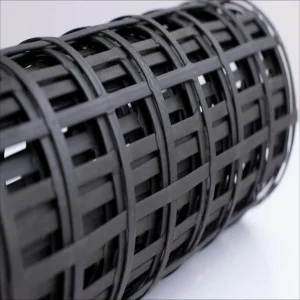
Engineered for primary structural load paths in vertical retaining walls. Maximizes tensile capacity along a single axis (typically MD) to oppose lateral earth pressure.
Designed for subgrade stabilization and base reinforcement. Distributes stress equally in both machine (MD) and cross-machine directions (CD) over weak soils.
High-strength steel wires coated with corrosion-resistant HDPE. Offers exceptionally high tensile modulus and near-zero creep for high-embankment retaining walls.
Woven yarn matrix coated with protective polymer. Delivers excellent tensile strength at low strains, optimized for high pH chemical environments in clay backfills.
| Geogrid Subtype | Primary Polymer | Tensile Strength Range (kN/m) | Max Design Strain (%) | Typical Applications |
|---|---|---|---|---|
| Uniaxially Stretched | High-Density Polyethylene (HDPE) | 50 - 200 | < 10% | High-sloped MSE retaining walls, bridge abutments |
| Biaxially Stretched | Polypropylene (PP) | 20 - 50 | < 8% | Pavement base foundation stabilization, subgrade control |
| Steel-Plastic Composite | Steel Wire / HDPE Coated | 50 - 600+ | < 3% | Heavy railway structures, high embankment retaining |
| Knitted/Woven Geogrid | Polyester (PET) | 30 - 800 | < 10% | Landfill slope stability, reinforced soil slopes (RSS) |
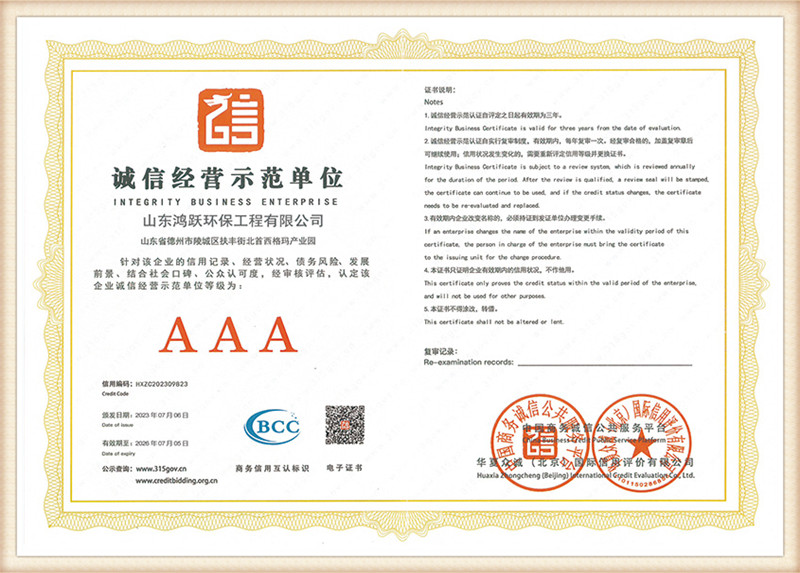
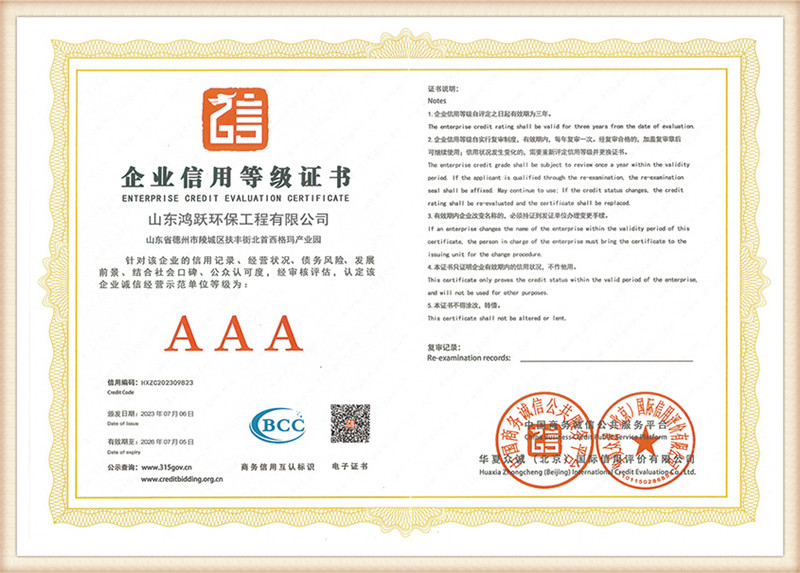
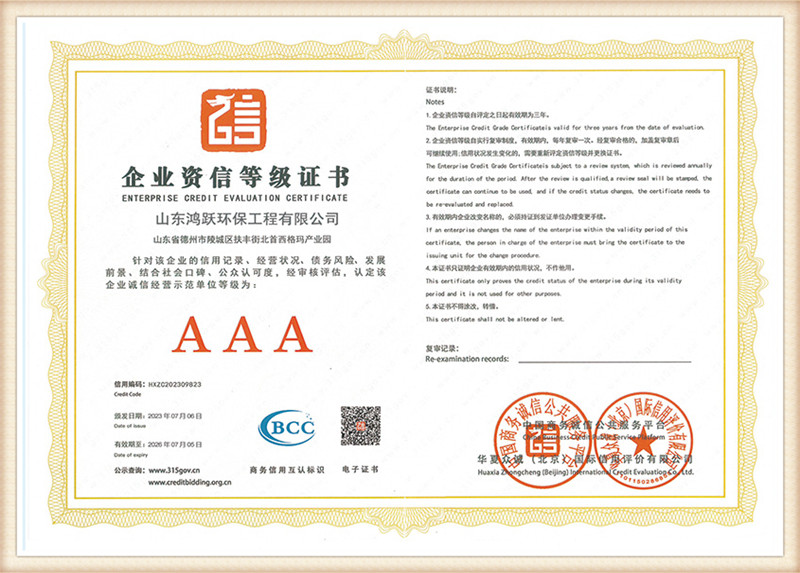
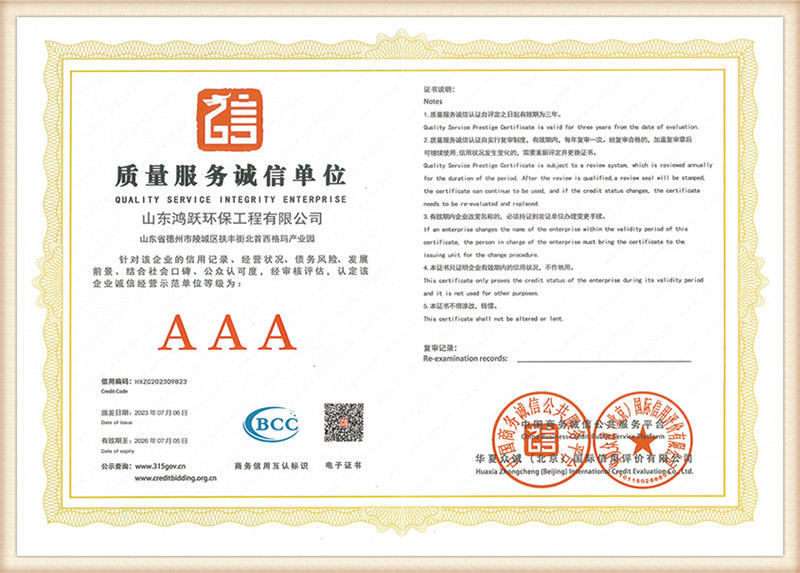
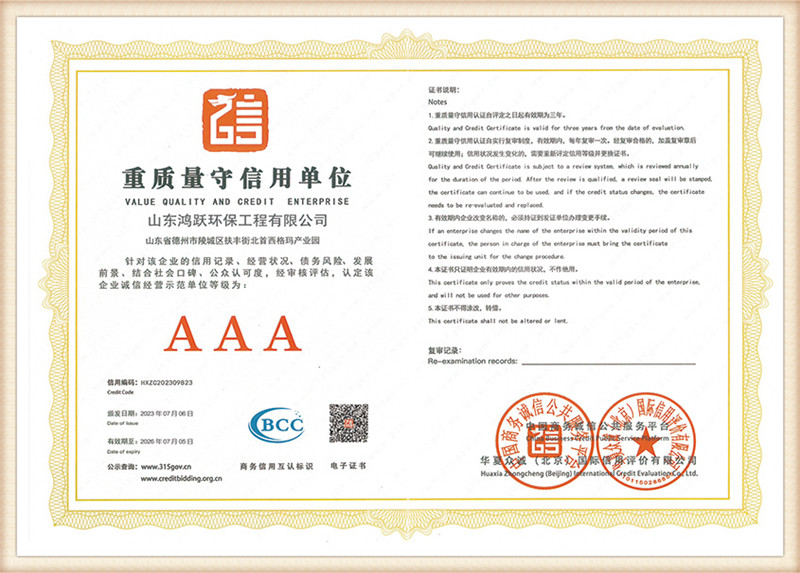
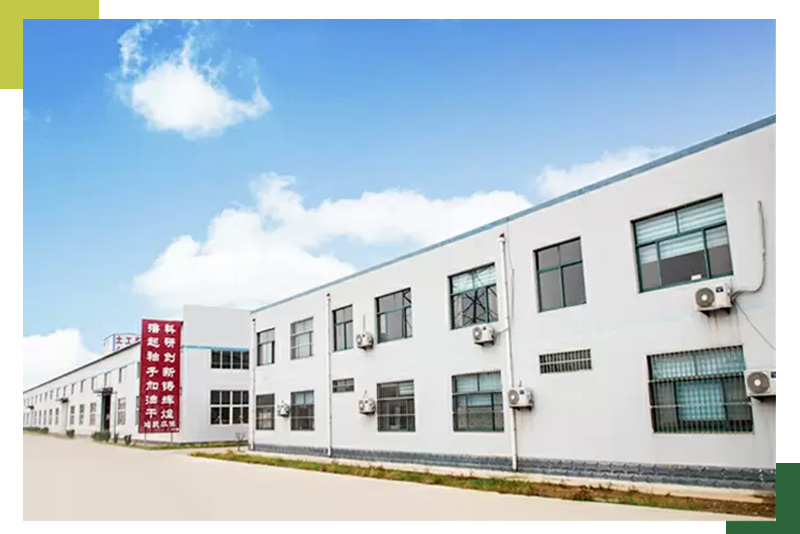
Established on April 6, 2023, with a substantial registered capital of 105 million Yuan, Shandong Hongyue Environmental Engineering Co., Ltd. has rapidly emerged as a leading manufacturer in the geotechnical materials sector. Headquartered at the north end of Fufeng Street, Lingcheng District, Dezhou, Shandong Province, we represent one of the largest production bases of geotechnical materials in China today.
Our location offers superior logistical advantages and convenient transport links, ensuring timely deliveries to major shipping ports. Shandong Hongyue integrates engineering material production, sales, design, and construction services, creating a seamless, end-to-end service model for global infrastructure projects.
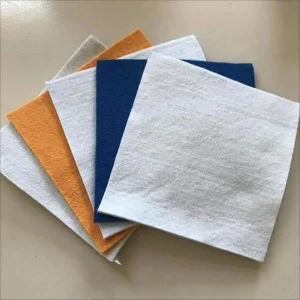
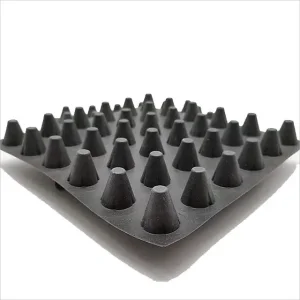
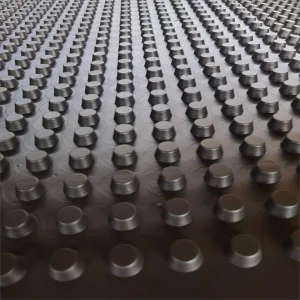
Our comprehensive portfolio features high-performance products including geotextiles, geomembranes, composite geomembranes, waterproof boards, bentonite waterproof blankets (GCL), 3D composite drainage networks, drainage boards, woven and non-woven engineering fabrics, concrete blankets, and flexible pervious pipes. Backed by a dedicated technical and sales team, we support civil works across highways, railways, bridges, tunnels, water conservancy canals, artificial lakes, environmental landfill containment, aviation infrastructure, mining, and agriculture.
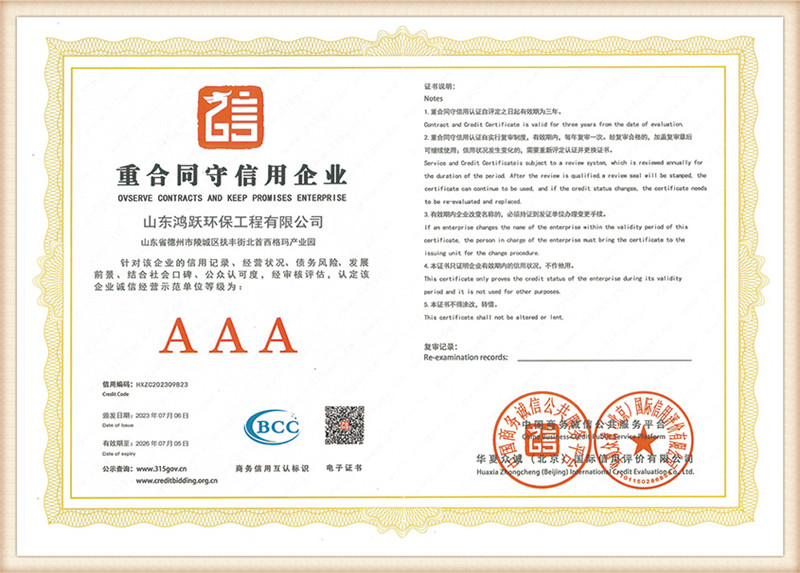
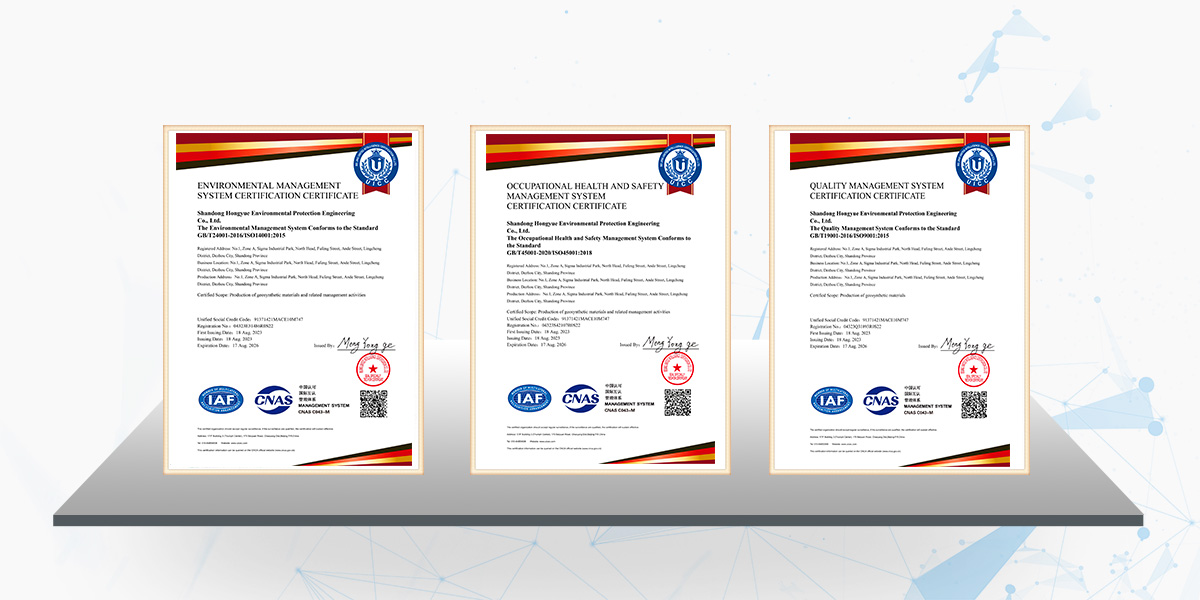
By implementing a strict multi-tier quality inspection system and passing the ISO9001, ISO14000, and ISO45001 international certifications, we maintain high quality standards across every production run. Our dedication to excellence has earned us industry honors such as "Famous Chinese Brand", "Green and Environmentally Friendly Building Materials", and recognition as a "High-Tech Industry" leader.
How Shandong Hongyue leverages advanced manufacturing automation to guarantee consistent physical specifications, reduce lead times, and control structural costs.
From raw polymer compounding to final extrusion, knitting, or punching, our complete control over raw materials insulates our clients from global chemical market fluctuations.
Equipped with advanced wide-width extrusion lines, we handle large-scale municipal bids, guaranteeing consistent properties across millions of square meters.
Our on-site laboratories test raw materials and finished products under ASTM and ISO standards, ensuring compliance with international project specifications.
SEO Insight & Information Gain: Sourcing directly from Dezhou allows international buyers to bypass intermediary traders, reducing cost structures by up to 25%. Our proximity to major shipping hubs minimizes transit risks and streamlines global logistics.
Step-by-step documentation of our production lines, verifying how raw polymers are processed into high-performance geotechnical components.
The primary raw materials used are polyester chips, polypropylene filament, and viscose fiber. We strictly inspect, sort, and store these raw materials to ensure consistent grade, melt index, and thermal stability prior to production.
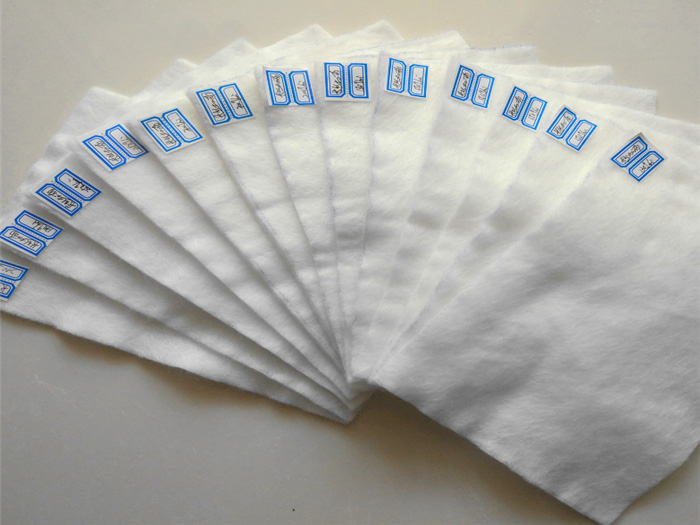
Polyester chips are melted at high temperatures and extruded through a screw extruder. Polypropylene filament and viscose fibers are mixed under precise pressure and temperature control to ensure a uniform polymer melt.
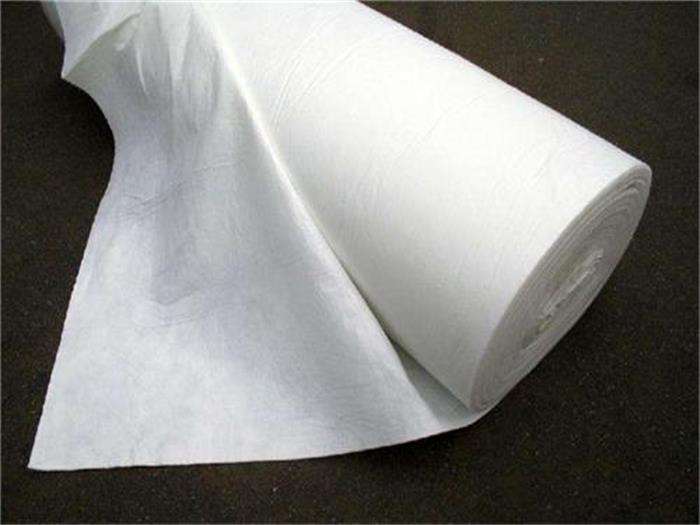
The polymer melt is extruded through spinnerets to form fine filaments. These are deposited onto a conveyor belt to form a uniform, web-like structure. We carefully manage fiber orientation, thickness, and web density during this stage.
The loose fiber web undergoes draft curing, mechanical needle-punching, or thermal bonding. Crucial parameters like heating profiles and needle density are monitored to develop the required tensile strength and hydraulic properties.
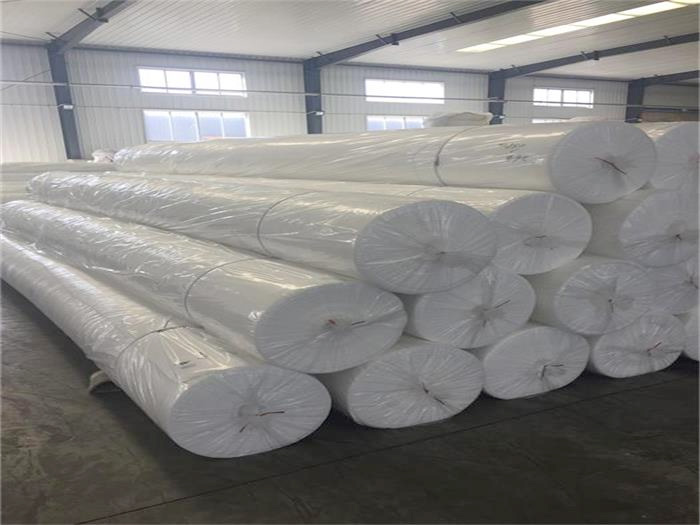
The stabilized material is rolled, edge-trimmed, measured for thickness and width, and wrapped in protective packaging to prevent UV damage during transport. Every batch is cataloged with a unique tracking ID.
Samples from each roll undergo testing at our laboratory. We evaluate physical properties (tensile strength, elongation, puncture resistance) and hydraulic performance (permitivity, apparent opening size) before issuing a certificate of compliance.
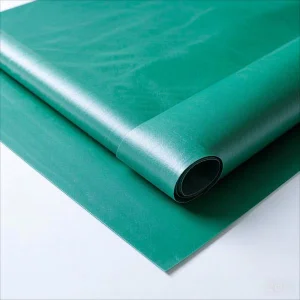
Effective barrier design requires combining mechanical stabilization with reliable hydraulic containment. For projects requiring low permeability, geogrids are often paired with robust lining systems. Selecting and installing the right geomembrane is vital to preventing soil erosion, contamination, and structural damage.
Proper material selection and regular maintenance, including surface cleaning and inspection, prevent damage from UV exposure and environmental wear, ensuring long-term containment performance.
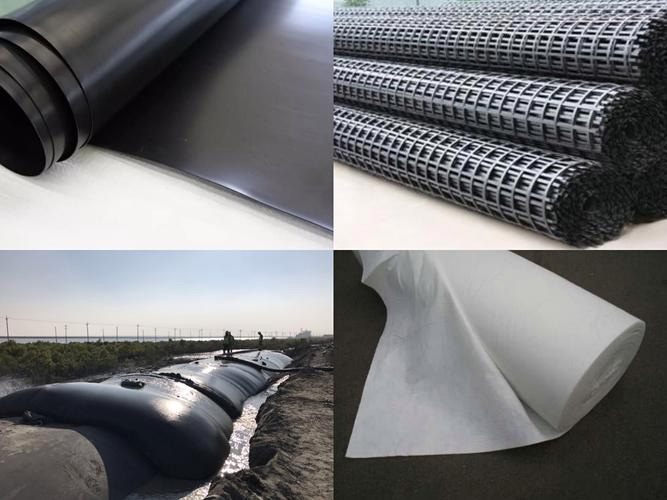
Explore how our geosynthetic components integrate to protect municipal infrastructure, prevent seepage, and stabilize slopes.
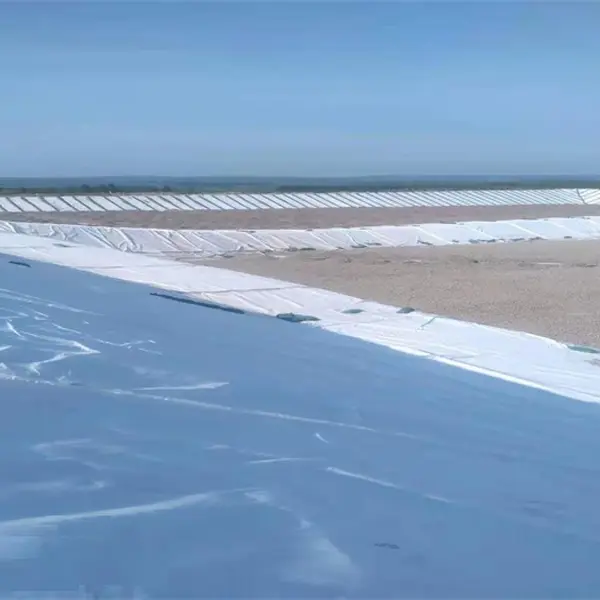
Our geomembranes and geotextiles form low-permeability systems for reservoirs and dams, protecting structural foundations against internal erosion and water loss.
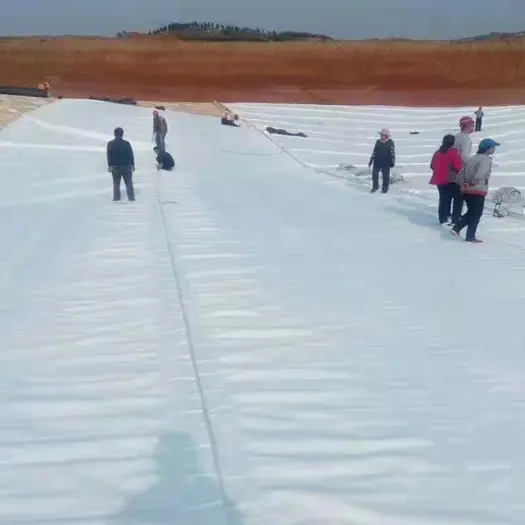
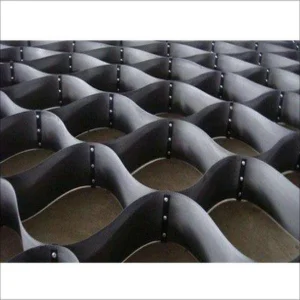
Combining high-strength geocells, concrete blankets, and composite geomembranes prevents riverbank scouring, erosion, and water loss, protecting surrounding infrastructure.
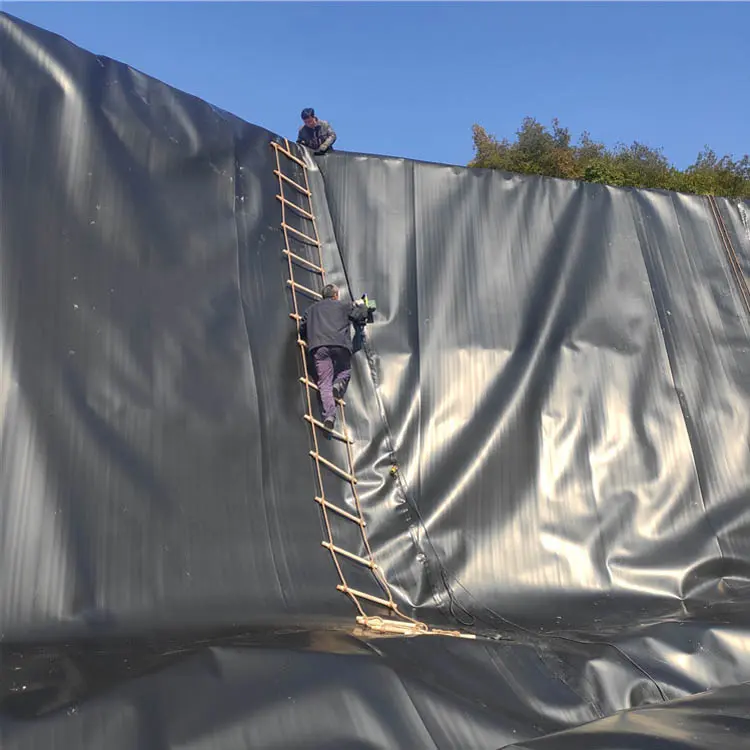
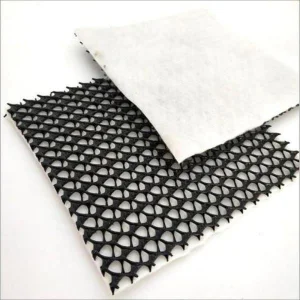
Our multi-layer liner systems, using bentonite blankets (GCL), HDPE geomembranes, and 3D drainage nets, protect groundwater by safely containing leachate.
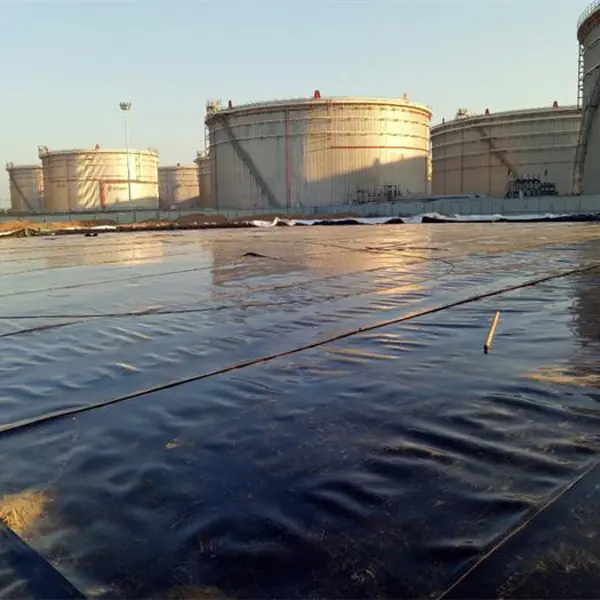
Highly chemical-resistant geomembranes line storage basins to contain accidental chemical spills, protecting local soils and nearby aquifers from contamination.
The field of reinforced earth structures is evolving toward smarter, more sustainable, and longer-lasting materials. Shandong Hongyue is investing in Research and Development to support several next-generation initiatives:
By extending the service life of MSE retaining walls to over 100 years and reducing the dependency on virgin aggregates and heavy concrete structures, geogrid reinforcements help lower project greenhouse gas emissions.
Integrating geogrids allows engineers to utilize local soils as backfill instead of transporting specialized structural fill, saving transit emissions and reducing shipping costs.
Essential guidance for international procurement teams evaluating Chinese geogrid suppliers and logistics workflows.
We ensure all geogrids and geotextiles comply with international testing regimes, including ASTM D6637 (tensile testing of geogrids), ASTM D5262 (creep behavior), and European CE mark standards.
Materials are shipped in UV-resistant protective wrapping. Each roll features a weather-resistant label displaying product type, batch number, production date, and verified tensile rating for complete field traceability.
Our sales team provides detailed cost breakdowns, including FOB, CIF, or DDP pricing. We work with standard international payment structures, such as Letters of Credit (L/C) and Telegraphic Transfer (T/T), backed by full bank guarantees.
Key information regarding geogrid wall design, material selection, and procurement logistics.
Complete your design with our high-grade geocells, composite networks, and waterproofing systems.
 Hongyue