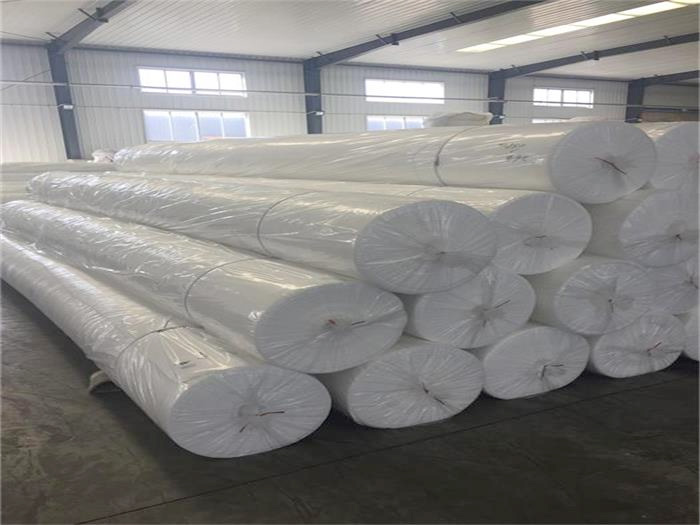
Explore our elite portfolio of geosynthetic materials, composite geocells, and high-performance geotextile products designed to secure, support, and enhance ecological structures worldwide.
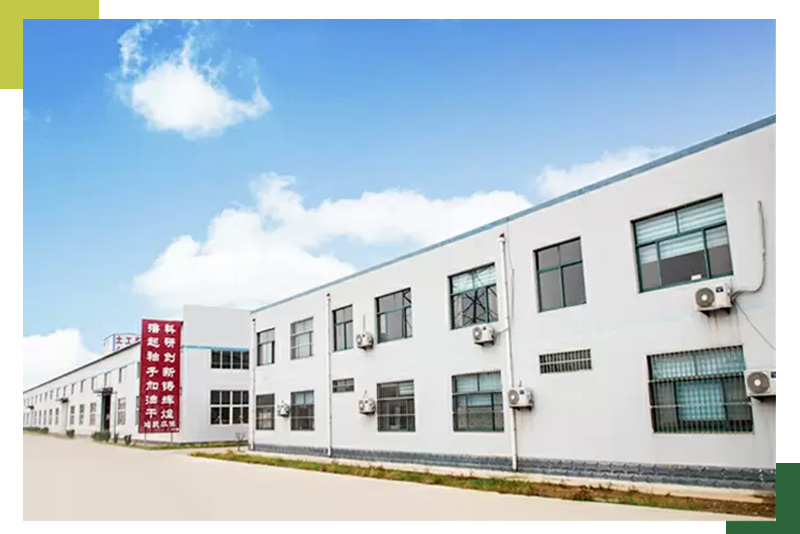
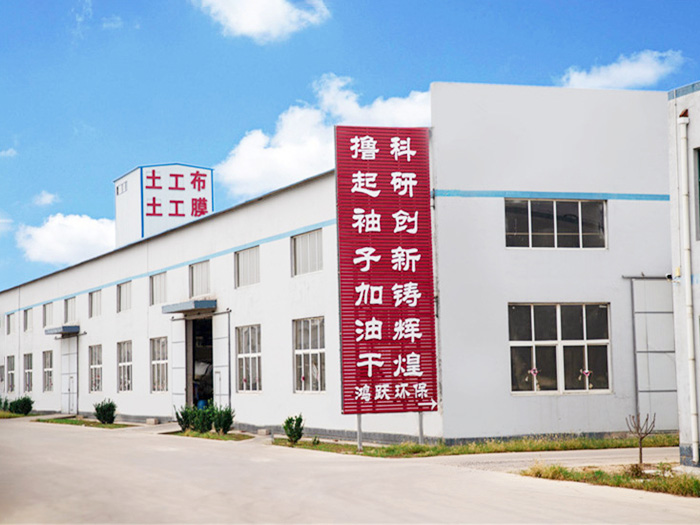
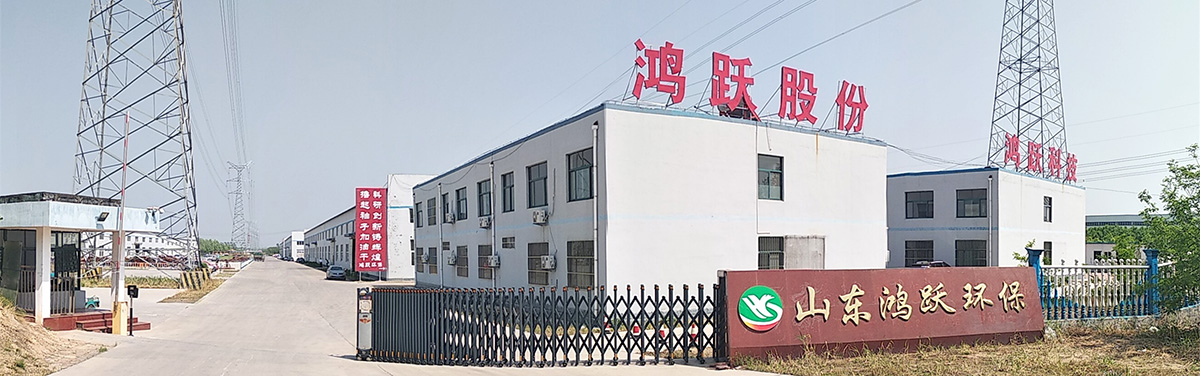
Shandong Hongyue Environmental Engineering Co., Ltd., located at the north end of Fufeng Street, Lingcheng District, Dezhou, Shandong Province, is a scientific and technological geotechnical material manufacturer integrating engineering material production, sales, design and construction services.
The company was registered in Lingcheng District Market Supervision and Administration Bureau of Dezhou City on April 6, 2023, with a registered capital of 105 million yuan. It is one of the largest production bases of geotechnical materials in China at present, located in Lingcheng District, Dezhou, Shandong Province, with superior geographical location and convenient transportation.
We specialize in delivering robust ecological solutions for global water conservancy, environmental protection, infrastructure development, and transportation projects.
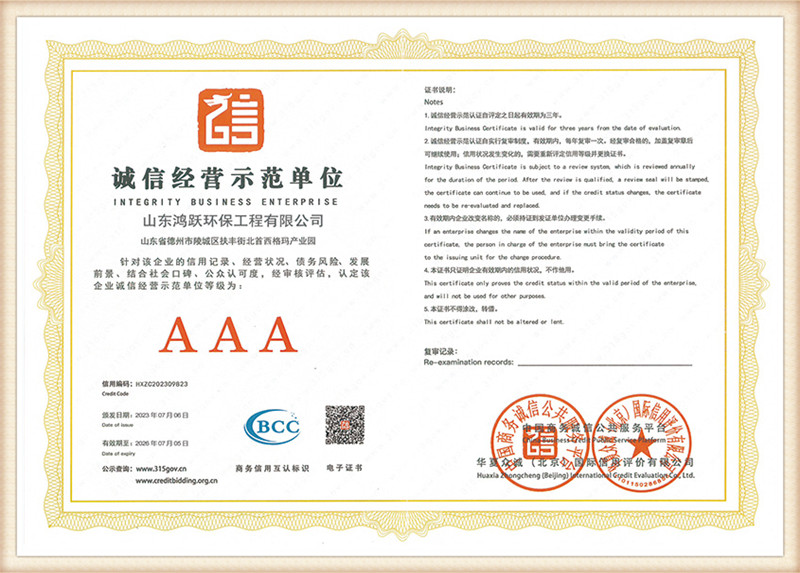
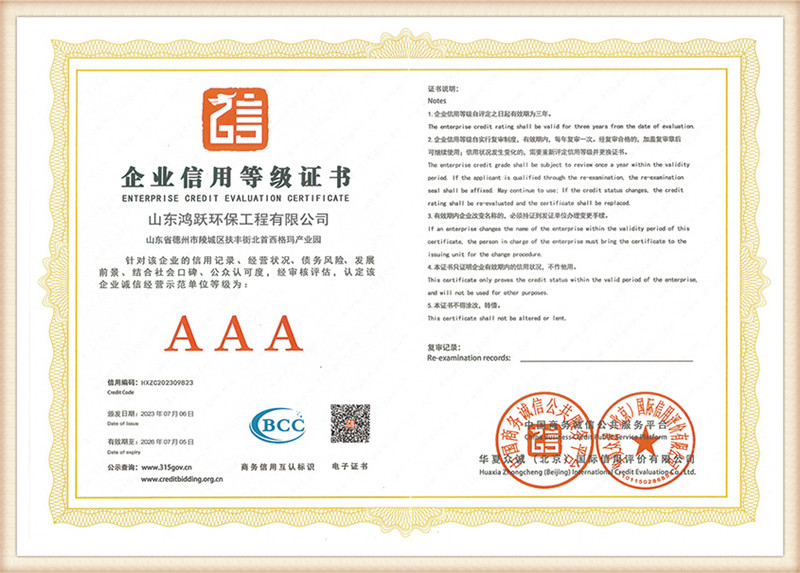
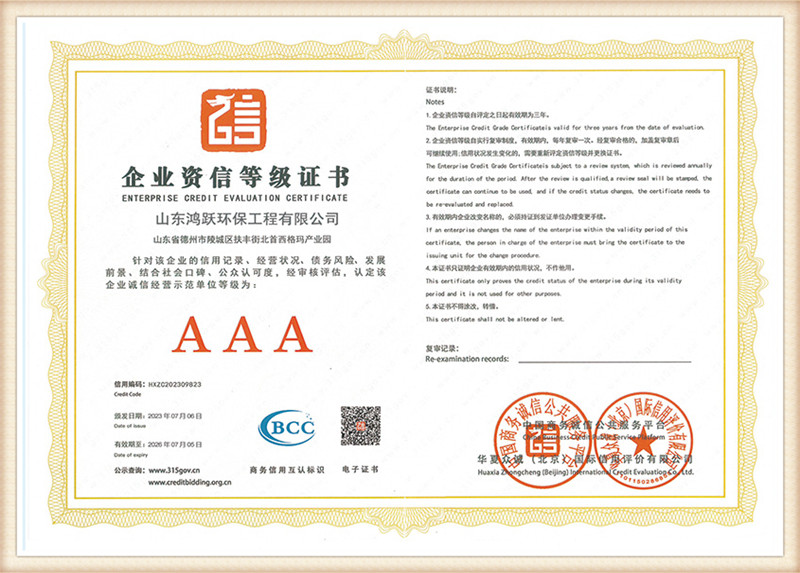
Backed by international systems and structural certifications, we guarantee safety, durability, and outstanding engineering characteristics.
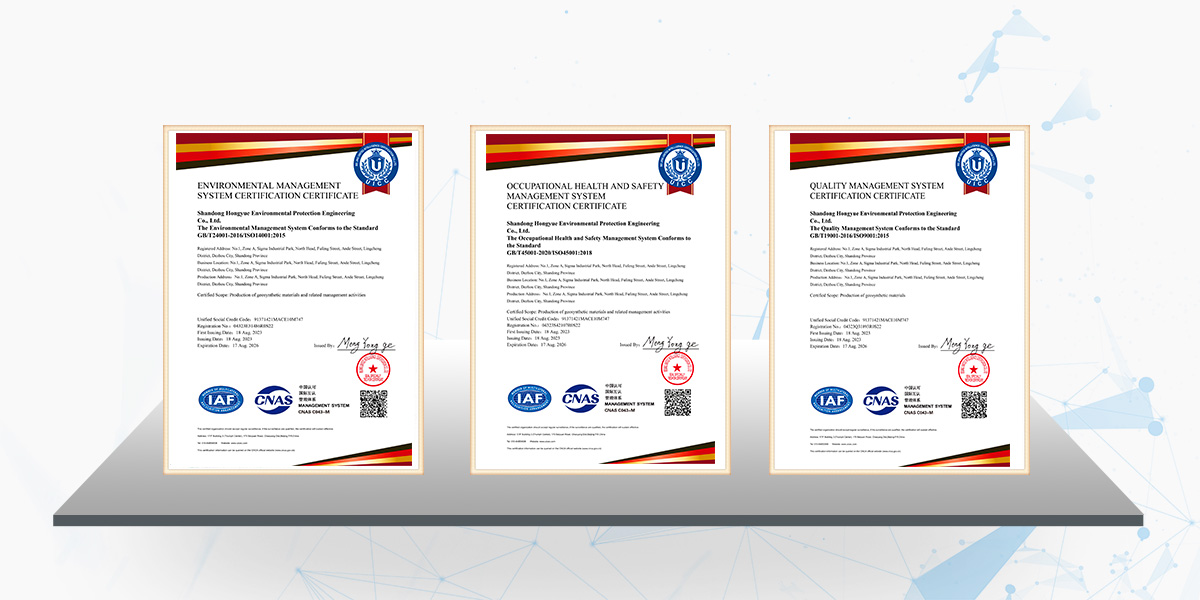
We have successively passed the ISO9001 international quality system certification, ISO14000 environmental system certification, and ISO45001 occupational health and safety management system certification.
Recipient of multiple key honors, including "Green and environmentally friendly building materials products", "No consumer complaints", "Famous Chinese brands", and "High-tech industries".
Our products are exported to multiple countries and regions, including Europe, the United States, Australia, and various parts of the country, ensuring reliable international logistics.
How geotechnical engineering addresses urban development, ecological degradation, and flood control systems.
In the era of climate adaptation and green infrastructure mandates, traditional concrete structural interfaces are increasingly replaced or augmented by geosynthetic solutions. Eco Bags (Ecological Geotextile Bags) represent a cornerstone in modern bioengineering. These systems are specifically designed as high-strength, UV-resistant non-woven containers that host soil, seeds, and root-support matrices to establish permanent, vegetated structural barriers.
Eco bags serve a massive macro-industry role by transitioning engineered infrastructure from rigid, non-porous systems into flexible, living structures. They allow natural filtration, mitigate hydrostatic pressure, and support local ecosystems. Whether utilized for highway embankments, river bank stabilization, or coastal protective walls, the integration of eco bags ensures high structural integrity and local biodiversity promotion.
Shandong Hongyue Environmental Engineering Co., Ltd. sits at the heart of this global industrial supply chain. Our business encompasses geosynthetics, waterproofing membranes, geocells, and woven/non-woven eco-bag solutions, designed to withstand rigorous geological and atmospheric conditions.
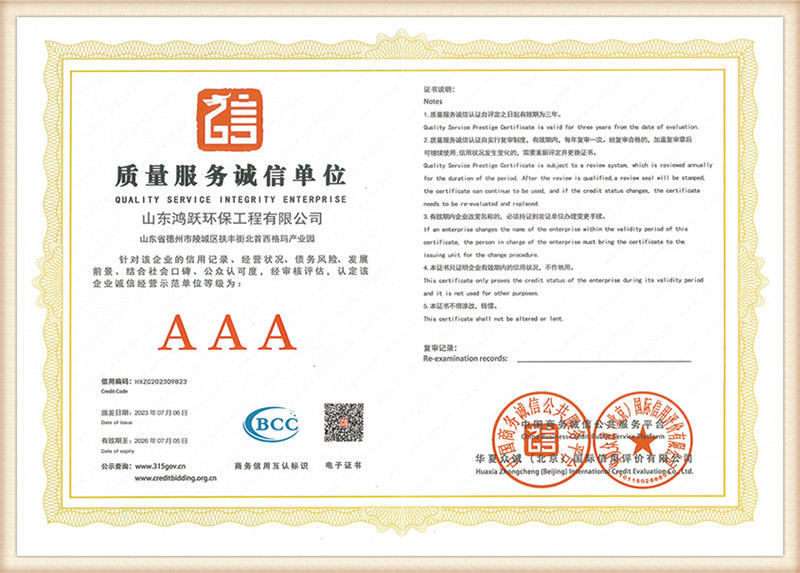
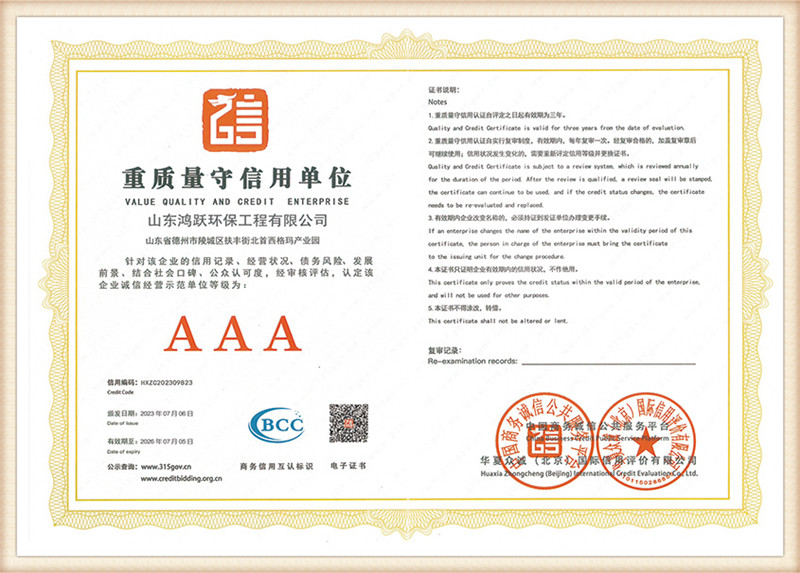
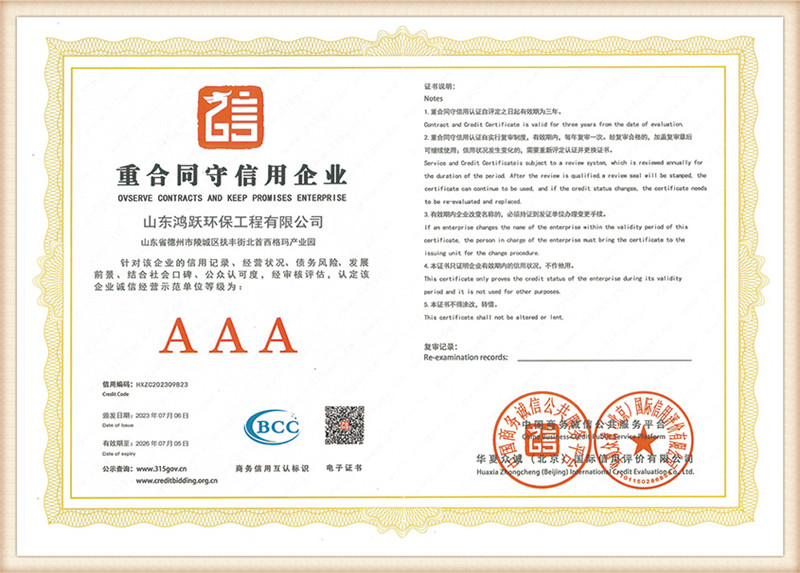
Exporting cutting-edge geotechnical engineering solutions from Dezhou, Shandong, to markets worldwide.
Urban density, severe weather events, and stringent environmental laws have driven up global demand for specialized geosynthetics. Large-scale infrastructure projects require suppliers capable of scaling production rapidly while ensuring strict certification adherence. As a leading manufacturer of geomembranes, composite geogrids, and eco-bag modules, Shandong Hongyue supports international project parameters by maintaining local sales and consulting networks in major logistical hubs like Shanghai and Beijing.
Our global footprint spans from Europe and the United States to Australia, where we assist project engineers in selecting the right geosynthetics for local soil properties and environmental requirements. In cold regions, our products are engineered to resist freeze-thaw degradation, while in tropical regions, they are optimized for intense UV radiation and microbiological attacks. These customized solutions have positioned Shandong Hongyue as a trusted partner for international environmental engineering projects.
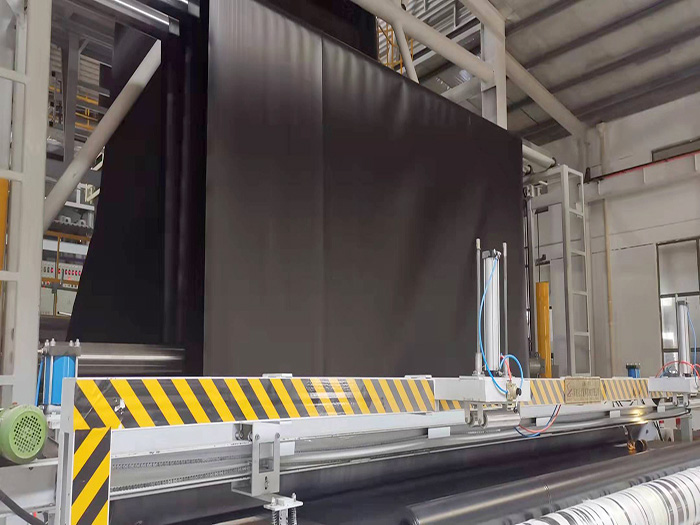
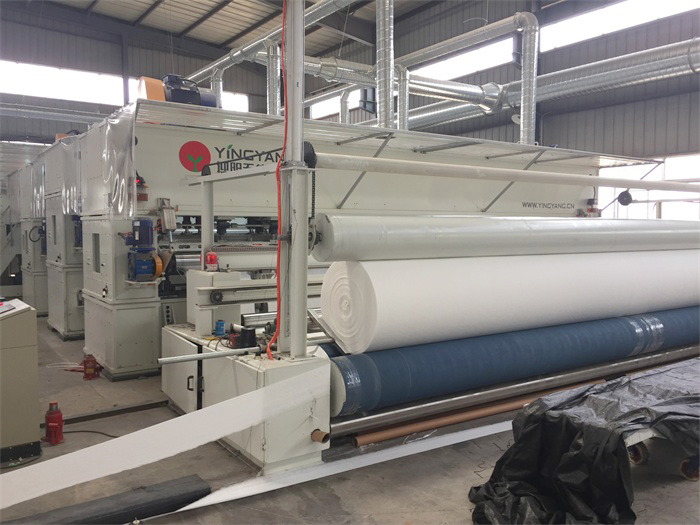
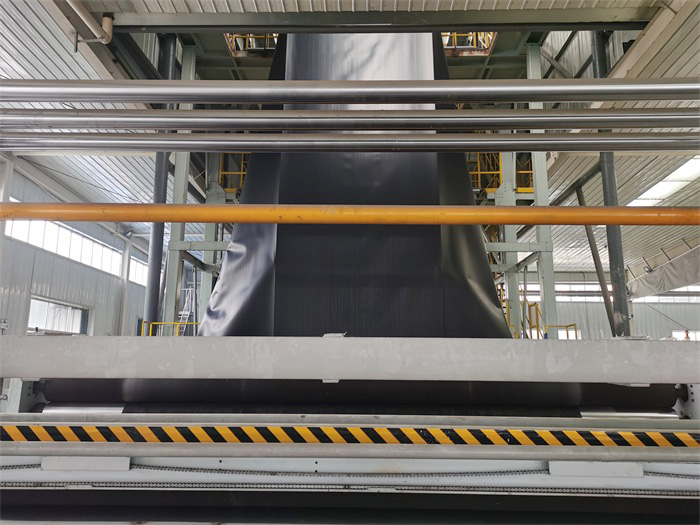
Walk through the advanced factory floor where Shandong Hongyue manufactures international standard geosynthetics.
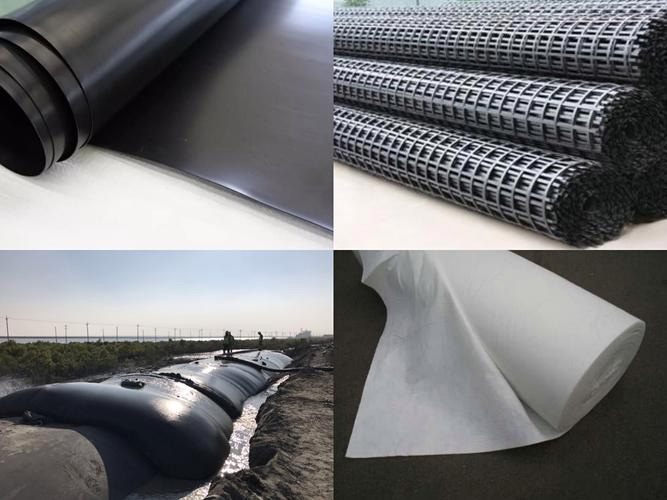
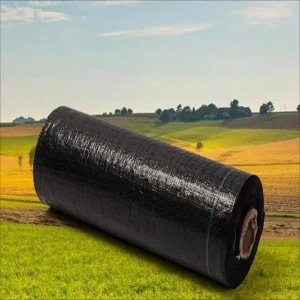
Our systems cater to four functional categories: Impermeability, Protection, Reinforcement, and Water Stop.
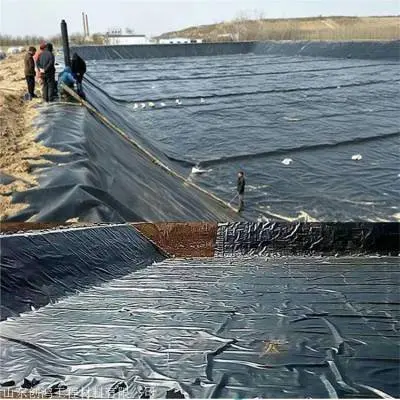
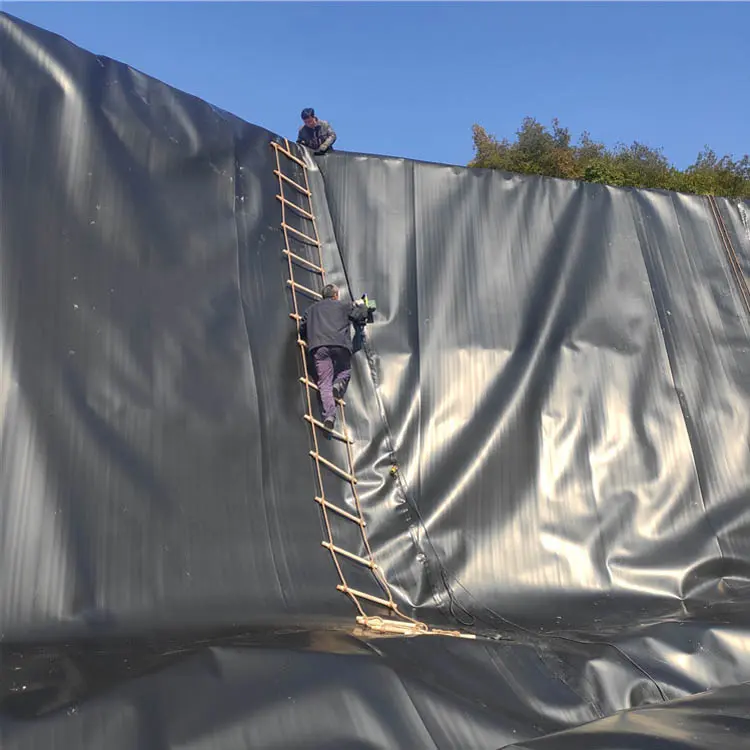
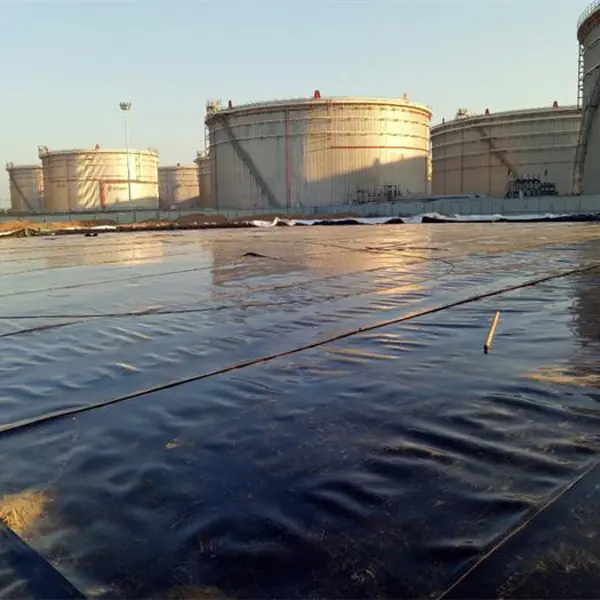
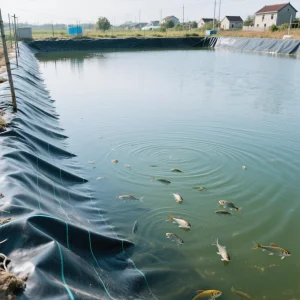
Designed to prevent water loss and protect aquaculture beds with high-density HDPE membranes.
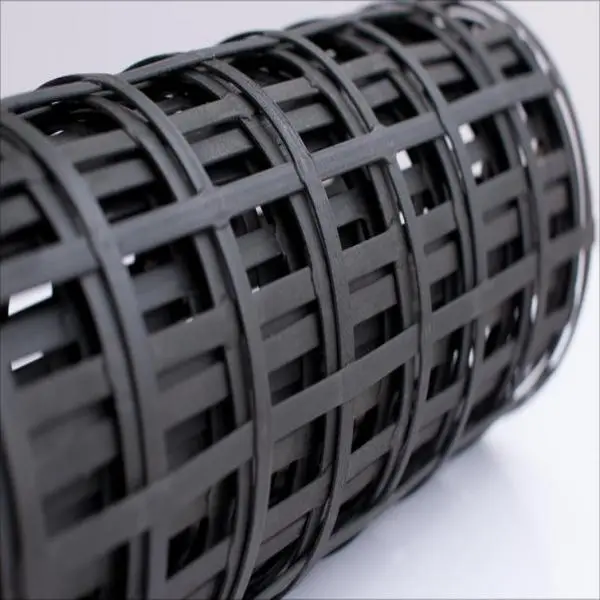
Composite grid with steel wires and polymer wrapping for extreme civil engineering support.
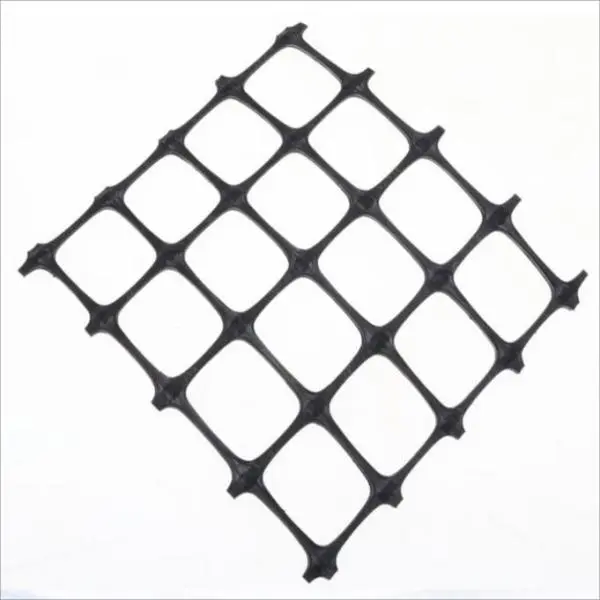
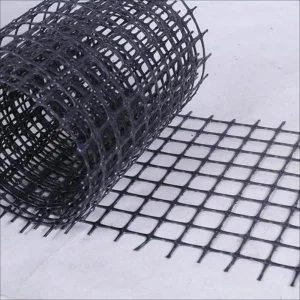
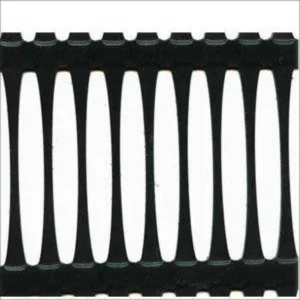
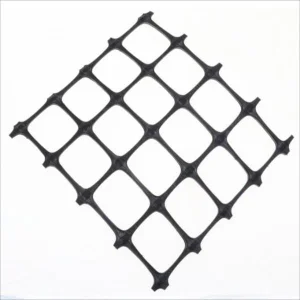
Uniaxially and biaxially stretched grids for slope stabilization and roadbed reinforcement.
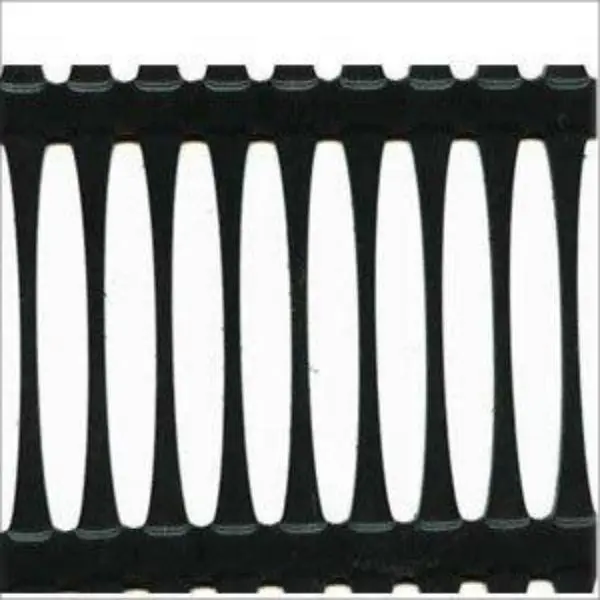
Unidirectional tension structural element designed for retaining wall stability.
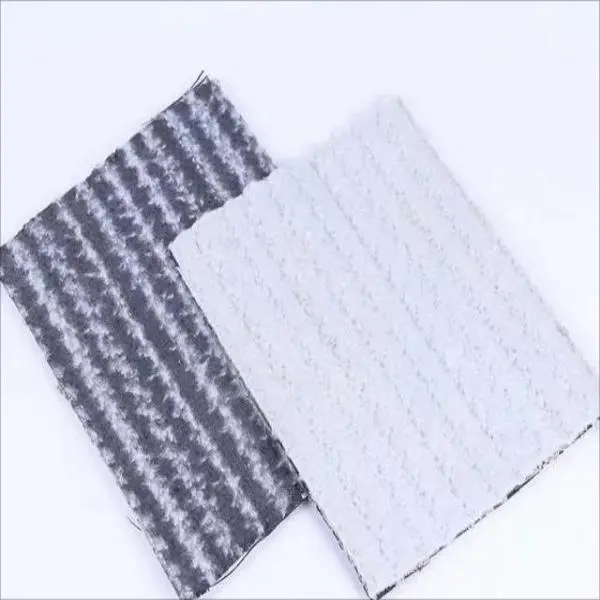
Rapid concrete canvas solution that hardens upon hydration for instant canal lining.
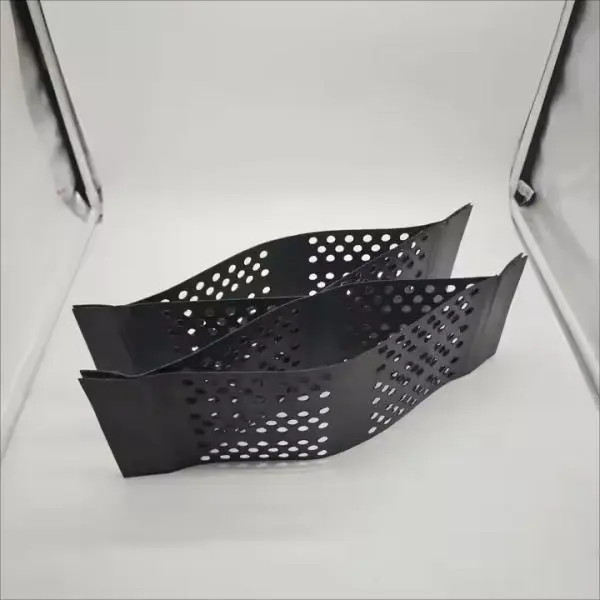
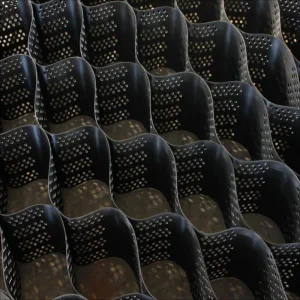
Three-dimensional cell structure to restrict lateral displacement of fill materials.
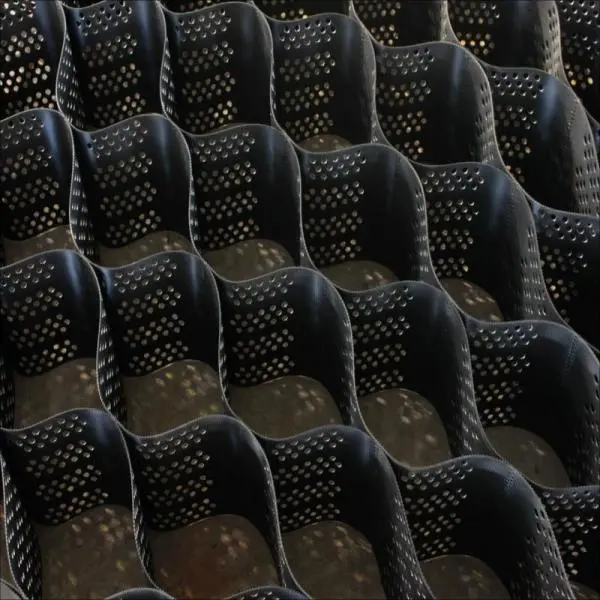
Premium High-Density Polyethylene geocells for load-bearing and erosion mitigation.
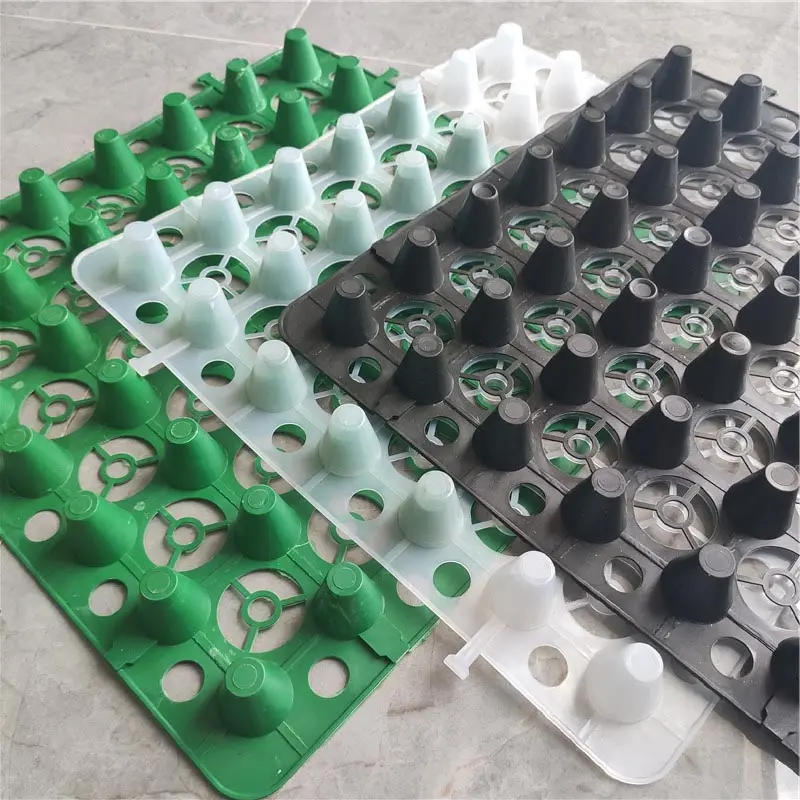
Optimized for garage roofs and green buildings to store and drain excess water efficiently.
Providing engineered systems for hydraulic containment, waste management, and industrial fluid control.
A step-by-step look at how raw polymers are processed into high-strength geotechnical membranes and structures.
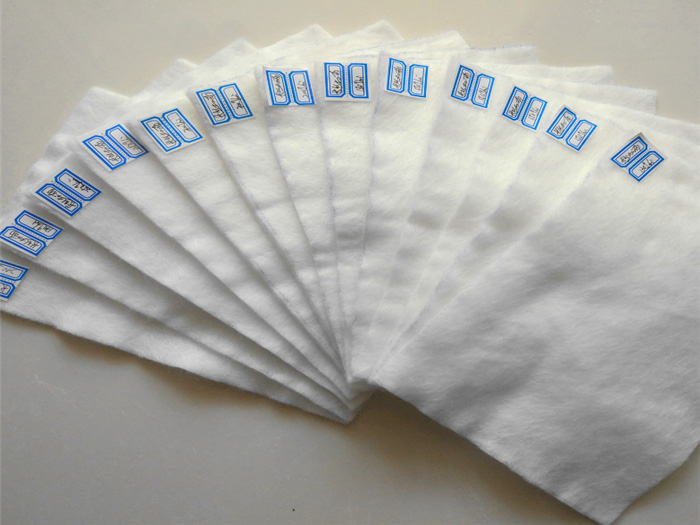
Polyester chips, polypropylene filaments, and viscose fibers are inspected and organized to ensure high chemical purity and physical stability before entering production lines.
Polymers are melted at high temperatures and extruded through a screw mechanism. Custom additives are introduced to enhance UV resistance and prevent oxidation.
The molten material is extruded through spinnerets to form fine fibers, which are laid down on conveyor belts to create a uniform, multi-directional web structure.
The web passes through heat rollers and needle-punching systems to mechanically interlock the fibers, increasing tensile strength and ensuring uniform hydraulic conductivity.
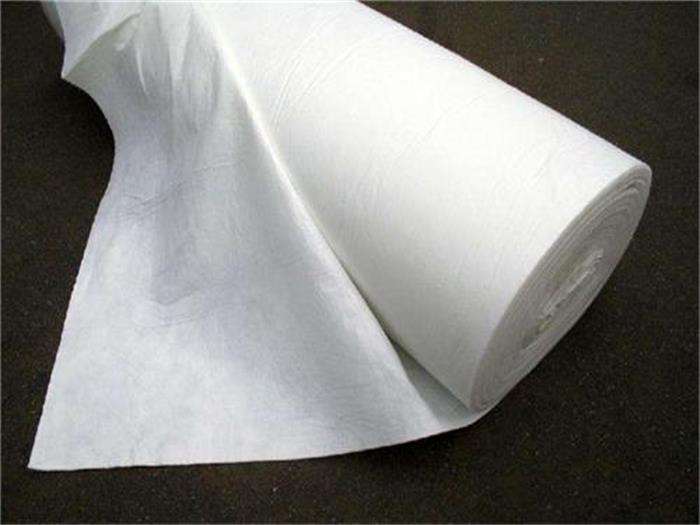
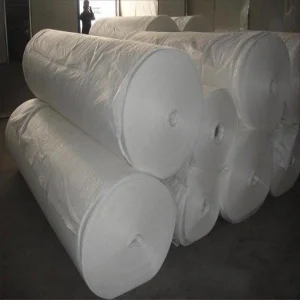
Finished materials are rolled, measured for width and density compliance, and wrapped in protective covers to shield them from UV exposure during transit.
Samples from every batch undergo mechanical testing, including grab tensile strength, CBR puncture resistance, and opening size assessments before shipment dispatch.
Best practices for selecting, laying, and maintaining geomembrane and eco-bag systems.
Choosing the correct geomembrane formulation directly impacts project life. High-Density Polyethylene (HDPE) is preferred for its chemical resistance and durability in landfills, while Linear Low-Density Polyethylene (LLDPE) provides the flexibility needed for applications prone to structural settlement.
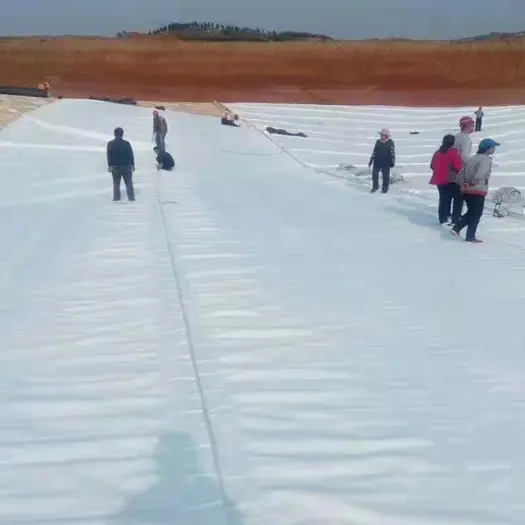
The subgrade must be cleared of stones, roots, and debris that could puncture the liner. Laying should account for temperature variations; liners should not be pulled too tight during cold weather to allow for contraction. Seam welding must be done by certified technicians using wedge welders, followed by non-destructive pressure testing.
Routine inspections help detect early signs of displacement or mechanical damage. Covering liners with a protective geotextile layer or soil buffer shields them from UV rays and extends their service life.
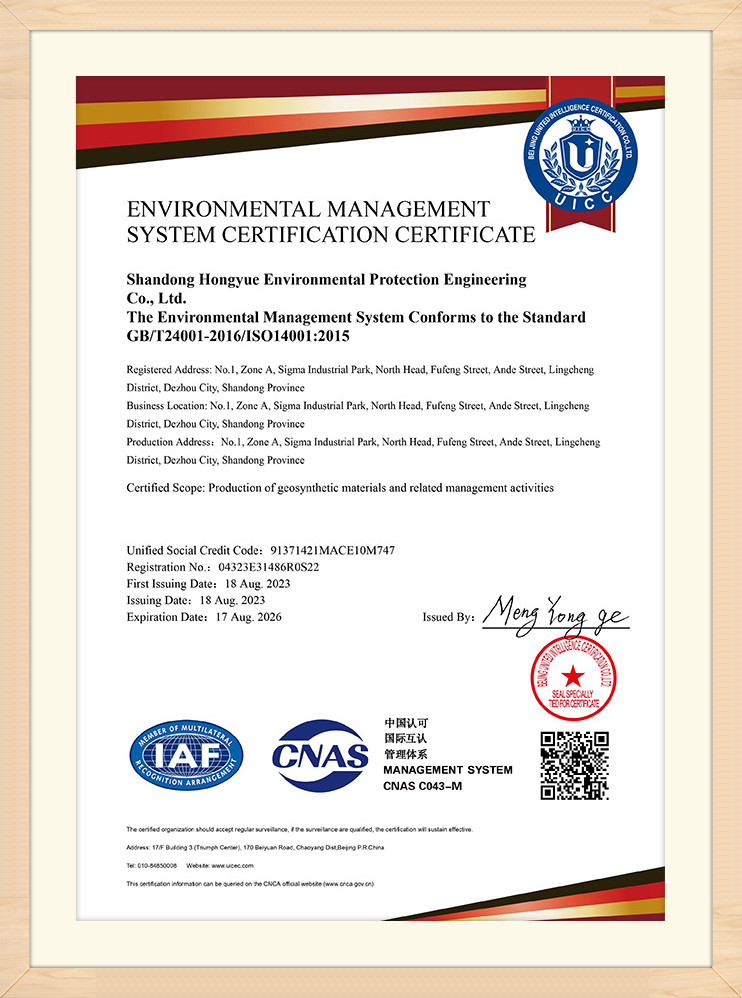
We subject our products to rigorous testing to meet international engineering standards.
Our production facilities operate under ISO 9001 and ISO 14001 frameworks, ensuring consistent quality control and traceability from raw materials to finished products.
All geosynthetics are certified by the China National Testing Center, meeting and often exceeding national parameters for tensile strength and puncture resistance.
We regularly send product samples to independent global testing facilities, ensuring compliance with ASTM and EN standards for international markets.
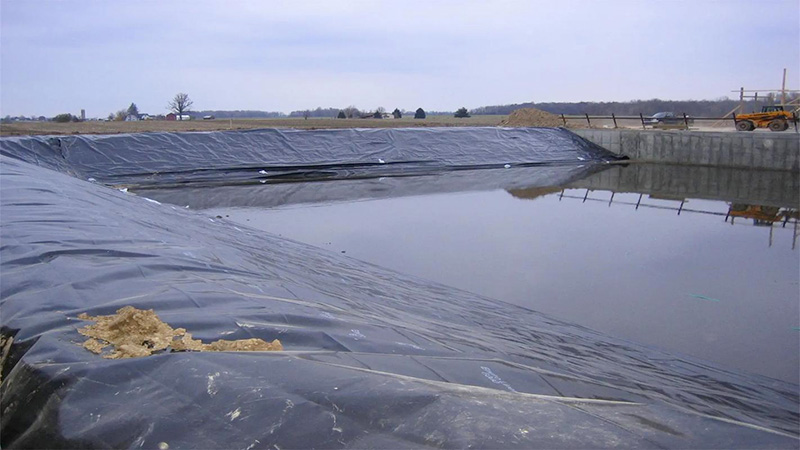
Real-world applications of geomembranes and geotextiles in civil engineering.
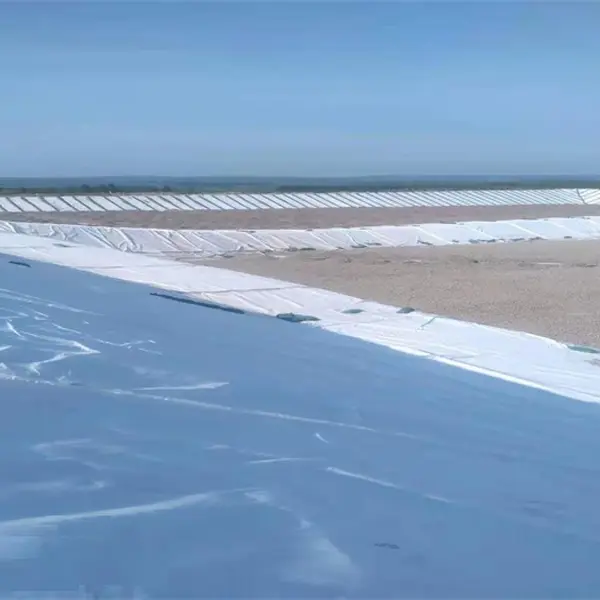
In large reservoir installations, subgrade shifting can strain containment liners. Applying a combination of non-woven geotextile cushions and high-puncture-resistant geomembranes protects the barrier from sharp rock formations under high hydrostatic pressure.
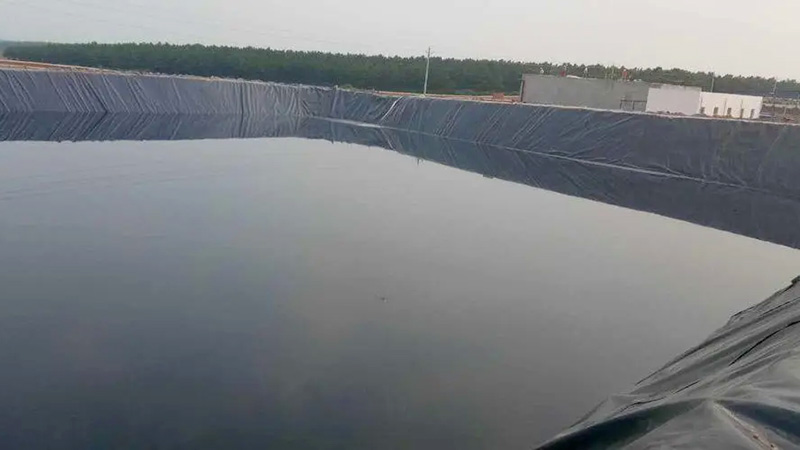
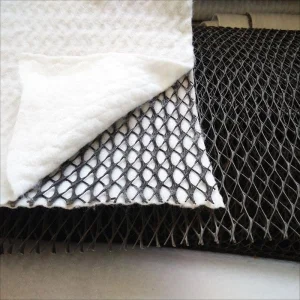
Levees protect low-lying areas from flooding but are vulnerable to internal erosion. Installing composite drainage nets and soil containment geocells stabilizes the slope, prevents internal soil migration, and allows vegetation to establish.
To control erosion along channels with high-velocity flows, we use a combined system of structured geocells and vegetative eco-bags. This configuration stabilizes the banks and supports plant growth, restoring local river ecosystems.
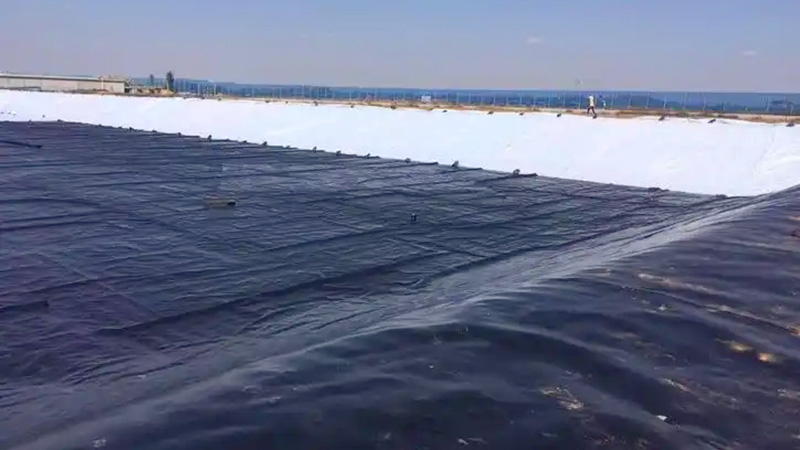
Our field engineering teams conduct on-site seam checks and soil compaction tests. Standardizing these verification procedures helps prevent leaks and ensures long-term performance across different soil types.
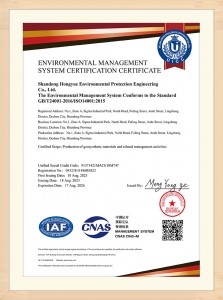
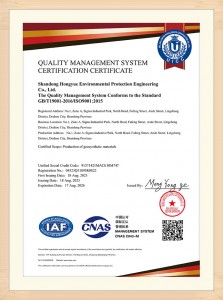
Meeting regional standards for environmental protection and structural engineering.
Industrial projects must comply with regional environmental regulations. For example, European Union projects typically require strict CE marking and compliance with EN standard test suites for geotextiles (such as EN ISO 10319 for tensile testing). In contrast, projects in the United States follow ASTM specifications (such as ASTM D4595 for wide-width tensile properties) and often require EPA-compliant leachate containment profiles.
In Australia and New Zealand, geosynthetics must meet local guidelines (like those from the Geosynthetics Association of Australasia) with a focus on long-term UV resistance to handle the high UV index in the region. Shandong Hongyue customizes polymer blends and stabilizers for different target regions, ensuring compliance with local import standards, environmental laws, and engineering requirements.
Common questions regarding procurement, technical specifications, and logistics for our geosynthetic products.
Browse our complete range of geosynthetics, geogrids, and drainage solutions designed for environmental and civil engineering projects.
 Hongyue