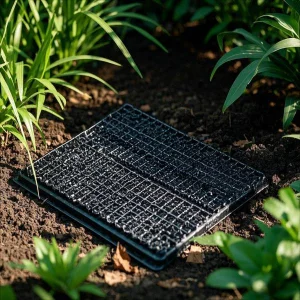
Explore our core engineering product line manufactured in our state-of-the-art facilities. These premium-grade materials guarantee superior soil reinforcement, waterproofing protection, and infrastructure stability worldwide.
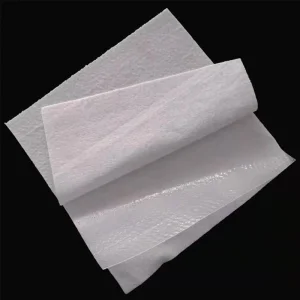
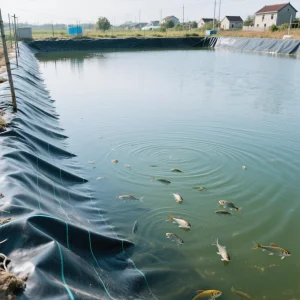
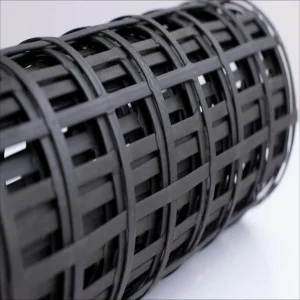
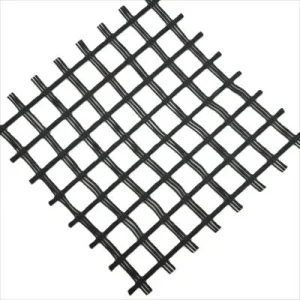
In modern highway and pavement engineering, reflection cracking, rutting, and moisture damage represent major causes of premature pavement failure. A Fiberglass Geogrid is a planar structural material woven from high-modulus, alkali-free fiberglass roving, coated with a protective polymer layer (typically an elastomeric bitumen or modified styrene-butadiene rubber copolymer). This creates a secure bond with the asphalt concrete matrix.
Woven using high-tenacity, low-elongation E-glass fibers, providing ultimate tensile strength (up to 200 kN/m) and elastic modulus matching or exceeding asphalt concrete (approximately 70 GPa).
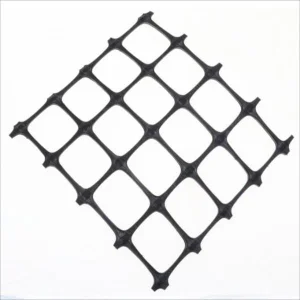
The grid structure features open apertures (typically 25.4mm or 40mm) that allow asphalt aggregates to lock into the spaces. This maximizes load transfer across crack planes and reduces shear failure.
Unlike polymer alternatives, fiberglass withstands installation temperatures up to 800°C. It is unaffected by hot-mix asphalt (HMA) laydown temperatures, acidic subgrades, or chemical spills.
By acting as a stress-absorbing layer, fiberglass geogrids distribute horizontal shear stresses and vertical heavy wheel loads over a wider area. This directly halts the upward propagation of cracks from degraded concrete bases to the new asphalt surface. According to field evaluations, installing custom fiberglass geogrids can extend the pavement fatigue life by up to 300% to 400%, lowering lifetime highway maintenance overheads.
Different civil engineering conditions demand specific geogrid properties. A professional manufacturer must customize the material's geometry, coating chemistry, and tensile capacities to suit localized soil conditions, aggregate gradations, and asphalt mixes.
| Property / Specification Parameter | Biaxial 50 kN/m (Standard) | Biaxial 100 kN/m (High-Load) | Composite Geogrid + Geotextile | Custom Tailored Range |
|---|---|---|---|---|
| Tensile Strength (MD / CMD) | ≥ 50 / 50 kN/m | ≥ 100 / 100 kN/m | ≥ 50 / 50 kN/m (Geogrid base) | 25 kN/m up to 250 kN/m |
| Elongation at Break | ≤ 3.0 % | ≤ 3.0 % | ≤ 4.0 % | Customized low-strain options |
| Aperture Size (Grid Mesh) | 25.4 mm x 25.4 mm | 25.4 mm x 25.4 mm | 40 mm x 40 mm (Typical) | 12.7 mm up to 50 mm |
| Coating Binder Material | Self-Adhesive Bitumen | Polymicro-Modified SBR | Asphalt-Compatible Polymer | PVC, Acrylic, Bituminous, Self-Adhesive |
| Geotextile Composite Backing | N/A | N/A | 50g/m² PP Spunbond geotextile | 10g/m² to 150g/m² nonwoven pet/pp |
| Roll Dimensions | 3.95m x 100m | 3.95m x 100m | 3.95m x 50m | 1.0m to 6.0m widths available |
Customizations often involve applying a pressure-sensitive self-adhesive layer on the underside. This allows installation directly onto the milled asphalt surface without structural nails or extensive tack coats, which speeds up construction and minimizes lane closure times.
Geographic variations in climate, heavy traffic load profiles, and regional geotechnical features necessitate tailored applications of custom fiberglass geogrids.
When laying asphalt over worn jointed concrete pavements (JCP), thermal expansions and load displacements trigger vertical shear stresses at the joints. Placing a custom bitumen-coated fiberglass geogrid over the concrete joints creates a stress-relief interlayer. This prevents reflection cracks from propagating into the new asphalt surface.
Airports face extreme dynamic wheel loads from commercial aircraft. Custom fiberglass geogrids are installed in runway extensions and taxiway paving layers. They enhance the bearing capacity, prevent deep rutting under static waiting loads, and maintain structural integrity during extreme thermal shifts.
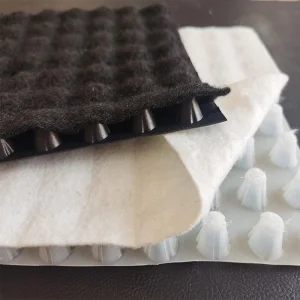
Widening roads leads to differential settlement between the old roadbed and the new extension subgrade. Laying a composite fiberglass geogrid with a nonwoven geotextile backing seals the longitudinal joint. This distributes tensile stresses across the interface, preventing longitudinal cracking along the boundary.
In urban areas with soft subgrade clays, fiberglass geogrids are placed at the base-subbase interface to reduce the required aggregate base thickness by up to 30%. This reduces excavation costs and shortens construction timelines, providing long-term structural durability.
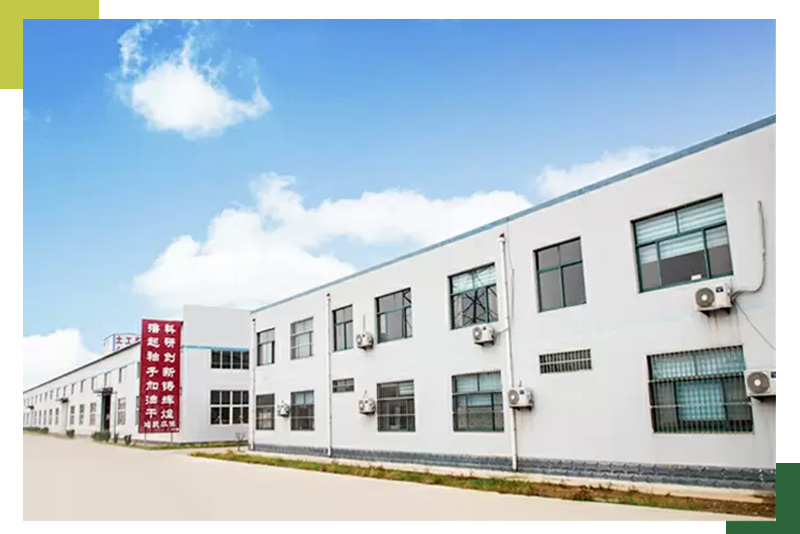
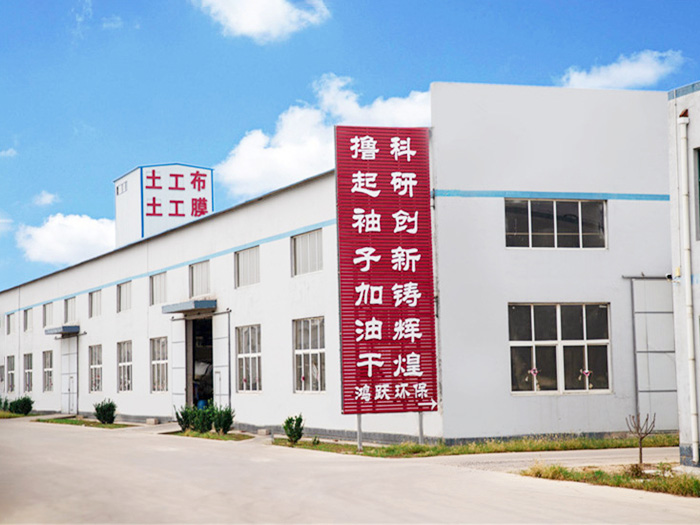
Shandong Hongyue Environmental Engineering Co., Ltd., located at the north end of Fufeng Street, Lingcheng District, Dezhou, Shandong Province, is a scientific and technological geotechnical material manufacturer integrating engineering material production, sales, design and construction services. The company was registered in Lingcheng District Market Supervision and Administration Bureau of Dezhou City on April 6, 2023, with a registered capital of 105 million yuan.
It is one of the largest production bases of geotechnical materials in China at present, located in Lingcheng District, Dezhou, Shandong Province, with superior geographical location and convenient transportation. Since the establishment of the company has developed rapidly, business continues to grow and expand, our company mainly deals in geotextiles, geomembrane, composite geomembrane, waterproof board, bentonite waterproof blanket, 3D composite drainage net, (composite) drainage board, weaving cloth, woven cloth, membrane bags, blind ditches, waterproof and drainage combinations, woven bags, ecological bags, cement blankets, fiber plants blankets, geotextiles, flexible pervious pipes, business includes geosynthetics, waterproofing membrane production, sales, construction, import and export of goods.
We have high quality products and professional sales and technical team. Our company belongs to the Dezhou Geotextile Association, and products are widely used in highways, railways, bridges and tunnels, reservoirs and canals water conservancy, artificial lakes, environmental protection, aviation, mining, agriculture, and other fields.
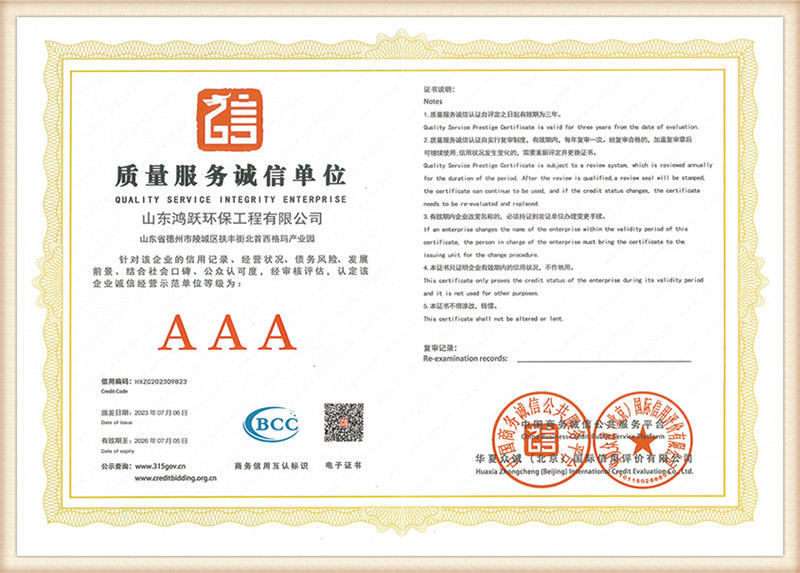
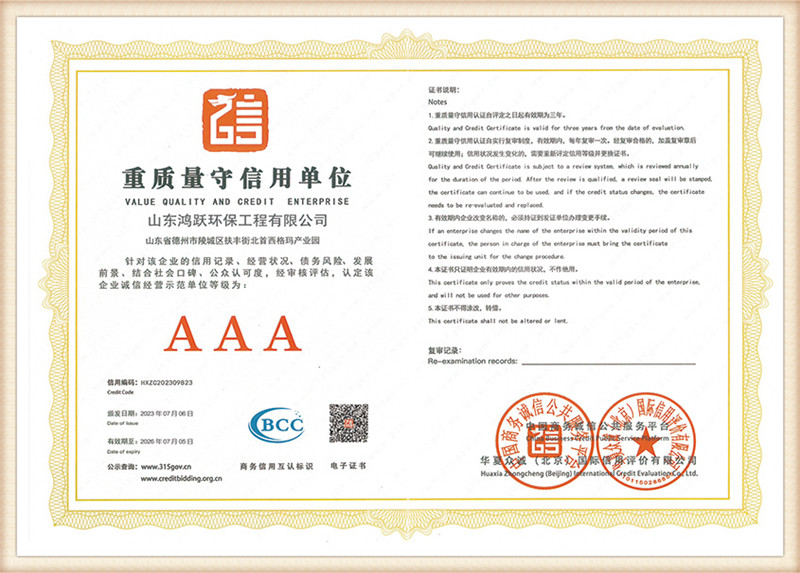
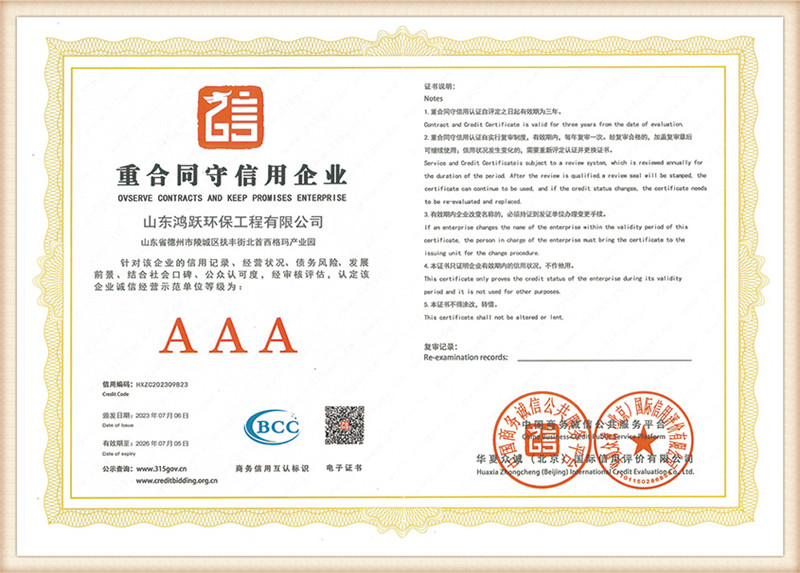
The company has successively passed the ISO9001 international quality system certification, ISO14000 environmental system certification, and ISO45001 occupational health and safety management system certification, and has won multiple honors such as "green and environmentally friendly building materials products", "no consumer complaints", "famous Chinese brands", "high-tech industries", "quality service double excellent units", and "provincial-level poverty alleviation leading enterprises".
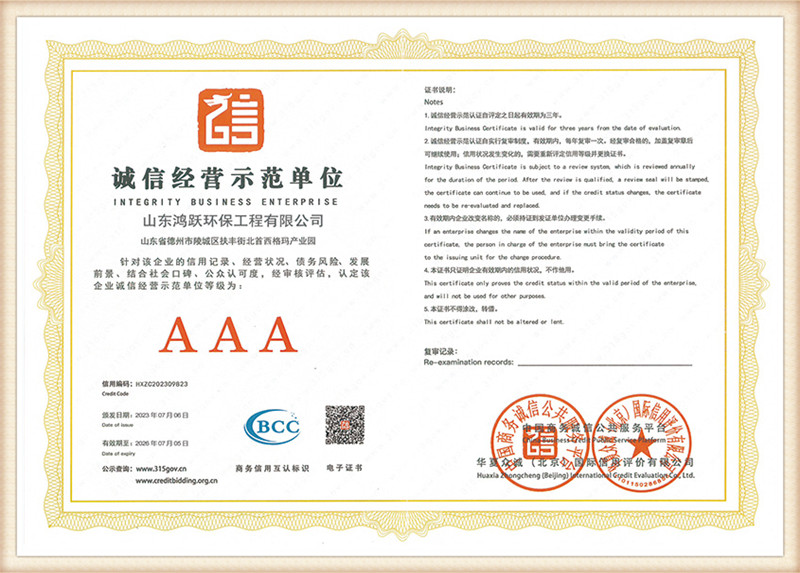
The company has established sales networks or agency agencies in more than 40 large and medium-sized cities such as Shanghai and Beijing, and its products are exported to multiple countries such as Europe, the United States, Australia, and various parts of the country. The products are widely used in key projects in various provinces and cities.
Our manufacturing operations prioritize technical control and testing to ensure consistent mechanical performance.
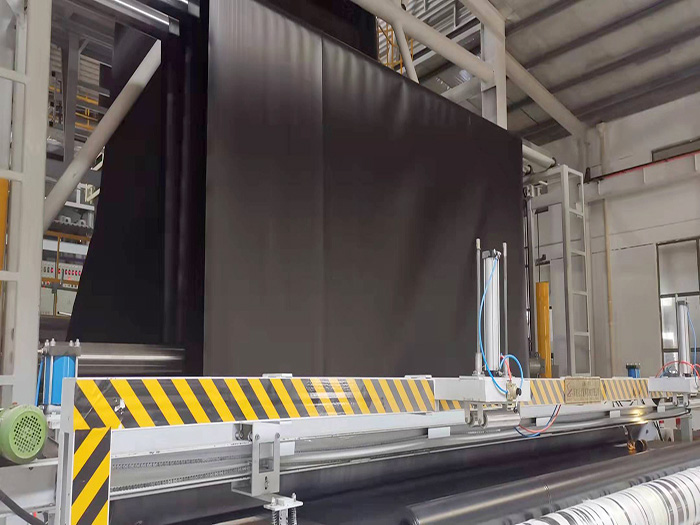
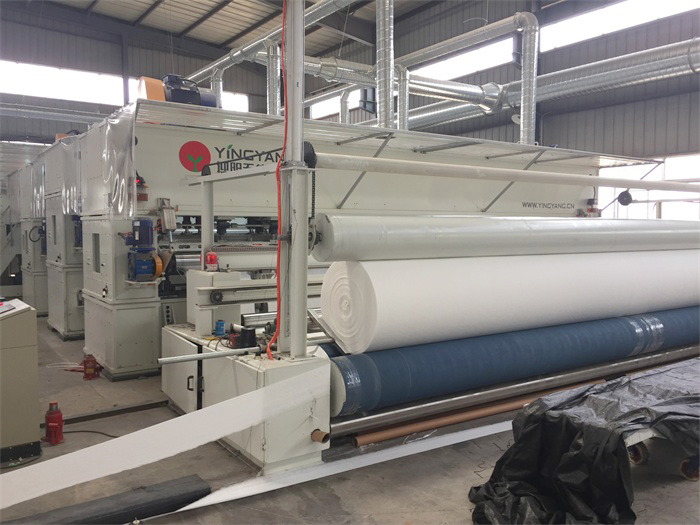
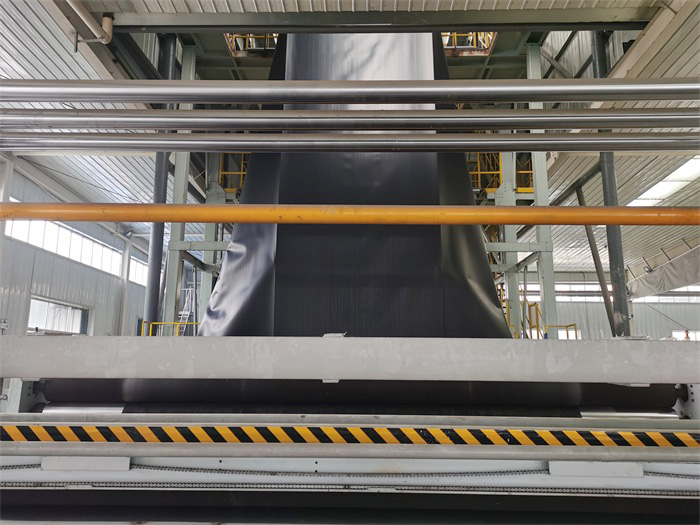
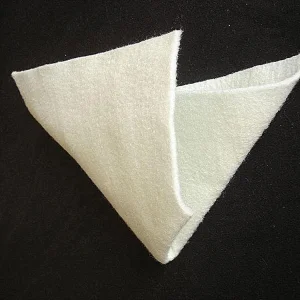
Geotextile is widely used in civil engineering materials, with filtration, isolation, reinforcement, protection and other functions, its production process includes raw material preparation, melt extrusion, mesh rolling, draft curing, winding packaging and inspection steps, need to go through multiple links of processing and control, but also need to consider its environmental protection and durability and other factors. Modern production equipment and technology have been widely used, making the production efficiency and quality of geotextiles have been significantly improved.
The main raw materials of geotextile are polyester chips, polypropylene filament and viscose fiber. These raw materials need to be inspected, arranged and stored to ensure their quality and stability.
After the polyester slice is melted at high temperatures, it is extruded into a molten state by a screw extruder, and polypropylene filament and viscose fiber are added for mixing. In this process, the temperature, pressure and other parameters need to be precisely controlled to ensure the uniformity and stability of the melting state.
After mixing, the melt is sprayed through the spinneret to form a fibrous substance and form a uniform network structure on the conveyor belt. At this time, it is necessary to control the thickness, uniformity and fiber orientation of the mesh to ensure the physical properties and stability of the geotextile.
After laying the net into rolls, it is necessary to carry out draft curing treatment. In this process, the temperature, speed and draft ratio need to be precisely controlled to ensure the strength and stability of the geotextile.
The geotextile after draft curing needs to be rolled up and packed for subsequent construction. In this process, the length, width and thickness of the geotextile need to be measured to ensure that it meets the design requirements.
At the end of each production link, the quality of geotextile needs to be inspected. The inspection contents include physical property test, chemical property test and appearance quality test. Only geotextiles that meet the quality requirements can be used in the market.
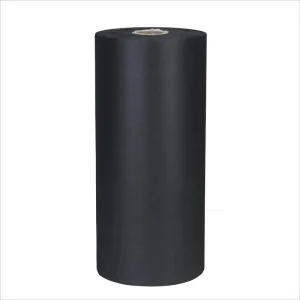
Geomembrane is a kind of material widely used in engineering projects, which has the functions of seepage prevention, isolation and reinforcement. This paper will introduce the application technology of geomembrane, including selection, laying and maintenance.
It is very important to choose the suitable geomembrane. Here are some key points to choose geomembrane:
• Material properties: Geomembranes are divided into different materials, such as high density polyethylene (HDPE) and linear low density polyethylene (LLDPE). Select the appropriate material according to the engineering requirements.
• Thickness: Select the appropriate thickness according to the needs of the project. The thickness of the geomembrane is usually 0.3mm to 2.0mm.
• Impermeability: Ensure that the geomembrane has good impermeability to prevent water in the soil from penetrating into the project.
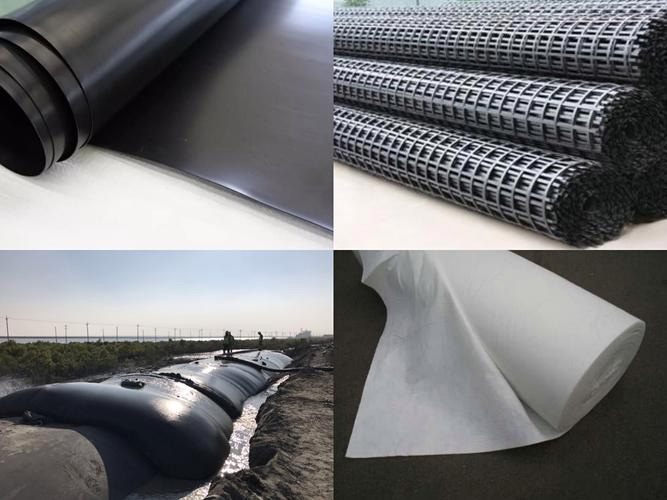
The laying of geomembrane needs to follow certain steps and techniques:
• Land preparation: Ensure that the land where the geomembrane is laid is level and clean, and sharp objects and other obstacles are removed.
• Laying method: Geomembrane can be covered laying or folding laying. Select the appropriate laying method according to the project requirements.
• Joint treatment: Joint treatment is performed at the joint of the geomembrane to ensure that there is no leakage at the joint.
• Fixing method: Use fixed parts to fix the geomembrane and ensure that it is closely attached to the ground.
Maintenance of geomembrane can extend its service life and function:
• Cleaning: Regularly clean the surface of the geomembrane to remove dirt and debris to maintain its impermeability.
• Inspection: Regularly check whether the geomembrane is damaged or aging, repair or replace the damaged part in time.
• Avoid sharp objects: Avoid sharp objects from touching the geomembrane to prevent damage.
In Summary: The application technology of geomembrane includes selecting suitable geomembrane, laying geomembrane correctly and maintaining geomembrane regularly. Reasonable application of geomembrane can effectively improve the functions of seepage prevention, isolation and reinforcement of engineering projects, and provide guarantee for the smooth progress of engineering.
Shandong Hongyue Environmental Engineering Co., Ltd. has a complete and scientific management system, adopting advanced production technology and equipment process, with perfect detection means and precision inspection equipment to ensure that the products always maintain excellent performance. The quality of all products produced by the company has reached or exceeded international standards, and passed the certification of China National Testing Center, and all passed the national quality supervision and sampling inspection commissioned by the State Administration of Quality Supervision and Inspection.
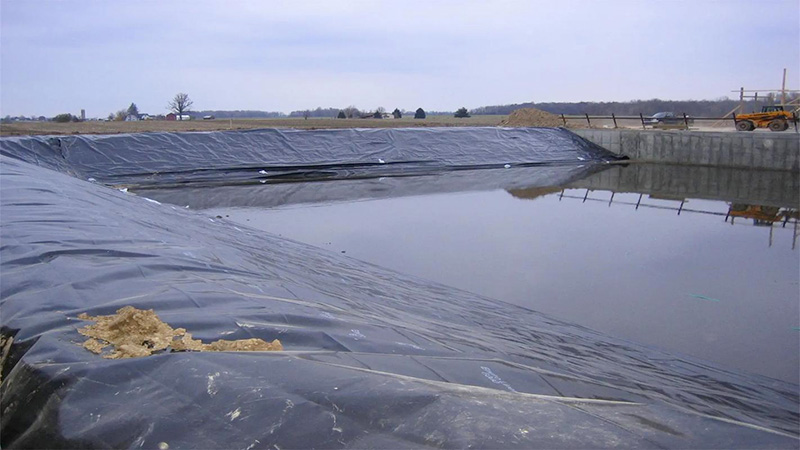
Geomembrane, as an efficient anti-seepage material, plays a vital role in water conservancy projects. Its excellent anti-seepage performance, light and easy construction characteristics and relatively low cost make geomembrane become an indispensable part of water conservancy projects.
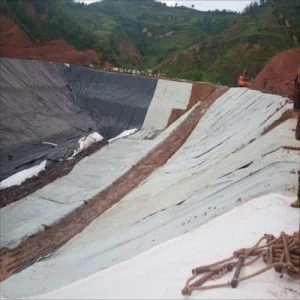
First of all, in the construction of reservoirs, geomembrane can play a very good anti-seepage role. Because reservoirs are usually built in valleys or low-lying areas, the geological conditions are more complex, so effective measures need to be taken to avoid leakage between the bottom of the reservoir and the surrounding rock. The use of geomembrane can effectively solve this problem, and can also improve the safety and stability of the whole reservoir.
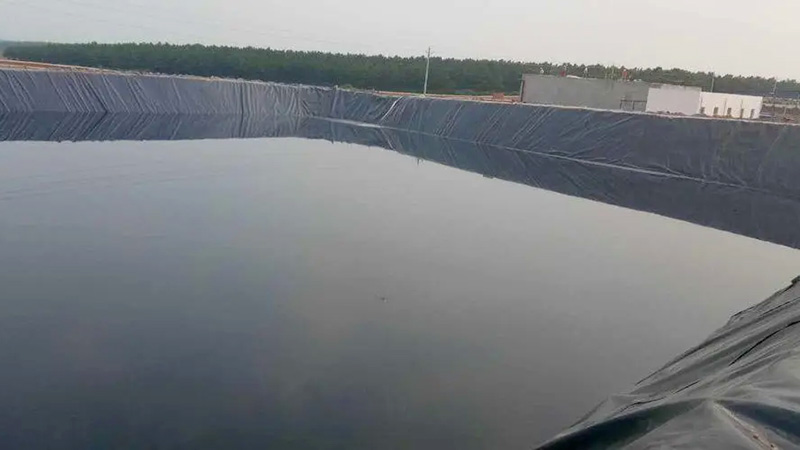
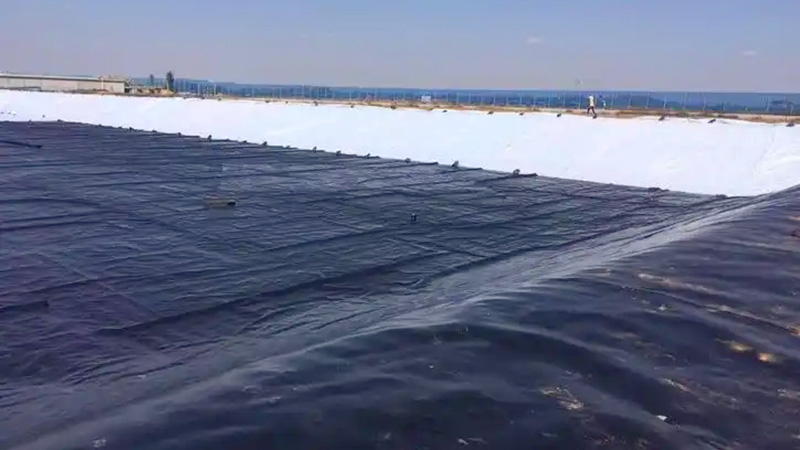
Secondly, it is also necessary to use geomembrane to strengthen the anti-seepage effect during the construction of levees. A dike is a man-made structure whose main purpose is to protect the downstream area from flooding. However, in the construction process, there will be many unpredictable factors leading to loopholes, at this time, it is necessary to use geomembrane for remedial measures.
Third, in the river and channel governance, geomembrane also has a wide range of applications. Rivers and channels are very important components of water conservancy projects, they can not only regulate water flow, protect farmland and urban infrastructure, but also improve the ecological environment of the entire region. However, in the governance process will encounter some difficult problems, such as loopholes, landslides and so on. At this time the use of geomembrane can be a good solution to these problems.
Procuring custom fiberglass geogrids requires understanding the cost-performance balance. Prices fluctuate based on the quality of raw E-glass yarn, coating polymer formulations, composite backings, and shipping volumes.
| Geogrid Specification Code | Tensile Strength (MD/CMD) | Coating Type | Estimated FOB Base Price ($/sqm) | Minimum Order Volume |
|---|---|---|---|---|
| HY-FG-50/50-S | 50 / 50 kN/m | Elastomeric Bitumen Coating | $0.45 - $0.65 | 5,000 sqm |
| HY-FG-80/80-A | 80 / 80 kN/m | Acrylic Copolymer (Anti-acid) | $0.72 - $0.95 | 5,000 sqm |
| HY-FG-100/100-SA | 100 / 100 kN/m | Self-Adhesive Bitumen Coating | $0.88 - $1.20 | 3,000 sqm |
| HY-FGC-50/50-PET | 50 / 50 kN/m | SBR Coated + 50g Geotextile | $0.80 - $1.10 | 3,000 sqm |
| HY-FG-200/200-HD | 200 / 200 kN/m | Reinforced Bituminous Binder | $1.90 - $2.50 | 2,000 sqm |
1. E-Glass Yarn Market Rates: Pure E-glass roving is a direct driver of raw material costs. Variations in virgin raw silica purity affect tensile capacities.
2. Coating Density & Composition: Premium self-adhesive coatings require higher polymer concentrations, which increases production costs but improves shear transfer efficiency.
3. Composite Lamination Quality: Bonding a nonwoven geotextile backing to a fiberglass grid requires specialized heat-bonding equipment, adding to the per-square-meter cost.
Find answers to common technical queries about selecting, sourcing, and installing fiberglass geogrids.
We supply a complete selection of geosynthetic engineering materials designed for water management, foundation stability, and environmental protection. Refer to the product links below for detailed specifications and ordering guides.
 Hongyue