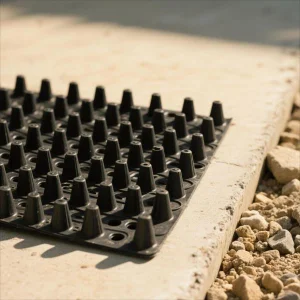
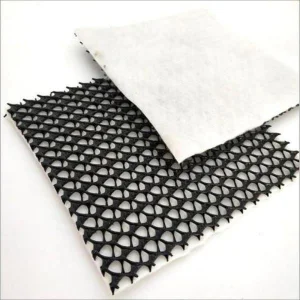
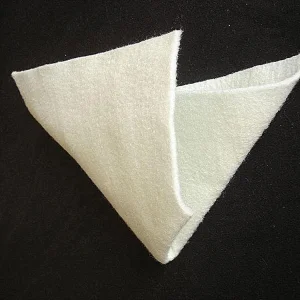
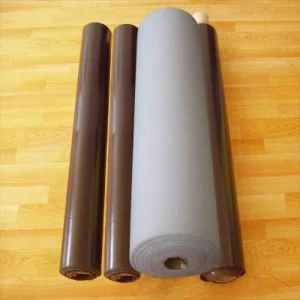
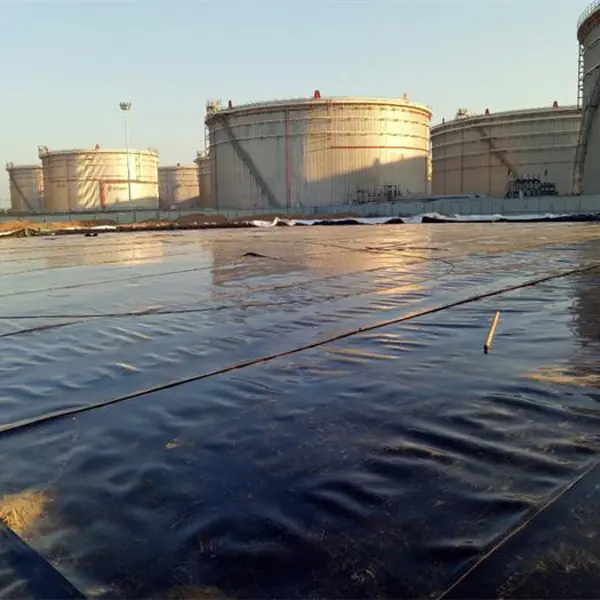
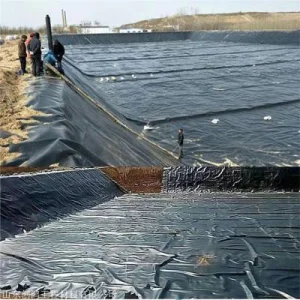
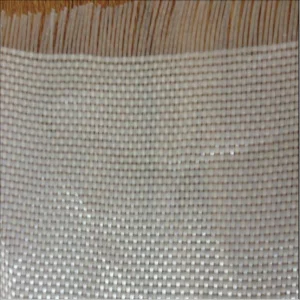
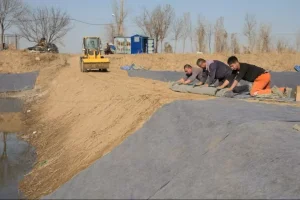
Explore our industrial-grade, certified drainage sheets, high-strength spun polyester, and customizable short-fiber needle punched geotextiles engineered for maximum hydraulic efficiency.
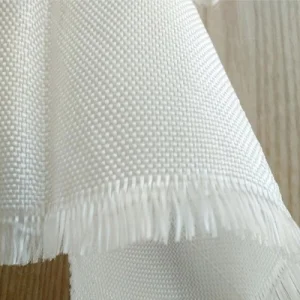
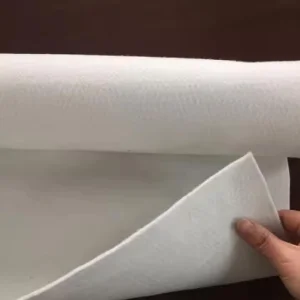
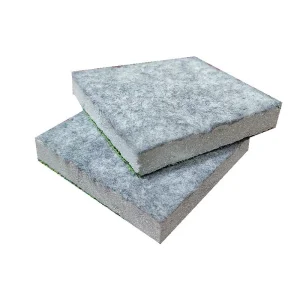
In contemporary civil engineering, infrastructure performance is inextricably linked with environmental hydraulics. The global rise in urban density, coupled with unpredictable extreme meteorological events, has elevated the requirements for fluid migration and retention control. Permeable geotextiles have transitioned from optional secondary materials to standard structural elements in roadways, coastal barriers, ecological dams, and complex waste storage systems.
Internationally, European and American regulatory frameworks like CEN (European Committee for Standardization) and ASTM (American Society for Testing and Materials) mandate strict standards for subgrade filtration. Engineers require geotextiles that demonstrate high permittivity, robust tensile strength, and precise pore sizing to balance mechanical stability with hydraulic relief.
As infrastructure developments push into marginal lands—such as soft coastal zones, tidal flats, and variable permafrost environments—the reliance on high-performance geocomposites becomes paramount. Shandong Hongyue Environmental Engineering Co., Ltd. answers this global demand by integrating advanced polymer chemistry, robust manufacturing machinery, and rigorous quality control to supply materials that withstand mechanical stress while maintaining lifetime filtration capacity.
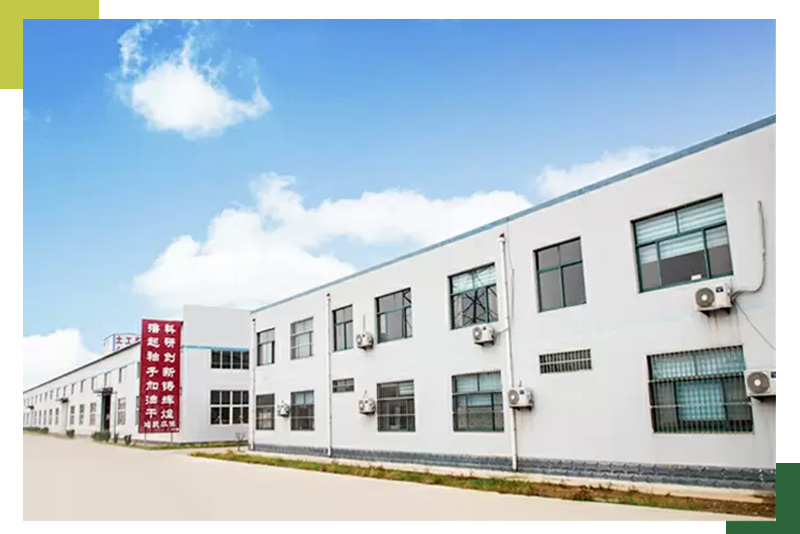
Our operational scale and financial strength guarantee seamless delivery for municipal, transportation, and industrial projects worldwide.
Established on April 6, 2023, and situated at the north end of Fufeng Street, Lingcheng District, Dezhou, Shandong Province, Shandong Hongyue Environmental Engineering Co., Ltd. represents one of the largest and most technologically advanced manufacturing hubs for geotextiles, geomembranes, and drainage composites in China. With a registered capital of 105 million yuan, our enterprise integrates research, sales, design, and construction services into a single source.
Our strategic location in Lingcheng District, Dezhou, grants us access to a comprehensive supply chain and optimal transport logistics. This allows us to rapidly ship materials via high-volume railway corridors and deep-water ocean ports to Europe, the Americas, Australia, and across Asia.
China's manufacturing prominence in geosynthetics relies on three primary advantages: integrated upstream raw material supply chains, automated high-throughput production machinery, and specialized clusters like the Dezhou Geotextile Association.
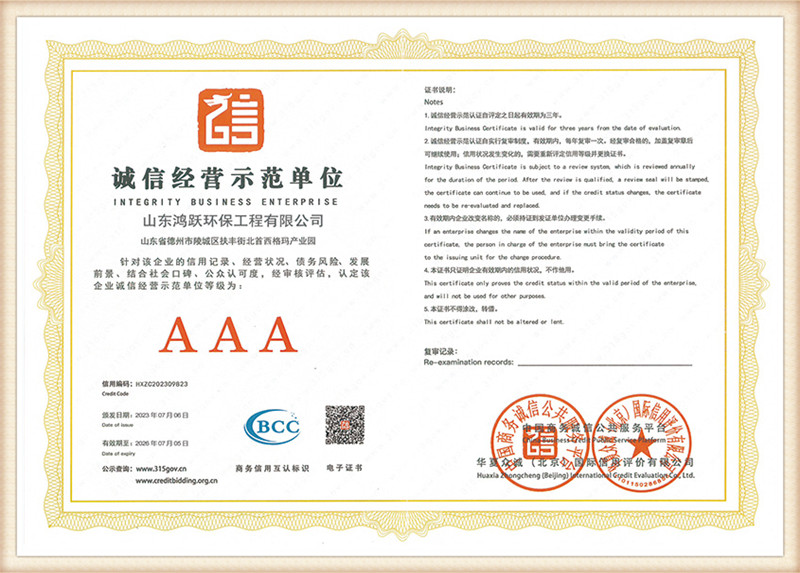
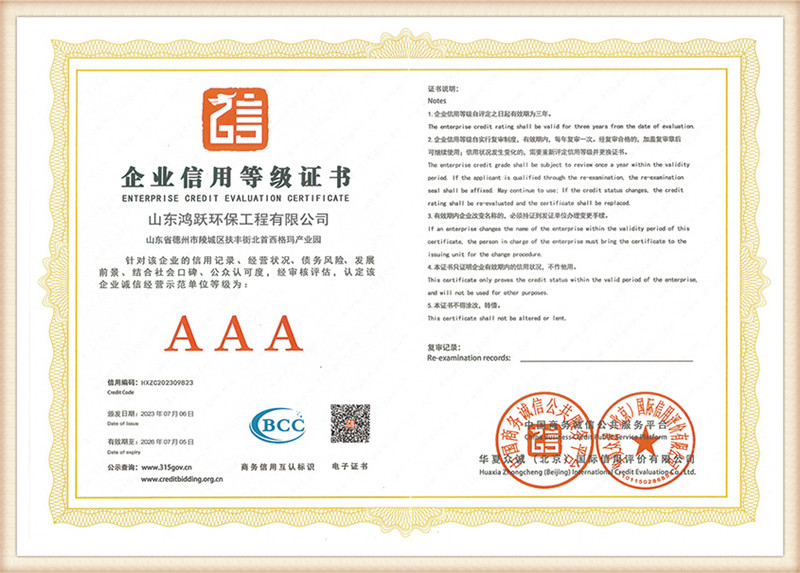
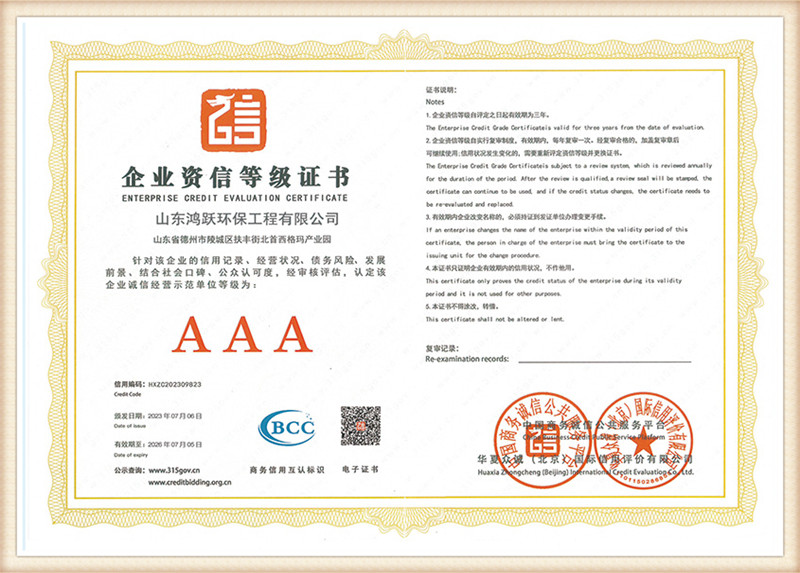
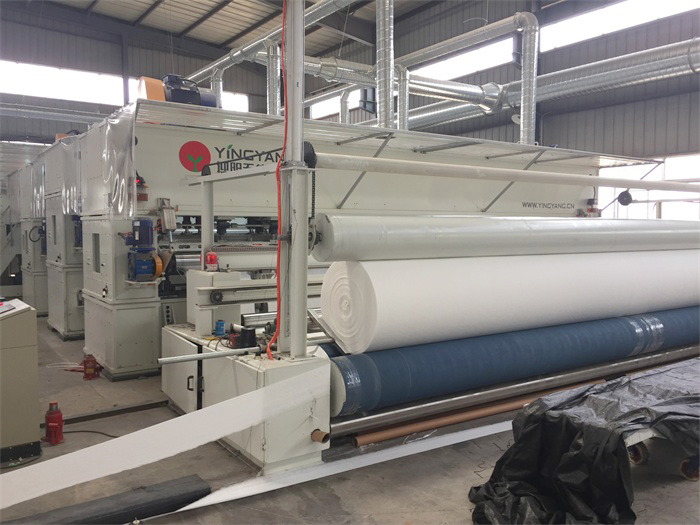
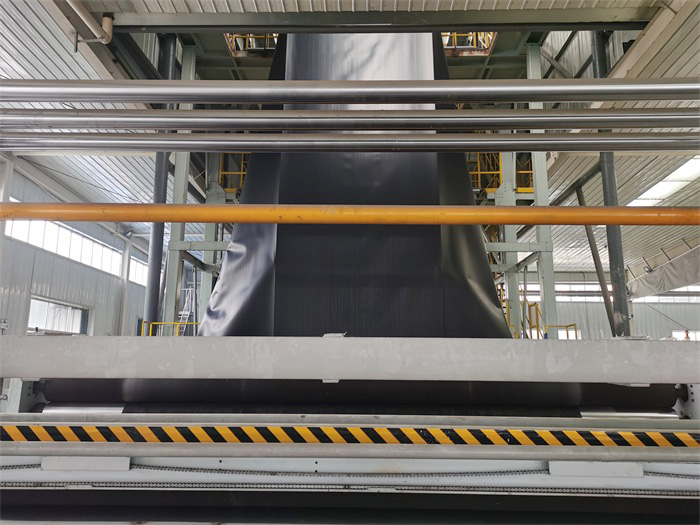
A deep look into our automated manufacturing line, from raw polymer selection to certified roll dispatch.
Our process begins with raw materials: premium polyester chips (PET), polypropylene filament (PP), and viscose fibers. Every batch undergoes density testing and melt index inspection before processing to ensure long-term stability and resistance to biological degradation.
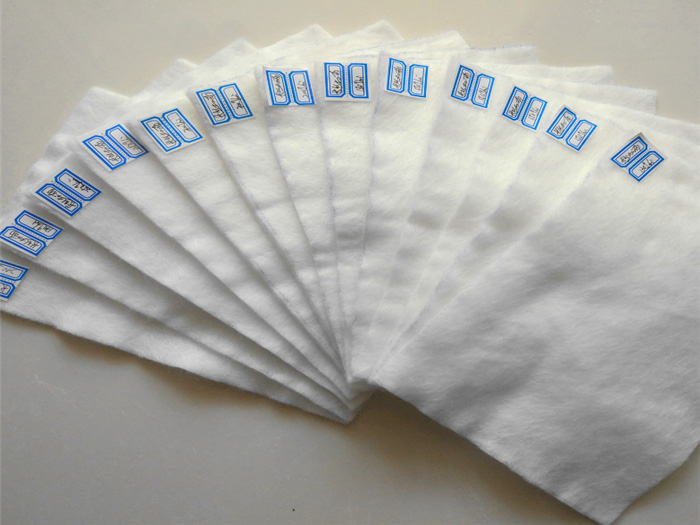
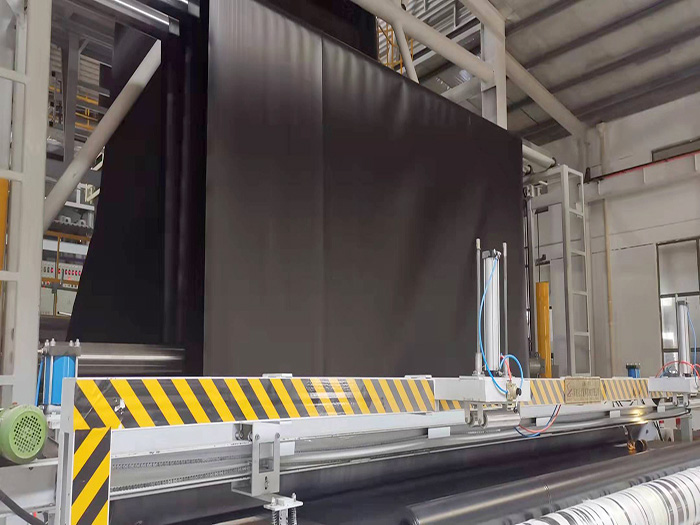
Polyester slices are melted at high temperatures and extruded through a precision screw extruder. Polypropylene filament is introduced to create a homogeneous mix. Temperature and pressure are monitored to maintain polymer consistency and draw properties.
The molten polymer is sprayed through spinnerets, forming continuous filaments. These fibers are laid onto a conveyor belt to create a uniform, multi-directional web. Technicians adjust the lay pattern to optimize the material's isotropic properties.
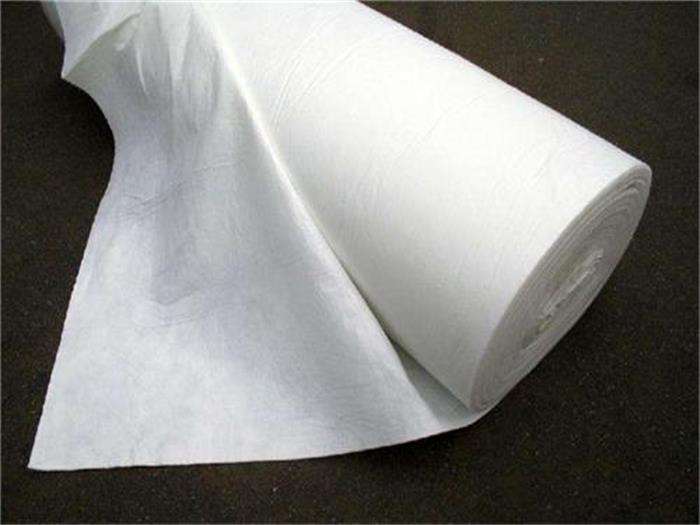
The loose web undergoes mechanical needlepunching, where thousands of barbed needles entangle the fibers. This process locks the fibers, creating a strong, porous structure. It is then thermally cured to set the final thickness and pore structure.
The cured geotextile is calendered to achieve specified thickness and surface smoothness. The material is wound onto heavy-duty cardboard cores, measured, cut, and wrapped in protective UV-resistant film.
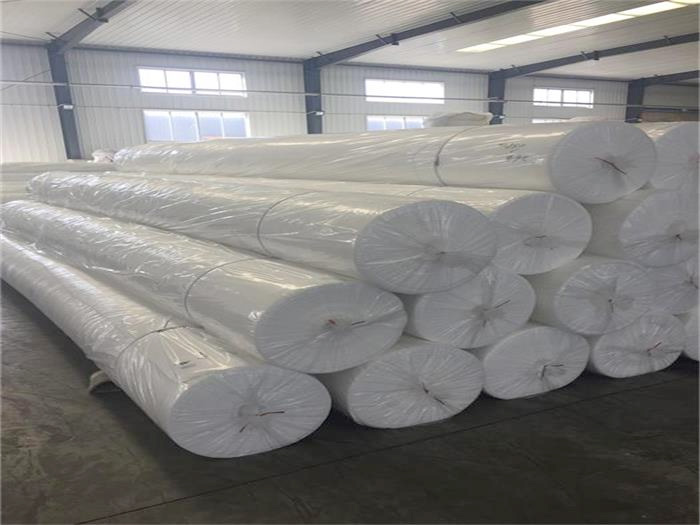
Samples from each roll undergo testing at our quality control center. Testing includes CBR puncture resistance, grab tensile strength, and constant-head permittivity tests. Only certified rolls are cleared for shipping.
The effectiveness of a geotextile system relies heavily on correct selection and installation. Specifying the wrong material or using incorrect installation methods can lead to clogging, shifting, or structural failure.
When selecting a permeable geotextile, engineers must evaluate three key properties: Hydraulic Permittivity (ensuring the water flow rate exceeds the peak design runoff), Apparent Opening Size (AOS) (ensuring pore sizes retain adjacent soil while allowing water to pass), and Puncture Resistance (protecting the barrier from damage by heavy gravel and equipment during backfilling).
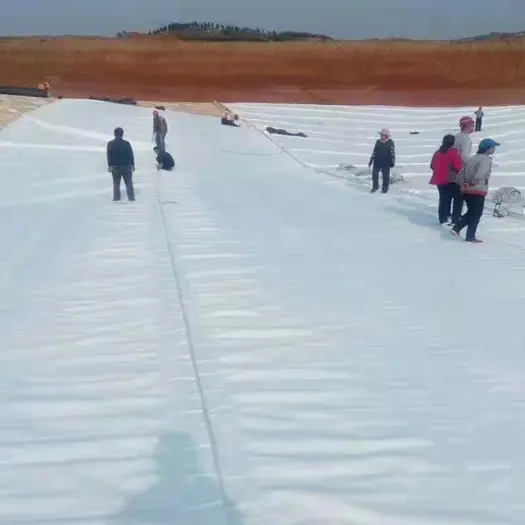
During installation, the subgrade must be graded and cleared of sharp rocks or roots. Geotextile panels should be overlapped according to slope gradients (typically 300mm to 500mm). The fabric must be secured using specialized pins or sandbags, and covered promptly with aggregates to prevent UV degradation from prolonged sunlight exposure.
Reference values for our standard polyester (PET) and polypropylene (PP) needle-punched ranges.
| Property | Test Standard | Unit | PET Filament Range | PP Short Fiber Range |
|---|---|---|---|---|
| Mass per Unit Area | ASTM D5261 | g/m² | 150 - 800 | 100 - 600 |
| Grab Tensile Strength | ASTM D4632 | N | 800 - 3200 | 600 - 2400 |
| CBR Puncture Resistance | ASTM D6241 | N | 1600 - 6800 | 1100 - 4500 |
| Apparent Opening Size (AOS) | ASTM D4751 | mm | 0.07 - 0.21 | 0.05 - 0.20 |
| Permittivity | ASTM D4491 | sec⁻¹ | 1.2 - 2.8 | 1.5 - 3.2 |
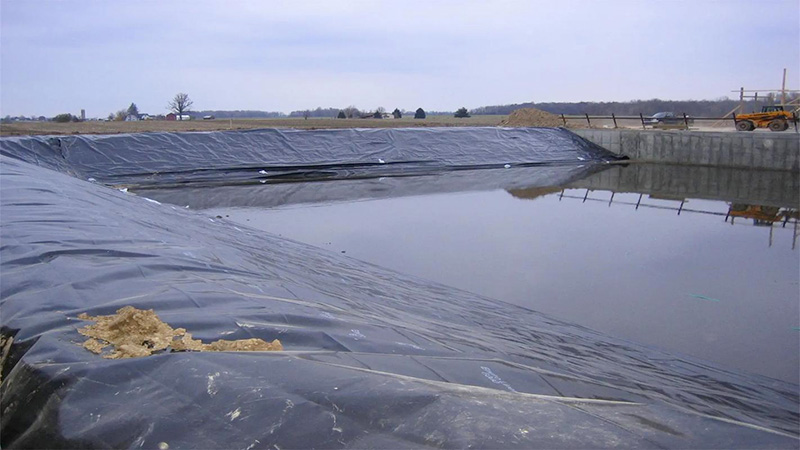
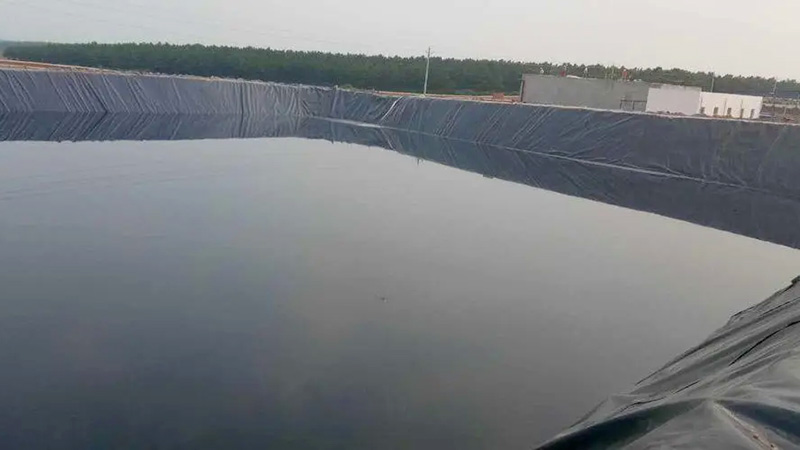
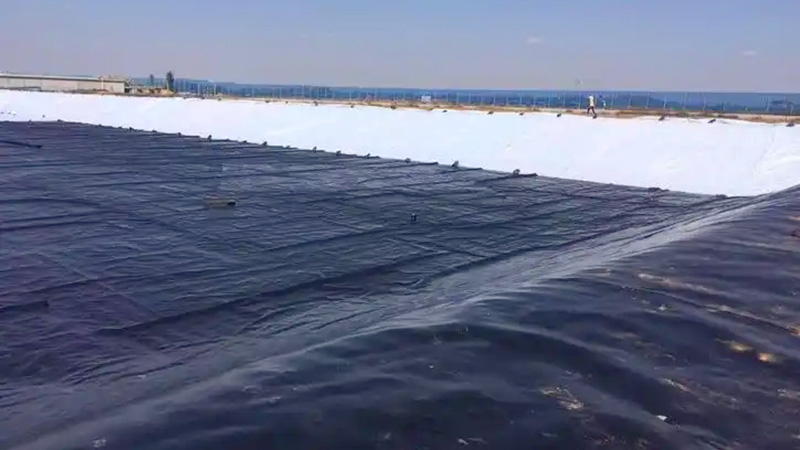
Our geotextile products are engineered to solve challenging containment and drainage scenarios across diverse sectors.
The geosynthetics sector is shifting toward sustainable materials and digital monitoring technologies. Driven by global carbon reduction mandates, engineers are prioritizing low-carbon options.
Our research and development team is focused on two key developments: Recycled-Polymer Geotextiles, which convert post-consumer PET bottles into high-strength fibers, reducing carbon footprint by up to 30%; and Smart Geotextiles, which feature integrated conductive filaments and fiber-optic strands. These smart systems allow real-time monitoring of strain and temperature, warning engineers of potential subgrade failures before they occur.
During major flood events, structural failure in levees is often caused by internal erosion, or "piping." When floodwaters penetrate the embankment, they wash out fine soil particles. Without proper filtration, this creates void channels that compromise the structure.
Shandong Hongyue's geotextiles prevent this by acting as a system filter. By selecting the correct AOS (Apparent Opening Size), we ensure that fine soil is retained while allowing water to pass through freely.
This performance relies on the three-dimensional pore structure of needle-punched non-woven geotextiles. Unlike woven meshes that can clog when thin fine sheets block their regular grids, the multi-layered fiber path of non-woven fabric traps soil particles throughout its thickness while keeping drainage paths open.
In coastal breakwaters, the geotextile must also withstand cyclic wave forces. The fabric prevents backfill from washing out through the voids of heavy armor stone, ensuring the long-term stability of the barrier.
Expert answers to key technical, installation, and procurement questions for global buyers.
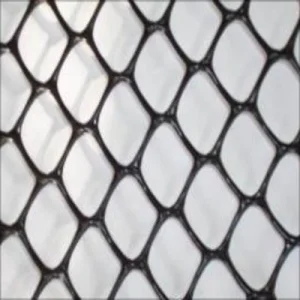
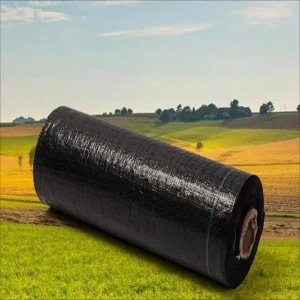
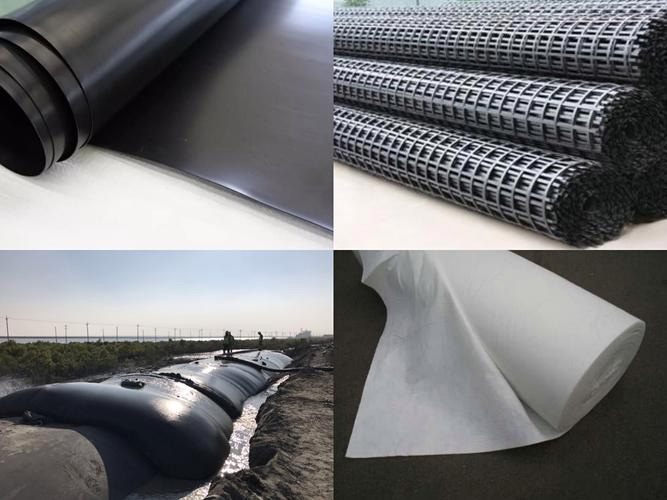
Complete your design with our high-density geonets, bi-axial geogrids, geomembranes, and agricultural grass-proof fabrics.
 Hongyue