Precision-Engineered Containment & Drainage Solutions Certified for International Civil Projects
Engineering Specifications, Environmental Compliance, and Material Performance Analysis
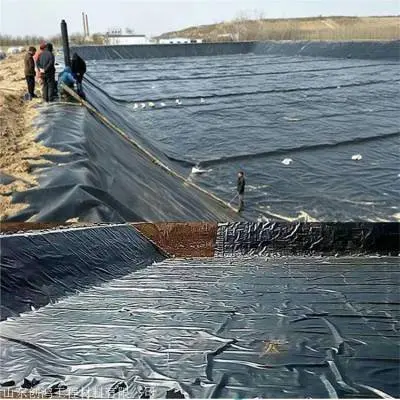
High-Density Polyethylene (HDPE) geomembranes represent the pinnacle of modern geotechnical engineering for critical liquid and solid containment. Formulated from premium-grade virgin polyethylene resins combined with precise ratios of carbon black (2.0-3.0%), thermal stabilizers, and anti-oxidants, HDPE membranes exhibit unmatched resistance to chemical degradation, ultraviolet radiation, and environmental stress cracking (ESCR).
Under strict compliance with European CE standards (EN 13361, EN 13362, EN 13492), HDPE barrier systems maintain ultra-low hydraulic conductivity ($K < 1 \times 10^{-13} \text{ cm/s}$), providing an absolute barrier against hazardous leachate, industrial effluents, and aggressive chemicals in mining, waste management, and hydraulic infrastructure projects.
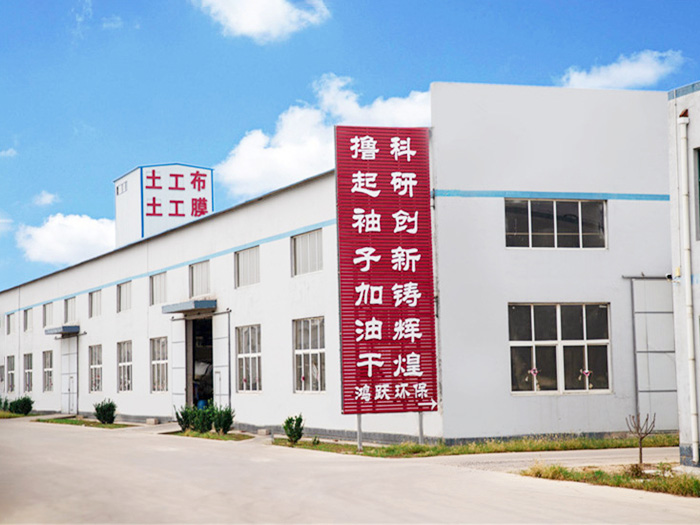
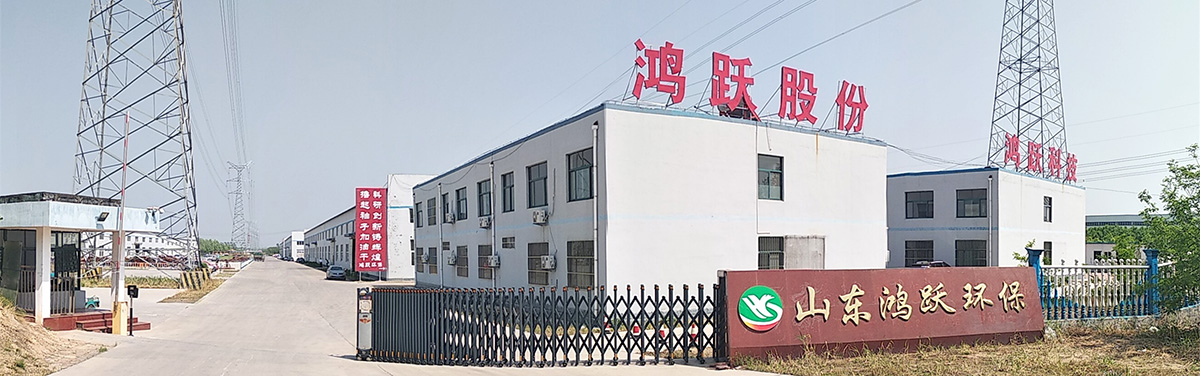
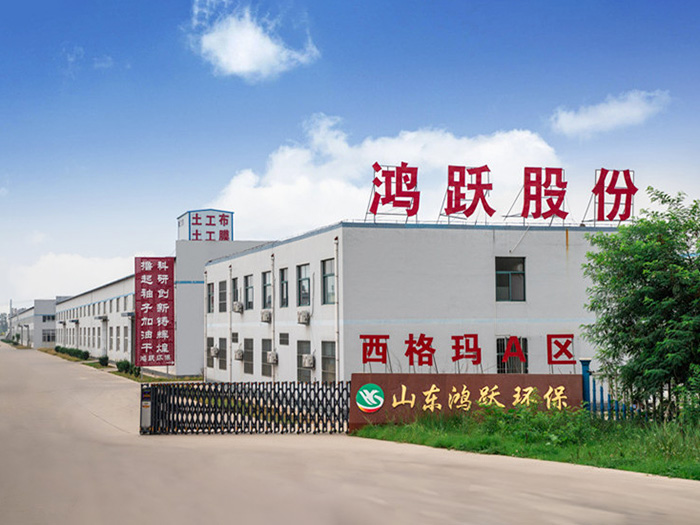
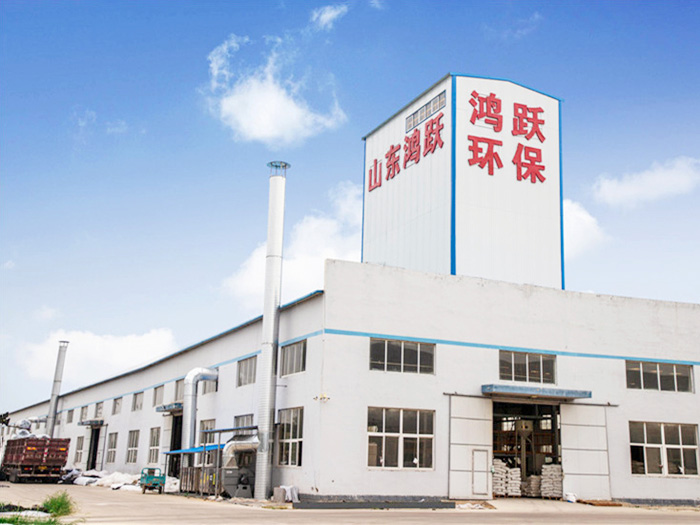
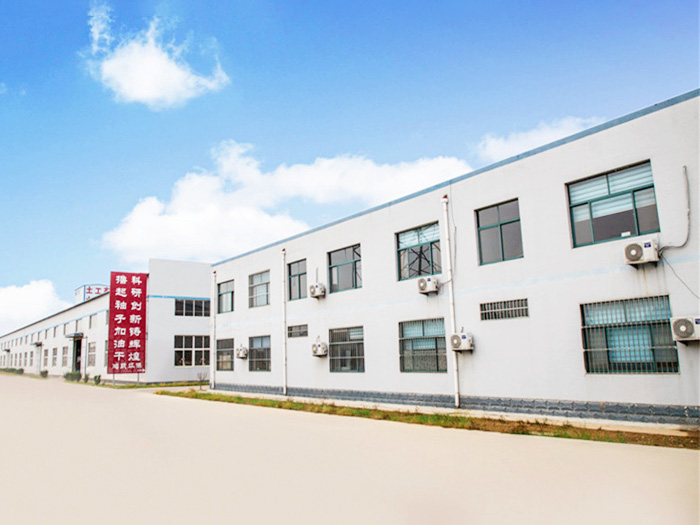
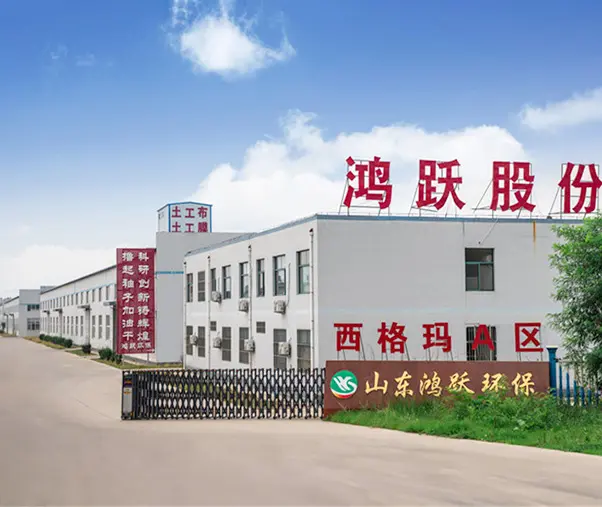
Shandong Hongyue Environmental Engineering Co., Ltd., located at the north end of Fufeng Street, Lingcheng District, Dezhou, Shandong Province, stands as a premier scientific and technological geotechnical material enterprise. Registered with a capital of 105 million yuan, Hongyue represents one of China's largest advanced manufacturing hubs for geosynthetics.
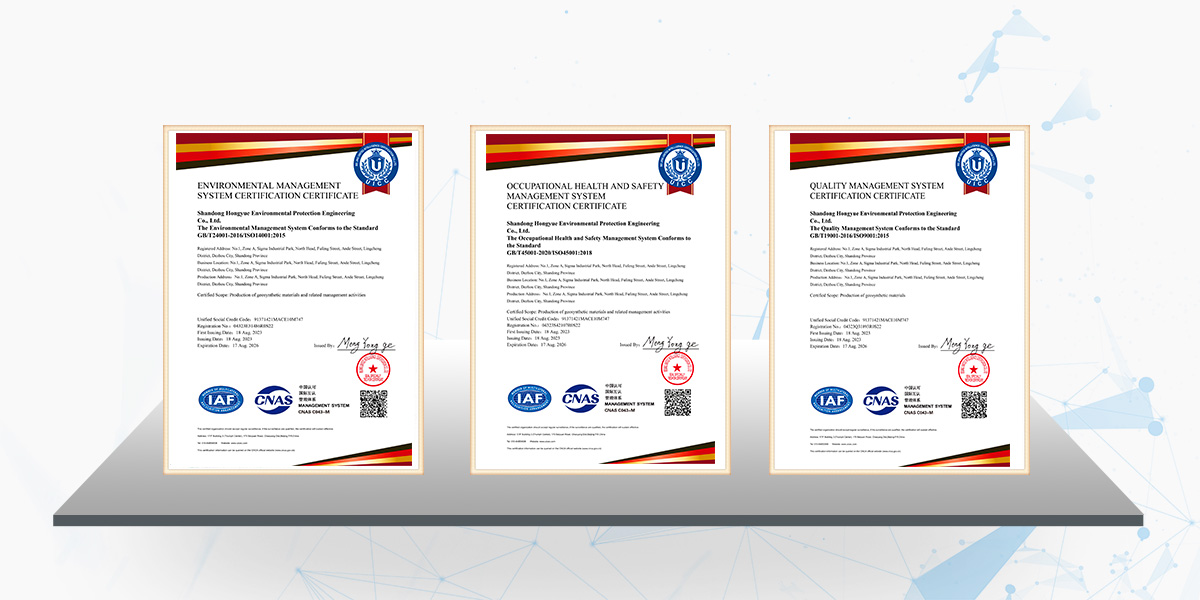
Integrating research and development, multi-layer co-extrusion manufacturing, engineering design, and certified construction services, the company operates under ISO 9001 Quality Management, ISO 14001 Environmental Management, and ISO 45001 Occupational Health & Safety certifications, supplying critical projects across Europe, the Americas, Australia, and Asia.
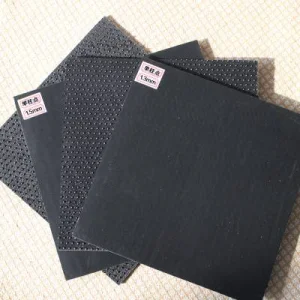
| Property Description | Test Method | Smooth HDPE (1.5mm / 60 mil) | Textured HDPE (1.5mm / 60 mil) | Unit |
|---|---|---|---|---|
| Density (Minimum Base Resin) | ASTM D1505 / ISO 1183 | 0.940 | 0.940 | g/cm³ |
| Tensile Strength at Yield | ASTM D6693 (Type IV) | 22 | 22 | kN/m |
| Tensile Strength at Break | ASTM D6693 (Type IV) | 40 | 15 | kN/m |
| Elongation at Yield | ASTM D6693 (Type IV) | 12 | 12 | % |
| Elongation at Break | ASTM D6693 (Type IV) | 700 | 100 | % |
| Tear Resistance | ASTM D1004 | 187 | 187 | N |
| Puncture Resistance | ASTM D4833 / EN ISO 12236 | 480 | 440 | N |
| Stress Crack Resistance (SP-NCTL) | ASTM D5397 | > 500 | > 500 | Hours |
| Carbon Black Content Range | ASTM D1603 / D4218 | 2.0 - 3.0 | 2.0 - 3.0 | % |
| Standard OIT (Oxidative Induction Time) | ASTM D3895 | > 100 | > 100 | Minutes |
Analyzing Market Drivers, Environmental Regulation, and Emerging Engineering Requirements
Governments worldwide are implementing zero-leakage standards for municipal landfills, toxic tailing ponds, and industrial wastewater lagoons. International procurement mandates demand verified CE marking, REACH compliance, and full traceability back to virgin polymer synthesis.
With increasing global demand for lithium, copper, and precious metals, mining operators require heavy-duty textured HDPE liners (up to 3.0mm) capable of resisting extreme puncture stresses, high static heap pressures, and aggressive acid/alkaline solutions.
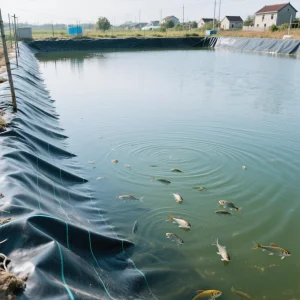
Water scarcity has accelerated the conversion of unlined irrigation canals and open reservoirs to geomembrane-lined systems. High-density polyethylene liners prevent up to 98% of seepage losses while ensuring food-grade safety for commercial fish farming.
State-of-the-Art Multi-Layer Co-Extrusion Technology and Automated Quality Controls
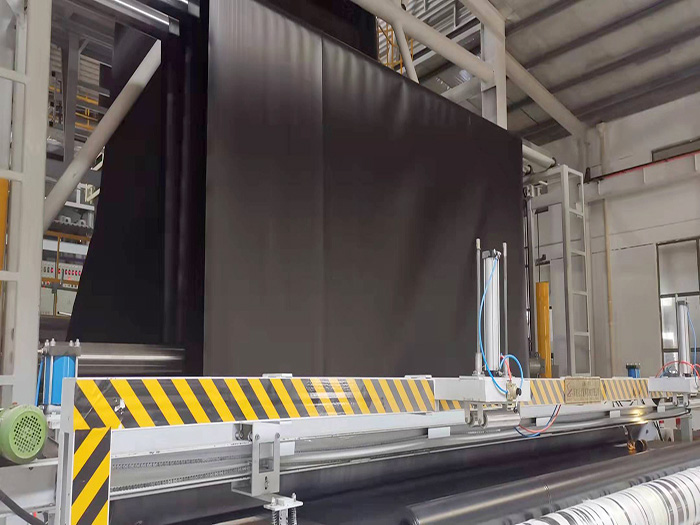
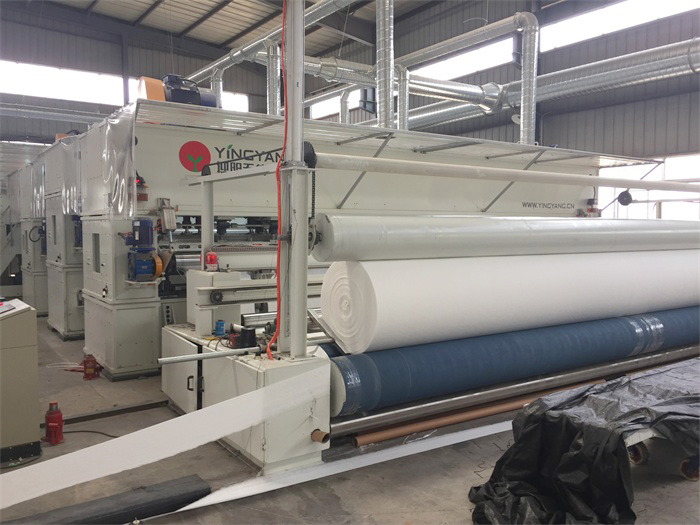
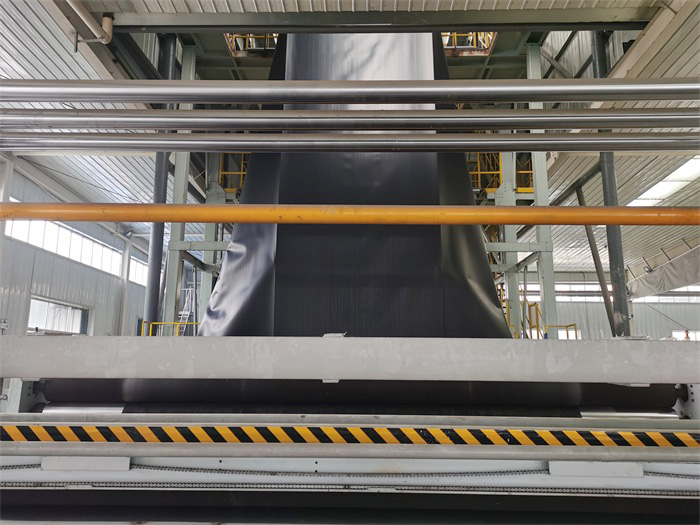
Shandong Hongyue operates high-capacity blow-molding and flat-die extrusion production lines. High molecular weight HDPE resin is homogeneously melted at precise temperatures ($190^\circ\text{C} - 230^\circ\text{C}$), combined with micro-dispersed carbon black and light stabilizers.
Real-time inline ultrasonic thickness sensors measure sheet uniformity across 8-meter seamless widths, maintaining strict tolerances of $\pm 3\%$. This continuous automation prevents thermal degradation, eliminates micro-voids, and ensures consistent tensile stress distribution throughout the entire roll length.
Turnkey System Applications Designed for Extreme Load Conditions and Hazardous Media
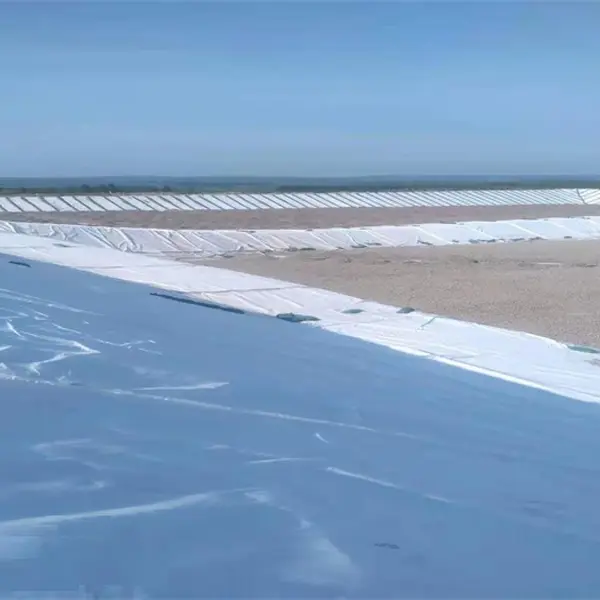
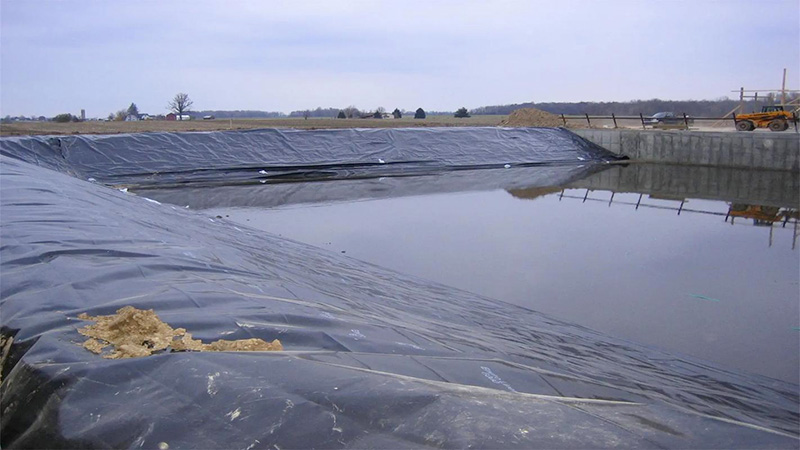
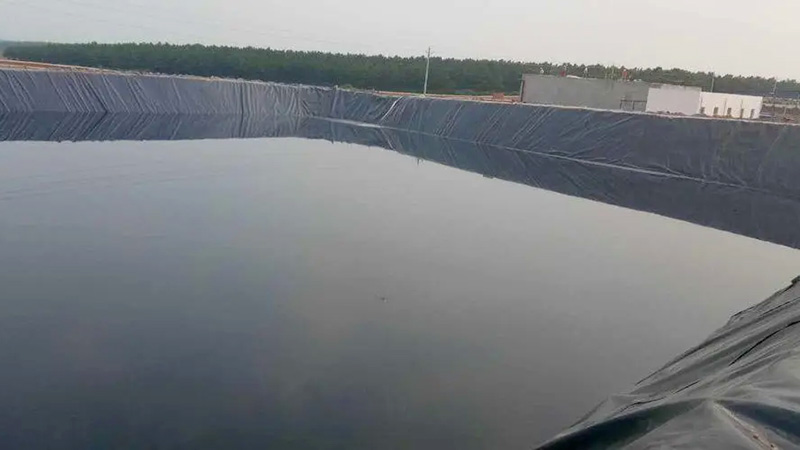
Prevents subgrade saturation, dam body erosion, and seepage in reservoirs, canals, and artificial lakes. Outperforms clay cores in shear resistance and dynamic settlement tolerance.
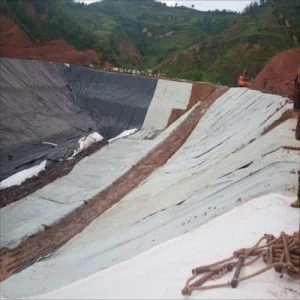
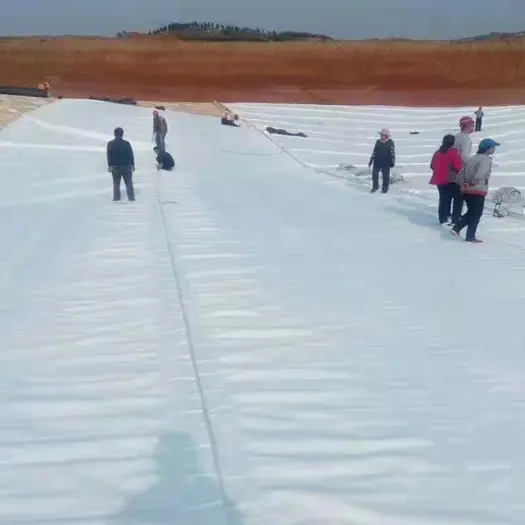
Rapid-lay continuous lining system for municipal rivers and agricultural water conveyances. Dramatically reduces water loss while stabilizing slope geometry.
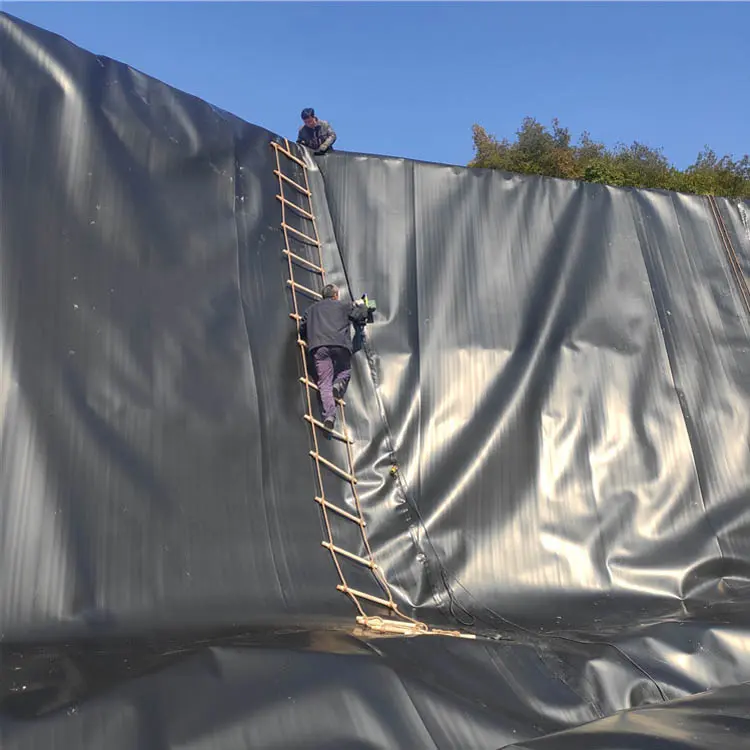
Multi-barrier bottom lining and final cover capping to prevent landfill leachate contamination into groundwater aquifers while facilitating methane gas capture.
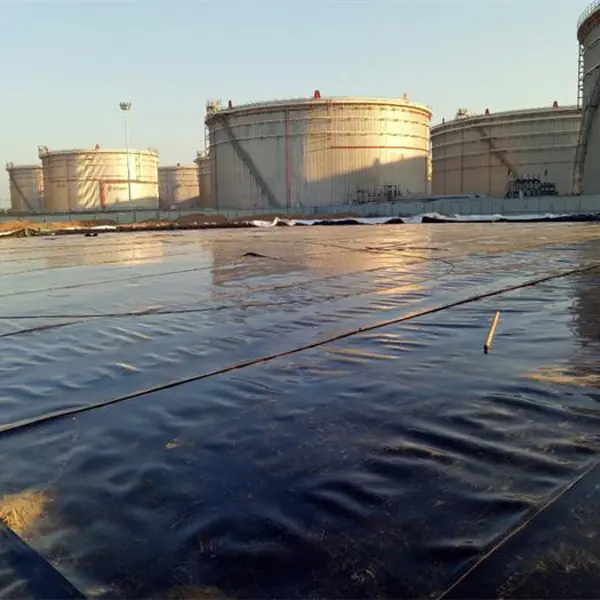
High chemical compatibility for tank farms, refinery bund walls, and hazardous spill basins, resisting hydrocarbon permeation and chemical attack.
Rigorous Quality Control Systems Approved by the China National Testing Center and International Bodies
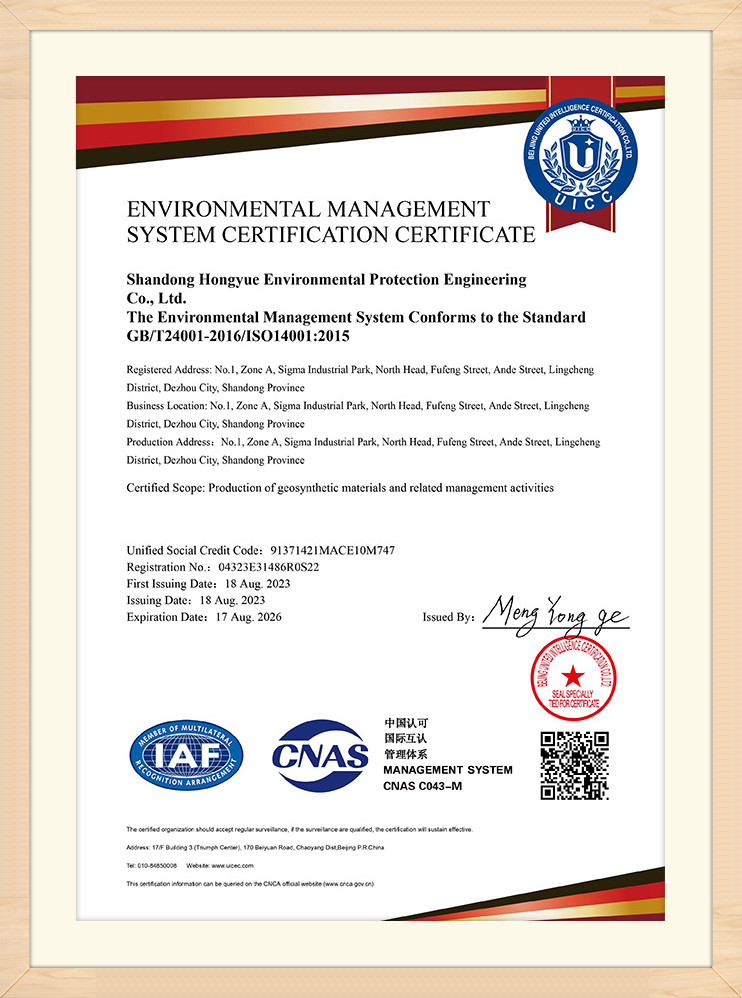
Shandong Hongyue Environmental Protection Technology Co., Ltd. operates under a complete and scientific management system. Having passed ISO 9001 Quality Management, ISO 14001 Environmental Management, and ISO 45001 Occupational Health and Safety Management system certifications, our company guarantees total quality traceably from raw resin delivery to final seam welding on site.
Hongyue products have earned titles including "Green and Environmentally Friendly Building Materials Products", "China Famous Brand", and "High-Tech Industry Enterprise". All product batches undergo systematic sampling certified by the State Administration of Quality Supervision and Inspection of China.
Standard Operating Procedures for Subgrade Preparation, Thermal Fusion Welding, and Quality Auditing
Ensure subgrade is compacted to $\ge 95\%$ Proctor density. The receiving surface must be clean, free of organic matter, roots, sharp rocks ($> 5\text{mm}$), or standing water. Perimeter anchor trenches must be excavated to specified dimensions (typically $0.5\text{m} \times 0.5\text{m}$) prior to panel deployment.
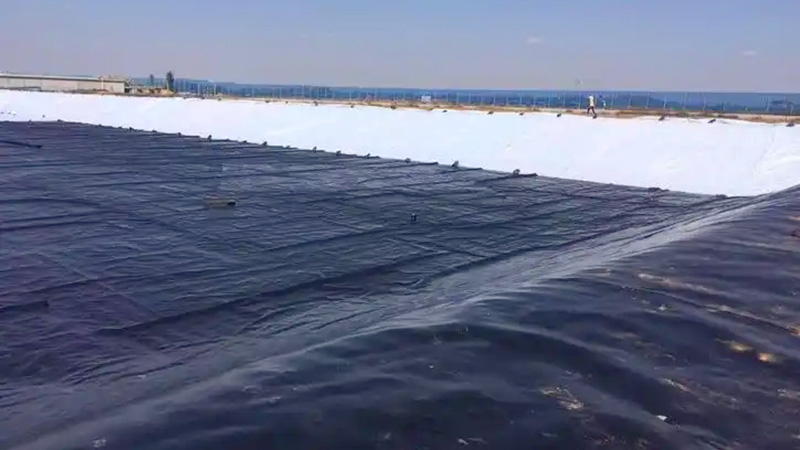
Align panels to allow an overlap of 100mm to 150mm. Primary longitudinal seams must be welded using automated dual-track hot wedge machines operating at $280^\circ\text{C} - 380^\circ\text{C}$. The double-wedge design creates an enclosed air channel for non-destructive pressure testing.
Pneumatically seal double-wedge seams and pressurize the internal air channel to $200 - 250 \text{ kPa}$. Pressure loss must not exceed 10% over a 5-minute holding period. Extrusion hand welds at pipe penetrations or patches undergo vacuum box testing or high-voltage spark testing.
End-to-End Supply Chain Security, Custom Roll Dimensions, and Site Technical Assistance
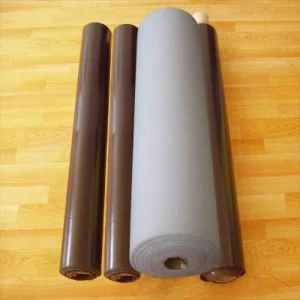
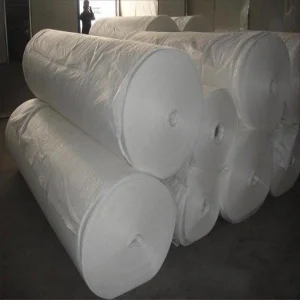
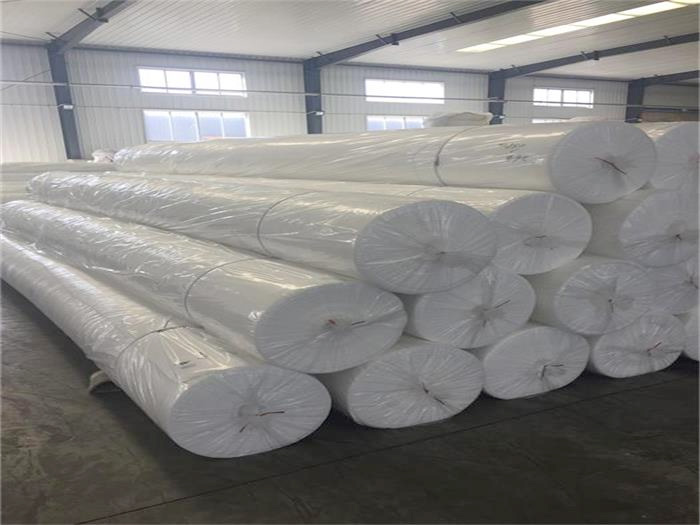
Hongyue provides custom roll lengths (from 50m to 210m) packaged on high-strength plastic or steel cores with woven geotextile protective wrapping. Wide roll configurations (up to 8 meters) reduce field welding seams by up to 35%, cutting labor costs and installation risks for EPC contractors.
Direct ocean freight dispatch from Qingdao and Tianjin ports guarantees streamlined customs clearance and timely arrival at project sites across Europe, Africa, South America, the Middle East, and Southeast Asia.
Our engineering team brings over a decade of field experience in complex hydraulic and anti-seepage projects. We offer complete technical consulting, material selection analysis, CAD shop drawing reviews, and on-site master welder training.
Hongyue has established sales branches and technical agencies in over 40 major cities, backed by a 24-hour response framework for global procurement inquiries and project troubleshooting.
Pioneering Research in Conductive Liners, Thermal Barrier Geomembranes, and Eco-Polymers
Co-extruded conductive bottom layers allow 100% post-installation spark testing (ASTM D7953) across the entire covered area, detecting micro-punctures as small as 1mm prior to waste loading.
Next-generation resin formulations designed for continuous operational temperatures up to $100^\circ\text{C}$, targeted at heavy industrial brine evaporation ponds and geothermal fluid containment.
Pioneering circular economy initiatives with high-durability polymer matrix blends that reduce carbon footprint while guaranteeing 50+ years of active barrier performance.
Expert Answers to Critical Project Design, Material Selection, and Compliance Queries
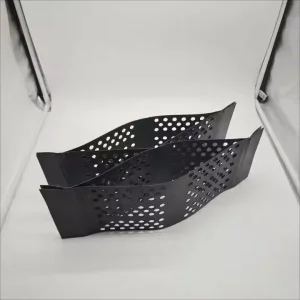
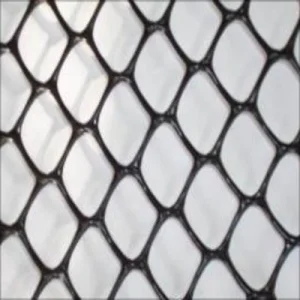
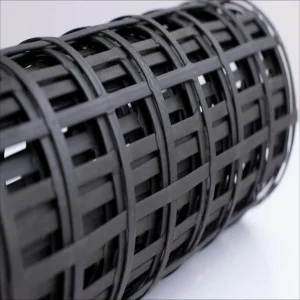
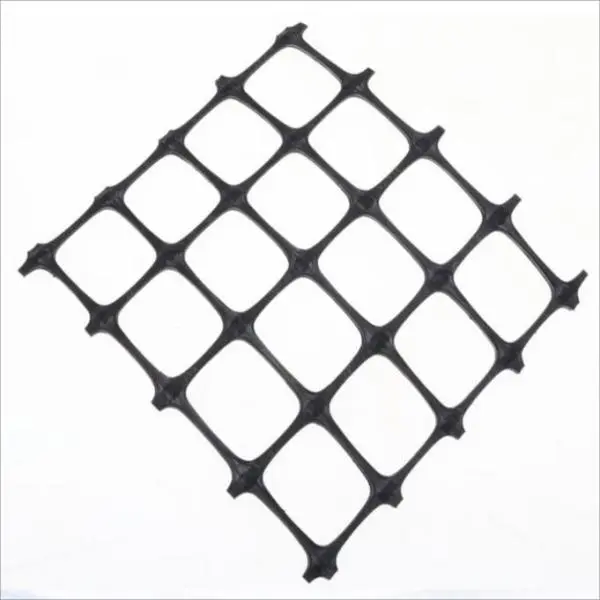
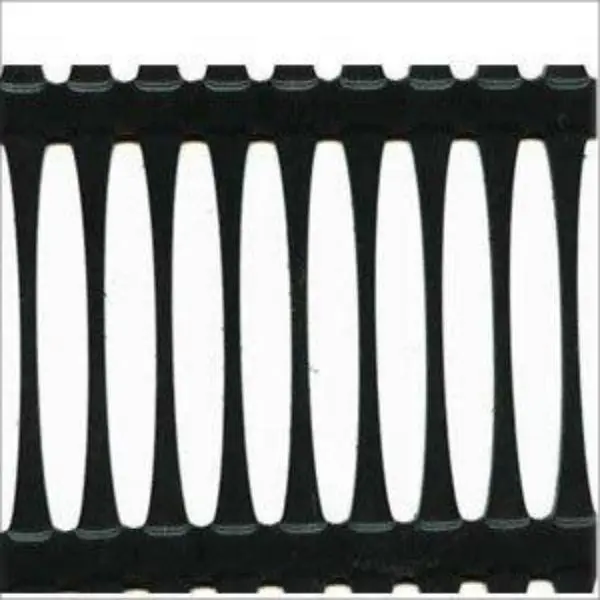
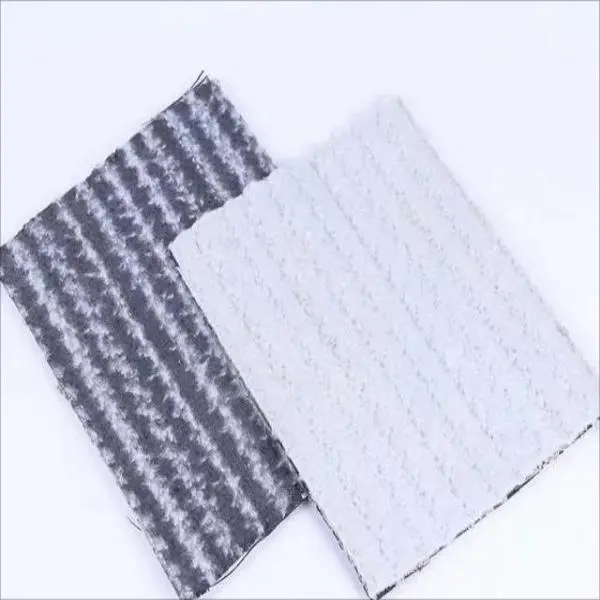
Complete Range of Drainage Networks, Geotextiles, Geocells, and Special Anti-Seepage Materials
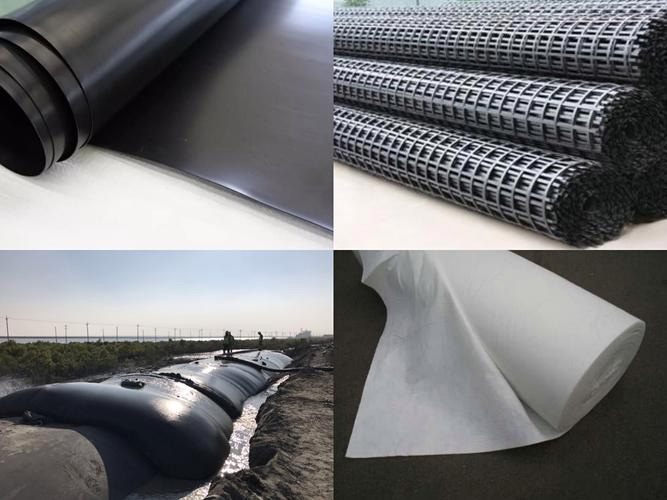
Complete Containment, Reinforcement, Drainage, and Filtration Matrix
 Hongyue