Engineered for durability and performance in high-stakes infrastructure, environmental containment, and civil engineering projects.
An in-depth whitepaper on global industrial geosynthetic applications, manufacturing efficiency, and technological benchmarks.
The global demand for geosynthetic materials is undergoing a massive paradigm shift. As rapid urbanization collides with extreme weather events caused by climate change, traditional civil engineering techniques are reaching their practical limits. Across Europe, the Americas, and the Asia-Pacific region, engineers are turning to geotextiles to enhance structural longevity, prevent soil erosion, control subgrade hydration, and manage waste containment.
In Europe, infrastructure guidelines heavily specify the mechanical performance of non-woven and woven fabrics. The integration of high-performance polymer fibers—primarily polyester (PET) and polypropylene (PP)—has allowed engineers to tackle projects once deemed impossible, such as high-speed railways built over soft marshlands and mega-reservoirs engineered on porous volcanic soils. Under the strict mandates of the European Union, any geosynthetic product deployed in permanent structures must bear the CE mark, proving it has undergone rigorous testing for tensile strength, CBR puncture resistance, water permeability, and durability against chemical aging.
In North America and Australia, the mining and agricultural sectors drive the consumption of composite barrier systems. Mine tailing ponds, municipal landfills, and agricultural irrigation networks utilize geotextiles as protective cushions for geomembranes, preventing stones from puncturing the impermeable barriers. The synergy between geotextiles and geomembranes forms the foundation of modern environmental engineering, preventing toxic runoff from contaminating regional water tables.
What does CE certification truly mean for a procurement officer or chief structural engineer? It is not merely a bureaucratic stamp; it is a standardized assurance of physical properties, verified by third-party testing laboratories under the EN standards (such as EN 13249 to EN 13256).
CE certification ensures that the manufacturer has established a continuous Factory Production Control (FPC) system. Key physical parameters of the geotextiles are verified under strict tolerances:
Without this certification, project owners expose themselves to catastrophic liabilities, including premature subgrade sinkage, slope failures, and environmental contamination. Shandong Hongyue Environmental Engineering Co., Ltd. prides itself on manufacturing products that meet or exceed these international guidelines, providing complete traceability from raw polymer chip to the final rolled fabric.
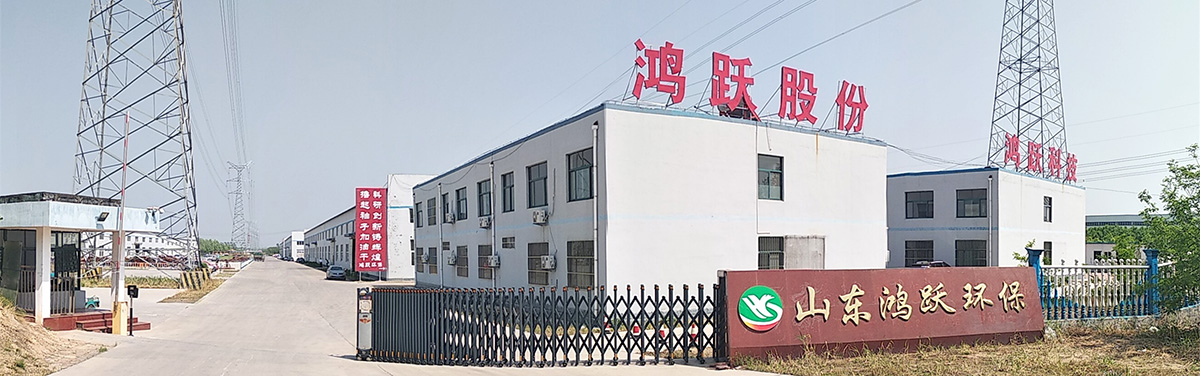
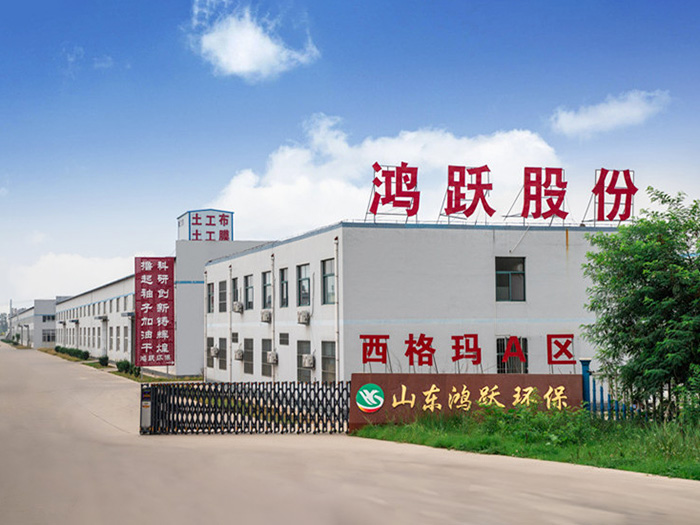
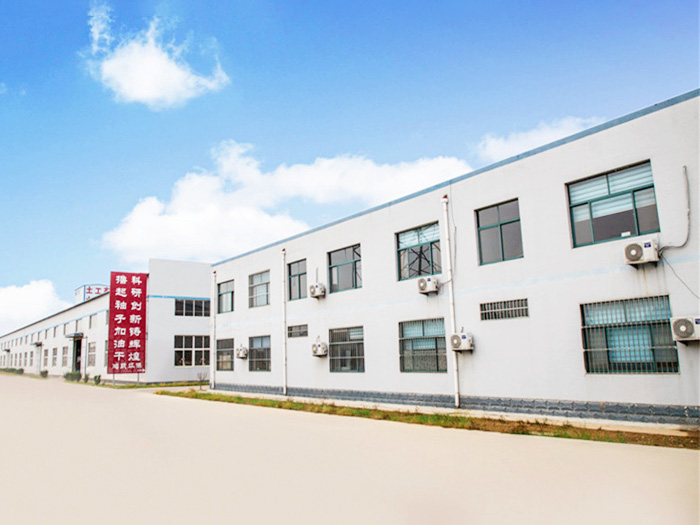
Strategically located at the north end of Fufeng Street, Lingcheng District, Dezhou, Shandong Province, Shandong Hongyue Environmental Engineering Co., Ltd. stands as a premier scientific and technological geotechnical material manufacturer. Established with a substantial registered capital of 105 million yuan, our facility is recognized as one of the largest and most advanced production bases of geotechnical materials in China.
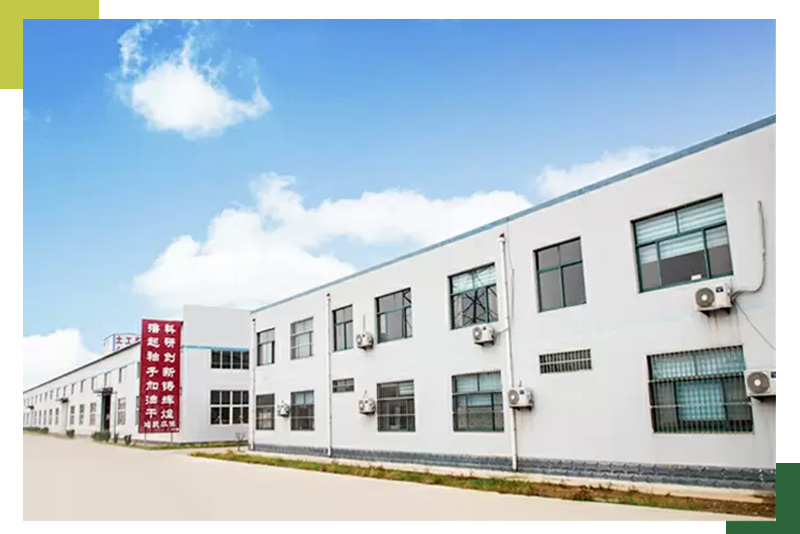
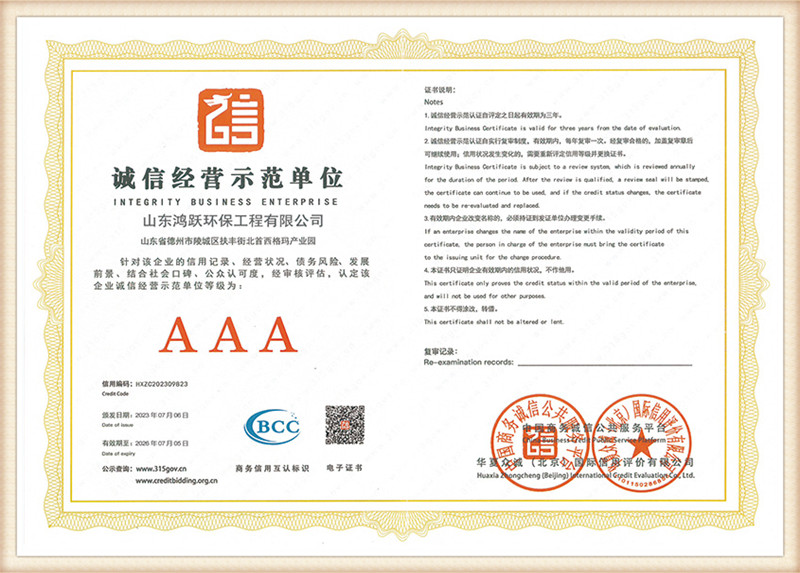
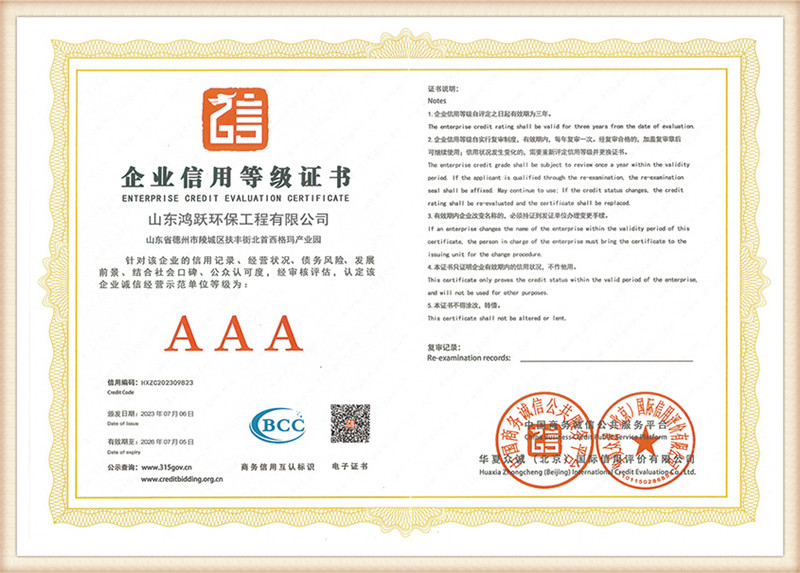
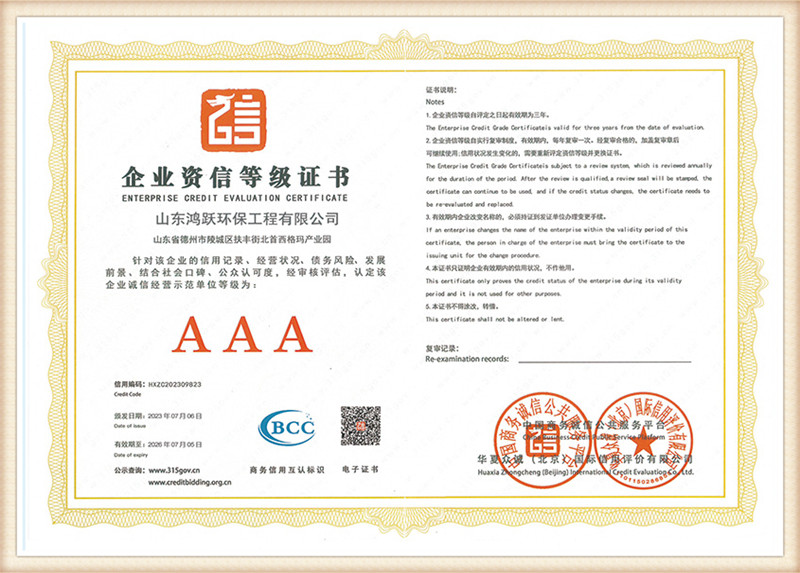
China's manufacturing prowess in the geosynthetics sector is driven by integration and scale. At Hongyue, we have centralized the entire production lifecycle. By combining raw material selection, polymer melt extrusion, needle punching, and curing under one roof, we eliminate intermediate logistics costs and minimize potential contamination. This localized supply chain efficiency allows us to deliver high-quality, CE-certified geotextiles to global clients at highly competitive prices.
Our factory features advanced automation lines capable of producing wide-width rolls (up to 8 meters), reducing the number of joints required during installation. This directly translates to lower installation labor costs and fewer potential failure points on-site. Dezhou's strategic logistics network ensures rapid transit to major international ports, facilitating seamless global delivery.
The physical properties of a geotextile are defined during its production. Below is the detailed six-step manufacturing process employed at Shandong Hongyue to ensure our products consistently meet international quality standards.
We select high-grade virgin polyester (PET) chips, polypropylene (PP) filament, and viscose fibers. These raw materials are strictly inspected for purity and thermal stability before entering the line.
Polyester and polypropylene resins are melted at high temperatures and extruded through a screw extruder. The temperature, pressure, and polymer feed rate are precisely controlled to guarantee fiber uniformity.
The molten polymer is sprayed through fine spinnerets to form continuous filaments. These fibers are laid onto a moving conveyor belt to form a uniform web structure, controlling thickness and orientation.
The loose web passes through heavy-duty needle looms. Thousands of barbed needles mechanical entangle the fibers, interlocking them to create a high-strength, porous fabric ready for heavy loads.
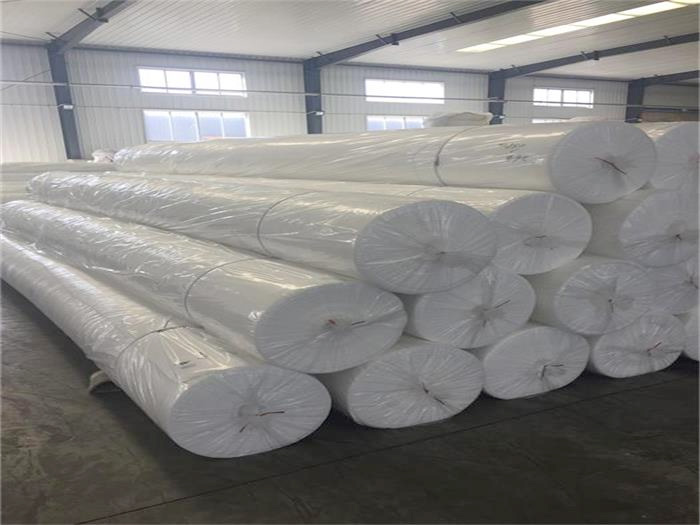
The cured fabric is wound, measured, and cut. Roll length, width, and thickness are logged. Protective packaging preserves the geotextile from UV damage during transport and storage.
Our QC lab conducts physical and chemical tests on each batch. We measure tensile strength, CBR puncture resistance, and permeability to verify complete compliance before shipment.
To get the most out of geosynthetic materials, proper selection and installation are crucial. As a full-service provider, Shandong Hongyue supports projects from the design phase to installation.
Selecting the ideal geosynthetic depends on your project's specific mechanical and environmental demands. For example, High-Density Polyethylene (HDPE) is perfect for landfills and chemical storage due to its chemical resistance, while Linear Low-Density Polyethylene (LLDPE) offers the flexibility needed for irregular terrains.
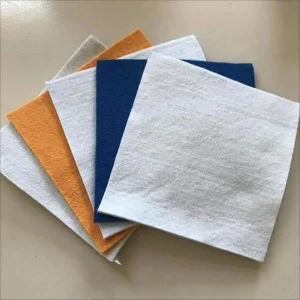
When pairing geomembranes with geotextiles, the fabric acts as a protective shield. Non-woven, needle-punched geotextiles absorb physical impacts and distribute stresses, protecting the barrier from punctures.
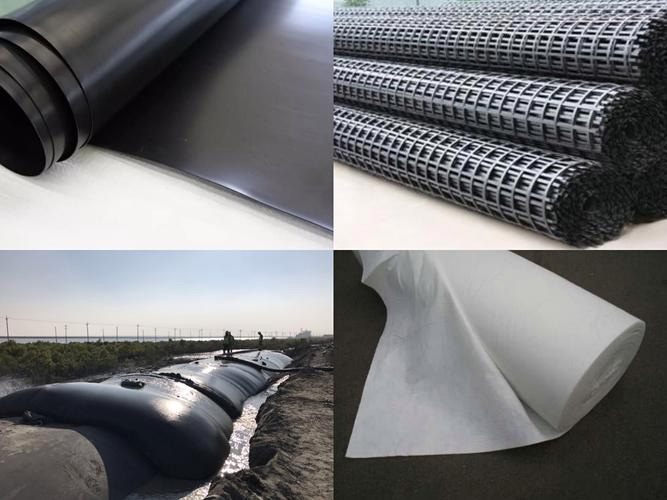
First-rate materials can still fail if installed incorrectly. Successful geosynthetic installation relies on three core steps:
Geosynthetics play a vital role in protecting and stabilizing diverse engineering projects. Shandong Hongyue designs and manufactures integrated systems tailored to specific environmental applications.
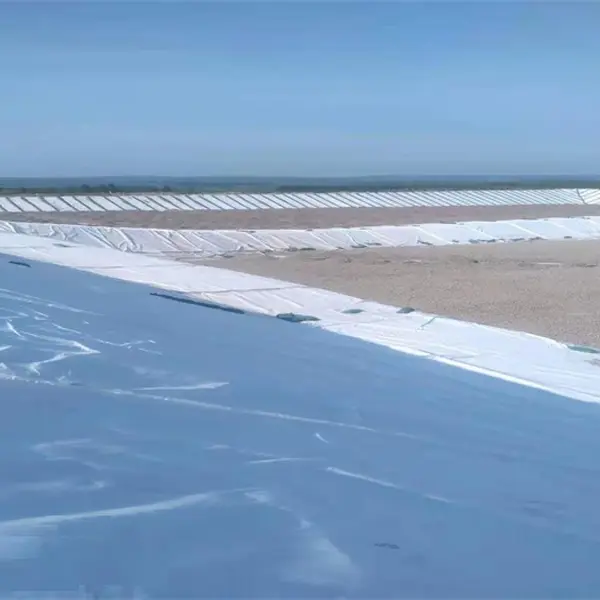
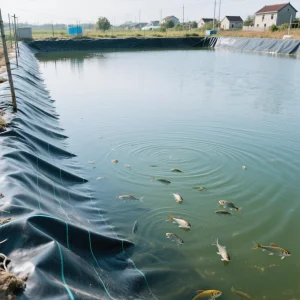
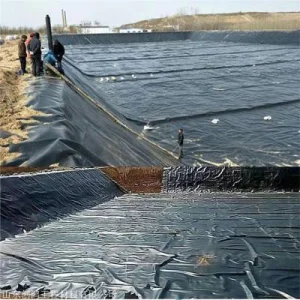
Combines geomembranes and protective geotextiles in dams and reservoirs to prevent seepage and protect structural foundations from water damage.
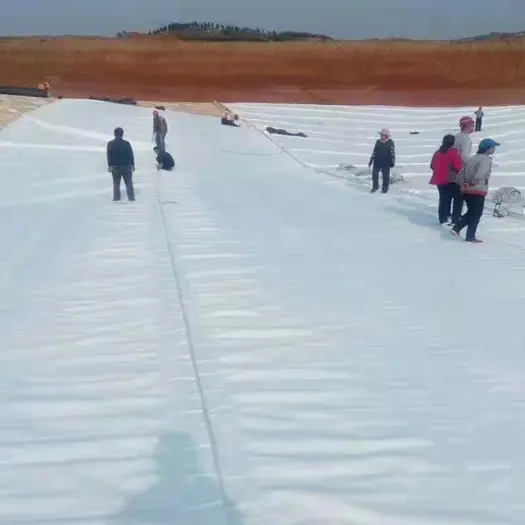
Lines canals, rivers, and artificial channels to stop water loss, prevent bank erosion, and stabilize surrounding soils.
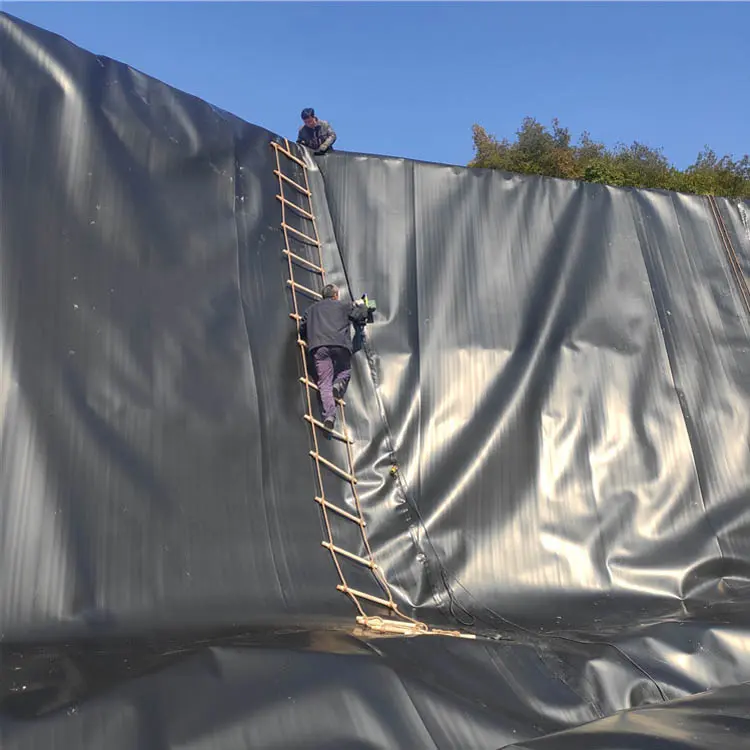
Multi-layered lining systems that isolate waste and collect leachate, keeping local soil and groundwater safe from contamination.
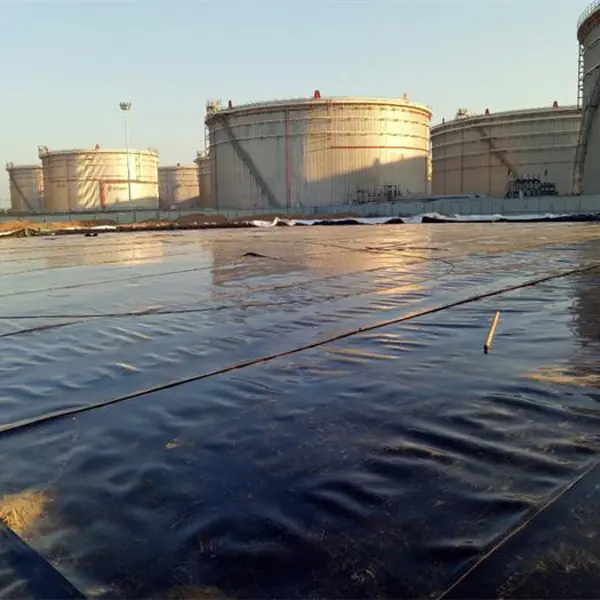
Provides robust secondary containment for oil storage tanks, preventing hazardous chemical leaks from reaching the environment.
Procuring geosynthetic materials for major public or private infrastructure projects demands diligent risk management. When ordering at scale, buyers should evaluate three critical factors:
With a registered capital of 105 million yuan, advanced production facilities, and an experienced engineering team, Shandong Hongyue is built to handle large-scale, demanding global projects.
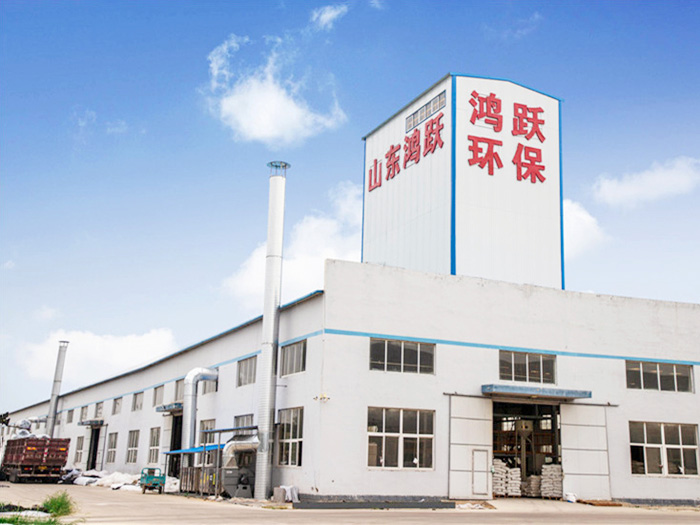
Inside our state-of-the-art production facility, where technology and testing ensure high-performance geosynthetics.
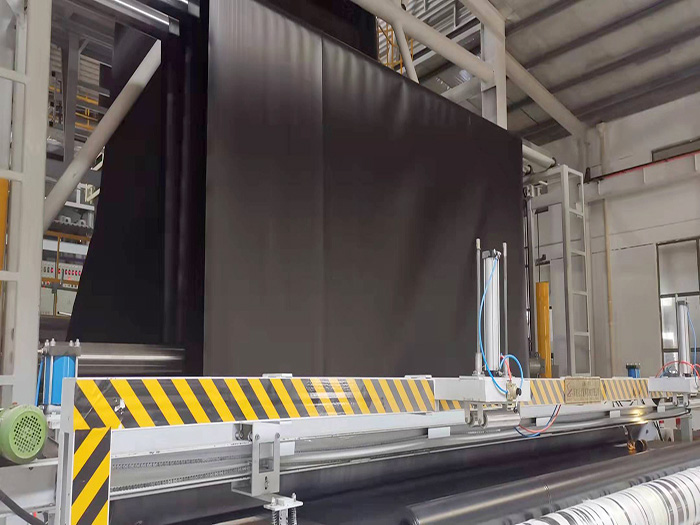
High-speed fiber entanglement systems that deliver consistent thickness, high tensile strength, and optimized water permeability.
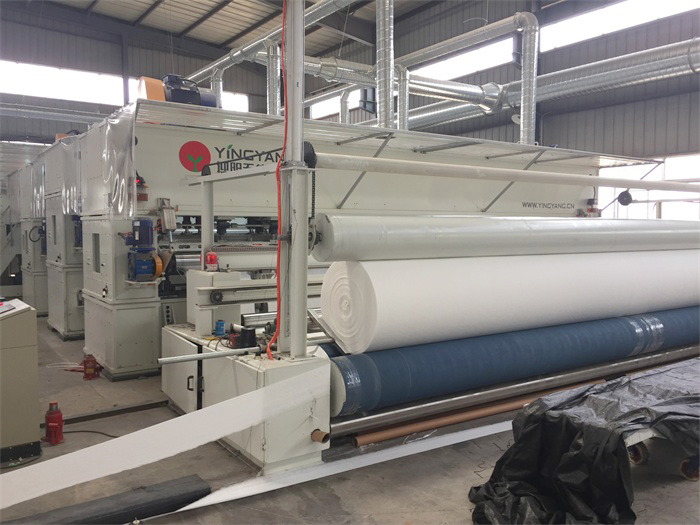
Precise dosing and mixing systems that blend high-performance polymers to meet specific tensile and resistance requirements.
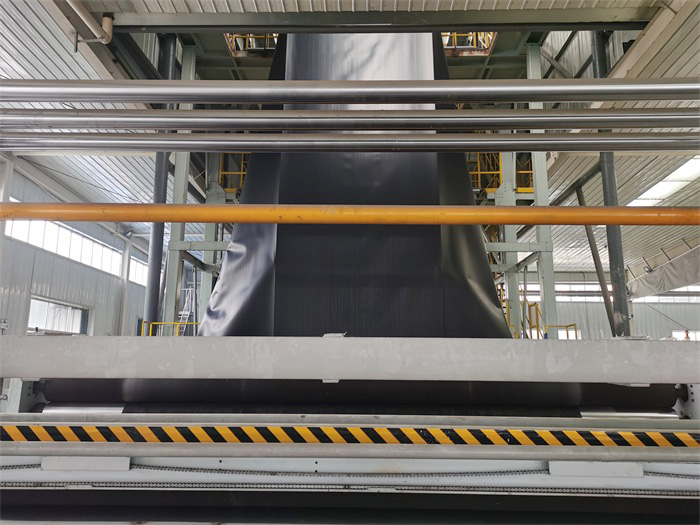
Heat-bonding lines that smooth the fabric's surface, improving puncture resistance and handling during installation.
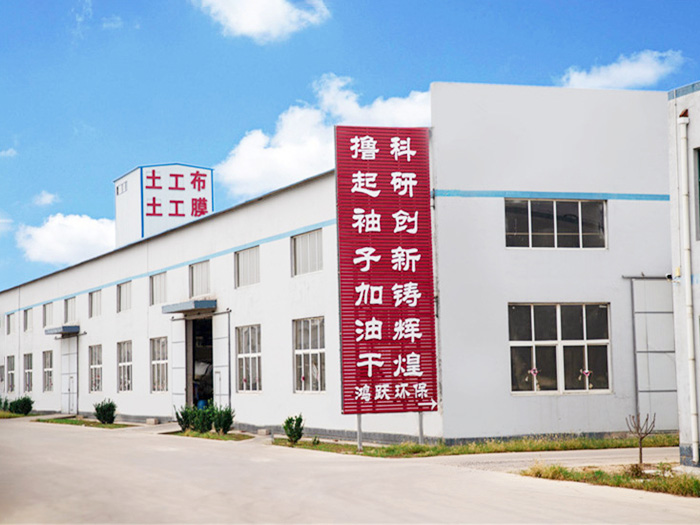
Extrusion systems designed to manufacture wide-width continuous filaments, minimizing joints and weak points in the field.
Equipped with high-precision testing instruments to monitor physical properties and keep products compliant with international standards.
Verifies the purity, density, and molecular weight of incoming polymer resins to ensure long-term durability in the field.
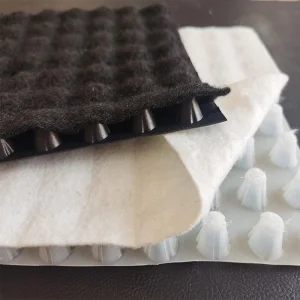
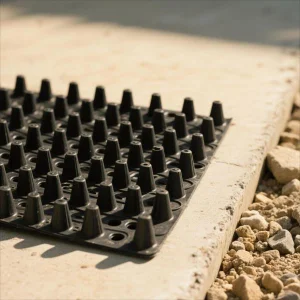
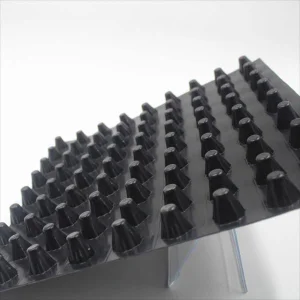
Laminates geotextiles directly to geomembranes and drainage nets, creating integrated, multi-functional geosynthetic systems.
Secures and stores rolls with UV-protective wraps, maintaining product integrity until they arrive at the construction site.
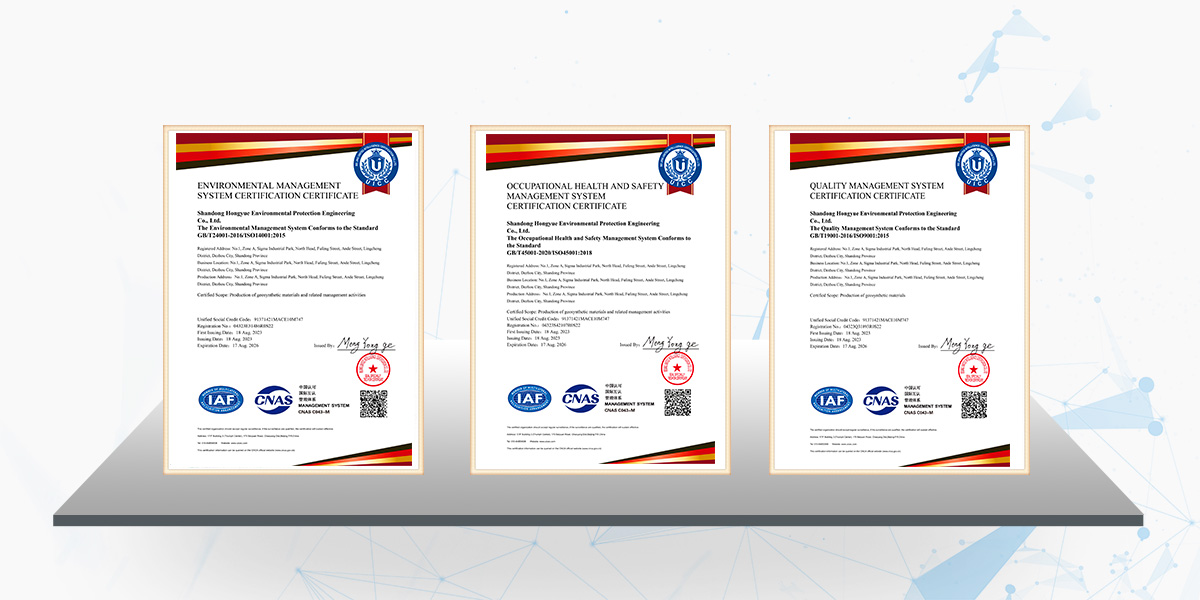
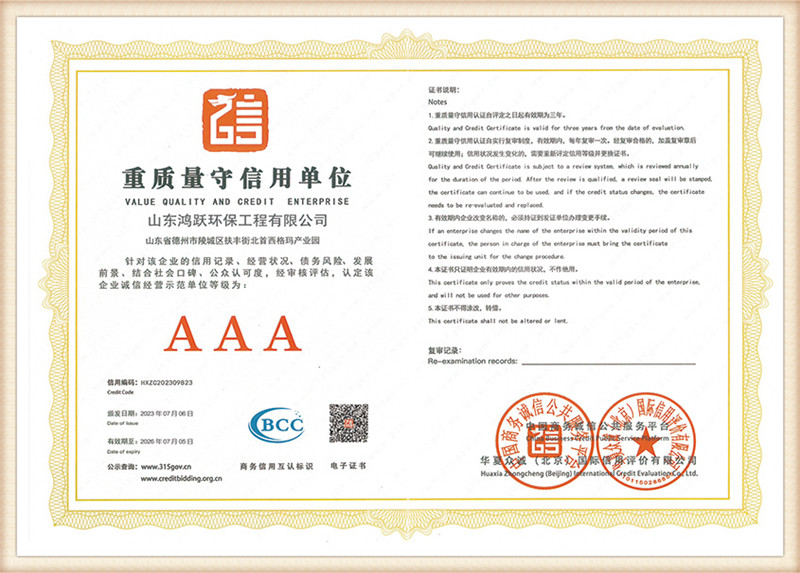
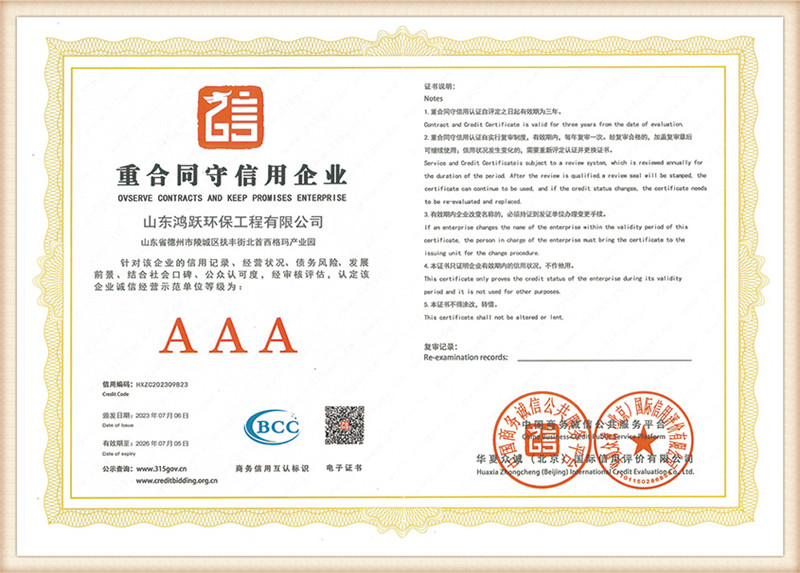
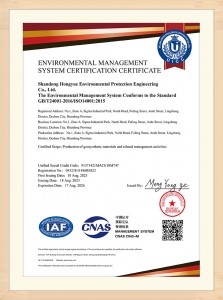
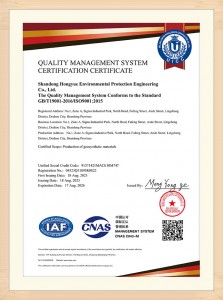
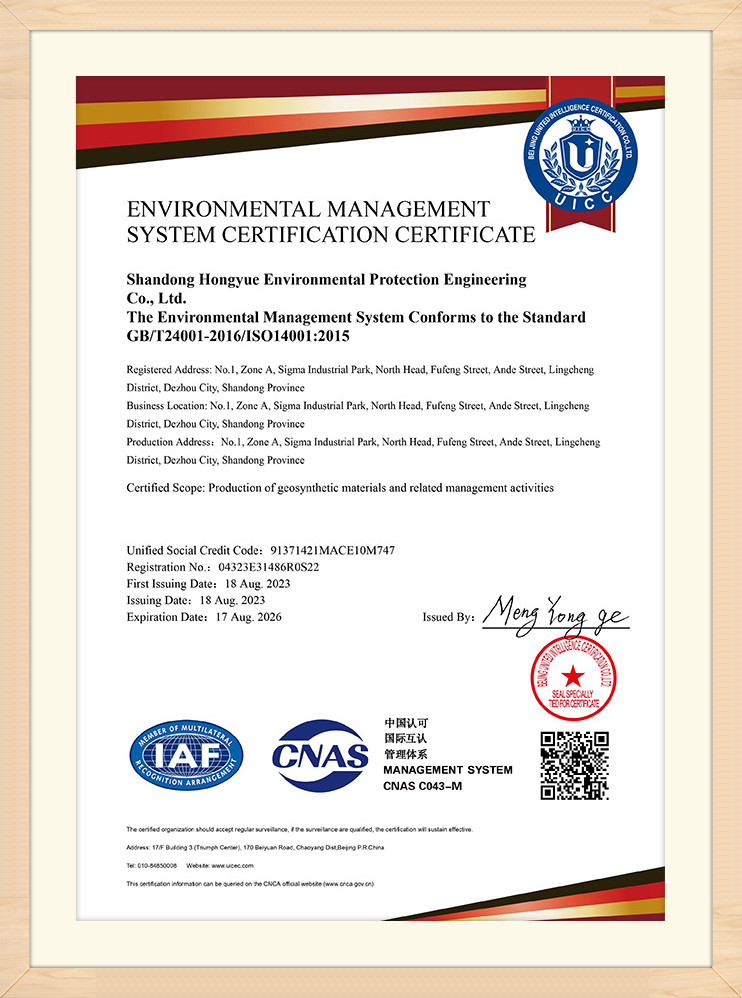
Shandong Hongyue has built its reputation on strict quality assurance. We operate under a certified management system that includes ISO 9001, ISO 14000, and ISO 45001.
Our materials undergo regular testing by the China National Testing Center and are verified to meet or exceed international standards. This commitment to quality has earned our products recognition from engineers, municipal authorities, and private developers globally.
Technical guidance and expert advice on choosing, testing, and installing geotextiles and geomembranes.
Both polymers have distinct characteristics:
Polyester (PET): Offers high tensile strength at low strain and excellent resistance to long-term creep. PET has a high melting point (approx. 260°C) and performs well in acidic soils, but can degrade in highly alkaline environments (pH > 9).
Polypropylene (PP): Features exceptional chemical resistance across both acidic and alkaline environments. It is lighter than PET, but more sensitive to UV degradation without stabilizer additives, and has a lower melting point (approx. 165°C).
CE certification is a legal requirement under the European Union’s Construction Products Regulation (CPR 305/2011). It guarantees that a product has been tested to meet consistent European safety and performance standards. Without CE certification, materials cannot be legally used in public works within the EU, as there is no standardized proof they will perform reliably under design loads.
The geotextile functions as a protective cushion. Geomembranes, though impermeable, can be punctured by sharp subgrade rocks, roots, or debris under hydraulic weight. Placing a heavy, non-woven needle-punched geotextile underneath or on top of the geomembrane distributes localized stresses and prevents punctures, preserving the barrier's integrity.
Durability tests assess the fabric's long-term performance:
1. UV Degradation Resistance (EN 12224): Measures tensile strength retention after exposure to concentrated UV radiation.
2. Chemical Resistance (EN 14030): Tests the fabric's stability when exposed to acidic and alkaline soil conditions.
3. Microbiological Resistance (EN 12225): Ensures soil microbes and fungi won't degrade the synthetic polymers.
We ensure consistency by managing the process from start to finish. Our facility monitors raw materials, controls melt temperatures, and performs regular mechanical tests at every stage of production. A complete testing report is generated for each batch, guaranteeing that our products meet specified engineering requirements before they leave our factory.
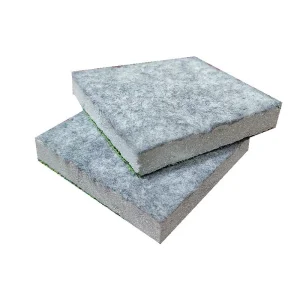
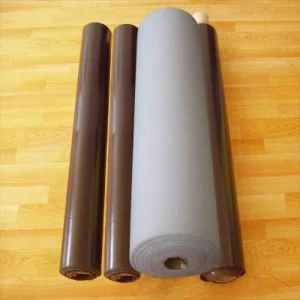
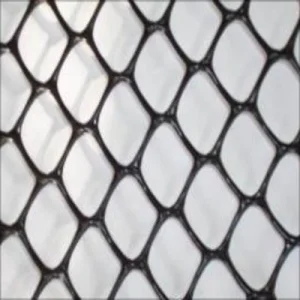
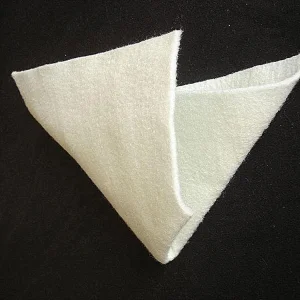
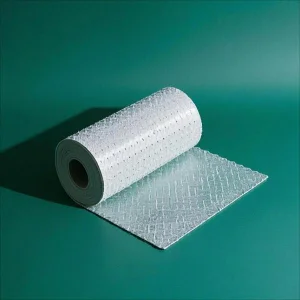
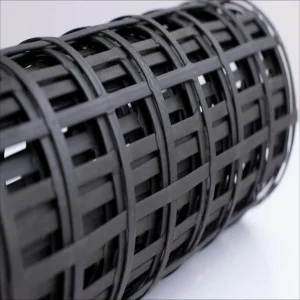
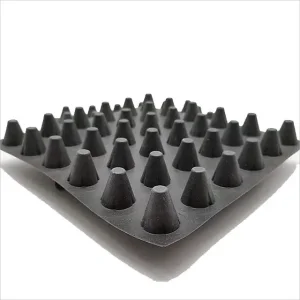
A comprehensive range of high-performance materials designed for erosion control, drainage, and structural reinforcement.
 Hongyue