In modern civil engineering, efficient subsurface water management is critical to structural stability. Among the methods used to manage subsurface runoff, the Soft Permeable Pipe (also commonly known as a flexible permeable hose or blind ditch pipe) has emerged as a key technology. Unlike traditional rigid perforated plastic piping, which often suffers from localized clogging, pipe shifts, and rapid physical degradation under heavy soil loading, soft permeable pipes offer a robust, flexible, and highly permeable alternative.
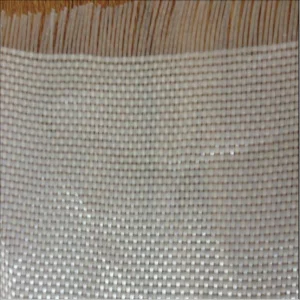
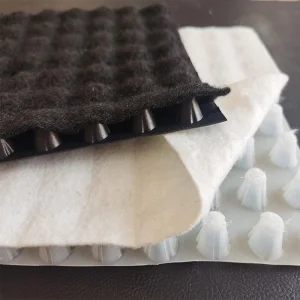
Typically composed of a high-strength spring steel wire skeleton wrapped inside synthetic fibers and needle-punched non-woven geotextile filtration layers, these pipes provide full 360-degree permeation. Water enters the pipe uniformly, while soil particles are filtered out to prevent internal clogging. This design achieves structural flexibility alongside superior hydraulic performance, making it highly effective for landslide prevention, roadbed drainage, agricultural water control, and environmental protection projects.
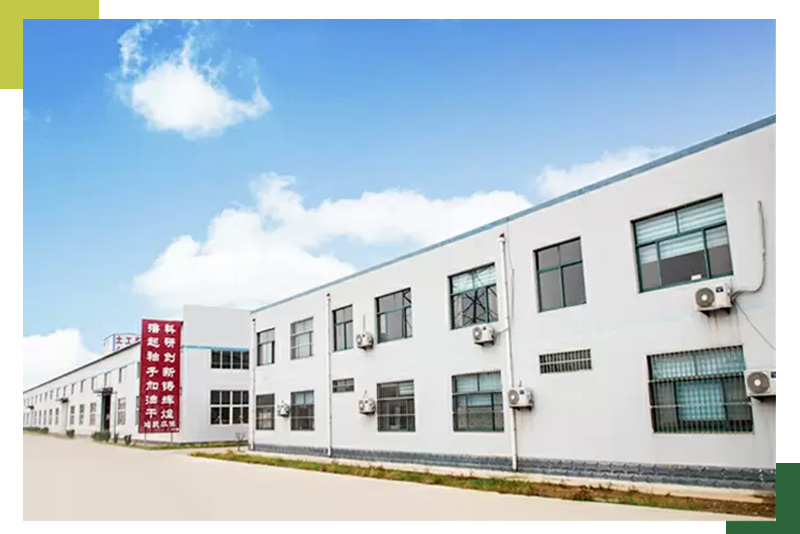
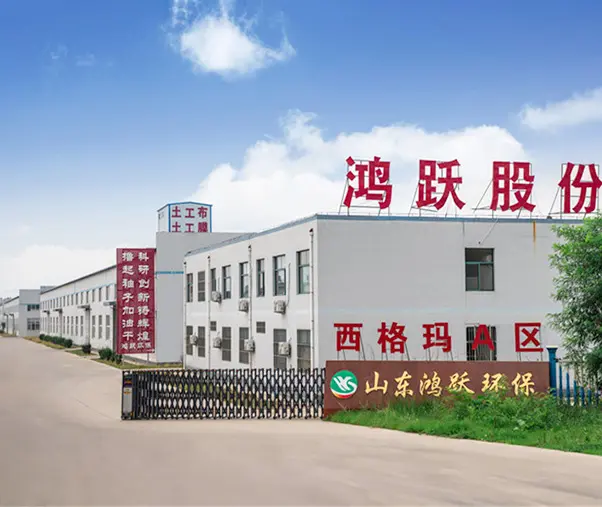
Shandong Hongyue Environmental Engineering Co., Ltd., located at the north end of Fufeng Street, Lingcheng District, Dezhou, Shandong Province, is an established manufacturer of geotechnical materials. We integrate engineering material production, sales, design, and construction services. The company was registered under the Lingcheng District Market Supervision and Administration Bureau of Dezhou City on April 6, 2023, with a registered capital of 105 million yuan.
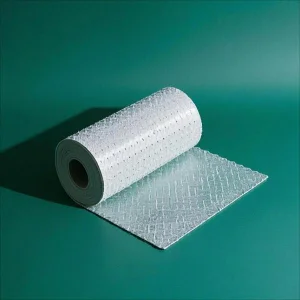
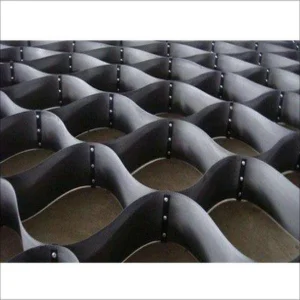
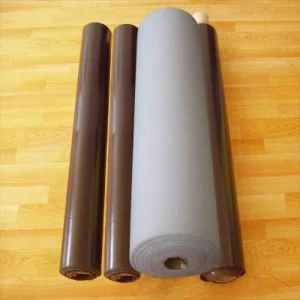
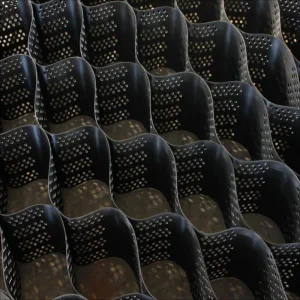
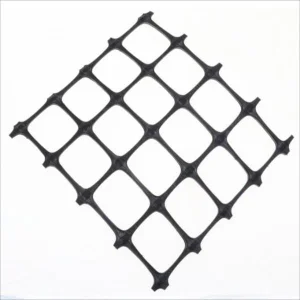
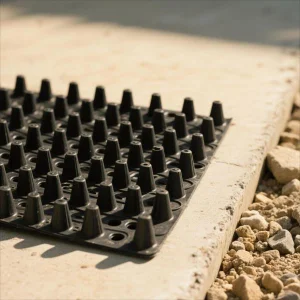
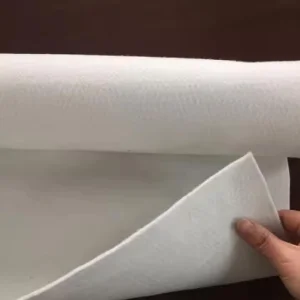
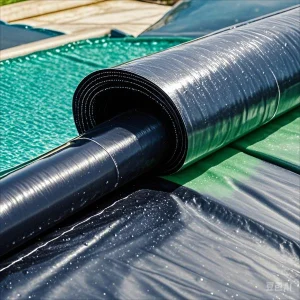
As one of China's major production bases for geotechnical materials, our facility in Dezhou enjoys a strong geographical position and robust logistics connections. Our portfolio spans a wide range of geosynthetics, including geotextiles, geomembranes, composite geomembranes, waterproof boards, bentonite waterproof blankets, 3D composite drainage nets, sheet-type drainage boards, woven fabrics, membrane bags, blind ditches, ecological bags, cement blankets, fiber plant blankets, and flexible pervious (soft permeable) pipes.
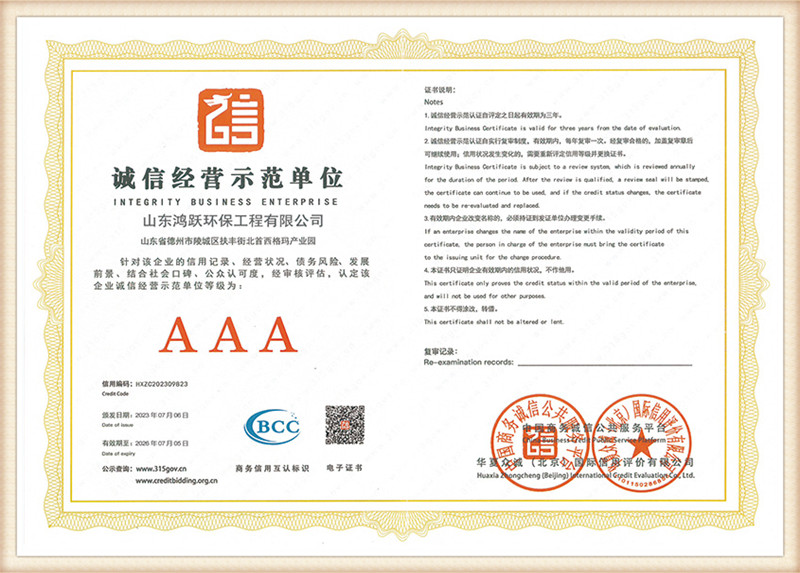
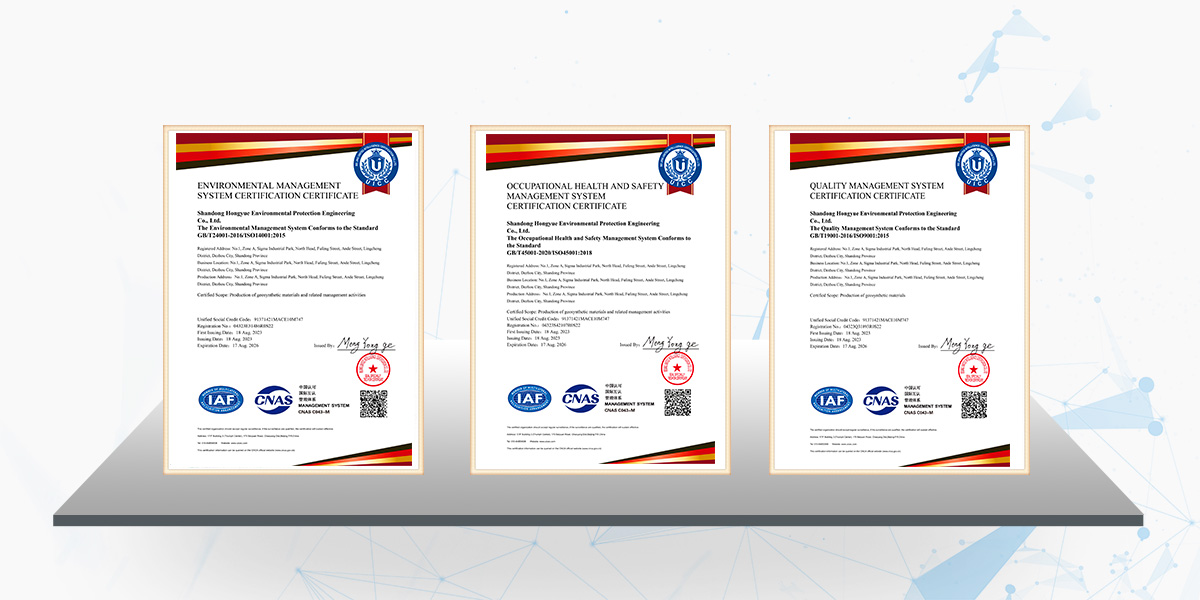
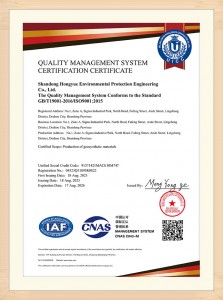
Quality is central to Shandong Hongyue's operations. The company has passed several key audits, securing ISO9001 international quality system certification, ISO14000 environmental system certification, and ISO45001 occupational health and safety management system certification. These standards govern every phase of our manufacturing process, ensuring consistent performance for major engineering projects worldwide.
Our materials consistently meet international quality standards. They have been validated by the China National Testing Center and verified through national quality inspections and sampling.
Shandong Hongyue has built active sales networks and agency relationships across major domestic cities like Shanghai and Beijing. Our products are exported to Europe, the United States, Australia, and regions throughout Asia.
With an experienced, specialized production and technical service team, we provide client consultations, custom site designs, and comprehensive field support for challenging engineering installations.
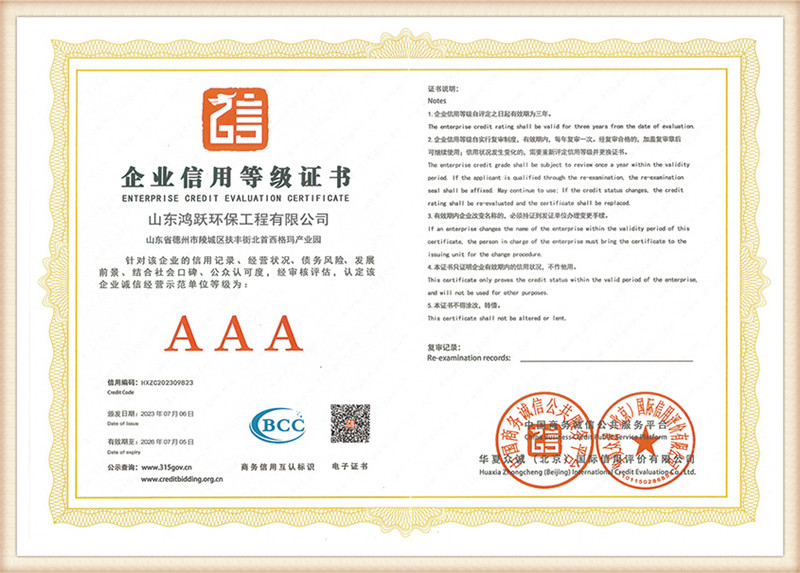
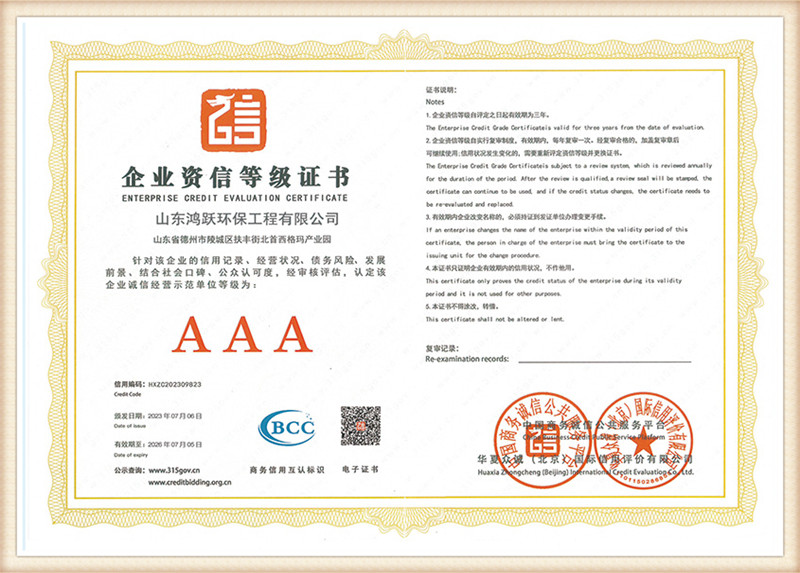
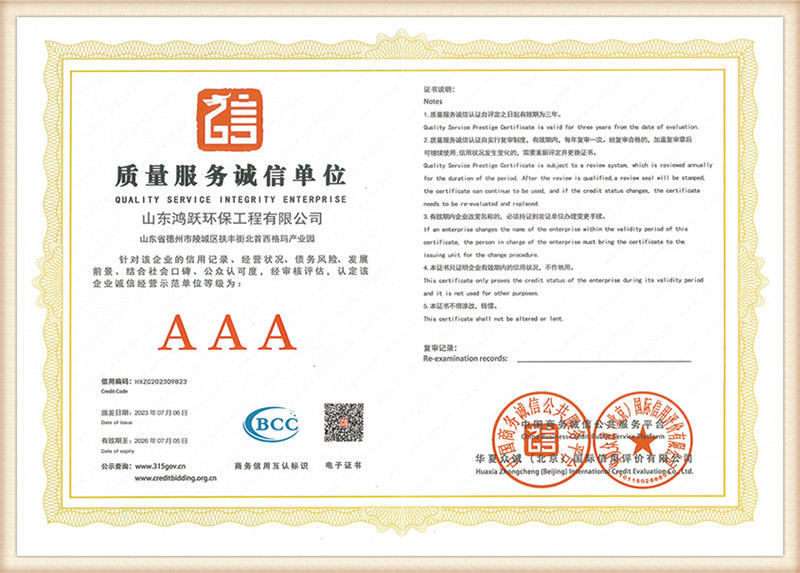
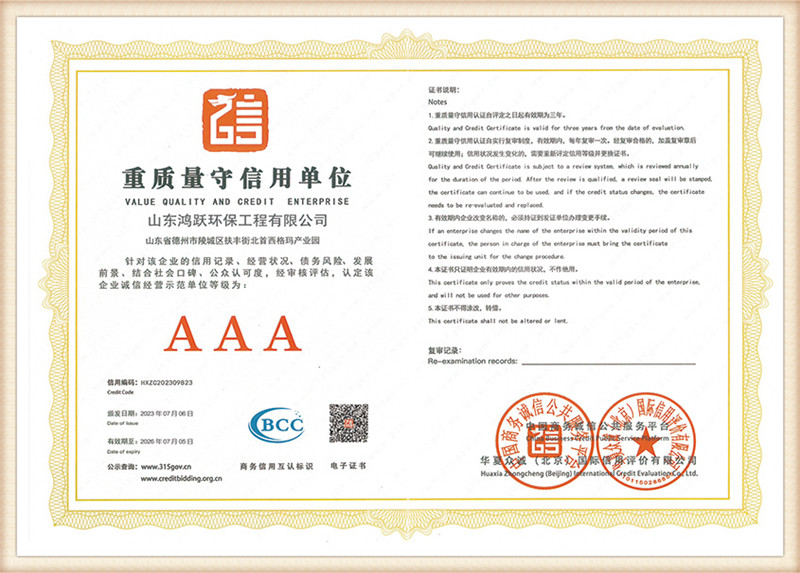
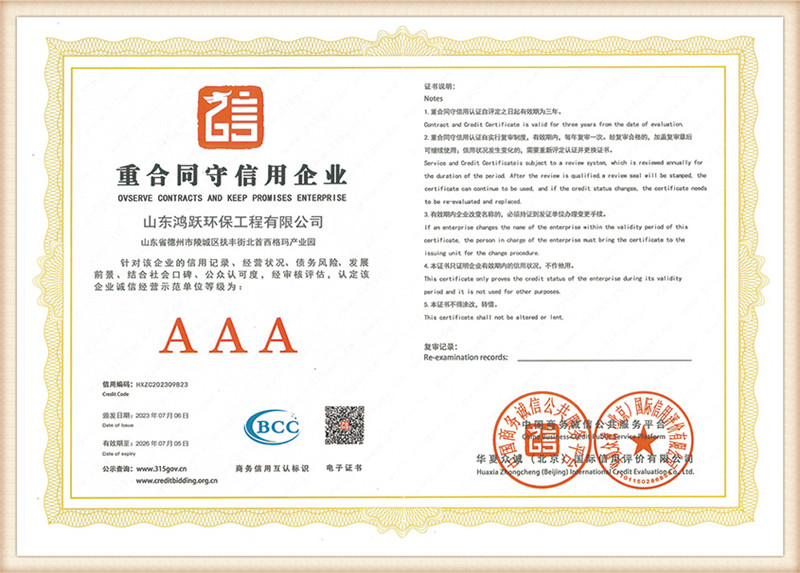
Our company is a member of the Dezhou Geotextile Association. We utilize modern manufacturing technologies and specialized testing machinery to measure physical parameters such as tensile strength, puncture resistance, burst pressure, and flow transmissivity.
Because of this focus on technical compliance, our materials have been awarded designations such as "Green and Environmentally Friendly Building Material Products" and "Famous Chinese Brands," supporting their use in critical infrastructure projects.
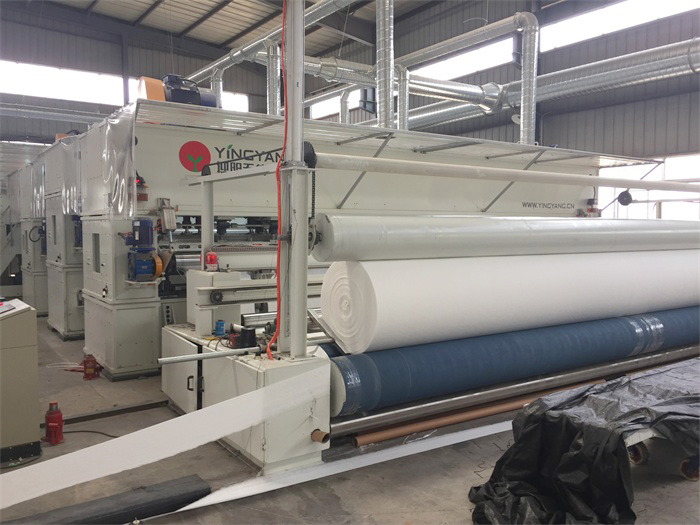
To understand the performance of our soft permeable pipes, we can look at the manufacturing techniques used in our geotextile and geomembrane production lines. The physical integrity of these materials is built from the ground up, starting with raw material selection.
Polyester chips (PET), polypropylene (PP) filament, and viscose fibers are inspected and stored under temperature-controlled conditions to ensure polymer consistency.
Polyester is melted at high temperatures, extruded by a twin-screw system, and blended with stabilizers to enhance resistance to UV radiation and thermal aging.
The molten blend is extruded through spinnerets to form continuous filaments, which are distributed onto a conveyor belt to produce a uniform web structure.
The web undergoes mechanical needle punching or thermal bonding to interlock the fibers, stabilizing their tensile strength and permeability.
Finished sheets are rolled, measured for weight, thickness, and tensile strength, and packaged for final delivery.
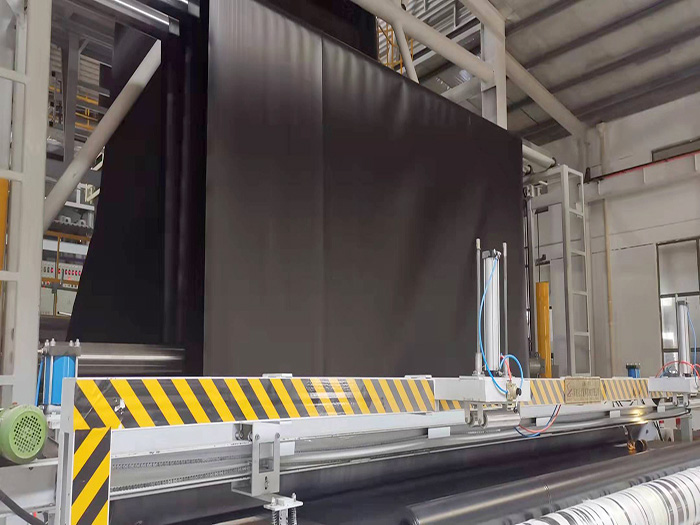
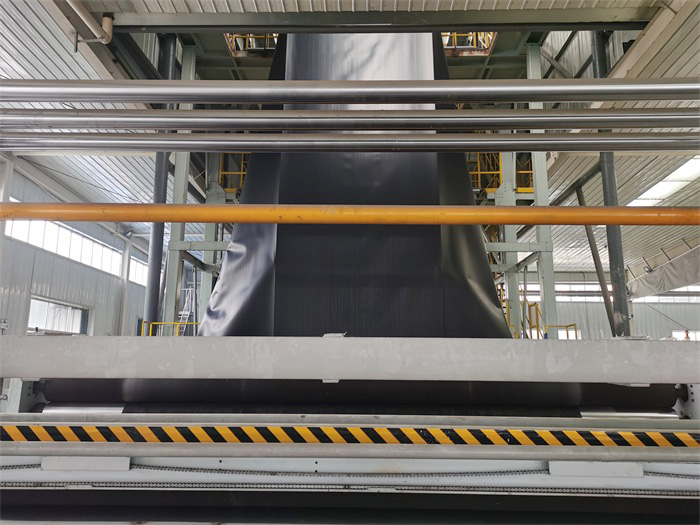
Our quality control protocols test the physical properties of each production run. These tests verify thickness, mass per unit area, Grab tensile strength, CBR puncture resistance, and hydraulic parameters such as permittivity and apparent opening size (AOS).
This verification process ensures that the geotextiles used to construct the outer filter sleeve of our soft permeable pipes remain stable under long-term soil pressures.
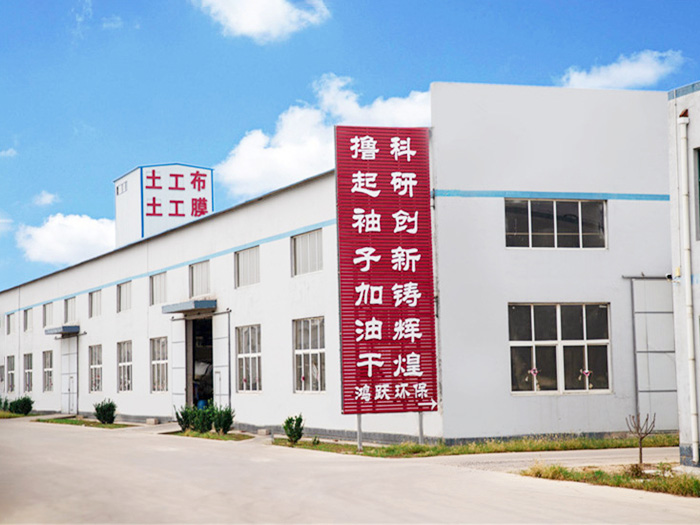
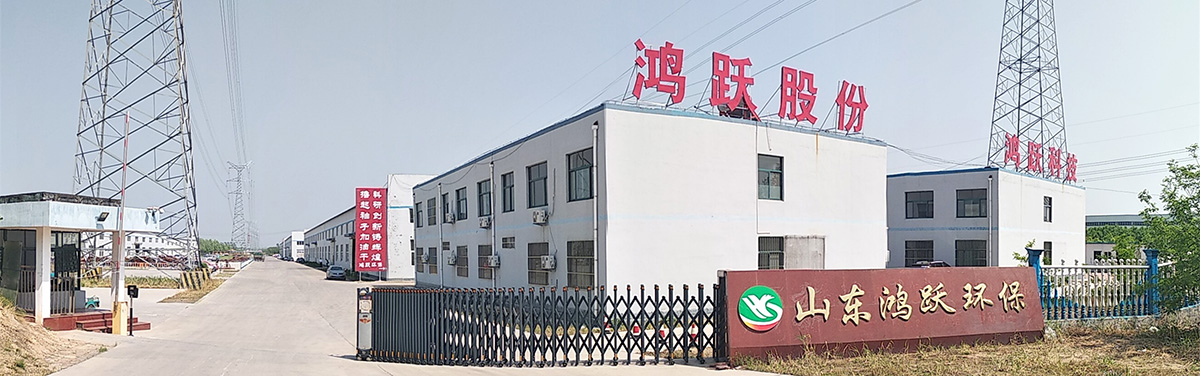
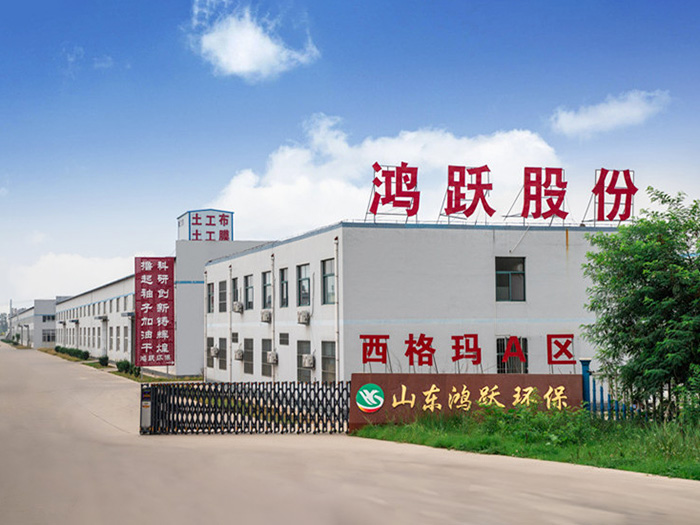
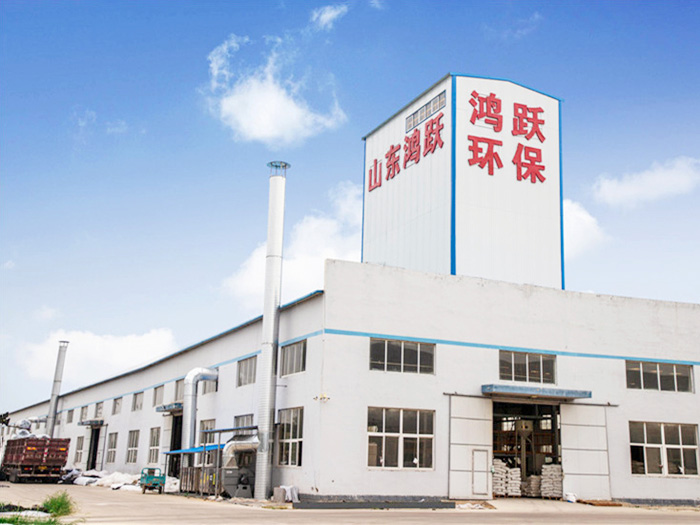
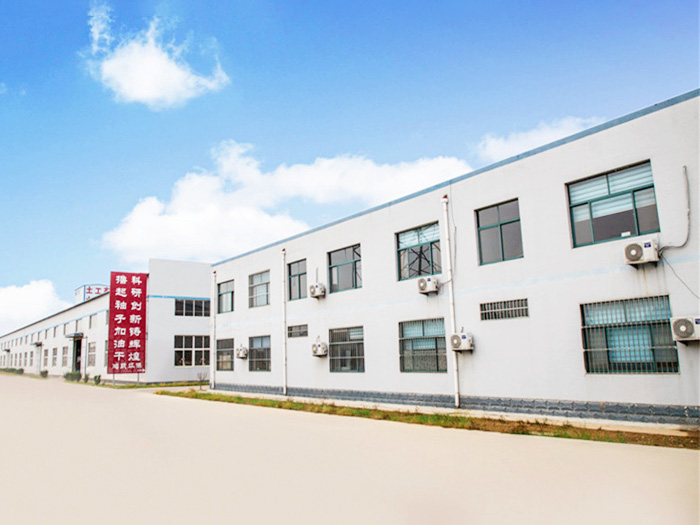
Dezhou, located in Shandong Province, serves as a hub for China's geotechnical materials industry. By operating in this geographic cluster, Shandong Hongyue accesses several regional advantages:
Our facility maintains direct connections with nearby petrochemical producers. This helps secure consistent pricing and stable supplies of high-grade PP and PET polymers, even during periods of market fluctuation.
With our 105 million yuan capital structure, we operate multiple extrusion, needle punching, and coating lines. This enables us to fulfill large-scale orders with consistent lead times.
Our location links directly with major freight routes and shipping hubs, including Qingdao Port and Tianjin Port. This transport network supports reliable international shipments and container logistics.
The success of geosynthetic projects depends on selecting the right combination of materials and installing them correctly. Shandong Hongyue provides design and installation guidelines to support our clients' engineering teams:
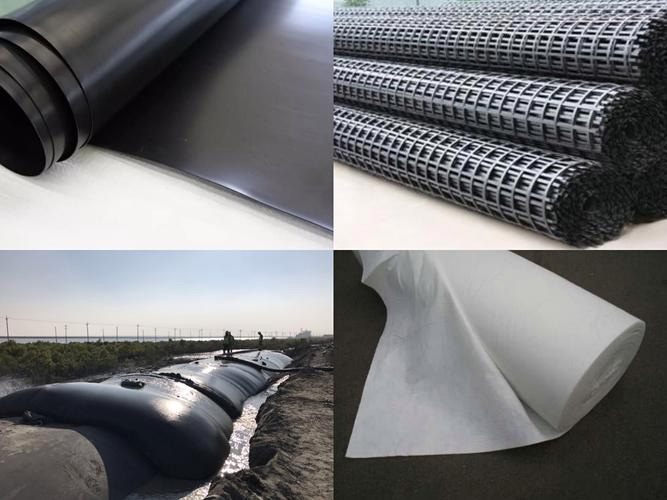
Selecting the appropriate geomembrane or drainage core is critical. Engineers must evaluate chemical compatibility (such as in landfill linings or mining heaps), anticipated static loads, and soil characteristics. For seepage control, high-density polyethylene (HDPE) is typically specified, while linear low-density polyethylene (LLDPE) is preferred for projects requiring high flexibility.
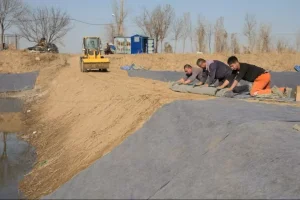
Subgrade preparation is critical: all sharp stones, roots, and debris must be removed to prevent puncture. Panels must be aligned with adequate overlap (typically 75mm to 150mm) and joined using double-track wedge welding. Quality control requires non-destructive air-pressure testing on all dual-track welds to verify seal integrity.
Exposed geomembranes should be inspected periodically for environmental stress cracking or physical damage. During construction, heavy machinery must not operate directly on the geosynthetic layers. Soil cover or protective geotextiles must be placed carefully to prevent mechanical damage.
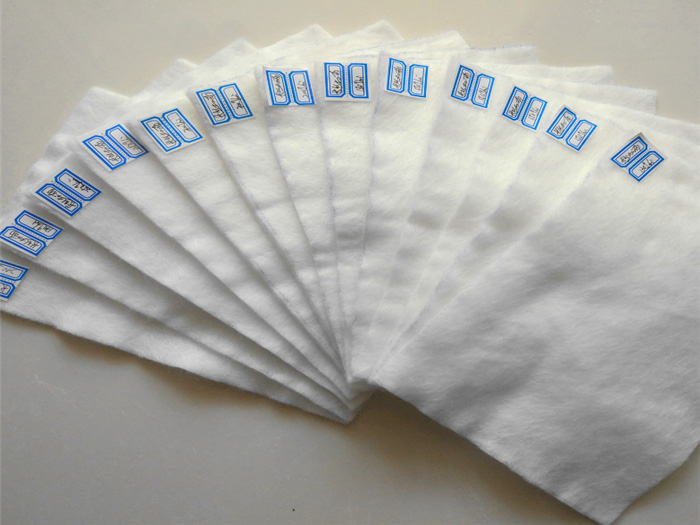
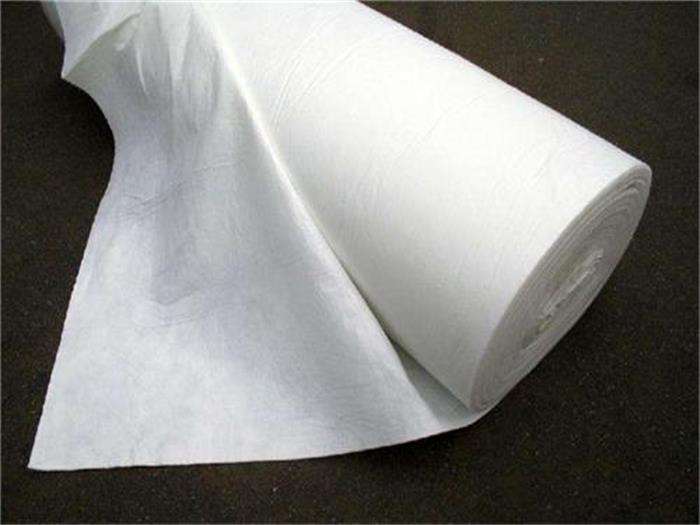
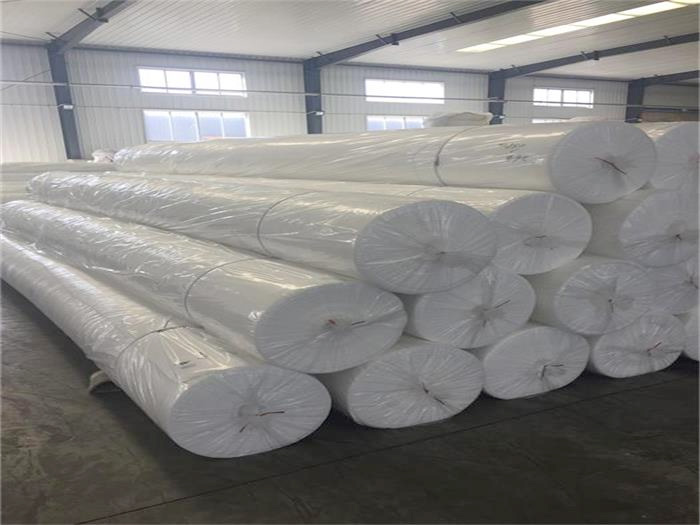
Geosynthetics serve as critical functional elements across many public works sectors. Here is how these systems are integrated:
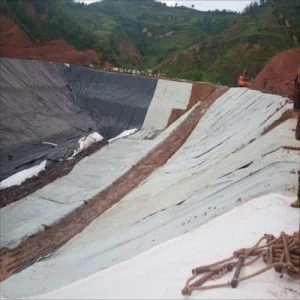
In dam and reservoir engineering, geomembranes act as impermeable barriers that prevent seepage loss and protect structural cores. This helps maintain reservoir levels and mitigates piping risks within earth-fill structures.
Soft permeable pipes and composite drainage boards drain water away from subgrades and base courses. Removing water from these zones prevents subgrade softening, swelling, and frost heave.
In landfills, chemical containment systems, and tailing heaps, geomembranes form low-permeability composite liners. These barriers contain leachates, protecting surrounding groundwater sources.
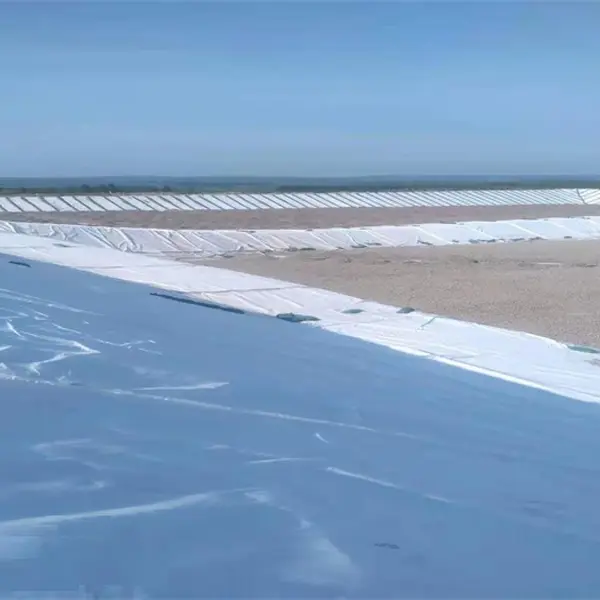
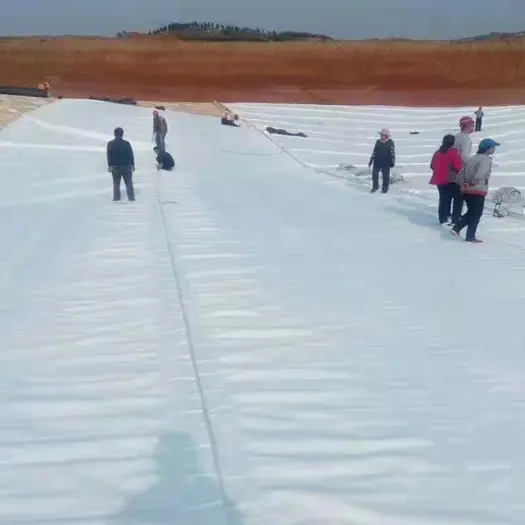
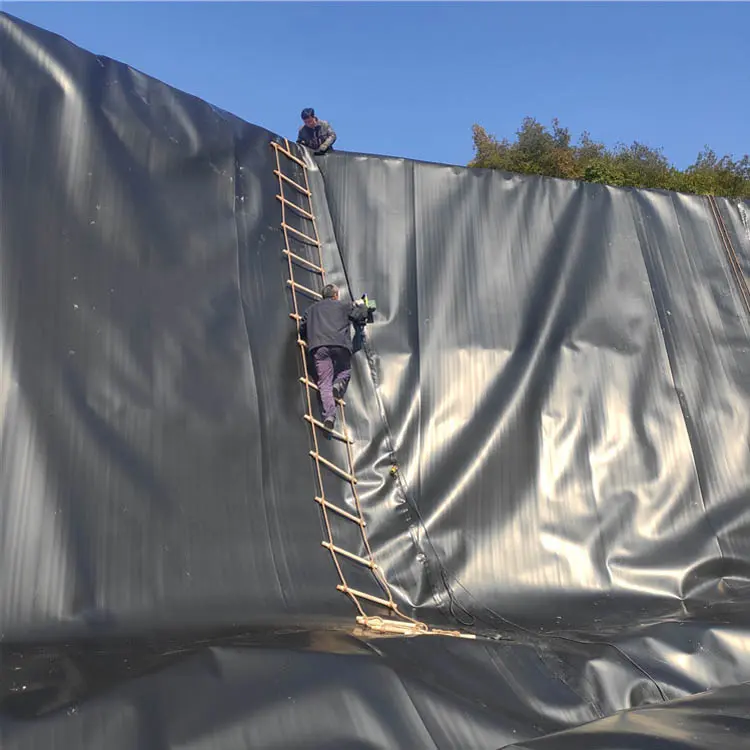
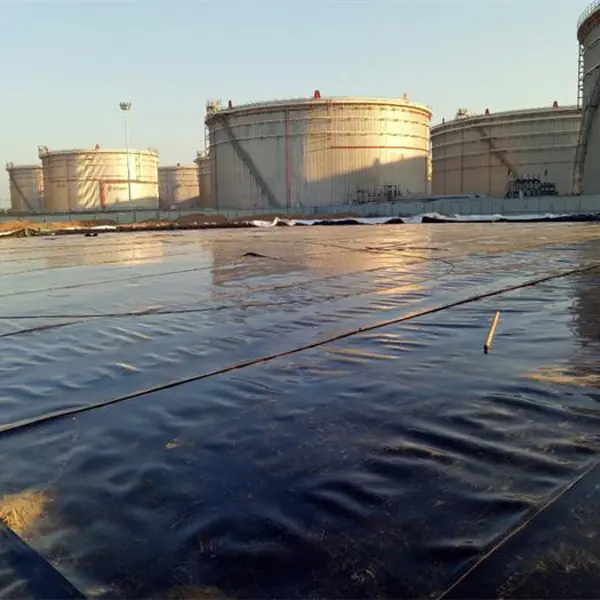
Our materials are designed for long-term stability in demanding environments, including deep-tunnel drainage, slope stabilization in mining, and agricultural salinity control.
By preventing soil movement while allowing water to flow, our soft permeable pipes help reduce maintenance costs and extend the service life of major civil infrastructure projects.
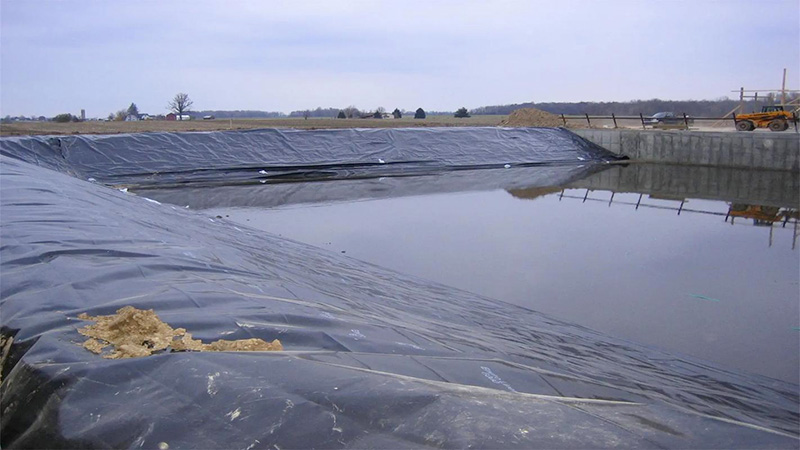
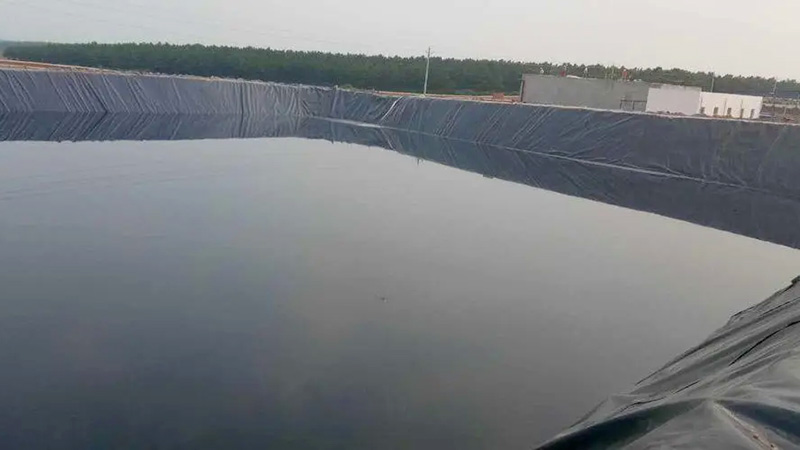
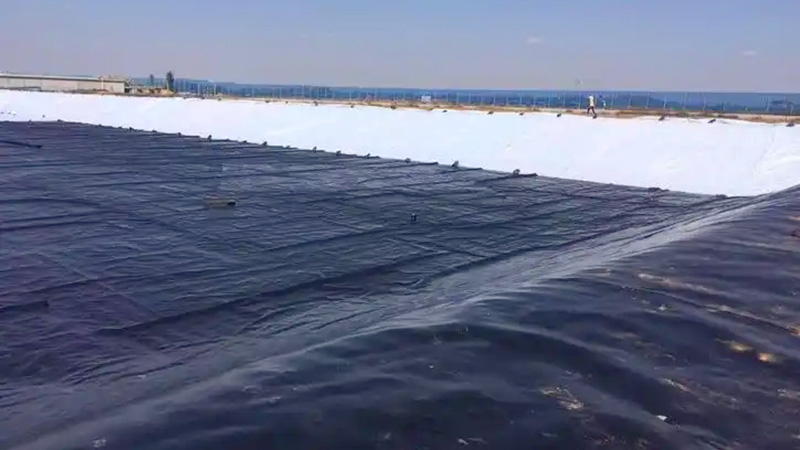
Our quality assurance protocols verify that all shipped batches meet customer specifications. Below are records of our material inspections and quality certifications:
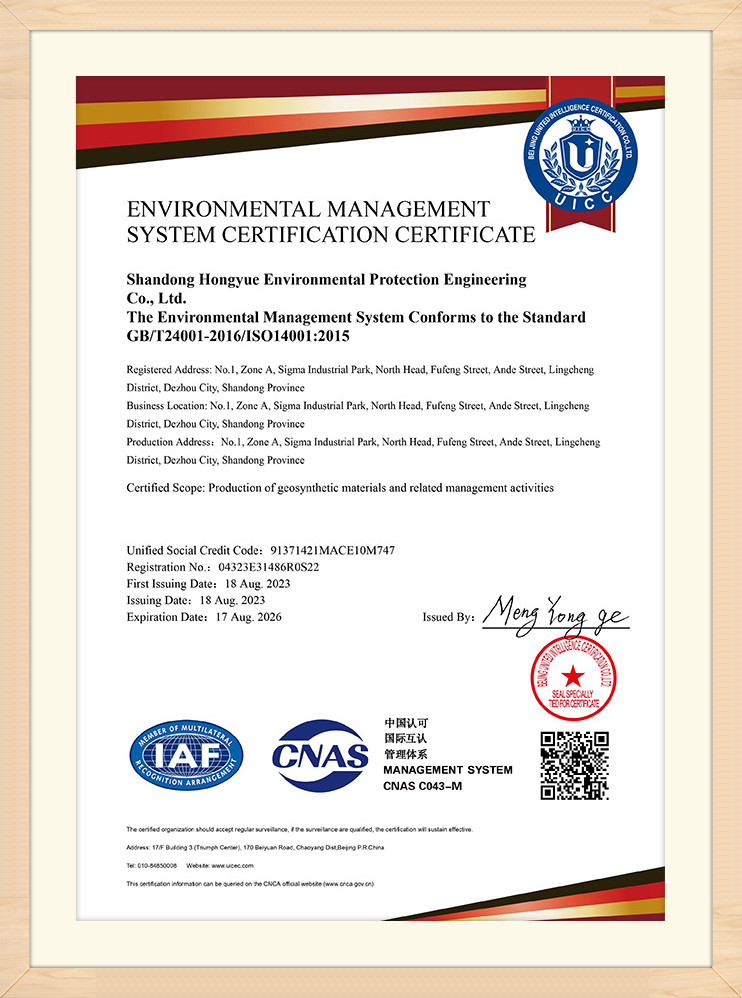
Our company maintains an ISO9001-certified management system. All materials are tested to ensure they meet specified mechanical and physical performance standards before dispatch.
We provide full documentation for all shipments, including batch reports, raw material analysis sheets, and installation guidelines to support regulatory approvals.
The global geosynthetics market continues to evolve, driven by infrastructure development, environmental regulations, and technical advances in polymer chemistry:
There is growing demand for geosynthetics produced with recycled polymers and reduced carbon footprints. Manufacturers are refining extrusion technologies to lower energy consumption while maintaining long-term physical performance.
Integrating sensors into geotextiles and drainage layers allows engineers to monitor water flow, pressure, and structural shifts in real-time. This technology supports preventive maintenance for key infrastructure projects.
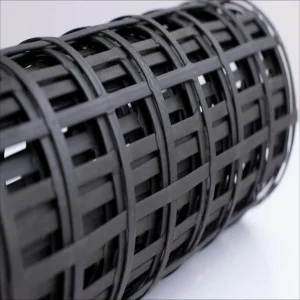
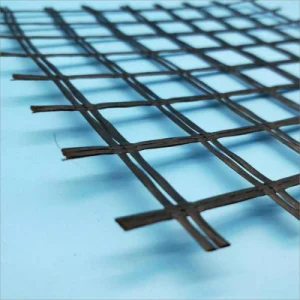
Using composite materials—such as combining geotextiles with geomembranes or geogrids—creates multi-functional products that handle filtration, drainage, and structural reinforcement in a single installation step.
 Hongyue