Explore our high-performance industrial engineering and filtration solutions, manufactured to strict global standards.
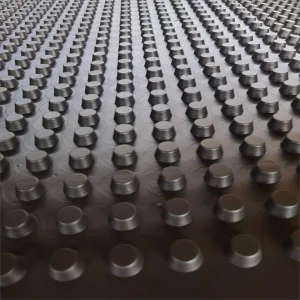
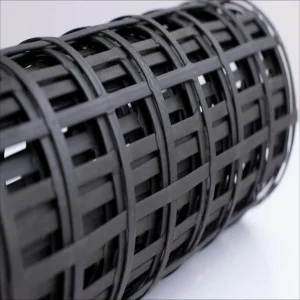
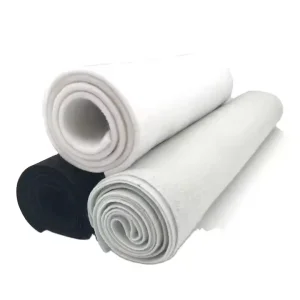
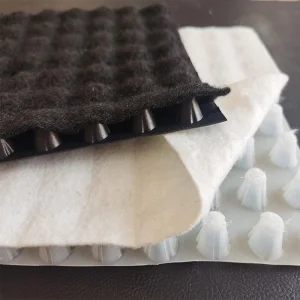
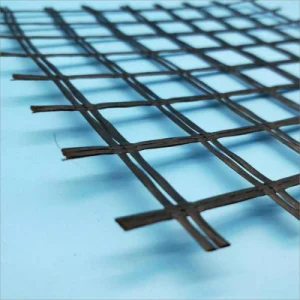
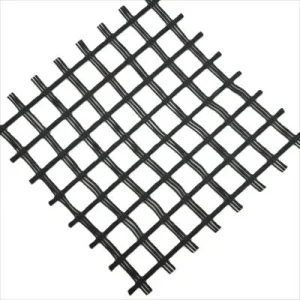
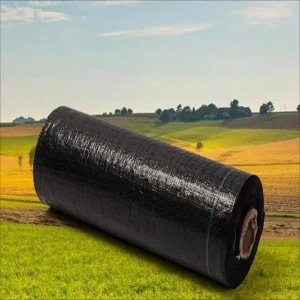
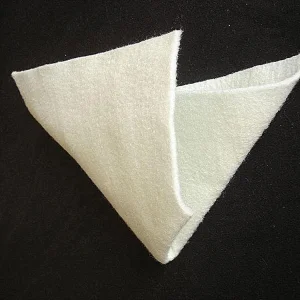
Geotextile fabric with a density of 300 grams per square meter (300gr) represents a crucial structural classification in the civil engineering and soil reinforcement sectors. Often referred to as heavy-duty drainage filter fabrics, 300g/m² geotextiles balance permeability and tensile strength perfectly.
These materials are manufactured using high-molecular-weight polymers, typically polyester (PET) or polypropylene (PP), designed to withstand intense mechanical stress and chemical degradation. Through advanced needle punching, the loose synthetic fibers form a robust, three-dimensional porous structure that facilitates water flow while holding back fine soil particulates.
Filtration & Drainage: High hydraulic conductivity prevents hydrostatic pressure buildup, crucial for retaining walls and dam toes.
Separation & Reinforcement: Eliminates intermixing of subgrade soils and coarse aggregate base, reducing rutting in road construction.
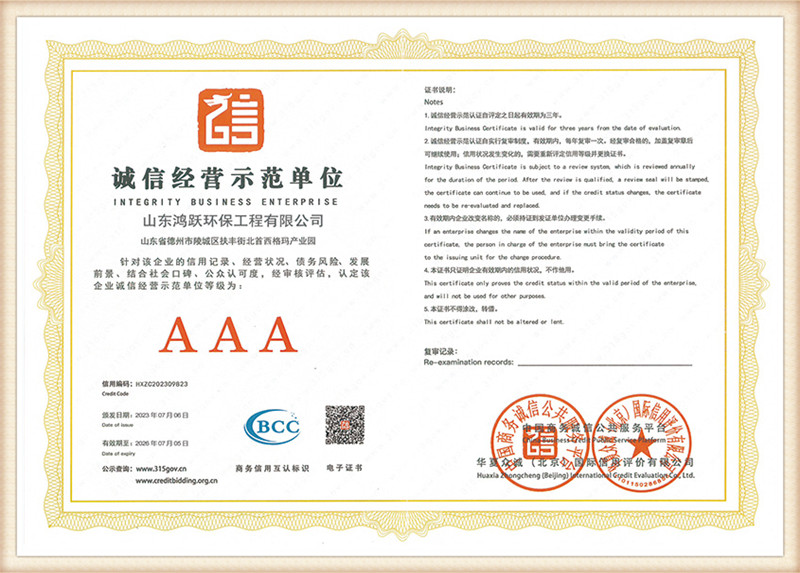
Engineered to meet international ASTM, EN, and ISO structural standards for large-scale infrastructure projects.
| Property Parameter | Short Fiber Needled Punched (PET) | Spun Polyester Filament (PET) | Polypropylene (PP) Filament | Standard Test Method |
|---|---|---|---|---|
| Tensile Strength (MD) | ≥ 11.0 kN/m | ≥ 20.0 kN/m | ≥ 25.0 kN/m | ASTM D4632 / ISO 10319 |
| Tensile Strength (CD) | ≥ 9.5 kN/m | ≥ 18.0 kN/m | ≥ 22.0 kN/m | ASTM D4632 / ISO 10319 |
| CBR Puncture Resistance | ≥ 1.8 kN | ≥ 3.2 kN | ≥ 4.0 kN | ASTM D6241 / ISO 12236 |
| Elongation at Break | 25% - 60% | 25% - 50% | 15% - 30% | ASTM D4632 |
| Water Permeability | 1.0 - 3.5 × 10⁻¹ cm/s | 1.5 - 4.5 × 10⁻¹ cm/s | 1.2 - 3.8 × 10⁻¹ cm/s | ASTM D4491 / ISO 11058 |
| Apparent Opening Size (AOS) | 0.07 - 0.20 mm | 0.05 - 0.15 mm | 0.07 - 0.18 mm | ASTM D4751 / ISO 12956 |
How 300gr geotextiles operate within multi-layered systems to protect the environment and reinforce heavy structures.
In river regulation and canal alignment projects, Geotextile 300gr acts as a protective buffer underneath geomembranes. By distributing localized stress and preventing soil piping, it stops water leakage and protects river banks from fast currents and heavy erosion.
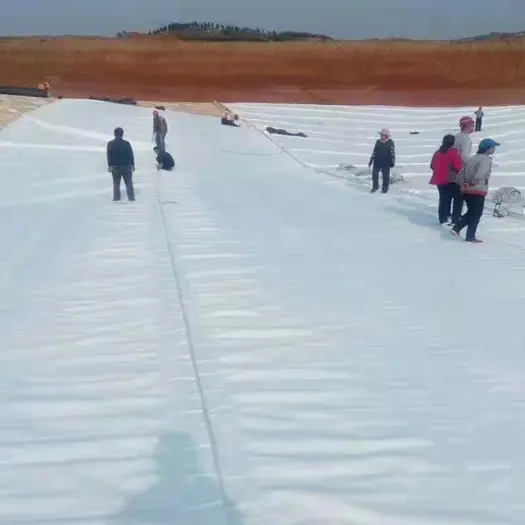
Critical environment systems demand thick protection layers. 300gr nonwoven geotextiles provide a reliable defense for geomembranes against sharp stones and rocks in the subgrade, helping to prevent municipal waste liners from puncturing and leaking.
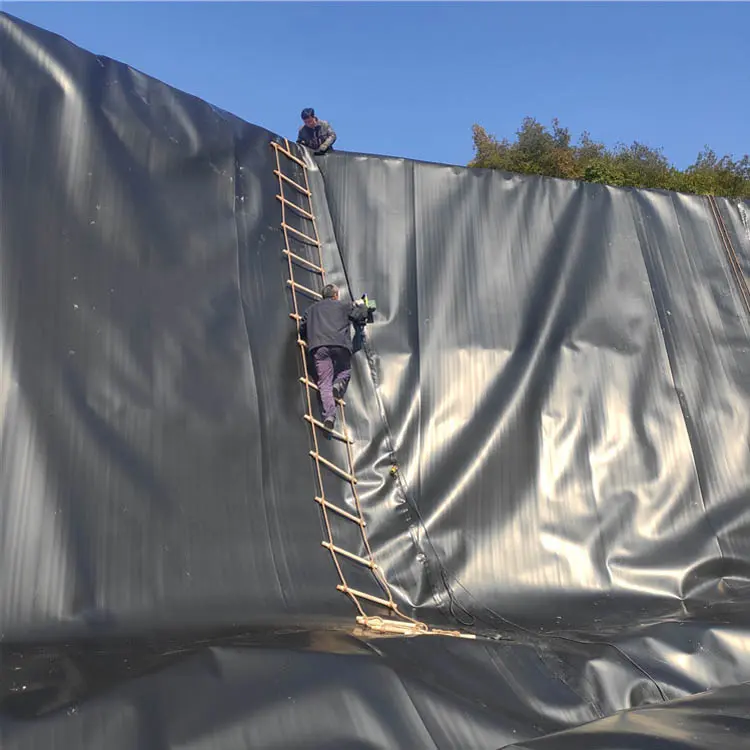
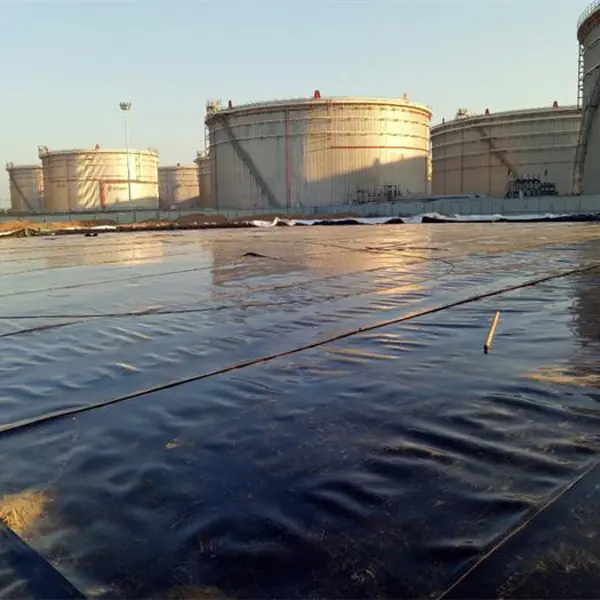
High-risk petrochemical holding zones rely on secondary containment liners. Using a combination of concrete, geomembrane, and 300gr geotextile ensures that chemical leaks cannot penetrate the groundwater table, maintaining environmental safety standards.
The manufacturing process of Geotextile 300gr involves precise temperature controls and high-density needle punching to secure physical performance.
The main raw materials of geotextile are polyester chips, polypropylene filament, and viscose fiber. These raw materials need to be inspected, arranged, and stored to ensure their quality and stability.
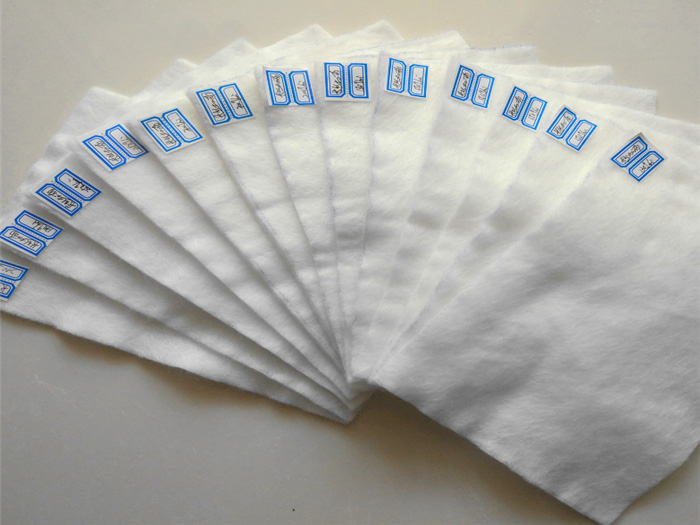
After the polyester slice is melted at high temperatures, it is extruded into a molten state by a screw extruder, and polypropylene filament and viscose fiber are added for mixing. In this process, the temperature, pressure, and other parameters need to be precisely controlled to ensure the uniformity and stability of the melting state.
After mixing, the melt is sprayed through the spinneret to form a fibrous substance and form a uniform network structure on the conveyor belt. At this time, it is necessary to control the thickness, uniformity, and fiber orientation of the mesh to ensure the physical properties and stability of the geotextile.
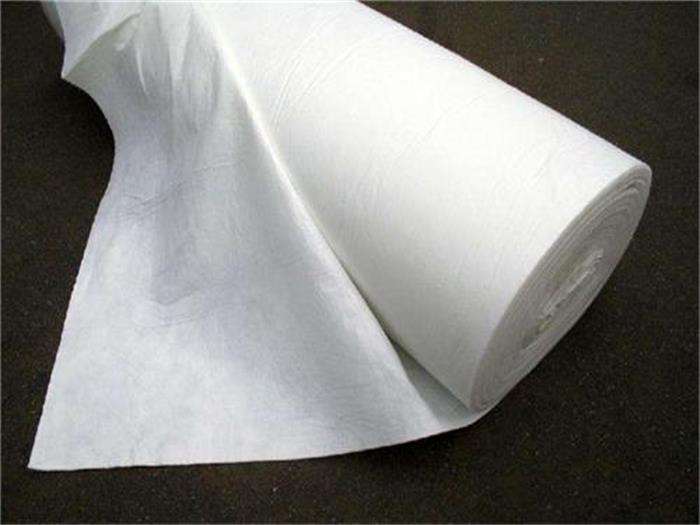
After laying the net into rolls, it is necessary to carry out draft curing treatment. In this process, the temperature, speed, and draft ratio need to be precisely controlled to ensure the strength and stability of the geotextile.
The geotextile after draft curing needs to be rolled up and packed for subsequent construction. In this process, the length, width, and thickness of the geotextile need to be measured to ensure that it meets the design requirements.
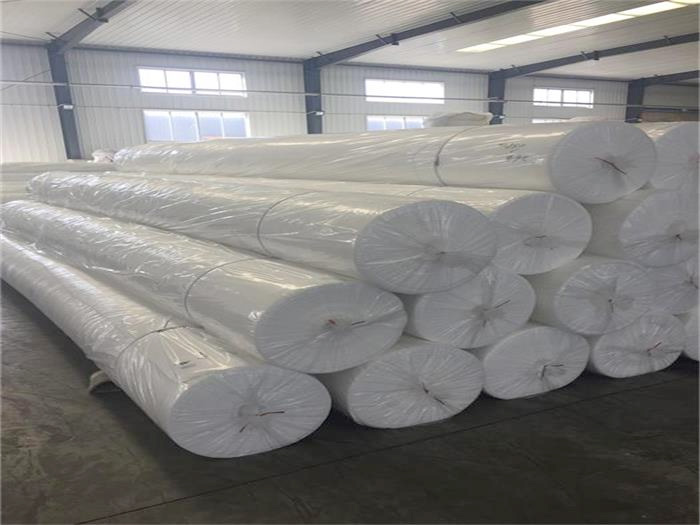
At the end of each production link, the quality of geotextile needs to be inspected. The inspection contents include physical property test, chemical property test, and appearance quality test. Only geotextiles that meet the quality requirements can be used in the market.
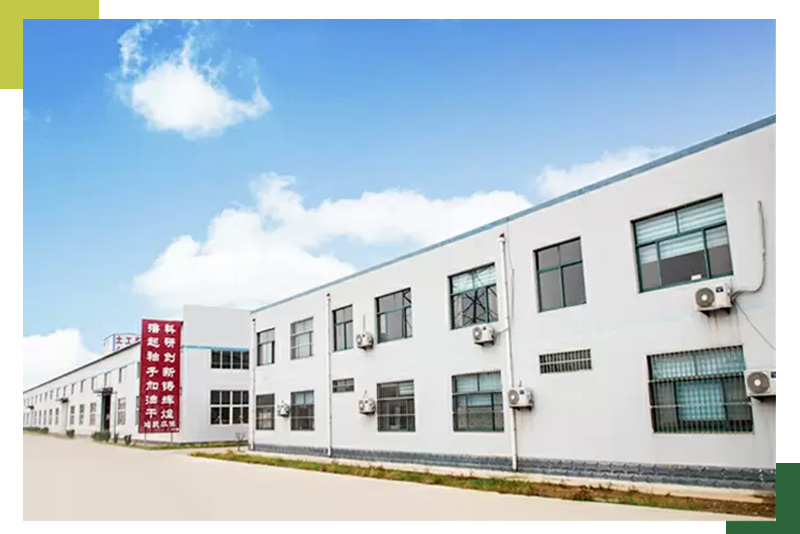
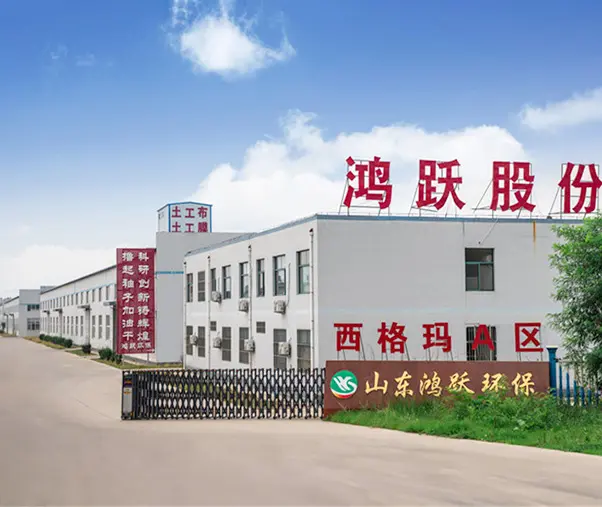
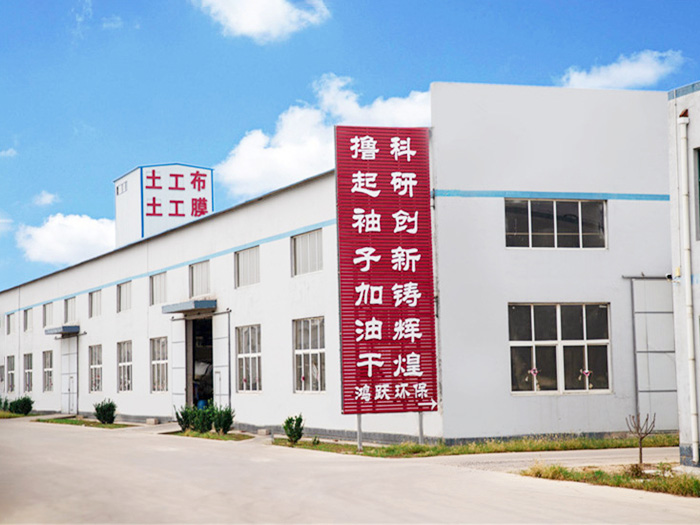
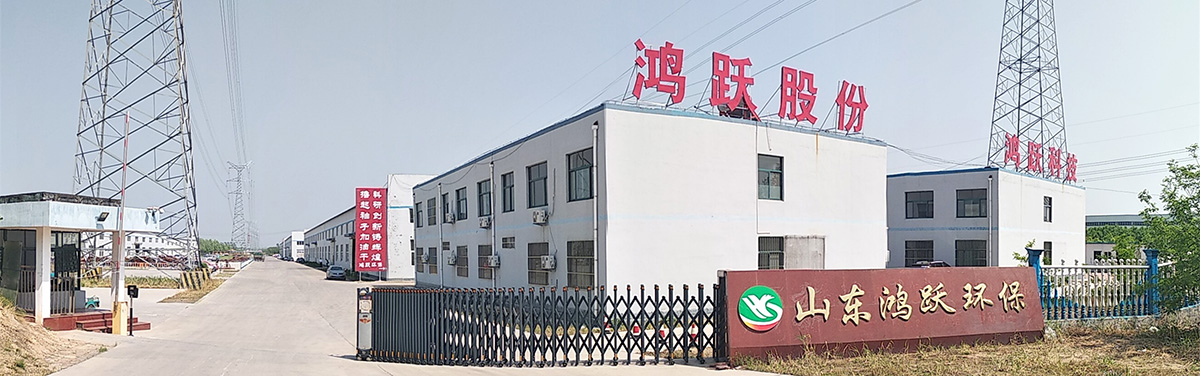
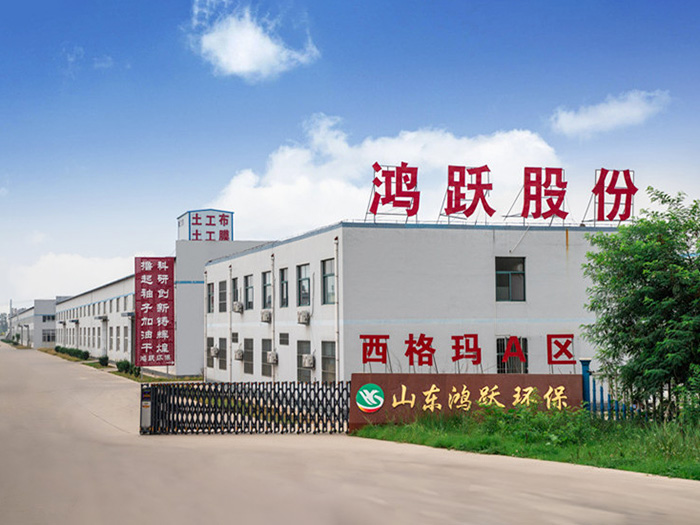
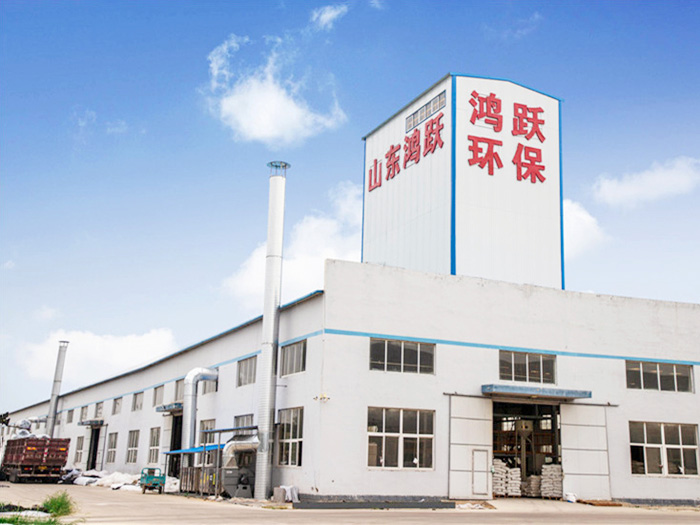
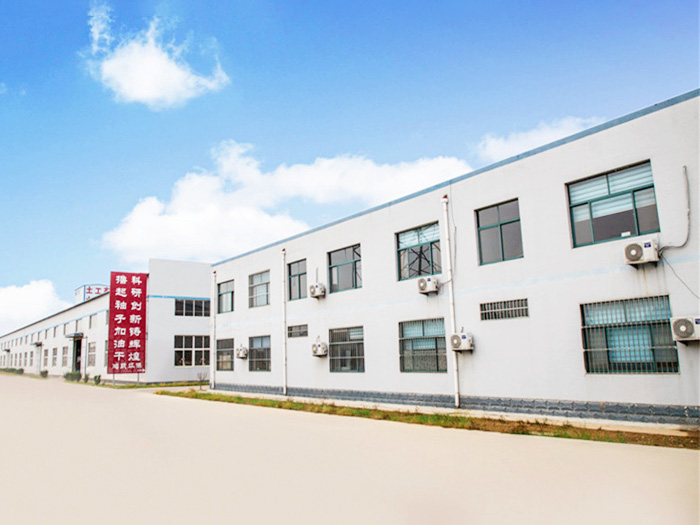
Shandong Hongyue Environmental Engineering Co., Ltd., located at the north end of Fufeng Street, Lingcheng District, Dezhou, Shandong Province, is a scientific and technological geotechnical material manufacturer integrating engineering material production, sales, design, and construction services. The company was registered in Lingcheng District Market Supervision and Administration Bureau of Dezhou City on April 6, 2023, with a registered capital of 105 million yuan. It is one of the largest production bases of geotechnical materials in China at present, with a superior geographical location and convenient transportation.
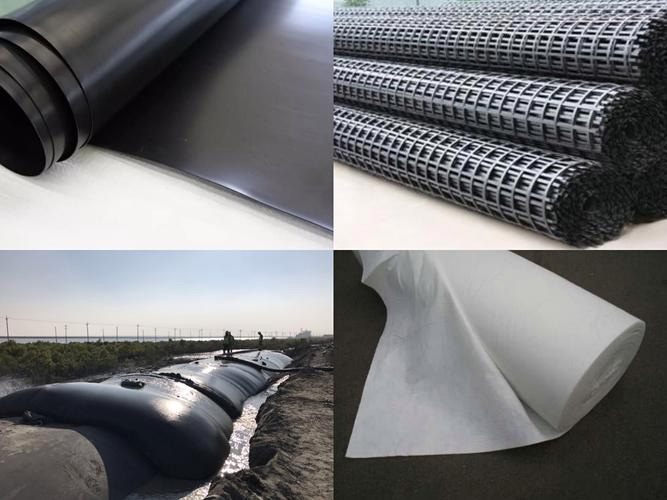
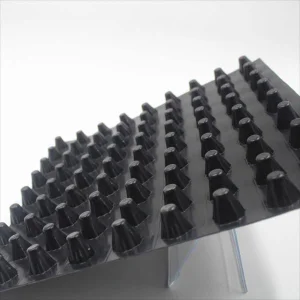
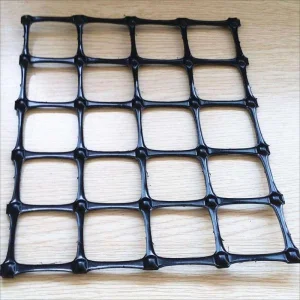
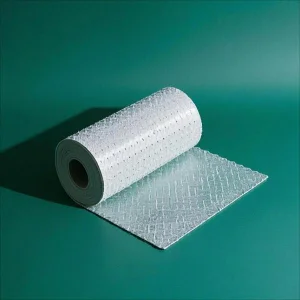
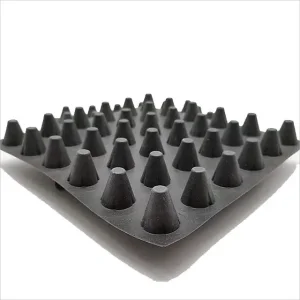
Since the establishment of the company, the business has grown rapidly. We mainly deal in geotextiles, geomembranes, composite geomembranes, waterproof boards, bentonite waterproof blankets, 3D composite drainage nets, (composite) drainage boards, weaving cloth, woven cloth, membrane bags, blind ditches, waterproof and drainage combinations, woven bags, ecological bags, cement blankets, fiber plant blankets, and flexible pervious pipes.
We have a high-quality product portfolio and a professional sales and technical team. Our company belongs to the Dezhou Geotextile Association, and our products are widely used in highways, railways, bridges, tunnels, reservoirs, canals, artificial lakes, environmental protection, aviation, mining, and agriculture.
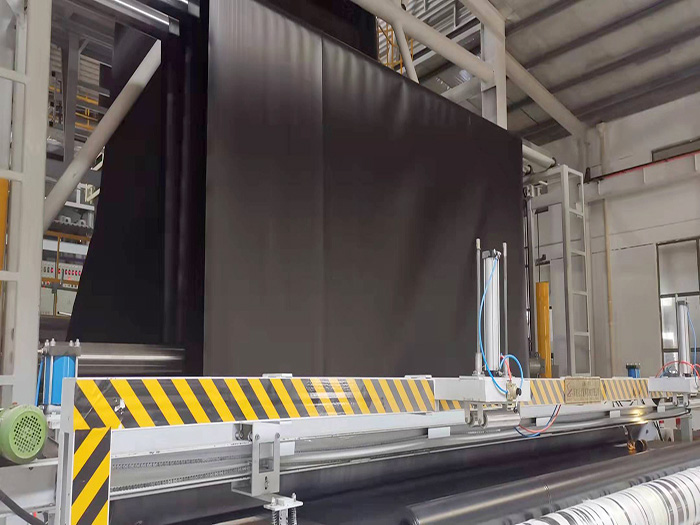
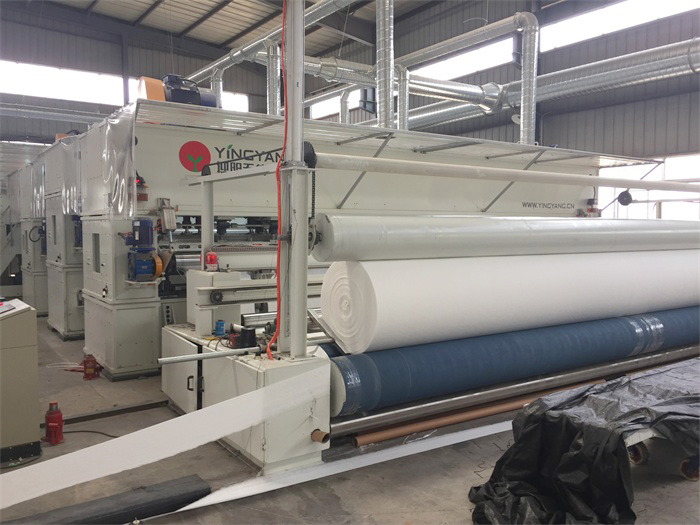
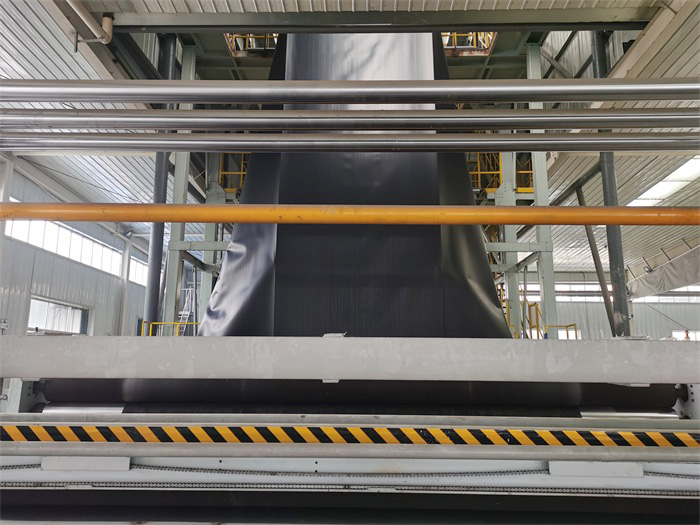
Combining heavy geotextiles and membranes is essential to achieve robust, anti-seepage construction barriers.
Choosing the correct geosynthetic setup is crucial:
• Material Properties: Match specific polymers (HDPE, LLDPE, PET) to site chemical properties.
• Thickness Standards: Select the proper gauge (typically 0.3mm to 2.0mm) to handle high physical stress.
• Impermeability: Secure appropriate barriers to prevent localized soil and groundwater seepage.
Proper field installation ensures structural success:
• Land Preparation: Clear sharp rocks and ensure the ground is flat and clean before deployment.
• Laying Technique: Use flat cover or folding methods suited to structural specifications.
• Seam Sealing: Treat joints carefully to ensure complete waterproofing.
• Secure Anchoring: Anchor geosynthetics properly to prevent shifting during backfilling.
Routine inspection increases project lifespan:
• Regular Cleaning: Clean surfaces periodically to keep water flows clear.
• Integrity Checks: Inspect for physical damage and patch torn areas immediately.
• Sharp Object Control: Restrict heavy machines and sharp tools near exposed layers.
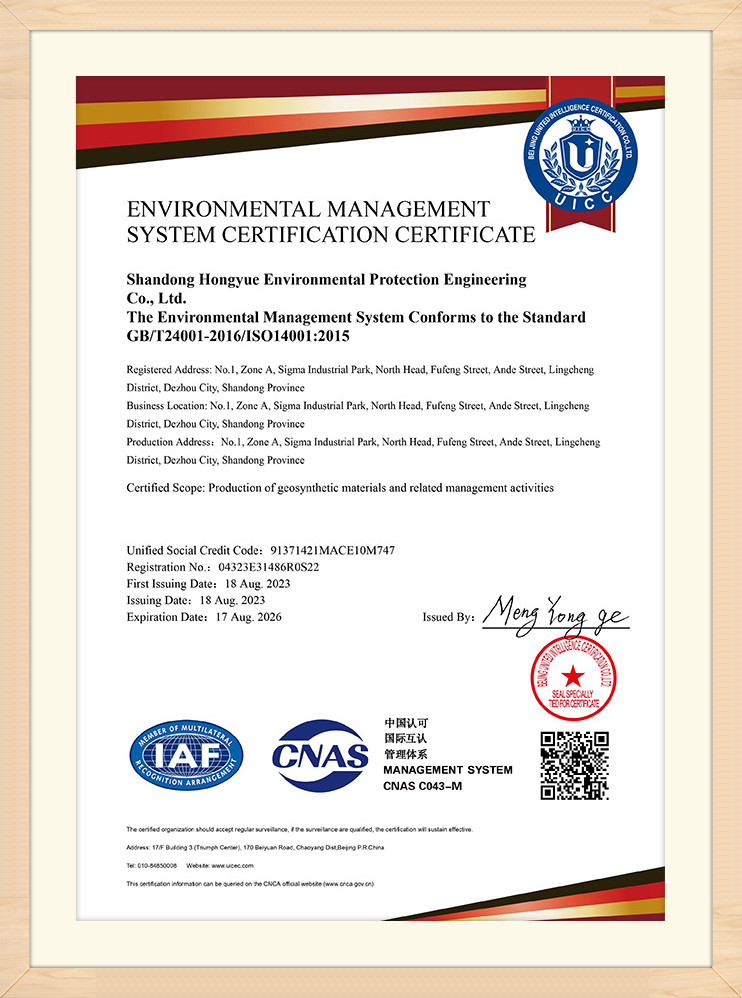
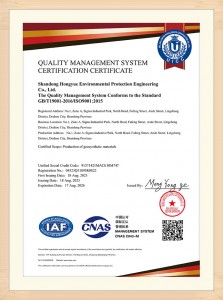
Shandong Hongyue Environmental Engineering Co., Ltd. operates with a complete and scientific management system. We have successfully passed ISO9001 international quality system certification, ISO14000 environmental system certification, and ISO45001 occupational health and safety management system certification.
Our facility has won multiple national honors, including "Green Building Materials Products," "No Consumer Complaints," "China Famous Brand," "High-Tech Industry," and "Quality Service Double Excellent Unit." We employ modern production lines and precise testing equipment to ensure every batch of Geotextile 300gr consistently meets structural specifications.
The quality of our products reaches or exceeds international standard guidelines. Every roll is certified by the China National Testing Center and passes national quality inspection audits, confirming our status as a reliable supplier for global engineering projects.
A closer look at how geotextiles are deployed to protect channels, levees, and large reservoirs.
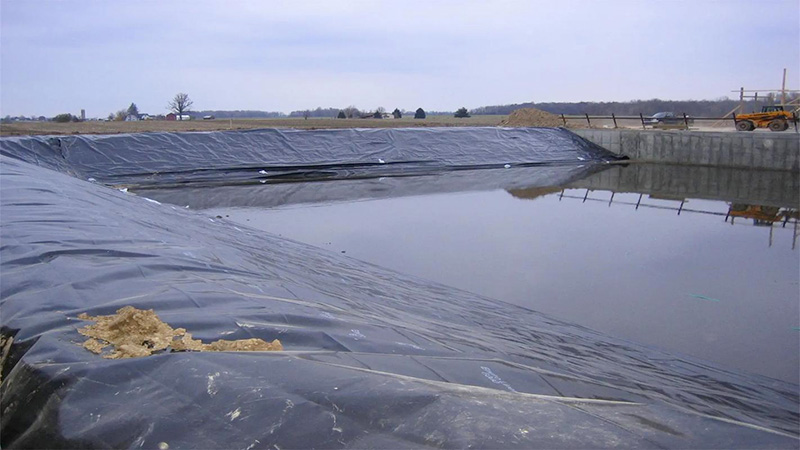
In valleys and low-lying zones with complex geology, using a 300gr geotextile buffer beneath the geomembrane prevents structural damage, sealing leaks and stabilizing the reservoir bed.
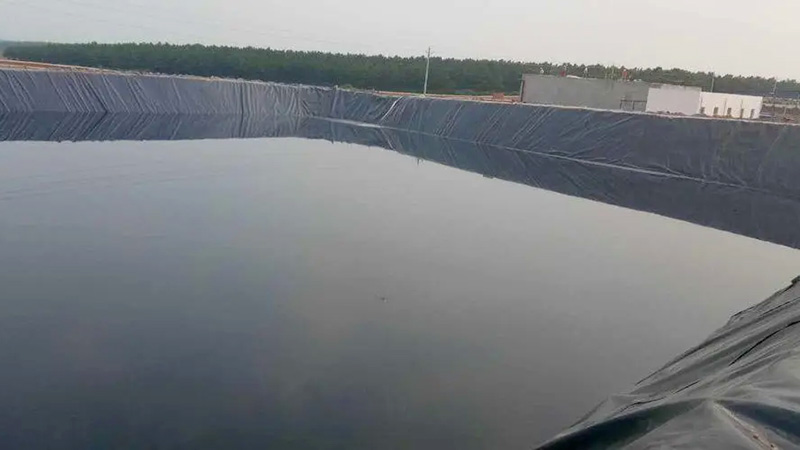
Protecting downstream communities from flooding requires high-performance materials. Installing a geotextile-geomembrane layer prevents internal erosion and reinforces weak spots in the earthwork.
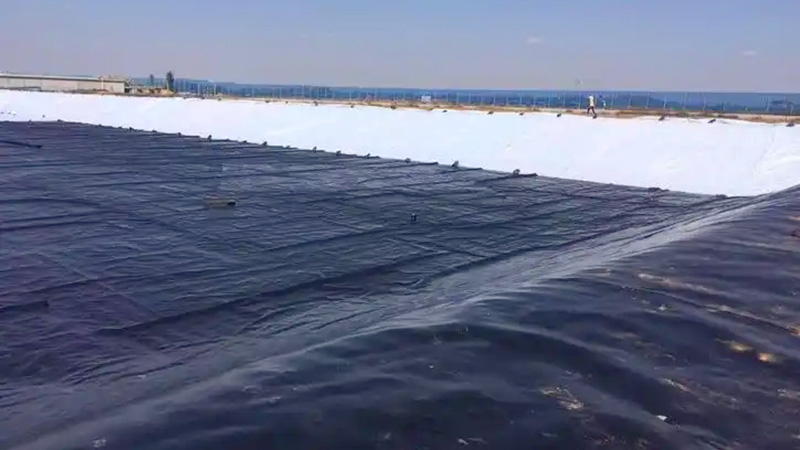
In canal control and river bypass work, geosynthetics prevent washouts and shore collapse, protecting agricultural zones and municipal infrastructure from water erosion.
Get answers to common technical, design, and logistics questions regarding 300g/m² nonwoven geotextiles.
Polyester (PET) geotextiles provide high tensile strength, excellent heat resistance, and reliable performance at a competitive cost, making them ideal for standard road separation, drainage, and landfill cushion projects. Polypropylene (PP) geotextiles offer superior acid and alkali resistance and higher wet-tensile strength, making them best suited for highly alkaline soils, marine projects, and harsh chemical containment zones.
A density of 300 grams per square meter strikes an ideal balance. It is thick enough (often ≥2.2mm) to offer reliable puncture protection against angular rocks, while maintaining a high flow rate (≥1.0 × 10⁻¹ cm/s) to prevent clog-induced hydrostatic pressure buildup behind retaining walls and lining systems.
Yes. The high density and needle-punched structure of 300gr non-woven fabric blocks sunlight and physically stops weeds from breaking through, while still allowing water and nutrients to reach the soil below.
We inspect raw materials, track parameters online during extrusion, and test physical performance (including tensile strength and CBR puncture resistance) for every batch in our lab. Our processes are ISO 9001, ISO 14001, and ISO 45001 certified.
Standard rolls are 2 to 6 meters wide and 50 to 100 meters long, customized to fit container sizes. They are wrapped in woven geotextile packaging to protect them from moisture and UV damage during shipping.
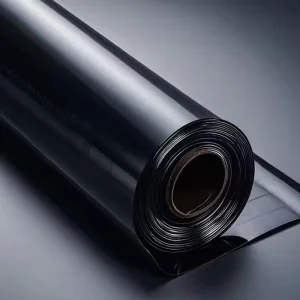
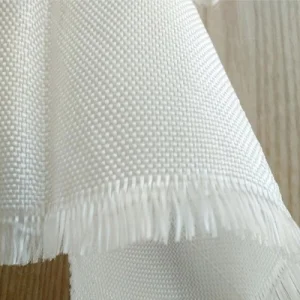
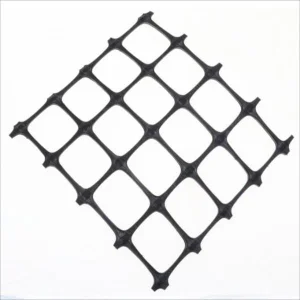
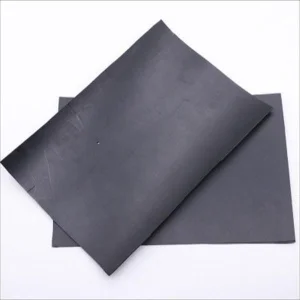
Select from our complete range of drainage, containment, and reinforcement products, engineered for reliable performance.
 Hongyue