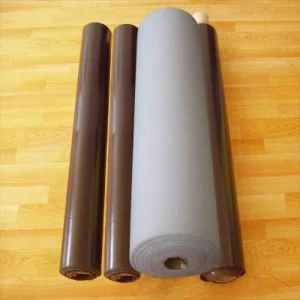
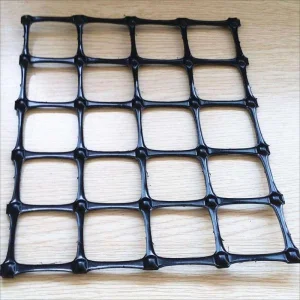
Direct from factory prices & rigorous ISO compliance ensures structural durability and seamless delivery globally.
In modern structural and environmental civil engineering, geogrid fabric retaining walls represent a monumental leap forward over traditional gravity concrete systems. Modern mechanically stabilized earth (MSE) retaining structures require high-performance, long-lasting polymers to stabilize soil matrices, limit lateral shear displacement, and resist heavy gravitational stress. The interaction between cohesive backfill and the horizontal apertures of a robust geogrid creates a unified composite wall system capable of managing extreme horizontal earth pressures.
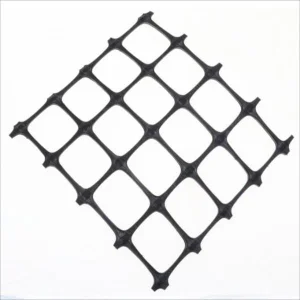
Geogrids are divided primarily into uniaxial and biaxial structures. Uniaxial plastic geogrids have high longitudinal tensile strength, making them optimal for vertical retaining walls, bridge abutments, and steep slopes, whereas biaxial grids distribute multi-directional stress, ideal for base stabilization under intense dynamic loads. Working with qualified factories ensures high-precision dimensional stability, high design coefficient values, and long-term creep limits certified by international testing protocols.
Rapid urban development, heavy high-speed railway foundations, coastal reclaim systems, and stringent environmental erosion control frameworks are driving double-digit growth in international geogrid fabric production. Exporters who provide complete technical data packages, certified under CE, ASTM, and ISO frameworks, are leading the shift towards efficient, cost-effective, carbon-friendly green infrastructure solutions.
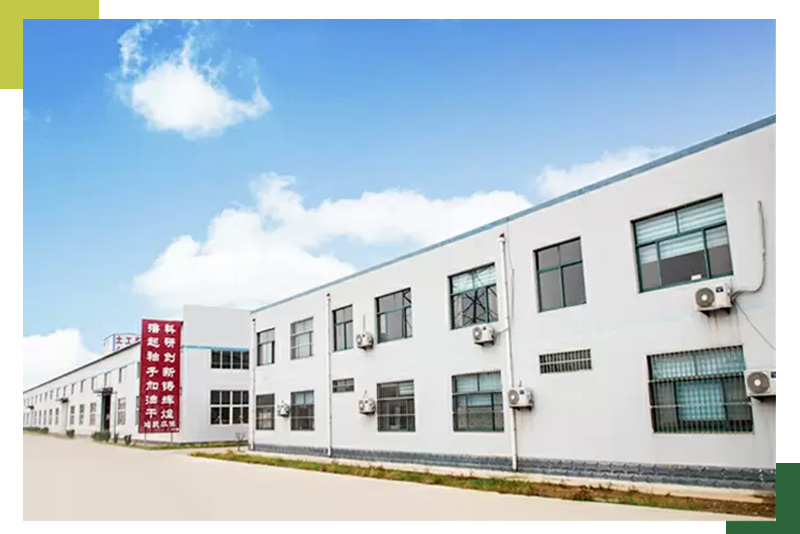
Shandong Hongyue Environmental Engineering Co., Ltd., located at the north end of Fufeng Street, Lingcheng District, Dezhou, Shandong Province, is a scientific and technological geotechnical material manufacturer integrating engineering material production, sales, design and construction services. The company was registered in Lingcheng District Market Supervision and Administration Bureau of Dezhou City on April 6, 2023, with a registered capital of 105 million yuan. It is one of the largest production bases of geotechnical materials in China at present, located in Lingcheng District, Dezhou, Shandong Province, with superior geographical location and convenient transportation.
Since its establishment, the company has developed rapidly, and the business continues to grow and expand. We offer a comprehensive geosynthetics selection and custom design portfolio to suit our diverse domestic and international clients.
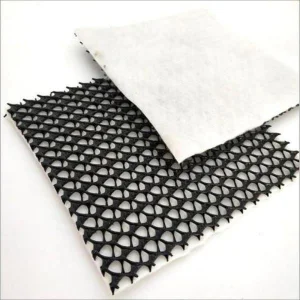
Our products mainly deal in geotextiles, geomembrane, composite geomembrane, waterproof board, bentonite waterproof blanket, 3D composite drainage net, (composite) drainage board, weaving cloth, woven cloth, geotextiles, membrane bags, blind ditches, waterproof and drainage combinations, woven bags, ecological bags, cement blankets, fiber plants blankets, flexible pervious pipes. The business includes geosynthetics, waterproofing membrane production, sales, construction, import and export of goods. We have high quality products and a professional sales and technical team, and belong to the Dezhou Geotextile Association.
We guarantee every square meter produced surpasses rigorous environmental and mechanical stress factors.
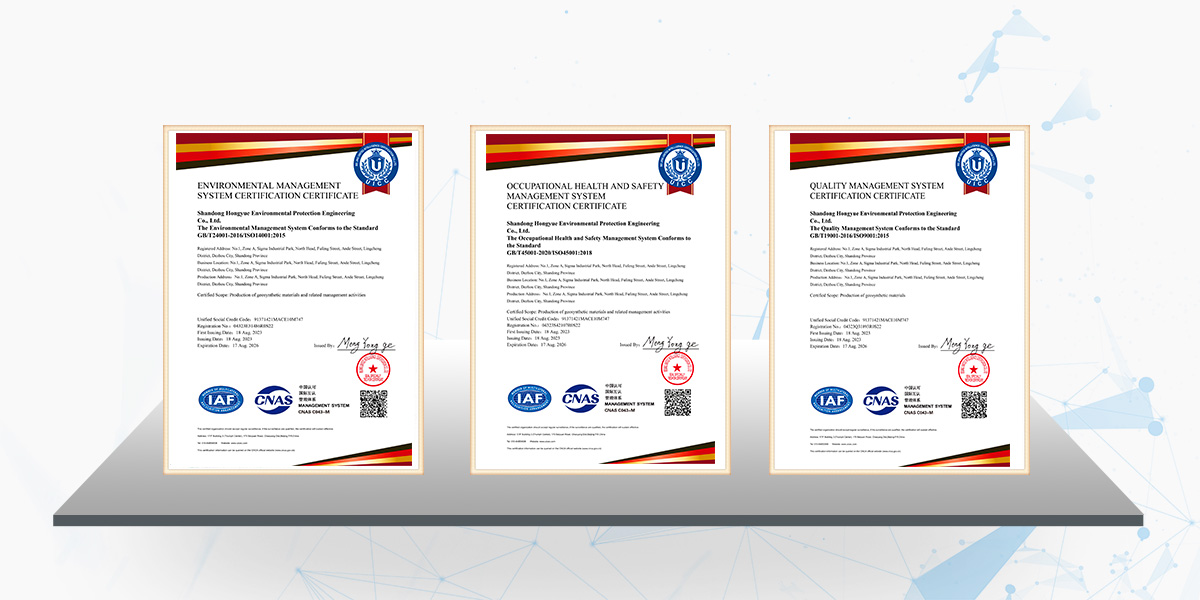
The company has successively passed the ISO9001 international quality system certification, ISO14000 environmental system certification, and ISO45001 occupational health and safety management system certification. We have won multiple honors such as "green and environmentally friendly building materials products", "no consumer complaints", and "famous Chinese brands".
Our quality control testing lab operates around-the-clock to test tensile strength, burst resistance, multi-axial creep behavior, chemical degradation, and ultraviolet aging. Every shipment receives a complete Factory Technical Certification report verified by national laboratories.
The company has established sales networks or agency agencies in more than 40 large and medium-sized cities such as Shanghai and Beijing, and its products are exported to multiple countries such as Europe, the United States, Australia, and various parts of the world. The products are widely used in key projects in various provinces and cities.
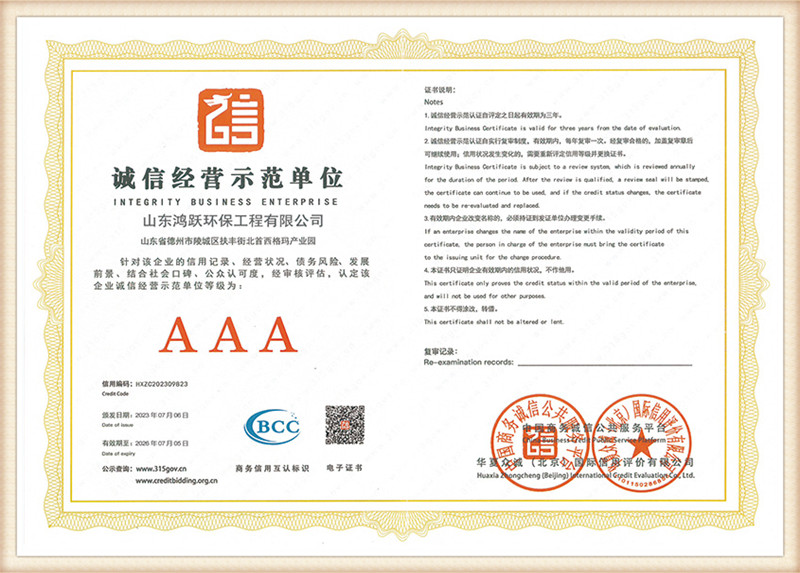
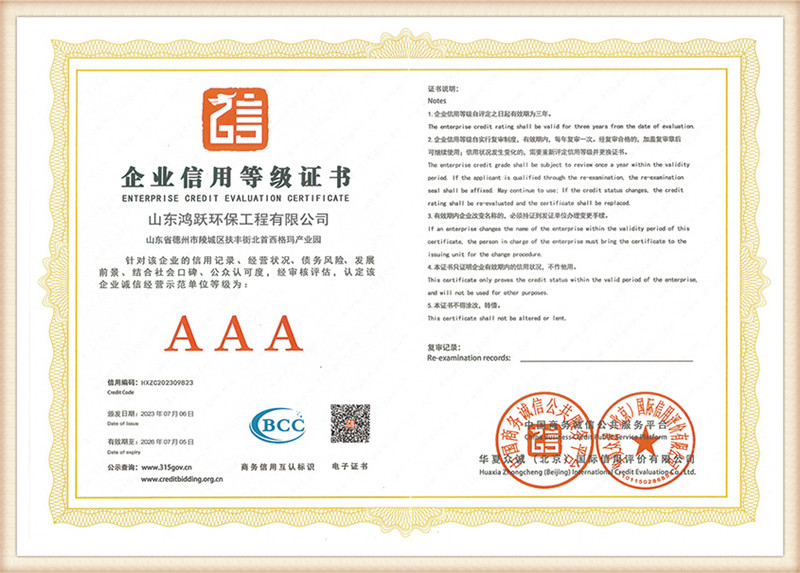
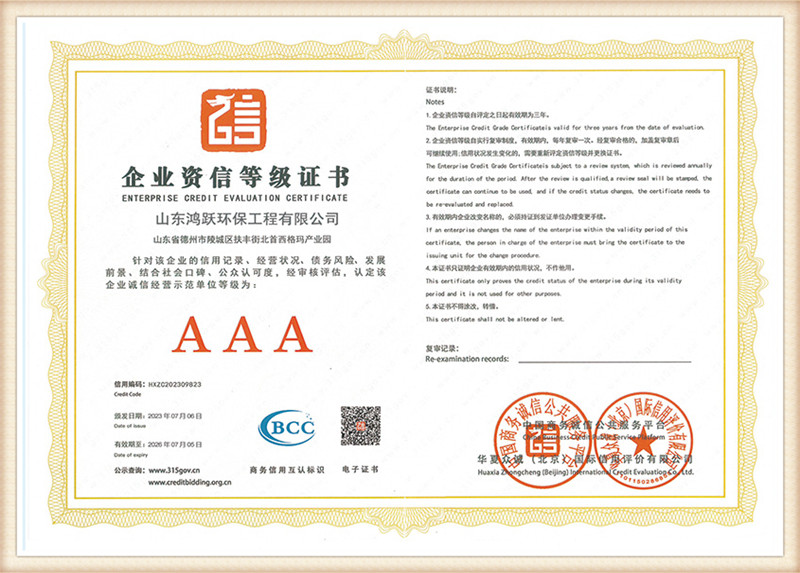
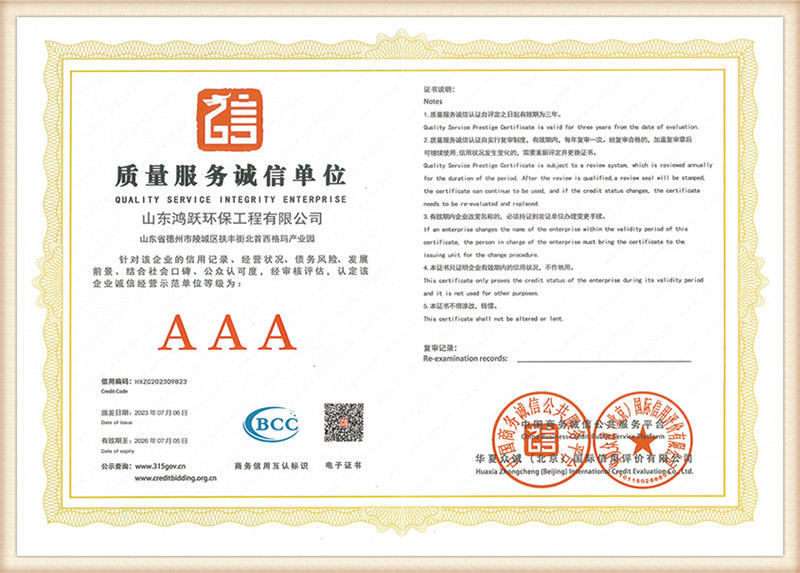
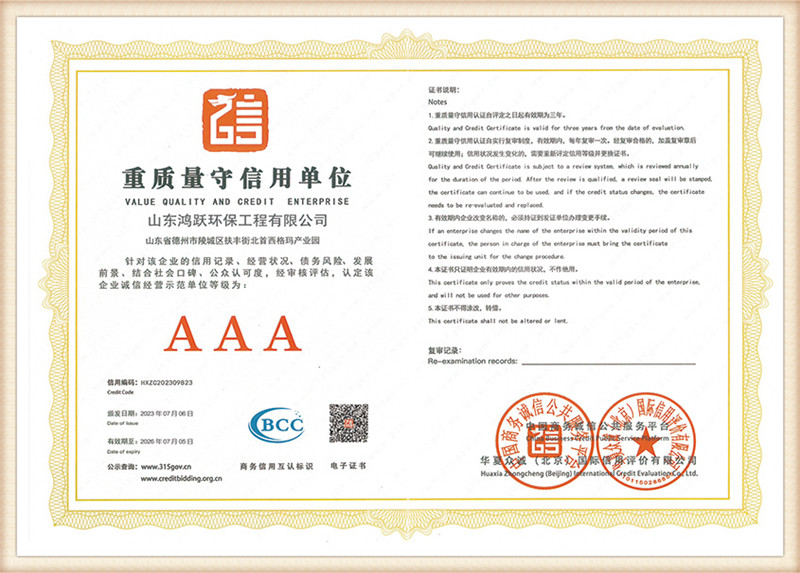
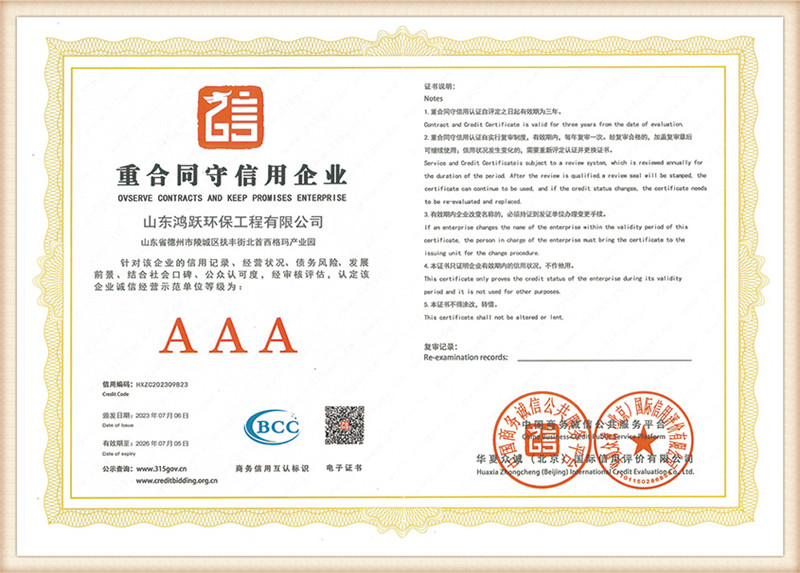
Modern production equipment and technical workflows maximize fiber density and overall polymer tensile metrics.
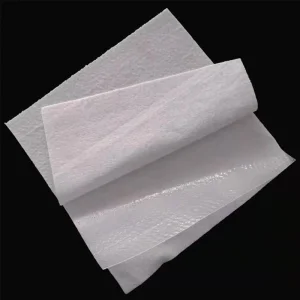
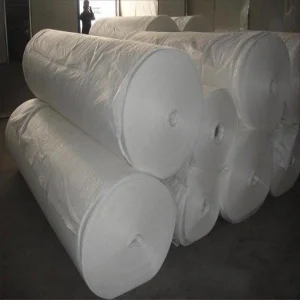
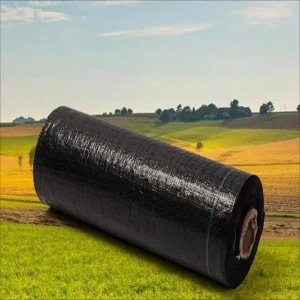
The main raw materials of geotextile are polyester chips, polypropylene filament, and viscose fiber. These raw materials need to be inspected, arranged, and stored to ensure their ultimate chemical purity, material stability, and high performance during subsequent melting processing.
After the polyester slice is melted at high temperatures, it is extruded into a molten state by a screw extruder, and polypropylene filament and viscose fiber are added for mixing. In this process, the temperature, pressure and other extrusion parameters need to be precisely controlled to ensure the structural uniformity of the polymer matrix.
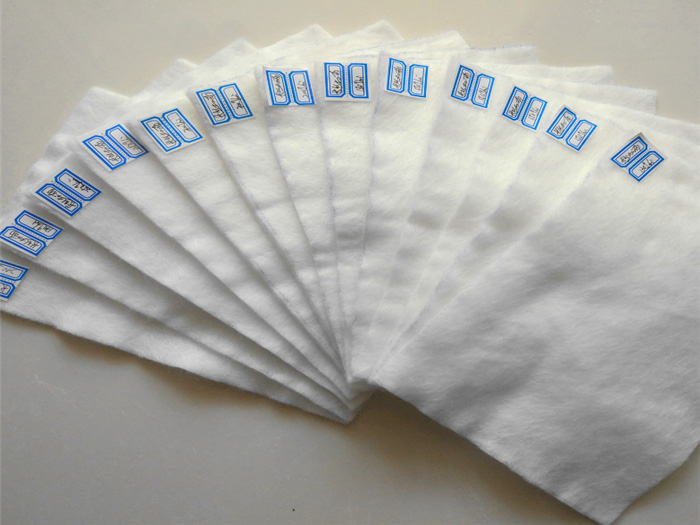
After mixing, the melt is sprayed through the spinneret to form a fibrous substance and form a uniform network structure on the conveyor belt. At this time, it is necessary to control the thickness, uniformity and fiber orientation of the mesh to ensure the physical properties and structural stability of the geotextile.
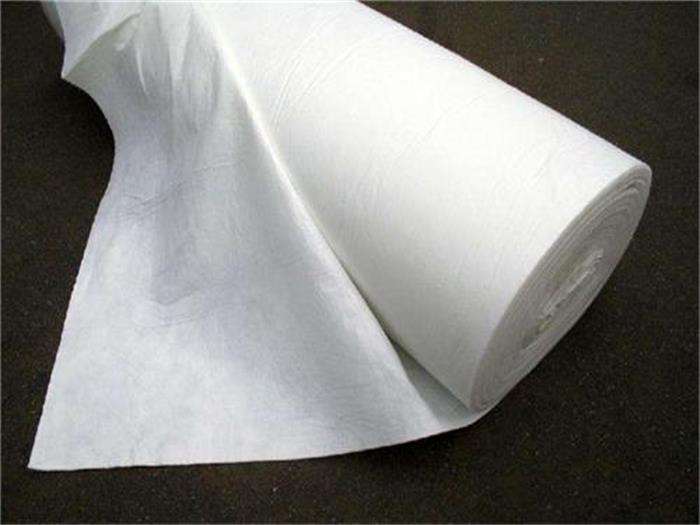
After laying the net into rolls, it is necessary to carry out draft curing treatment. In this process, the temperature, mechanical speed and draft ratio need to be precisely controlled to ensure the strength, mechanical friction thresholds, and long-term stretch resistance of the geotextile.
The geotextile after draft curing needs to be rolled up and packed for subsequent construction. In this process, the length, width and thickness of the geotextile need to be measured to ensure that it meets the design requirements.
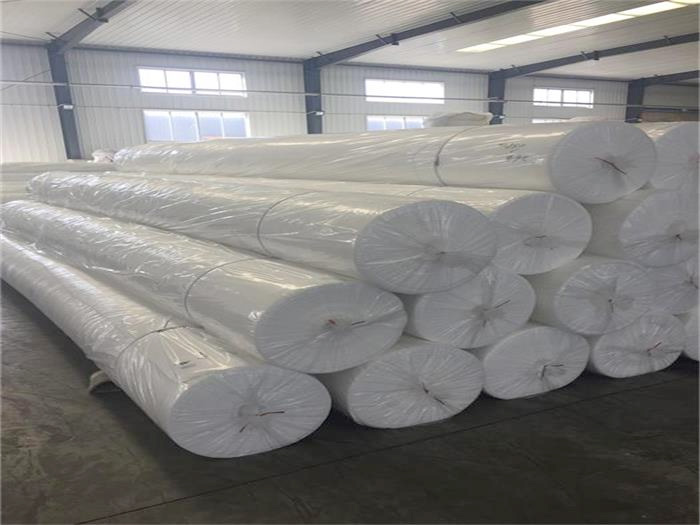
At the end of each production link, the quality of geotextile needs to be inspected. The inspection contents include physical property test, chemical property test and appearance quality test. Only geotextiles that meet the quality requirements can be used in the market.
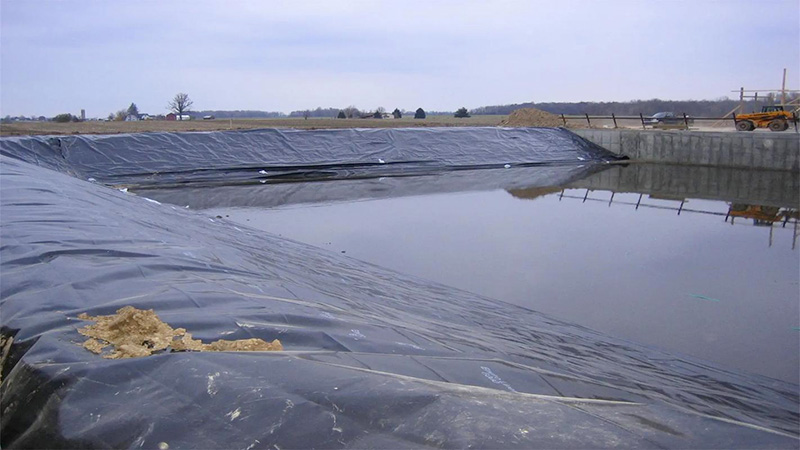
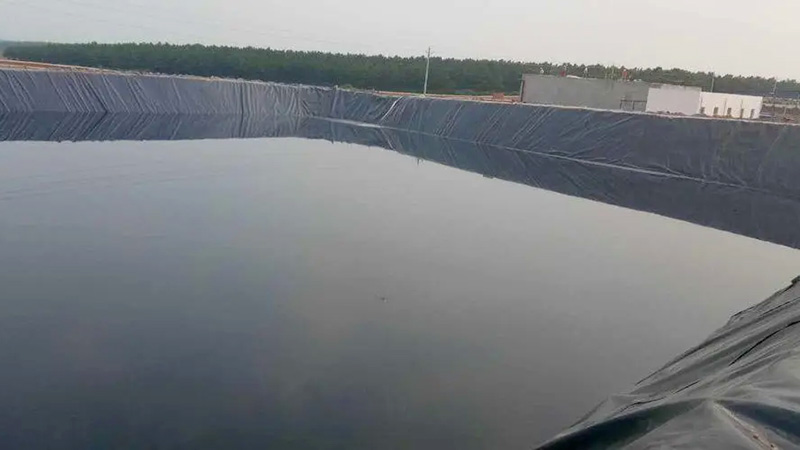
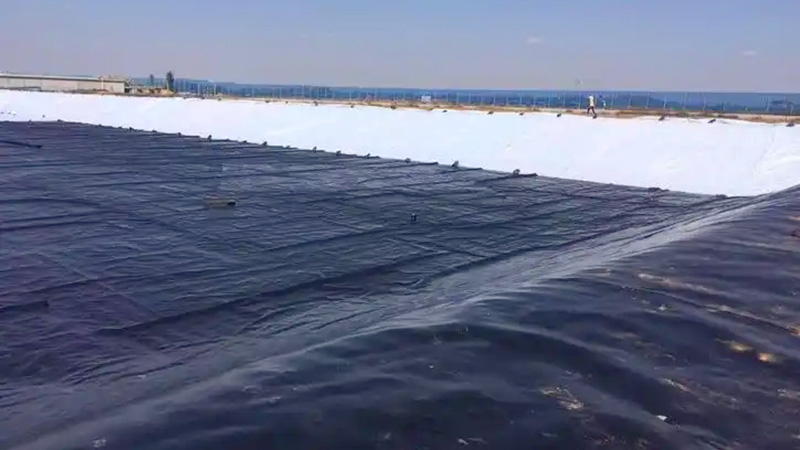
Geomembrane is a kind of material widely used in engineering projects, which has the functions of seepage prevention, isolation and reinforcement. Understanding correct installation parameters directly affects project life span.
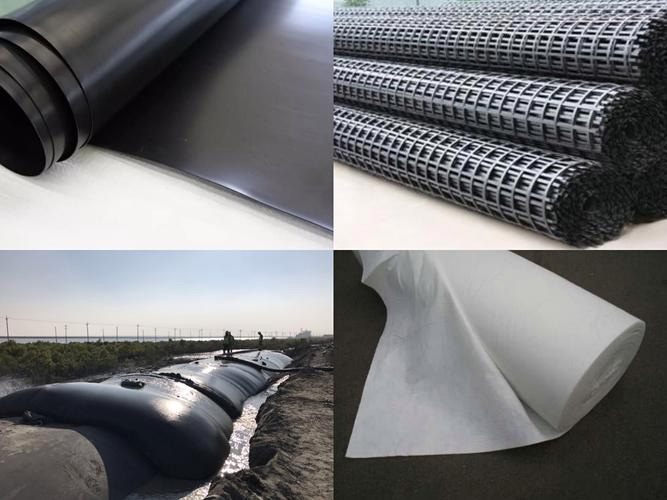
Choosing the suitable geomembrane is vital. Some key selection criteria include:
The installation of geomembrane needs to follow strict steps and techniques:
Routine maintenance and preventative design protect the engineered system:
Take a look inside our high-volume production workshops in Lingcheng District, Dezhou, Shandong Province.
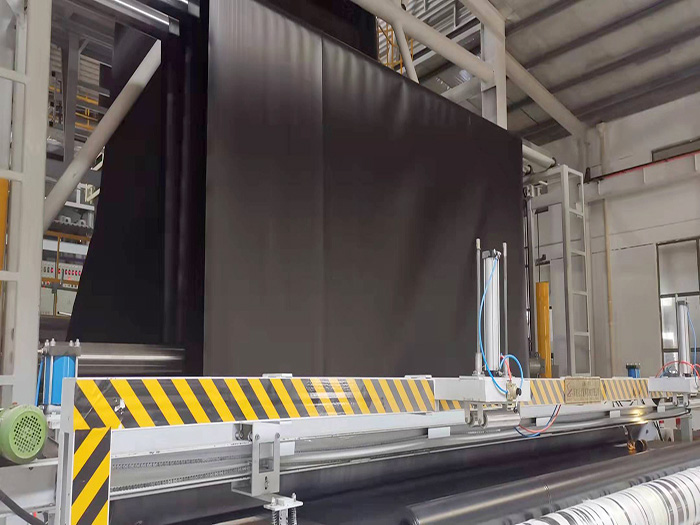
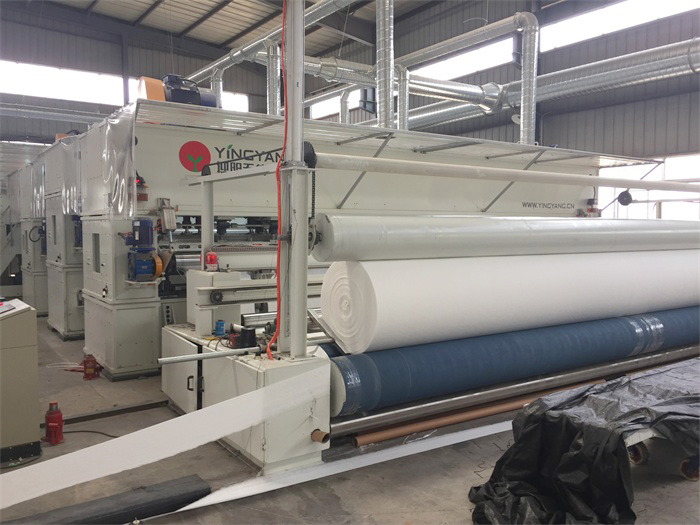
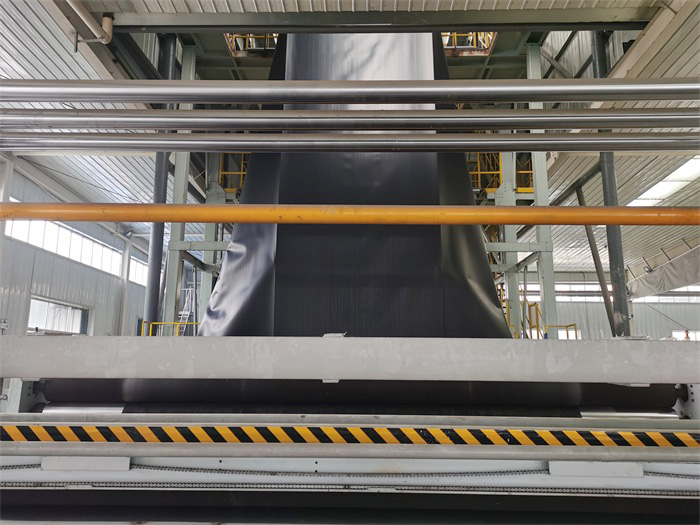
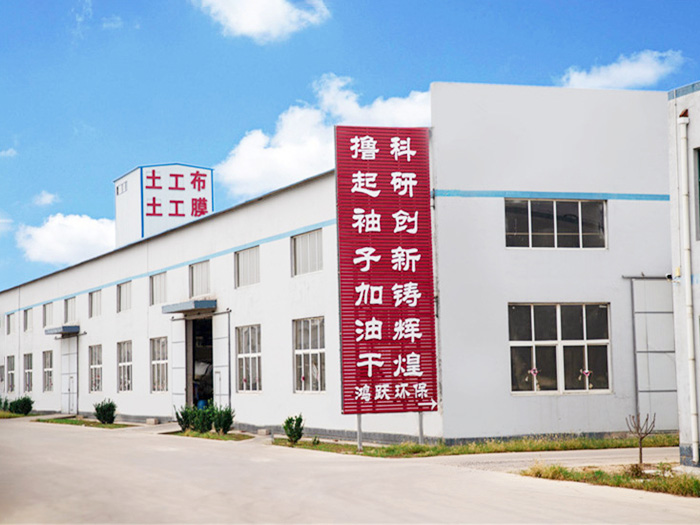
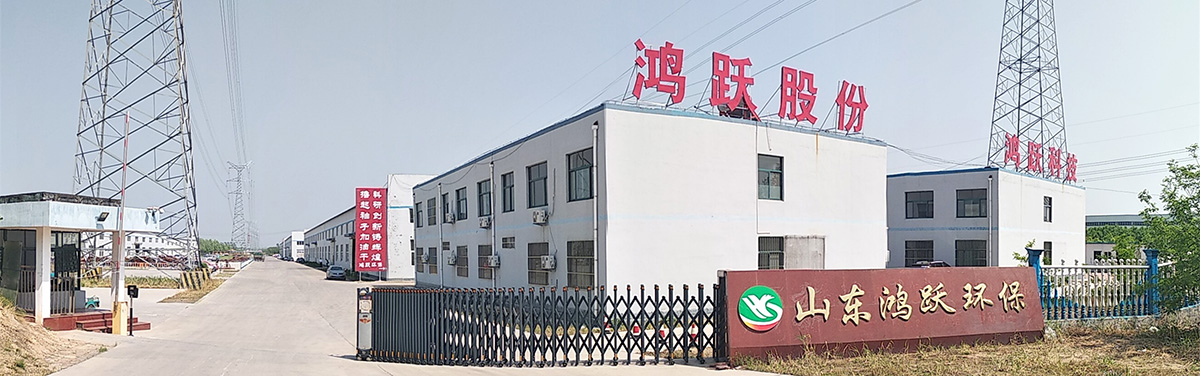
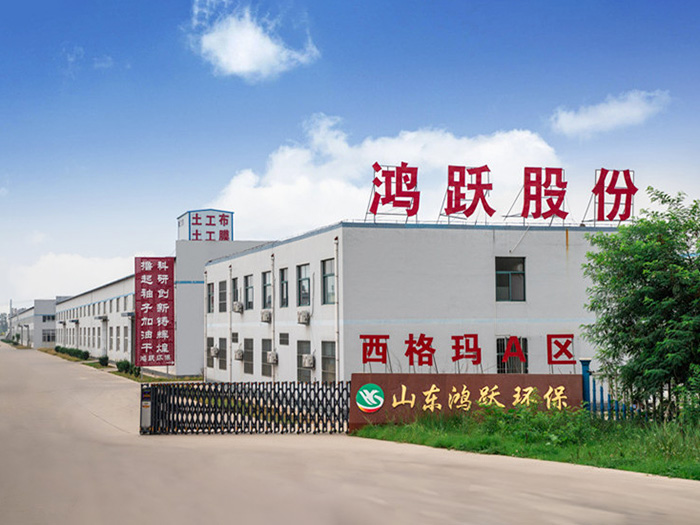
Our engineers and technicians have more than ten years of experience, serving large-scale engineering construction sites both domestically and internationally. Under the close coordination of our headquarters, we provide our customers with 24-hour comprehensive service and seamless dynamic product technical consultation.
Our engineering projects demonstrate the stability of our products in demanding environments.
We manufacture high-grade civil materials with precise specifications, ensuring long-term mechanical stability.
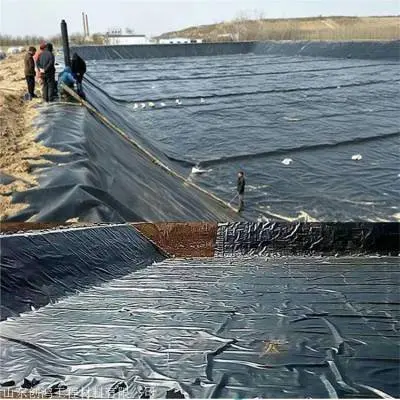
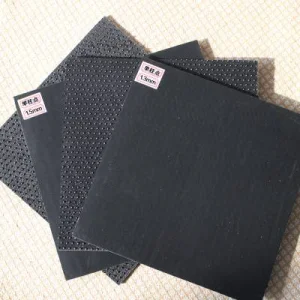
High chemical inertness, harmless to fish, with high puncture resistance.
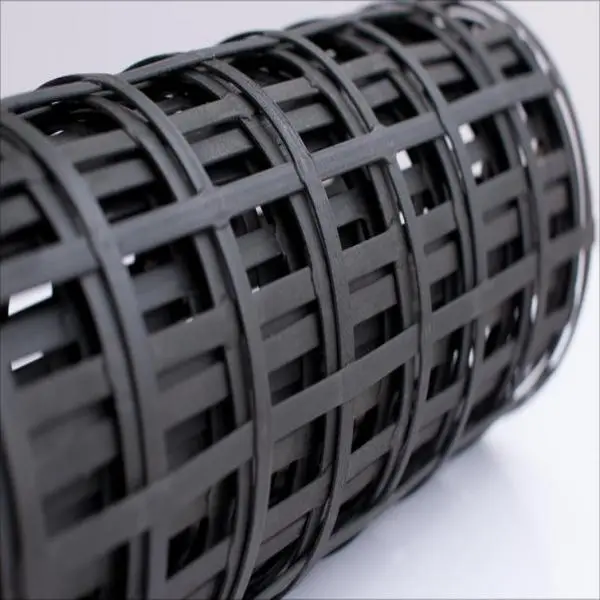
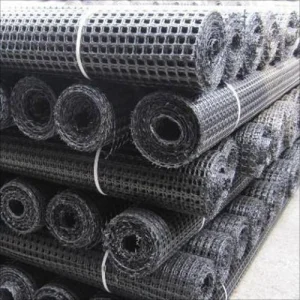
Reinforced steel wires inside polymer rib structures for retaining walls.
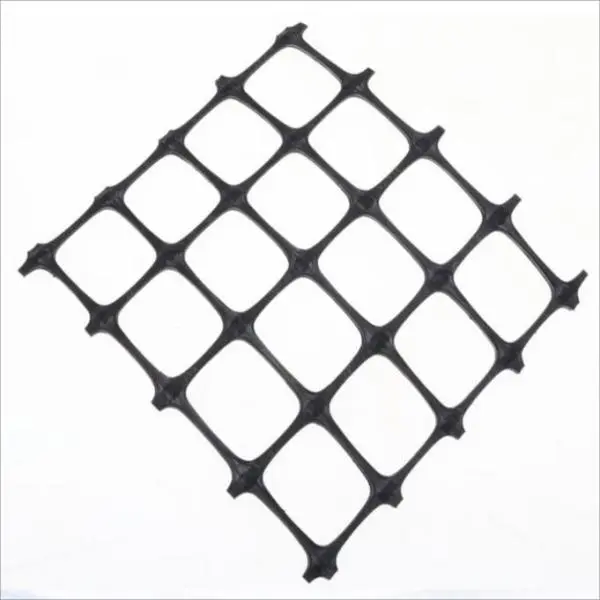
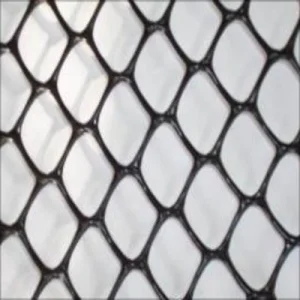
Stabilizes soil structures and sub-base foundations against shear stress.
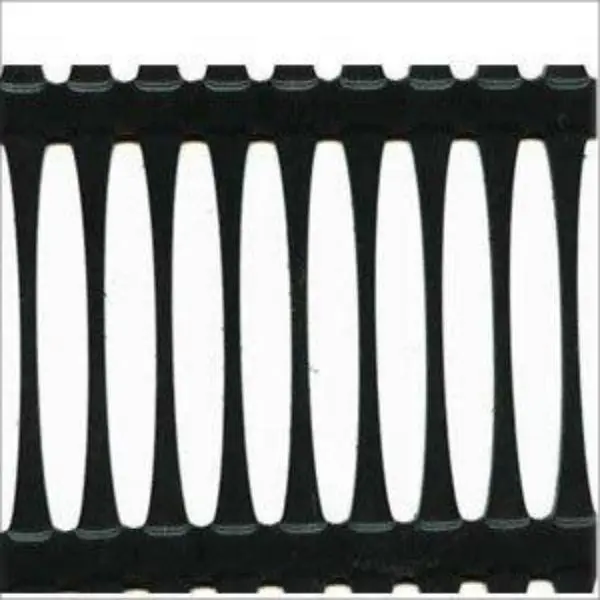
High longitudinal load bearing capacity for vertical MSE walls.
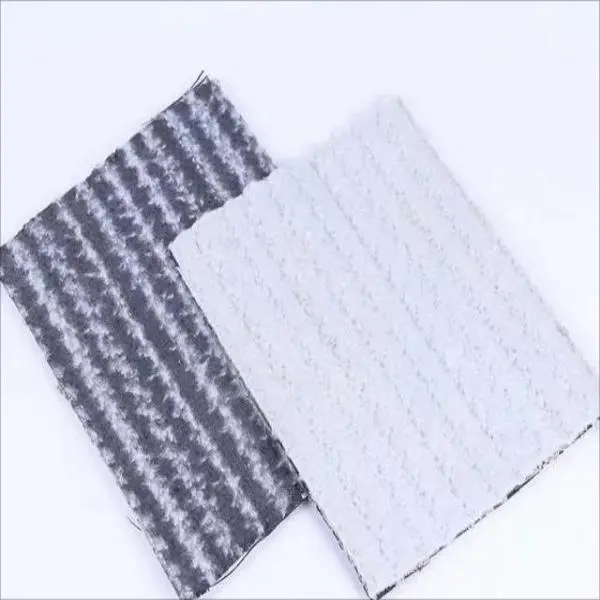
Rapid hydration lining for canal surfaces and slope erosion control.
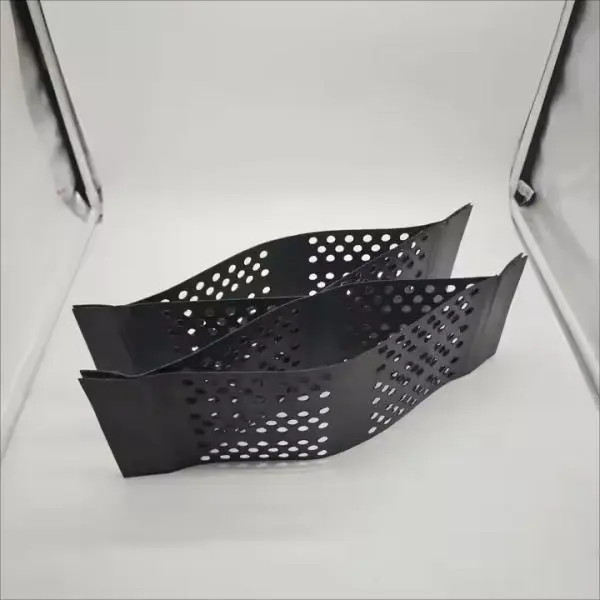
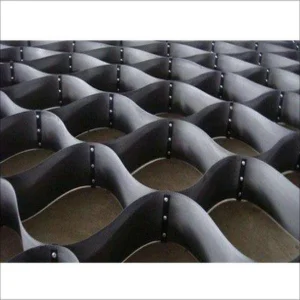
3D honeycomb cellular structure for slope and soil confinement.
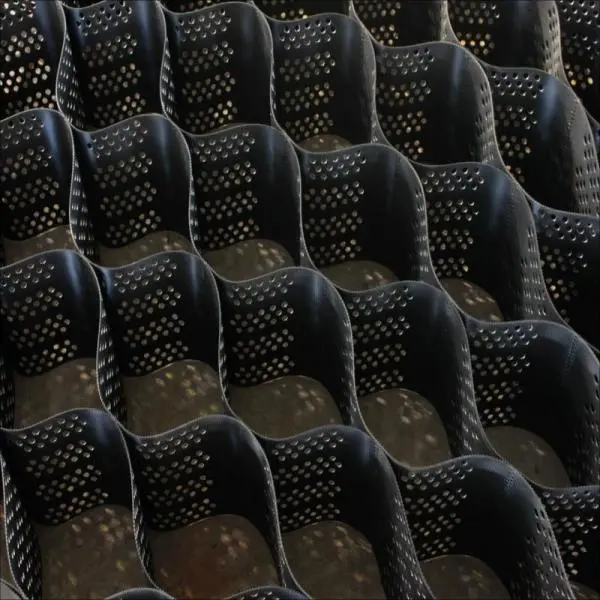
High tensile HDPE sheets ultrasonic-welded for high bearing capacity.
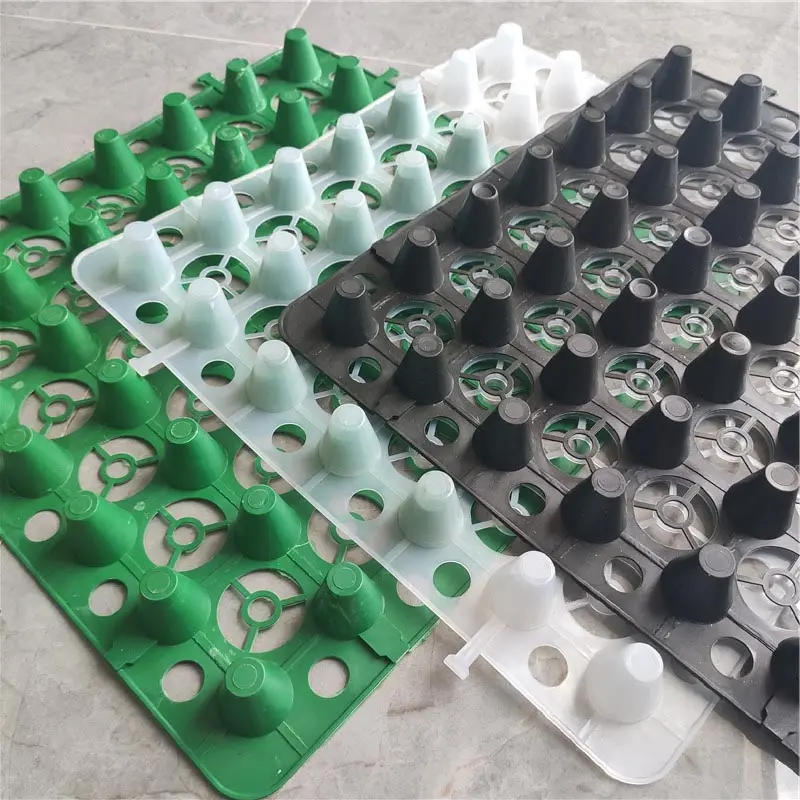
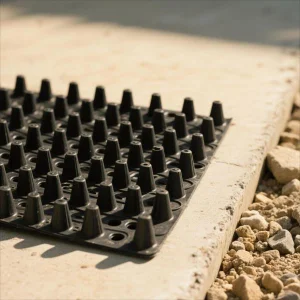
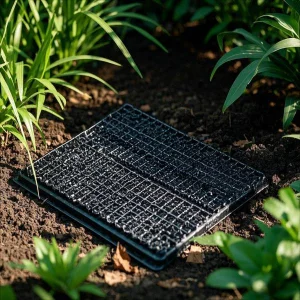
Dimpled plastic design that holds water while draining away excesses.
Analyzing structural innovations, green polymers, and digital site management workflows.
As developers prioritize low-carbon construction, factories are researching recycled PET and bio-based polymers. These raw materials deliver standard strength ratings while reducing overall environmental impacts.
Integrating ultra-thin optical fibers into geogrid ribs allows site managers to track sub-grade shifting and lateral wall deformation in real-time. This provides early warning data for critical retaining infrastructure.
Modern extrusion systems utilize AI visual scanners to identify minor rib micro-fractures, warp variations, and aperture errors. This guarantees 100% consistent roll strength before shipping.
Get professional answers on soil mechanics, roll installation, and structural safety margins.
Geogrids stabilize retaining structures by forming a composite mass. Placing horizontal sheets within backfill creates lateral resistance. Friction locks soil particles within the grid apertures, transforming loose dirt into a single, cohesive gravity mass that withstands horizontal lateral earth pressures.
Uniaxial geogrids concentrate tensile strength in one primary direction (the roll direction), which is perfect for vertical MSE retaining walls, embankments, and steep slopes. Biaxial geogrids distribute strength equally in longitudinal and transverse directions, making them ideal for base stabilization under roads and foundations.
Most industrial polymer geogrids are manufactured with carbon black additives to provide temporary UV resistance during construction. However, they are designed to be completely buried within soil or backfill to protect them from direct sunlight, maintaining long-term polymer integrity for decades.
Spacing parameters depend on wall height, soil properties, block weight, and load demands. A common engineering standard places geogrid layers every 2 blocks (approx. 16 inches or 40cm of vertical soil lift). Consult with a certified structural engineer to calculate custom placement plans for your site.
Explore our full line of geomembranes, drainage channels, and grass protection products.
 Hongyue