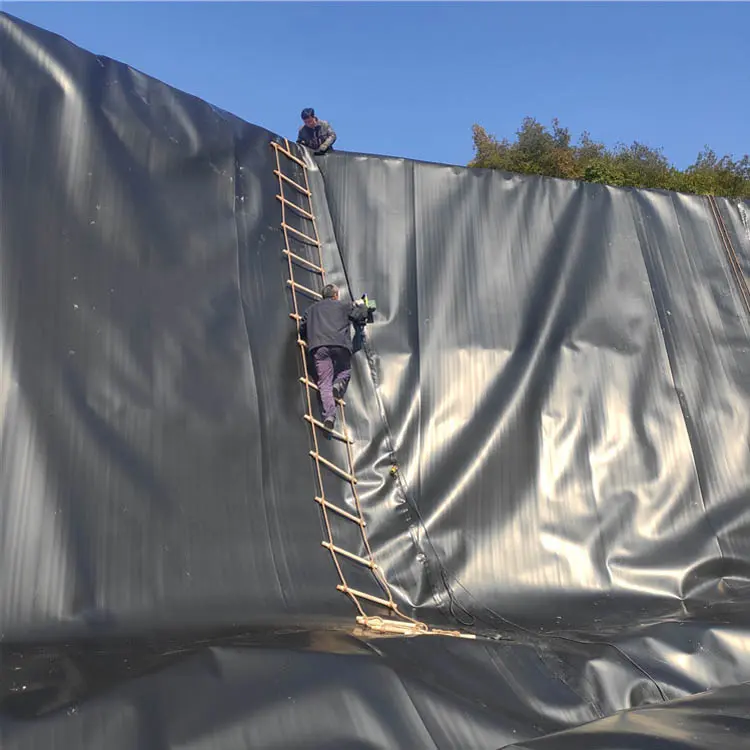
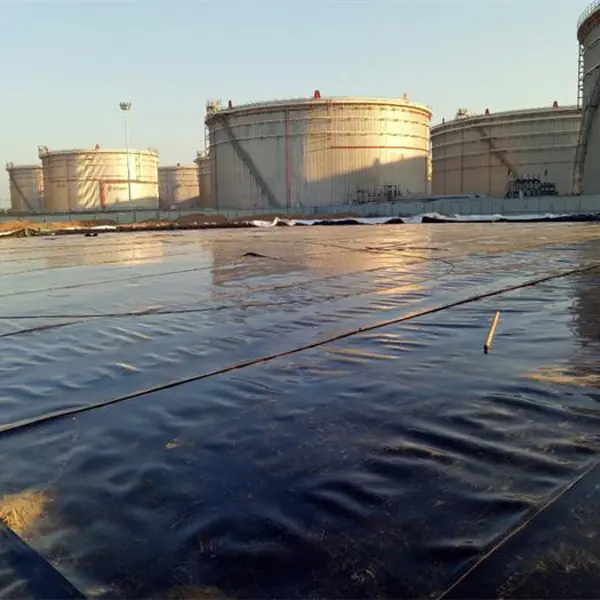
Premium grade geotextiles optimized for the specific subgrade reinforcement and drainage demands of the Tokyo Metropolitan area.
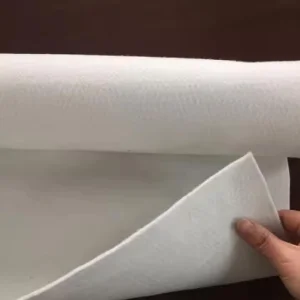
High-Quality White 100% polyester non-woven geotextile designed for road dam construction, infrastructure stabilization, and subgrade separation in Tokyo's soft alluvial plains.
Send Inquiry Now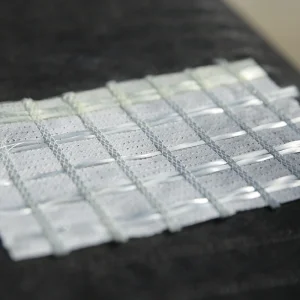
ODM Warp knitted composite geotextiles engineered to prevent pavement cracks, distribute load stresses, and extend highway life under heavy urban traffic loads.
Send Inquiry Now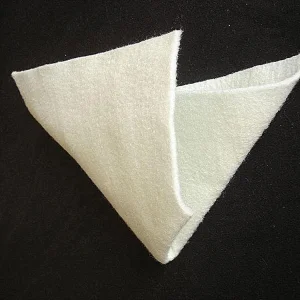
ODM Hongyue short fiber needled punched geotextile, supplying superior filtration and water flow capacity for complex urban drainage systems and retaining walls.
Send Inquiry Now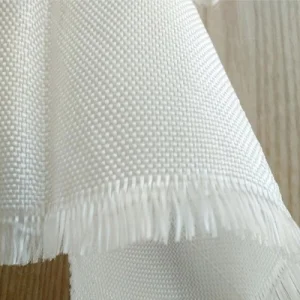
China Reinforced high strength spun polyester filament woven geotextile, providing maximum tensile strength and modulus for deep earthworks and slope stability.
Send Inquiry NowA trusted global manufacturer with advanced engineering certifications, delivering high-performance geosynthetic materials designed for civil protection and environmental sustainability.
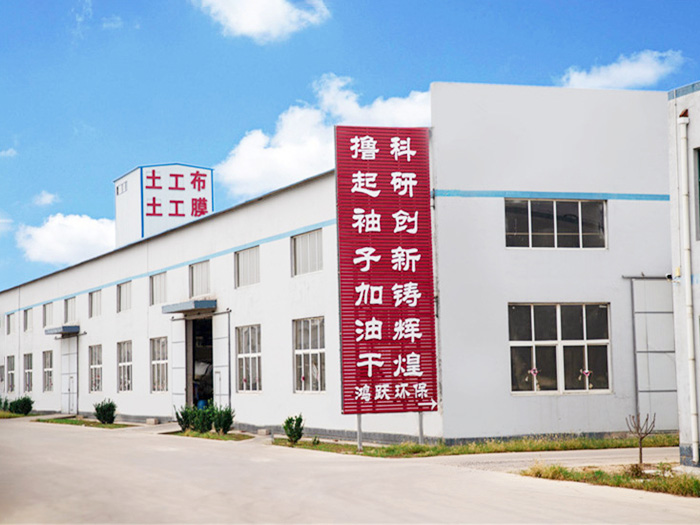
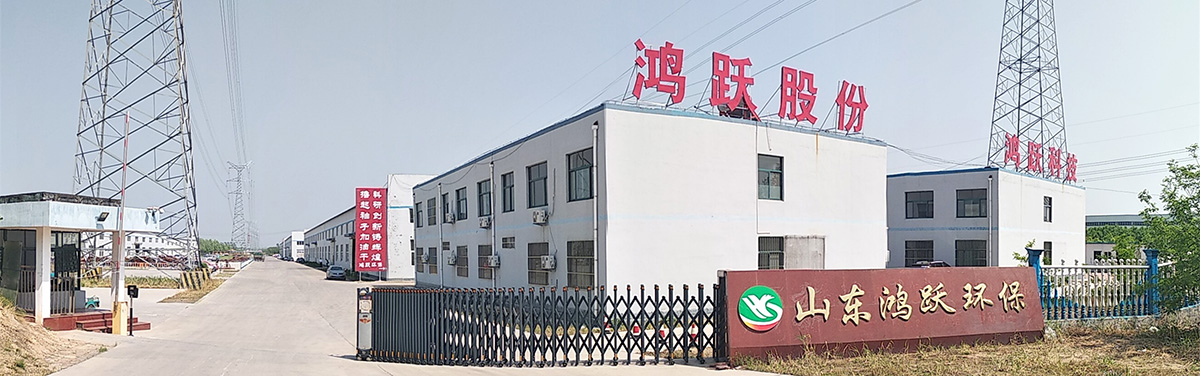
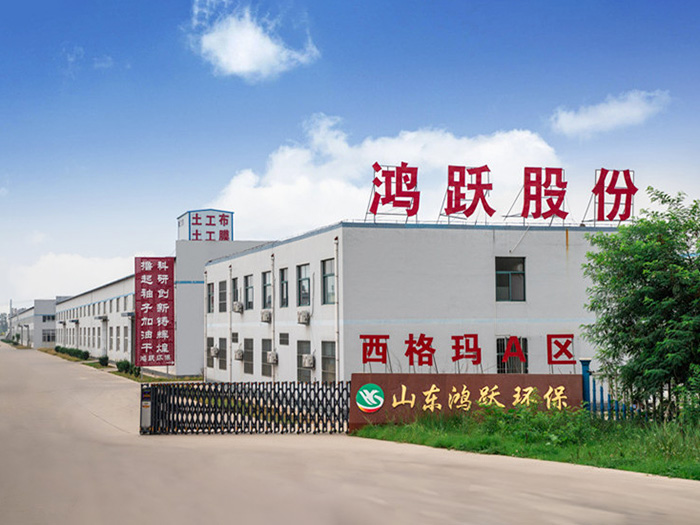
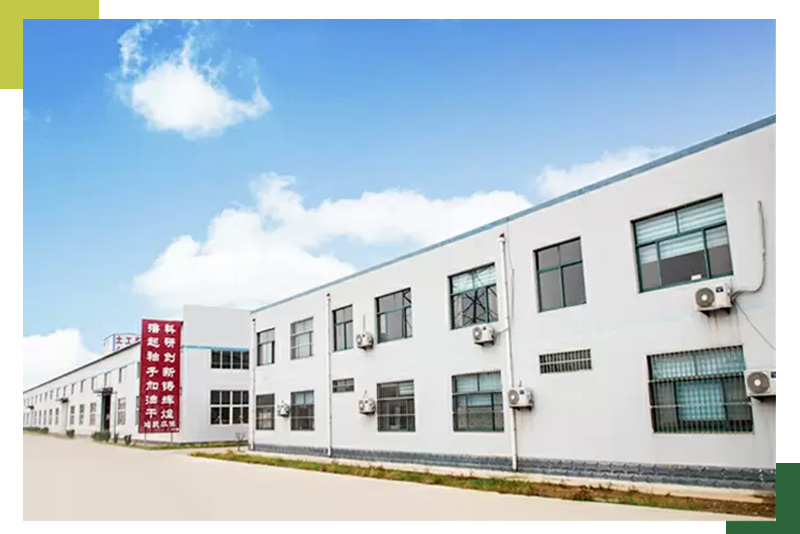
Established on April 6, 2023, and located at the north end of Fufeng Street, Lingcheng District, Dezhou, Shandong Province, Shandong Hongyue Environmental Engineering Co., Ltd. has rapidly developed into one of China's premier geotechnical material production bases. Combining state-of-the-art material research, engineering design, sales, and complex construction services, the company holds a registered capital of 105 million yuan.
Our commitment to excellence has earned the brand prestigious recognitions including "Green and Environmentally Friendly Building Materials Products," "Famous Chinese Brand," and "High-Tech Industry." As a proud member of the Dezhou Geotextile Association, our product portfolios are distributed widely across major global centers, meeting and exceeding strict engineering requirements in Germany, USA, Australia, and the hyper-stringent standards of the Tokyo Metropolitan Area.
Unraveling the market dynamics, tectonic realities, and infrastructural challenges that dictate modern geotextile applications in Japan and globally.
The Tokyo Metropolitan Area, situated on the Kanto Plain, presents a unique set of civil engineering challenges. Characterized by soft alluvial soils, extensive reclaimed waterfront zones (such as Tokyo Bay, Odaiba, and Koto Ward), and high seismic activity, the stability of foundations is a critical priority. In such environments, traditional soil stabilization methods are often cost-prohibitive and structurally insufficient. Geotextiles have transitioned from optional reinforcement layers to regulatory essentials under Japanese civil engineering codes.
Under seismic loading, saturated cohesionless soils in Tokyo's coastal areas are susceptible to soil liquefaction. High-performance woven and non-woven geotextiles provide crucial soil separation and filtration, preventing fine particles from migrating during pore water pressure build-ups. By utilizing our High-Strength Filament Geotextiles, engineers can design subbase layers that mitigate shear stress propagation, safeguarding Tokyo's high-speed rail lines (Shinkansen), expressways, and underground utility corridors from disastrous differentials in settlement.
Globally, the geotextile and geosynthetics market is undergoing a major growth phase driven by green infrastructure mandates, climate-change-induced flood mitigation projects, and aging transport networks in Europe and North America. As governments adopt lifecycle-cost analysis for public infrastructure, geotextiles are highly valued for their ability to double the operational life of asphalt pavements while reducing the consumption of aggregate base materials by up to 30%.
The rise of polymeric geosynthetics has replaced traditional gravel-filled drains due to their superior flow-transmissivity and consistent physical properties. Modern environmental protection laws now mandate multi-barrier containment systems in municipal and chemical landfills globally. This has accelerated the integration of composite geomembranes with robust protective non-woven geotextiles, ensuring absolute protection of critical groundwater reserves.
| Property Matrix | Polyester (PET) Non-Woven | Woven Slit Film PP | HDPE / LLDPE Geomembrane | Composite Geocells |
|---|---|---|---|---|
| Primary Mechanical Role | Separation, Filtration & Drainage | High-Tensile Reinforcement | Impermeability & Seepage Barrier | 3D Lateral Confinement |
| Tensile Strength (kN/m) | 10 – 80 | 40 – 300 | 15 – 45 | ≥ 22 (Weld strength) |
| Permeability (cm/s) | 10-1 to 10-3 | 10-2 to 10-4 | < 10-12 (Impermeable) | Varies based on cell perforation |
| Tokyo Application Fit | Subgrade filtration & Subway drains | Soft ground reclamation & Rail embankments | Seawall protection & Water reservoirs | Steep slope protection & Seismic bases |
Our production workflow is optimized for consistent macromolecular arrangement, delivering high mechanical durability and strict adherence to international civil specifications.
The main raw materials are high-purity virgin polyester chips, polypropylene filament, and viscose fiber. These polymers undergo rigorous chemical profiling, density verification, and desiccation processes to guarantee moisture-free polymer matrices, ensuring minimal creep behavior under continuous physical stress.
Raw polyester slices are heated to temperatures between 260°C and 290°C, and then extruded into a molten state using high-torque screw extruders. Polypropylene filament and viscose fibers are mixed in precise proportions. Temperature and extrusion pressure are monitored electronically to maintain molecular weight distribution.
The homogeneous melt is extruded through custom spinnerets to form ultra-fine continuous filaments. The fibers are projected onto a moving conveyor system using controlled air currents, forming an isotropic web structure. Fiber orientation and deposition density are optimized to yield balanced directional strength.
The loose fiber web is subjected to multi-stage needle-punching lines where thousands of barbed needles entangle the fibers, forming mechanical bonds. This step is accompanied by thermal calendering at controlled temperatures to lock the porous grid, optimizing tensile properties and hydraulic parameters.
Following consolidation, the geotextile is continuously monitored for width, thickness, and mass per unit area. High-speed slitting machines divide the web into desired sizes, and roll them onto heavy-duty cores. The rolls are sealed in UV-resistant protective sleeves to prevent pre-installation photo-degradation.
Before leaving the factory, samples from every batch undergo rigorous mechanical and hydraulic characterization. We test for Grab Tensile Strength (ASTM D4632), CBR Puncture Resistance (ASTM D6241), Apparent Opening Size (ASTM D4751), and Flow Rate. Only products passing all checks are cleared for shipping.
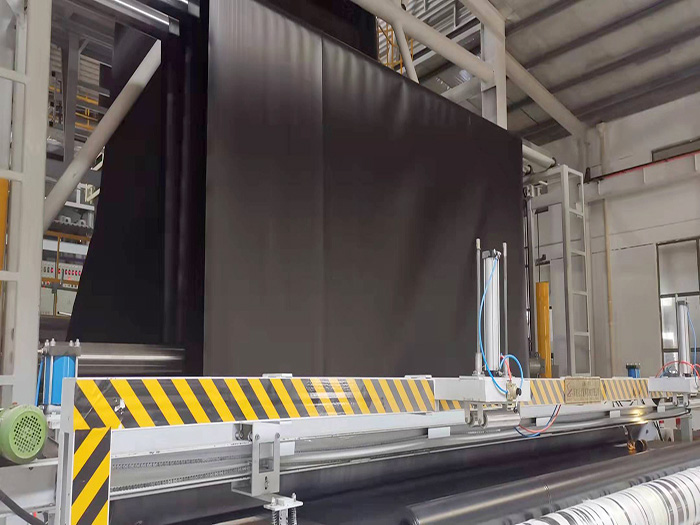
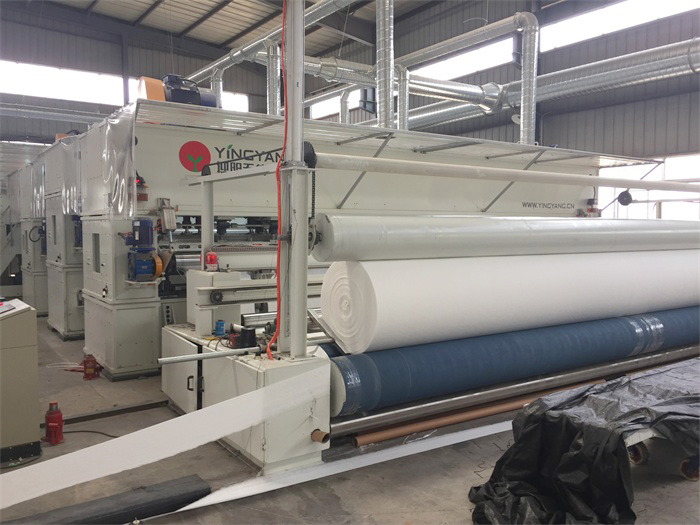
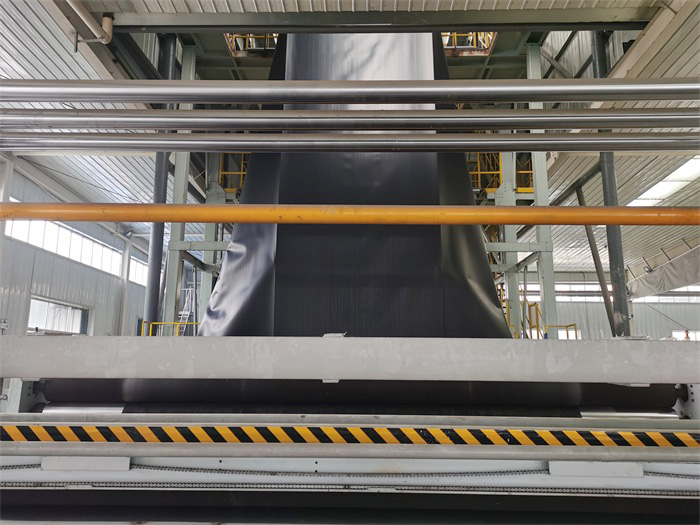
A visual walkthrough of Shandong Hongyue's advanced production floor, showing our high-speed manufacturing lines, quality monitoring setups, and logistics yards.
Expert guidelines for selecting, installing, and maintaining synthetic containment and reinforcement barriers in complex environments.
Choosing the correct polymer and density profile is essential to the durability of geotechnical works. In high-salinity reclaimed grounds around Tokyo Bay, High Density Polyethylene (HDPE) offers superior chemical resistance and low permeability, whereas Linear Low Density Polyethylene (LLDPE) provides high multi-axial elongation properties, perfect for irregular surfaces and steep slopes prone to seismic movements.
Engineers must balance thickness (typically between 0.3mm for minor municipal canals to 2.0mm for critical environmental reservoirs) with site-specific demands to optimize cost-efficiency without compromising safety standards.
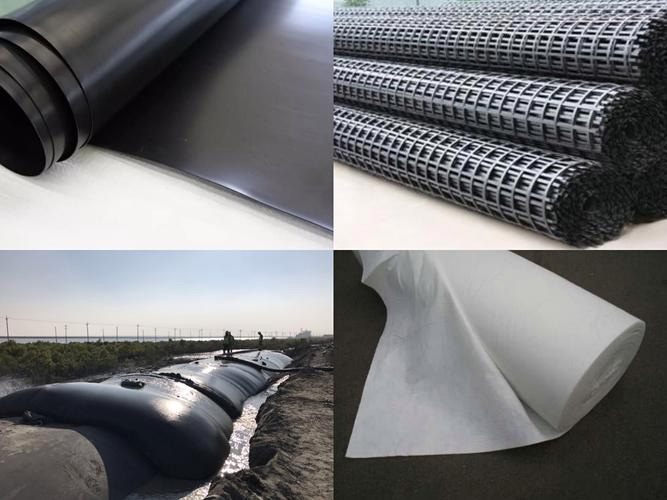
Proper subgrade preparation is crucial; the receiving ground must be free of sharp aggregates, roots, standing water, and organic debris. When laying, the material should be rolled out evenly without wrinkles to prevent stress concentration. Joint welding must be conducted by certified technicians using dual-track wedge welding or extrusion welding for junctions, ensuring leak-free performance. Continuous air-pressure testing on dual-welded seams is mandatory to verify joint integrity before backfilling.
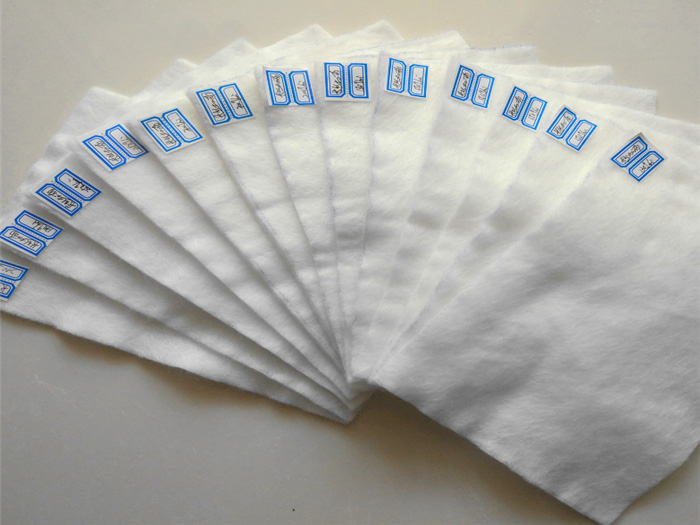
Post-installation care ensures long-term operational stability. Routine inspections should verify that structural cover layers remain intact, preventing UV exposure. The drainage systems must be cleared periodically to prevent fine sediment buildup that could block the geotextile filter. If puncture damage is identified, patch repairs using compatible material and hand-held extrusion welders must extend at least 150mm beyond the damaged boundary to maintain containment safety.
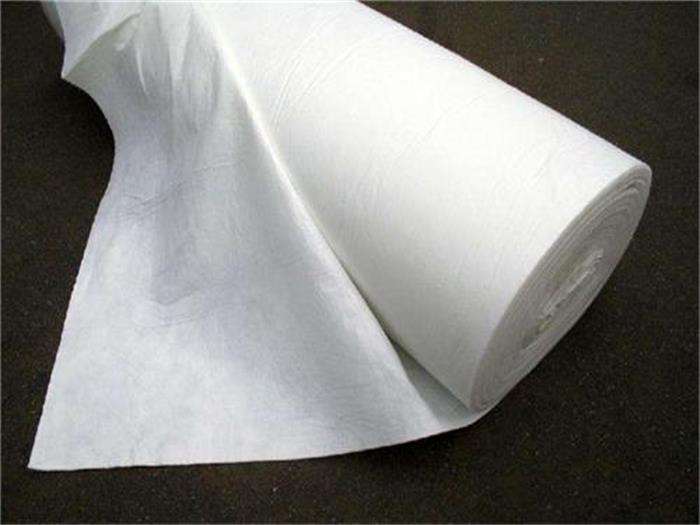
Discover how integrated geosynthetic structures prevent leakage, manage stormwater runoffs, and stabilize steep terrains in public works projects.
Exploring next-generation geotextile developments, including carbon-neutral matrices, smart sensor integration, and high-durability composites.
As the construction industry emphasizes decarbonization, the demand for green geosynthetics is increasing. Research is shifting toward developing biodegradable PLA-based geotextiles for temporary stabilization projects and utilizing 100% recycled PET polymers for permanent installations. Our facility is developing new manufacturing methods to lower energy consumption during melt extrusion, supporting global net-zero initiatives.
The integration of fiber-optic sensor arrays directly within geotextile and geomembrane matrices allows real-time structural health monitoring. These "smart" geosynthetics track changes in strain, temperature, and local moisture levels. In seismically active locations like Tokyo, these sensors act as early-warning devices, highlighting subgrade movements, landfill leaks, or embankment deformations before they cause structural failure.
To resist chemical weathering in extreme environments, such as high-acid mining heaps or saline coastal locations, we are testing nano-engineered polymer additives. These treatments reduce UV degradation and improve anti-clogging performance. This ensures that the drainage openings remain permeable throughout their lifecycle, even when exposed to highly adhesive clay soils.
Browse our extensive selection of verified engineering geosynthetics, certified for municipal, industrial, and infrastructure applications in the Tokyo market.
High-strength continuous filament geotextile, providing exceptional tensile strength and water permeability under high loads.
Send Inquiry Now
Premium grade polyester geotextiles designed for filtration, separation, and reliable subgrade protection in public works.
Send Inquiry Now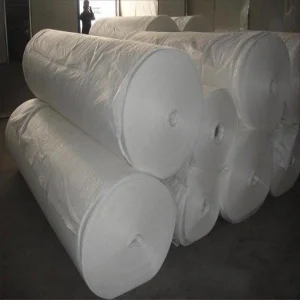
Highly porous needle-punched design, maximizing hydraulic drainage and preventing soil piping in underground systems.
Send Inquiry Now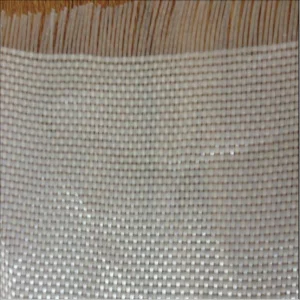
Heavy-duty woven structural geotextile, perfect for load distribution, retaining walls, and shoreline erosion control.
Send Inquiry Now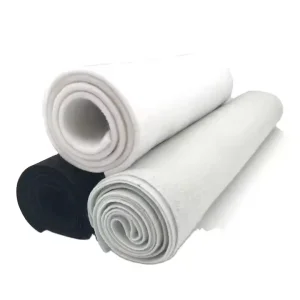
CE-certified geotextile barrier, providing excellent chemical stability and long service life for containment systems.
Send Inquiry Now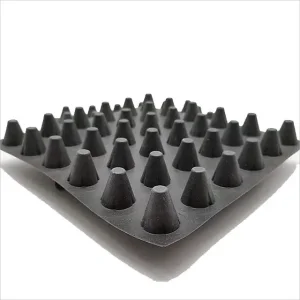
High-strength dimpled core drainage board, facilitating rapid water discharge from basement walls and green roof projects.
Send Inquiry Now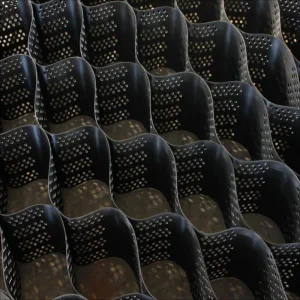
Robust 3D honeycomb soil confinement system, designed to arrest slope erosion and stabilize soft subgrade layers.
Send Inquiry Now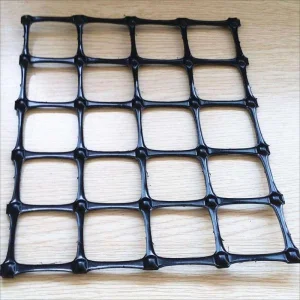
Flexible confinement grid panels, offering structural load support and vegetative slope recovery in urban works.
Send Inquiry NowGet answers to common technical, installation, and procurement questions regarding our geosynthetics in urban civil engineering.
 Hongyue