Direct from our manufacturing base to Bangkok's commercial infrastructure sectors. Optimizing structural longevity under demanding soil and tropical conditions.
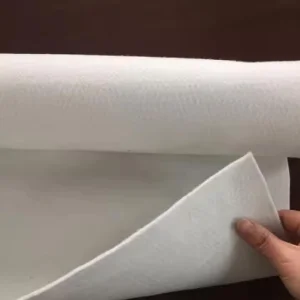
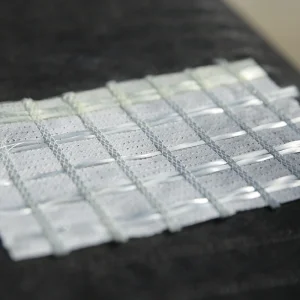
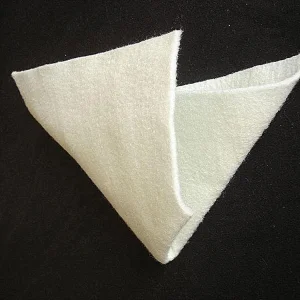
Bangkok is situated in the lower Chao Phraya River basin, characterized by a highly challenging geology consisting of a thick layer of extremely soft marine clay, commonly referred to as "Bangkok Clay". With a high groundwater table and susceptibility to seasonal monsoon flooding, civil engineering projects in Bangkok face significant risks of differential settlement, land subsidence, and lateral soil movement.
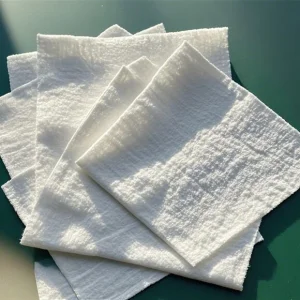
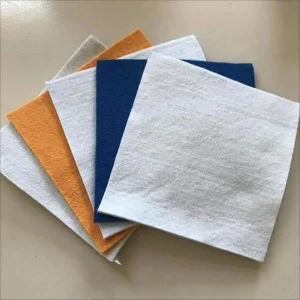
Without proper geological stabilization, heavy infrastructure such as expressways, airport runways, and rapid transit foundations can suffer severe structural failure. Shandong Hongyue's range of premium geotextiles, geomembranes, and geocells are specifically designed to address these soft-soil engineering challenges. By providing optimal filtration, separation, and reinforcement, our geosynthetic materials mitigate pore water pressure and distribute loads evenly, ensuring long-term structural integrity.
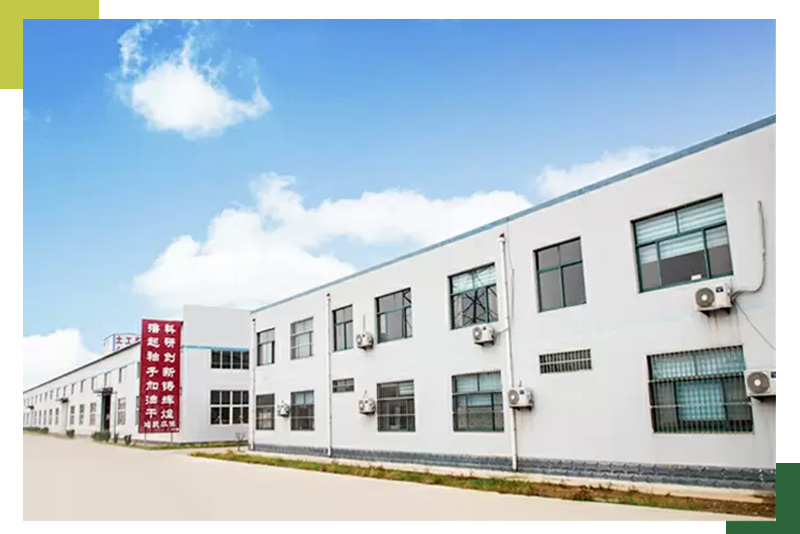
How Shandong Hongyue Environmental Engineering supports large-scale municipal, ecological, and civil projects globally.
Standardized under ISO9001 (Quality), ISO14000 (Environmental), and ISO45001 (Health & Safety) management frameworks.
Robust financial foundation and production capacity ensuring seamless supply stability for mega-projects in Southeast Asia.
Direct-from-factory quotes tailored for Bangkok procurement parameters, eliminating middleman markups.
Technical consultation, customized sizing, installation guide, and fast shipping logistics via Bangkok ports.
Shandong Hongyue Environmental Engineering Co., Ltd., located at the north end of Fufeng Street, Lingcheng District, Dezhou, Shandong Province, is a scientific and technological geotechnical material manufacturer integrating engineering material production, sales, design and construction services. Registered on April 6, 2023, with a registered capital of 105 million yuan, our company has quickly expanded to become one of the largest production bases of geotechnical materials in China, boasting superior geographical location and convenient transportation links to guarantee rapid delivery to key commercial zones, including Bangkok, Thailand.
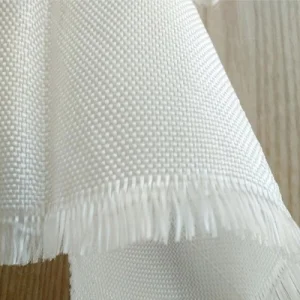
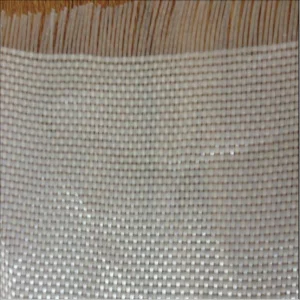
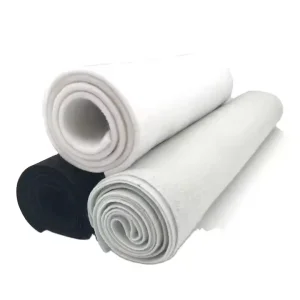
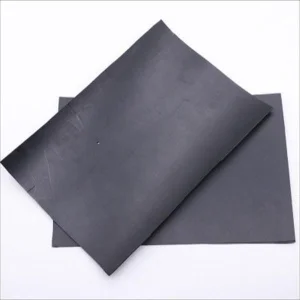
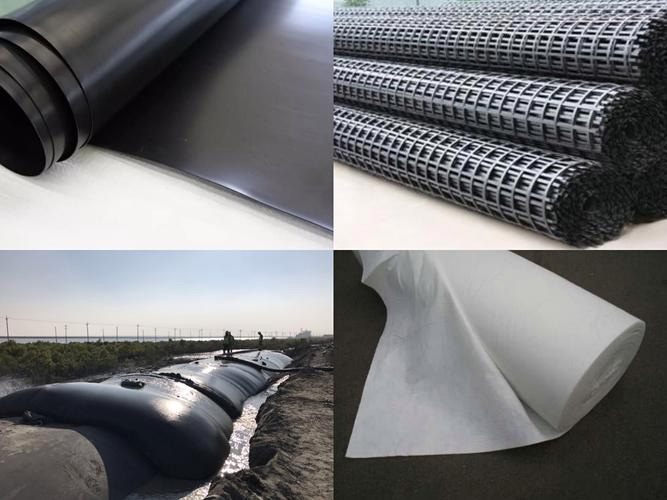
Since our establishment, our business has grown dynamically. Our extensive product portfolio includes geotextiles, geomembrane, composite geomembrane, waterproof board, bentonite waterproof blanket, 3D composite drainage net, (composite) drainage board, weaving cloth, woven cloth, membrane bags, blind ditches, waterproof and drainage combinations, woven bags, ecological bags, cement blankets, fiber plants blankets, and flexible pervious pipes.
Standardized manufacturing flow ensuring each square meter of geotextile meets strict ASTM and European engineering criteria.
Using premium virgin polyester (PET) chips, polypropylene (PP) filament, and viscose fibers. Every batch is tested for molecular density and thermal stability.
Materials are melted at high temperatures and extruded via precise spinnerets. The extruded fibers are laid down on conveyor belts to create a uniform multidirectional web structure.
Thermal and mechanical needle-punching bonds the fibers together. Specialized quality inspection systems measure tensile strength, CBR puncture resistance, and opening size.
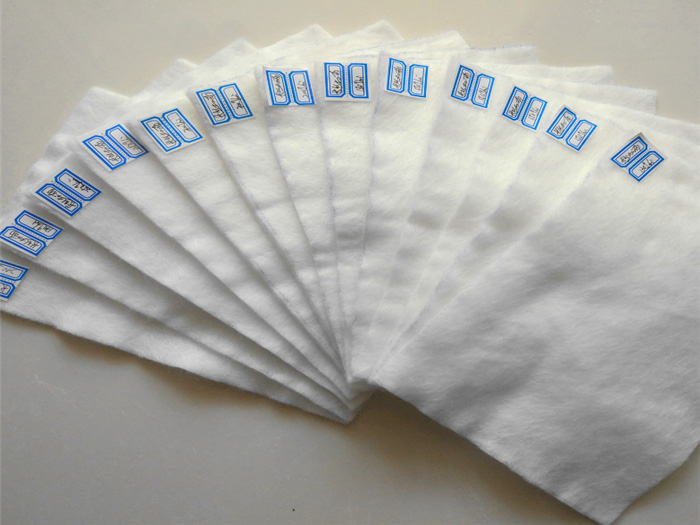
The quality of all products produced by Shandong Hongyue has reached or exceeded international standards. Our materials have passed the certification of the China National Testing Center and have consistently cleared the national quality supervision and sampling inspections commissioned by the State Administration of Quality Supervision and Inspection.
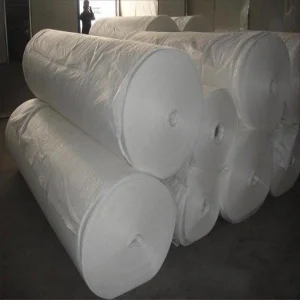
Equipped with state-of-the-art laboratory testing facilities, we inspect each roll for mass per unit area, thickness, wide-width tensile strength, trapezoidal tear strength, CBR puncture resistance, and water permeability. This guarantees that when our geotextiles land in Bangkok, they perform reliably under tropical climate conditions.
Solving infrastructure and ecological challenges with robust product deployment.
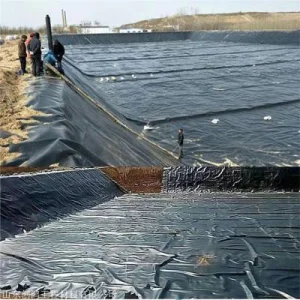
In Bangkok's extensive canal (khlong) network and Chao Phraya riverbank protection projects, geomembranes and non-woven geotextiles act as the primary defense against erosion. Laying a high-density polyethylene (HDPE) geomembrane along canal beds prevents water seepage and protects the surrounding low-lying municipal lands from structural waterlogging.
Furthermore, geotextiles are critical for soil retention behind retaining walls. The filter function allows water to drain freely while holding back fine clay particles, reducing hydrostatic pressure and avoiding embankment collapses during Bangkok’s monsoon season.
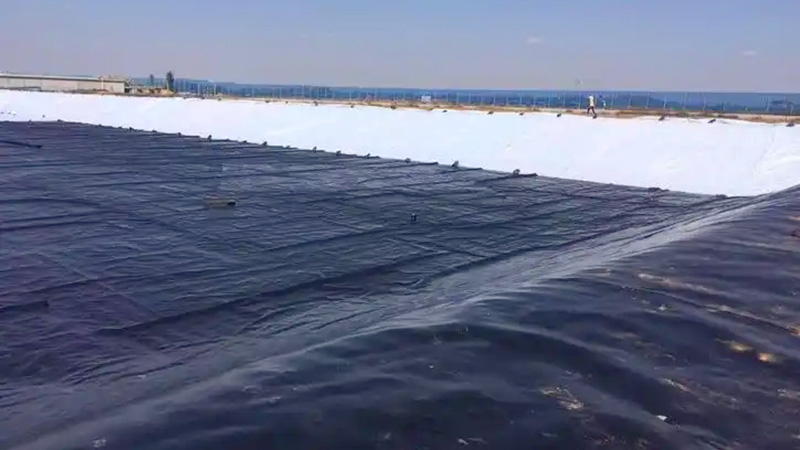
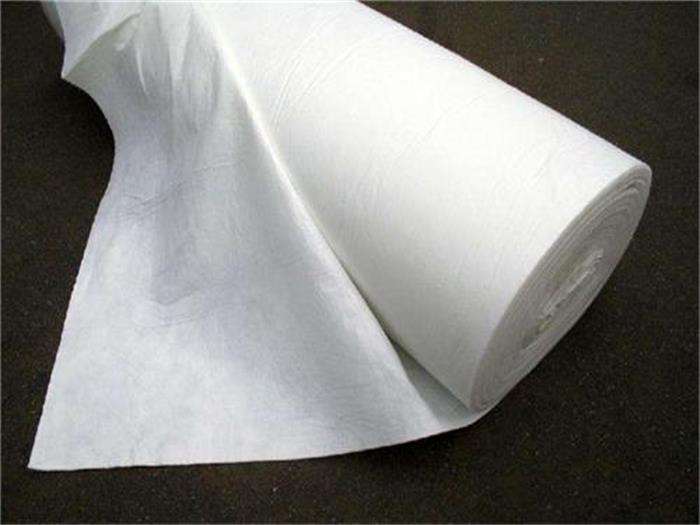
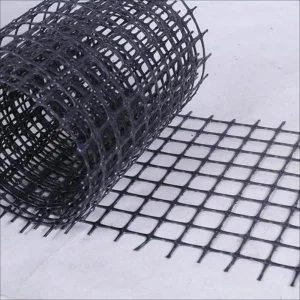
When constructing roads and expressways on Bangkok's soft subgrade, our composite geotextiles prevent the mixing of different subgrade and aggregate layers. By placing a high-strength woven or warp-knitted composite geotextile between the soft clay subgrade and the granular base, load-bearing capacities are drastically increased, and pavement cracking is mitigated.
This significantly reduces maintenance intervals, saves material costs during construction, and ensures that heavy logistics corridors around the Eastern Economic Corridor (EEC) remain structural sound.
Providing robust environmental engineering materials and logistics expertise to our valued client network.
Our products are widely exported to Europe, the United States, Australia, and Southeast Asia. With built-in warehousing and distribution partnerships, we offer Bangkok clients seamless DDP/CIF shipping solutions, complete with local customs clearing and direct-to-site delivery options.
Get a Custom Quote for BangkokA technical guide for project managers and site engineers working in the Bangkok region.
Before deploying any geotextile or geomembrane in soft clay areas, the base soil must be graded and cleared of any sharp debris, rocks, tree roots, or standing water. A clean surface prevents localized stress concentrations that could puncture the synthetic sheet.
To maintain structural continuity, geotextiles should be overlapped by at least 300mm to 500mm. For impermeability applications requiring HDPE geomembranes, high-temperature dual-track hot wedge welding is necessary. Each seam must undergo non-destructive air-pressure testing to verify bond strength and leak-tightness.
Due to intense tropical UV radiation in Thailand, exposed geotextiles can undergo photodegradation if left unprotected. We recommend backfilling with granular soil or placing concrete aggregate within 48 hours of deployment to protect the material from UV exposure and strong wind uplift.
Addressing key engineering, procurement, and logistical queries from Thailand developers.
Premium grade geotextiles, geomembranes, and geocells optimized for regional distribution in Bangkok.
 Hongyue