Engineered to exceed Caltrans requirements, facilitating local infrastructure optimization with robust load distribution and structural integration.
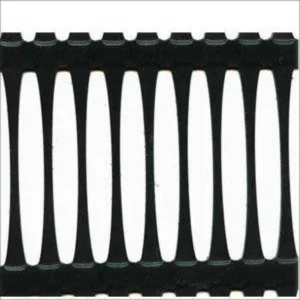
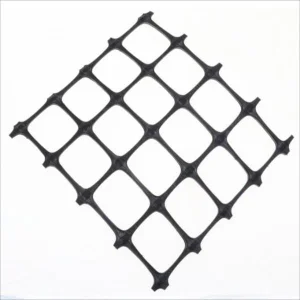
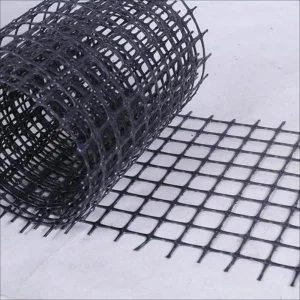
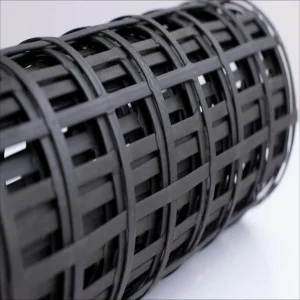
The Greater Los Angeles Area is home to some of the busiest and most complex transportation, municipal, and industrial networks in the world. As the primary gateway for trans-Pacific trade via the Port of Los Angeles and Port of Long Beach, Southern California demands robust infrastructure. Supporting massive container depots, expanding rail corridors, and extensive highway networks requires advanced geotechnics to manage localized soil challenges.
Geologically, Southern California poses unique engineering obstacles. Alluvial deposits, liquefaction-prone coastal soils, and active seismic zones are common across LA, Orange, and San Bernardino counties. Traditional soil stabilization methods—such as deep soil mixing or thick aggregate base layers—are increasingly cost-prohibitive. As a result, civil engineers specify high-tensile biaxial and uniaxial geogrids to optimize pavement, construct steeper mechanically stabilized earth (MSE) walls, and mitigate differential settlement.
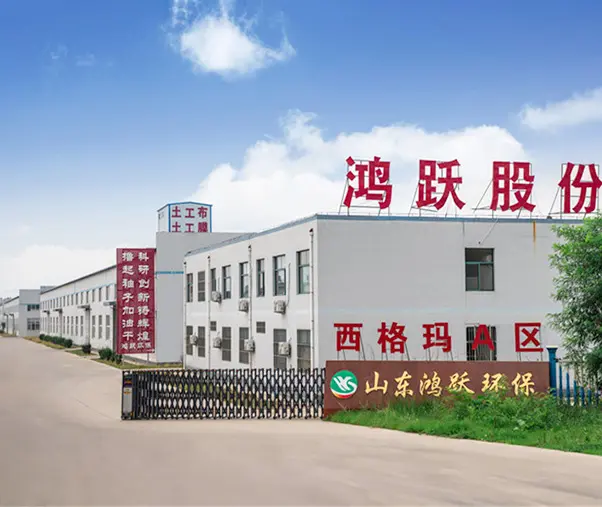
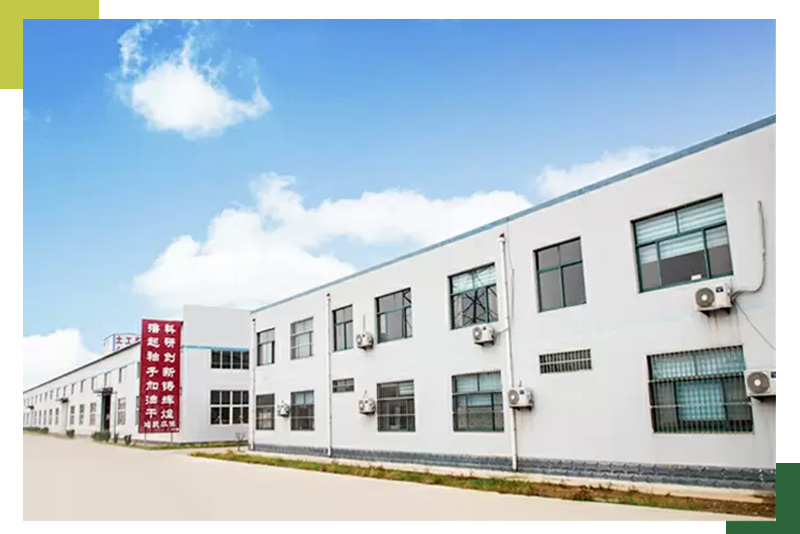
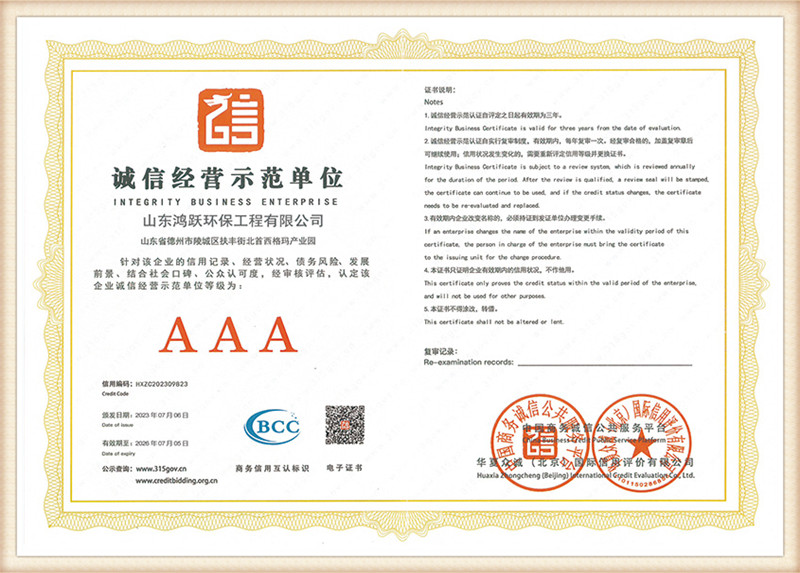
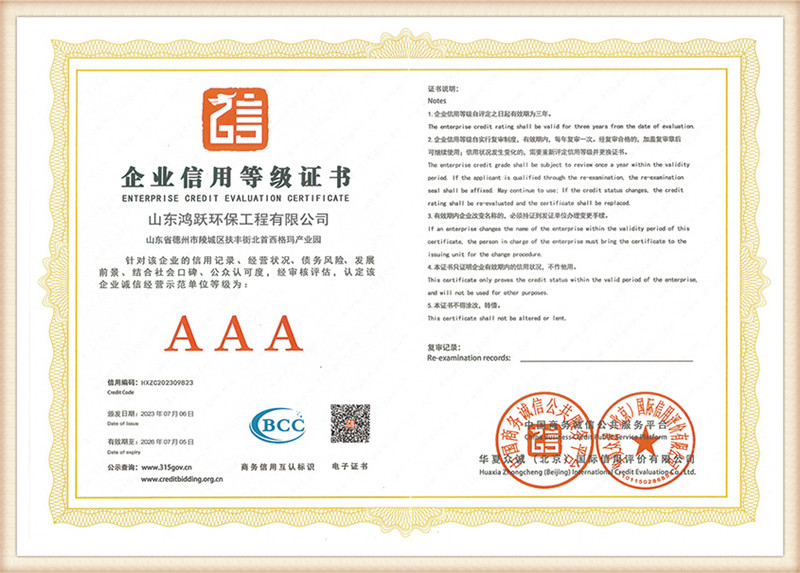
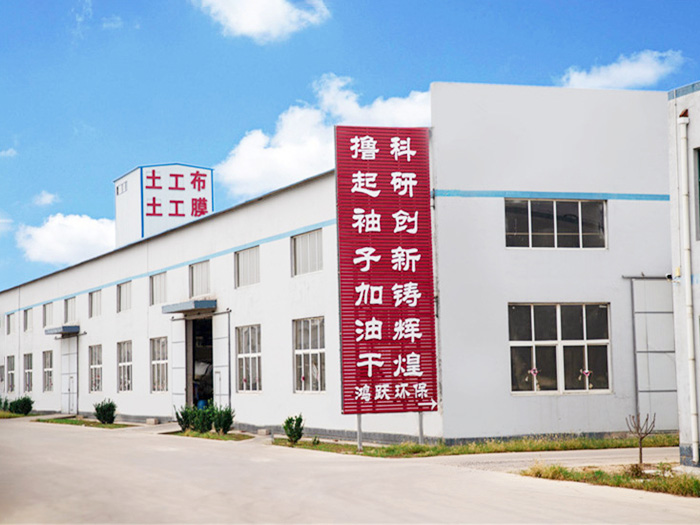
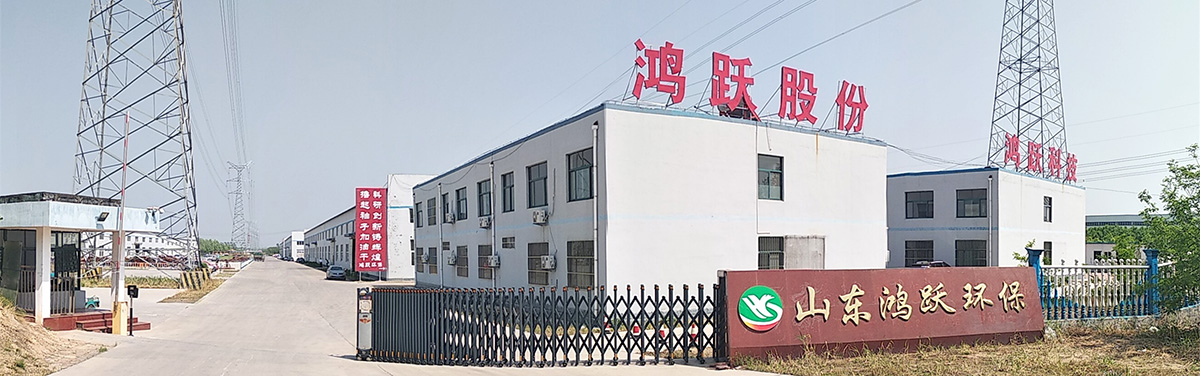
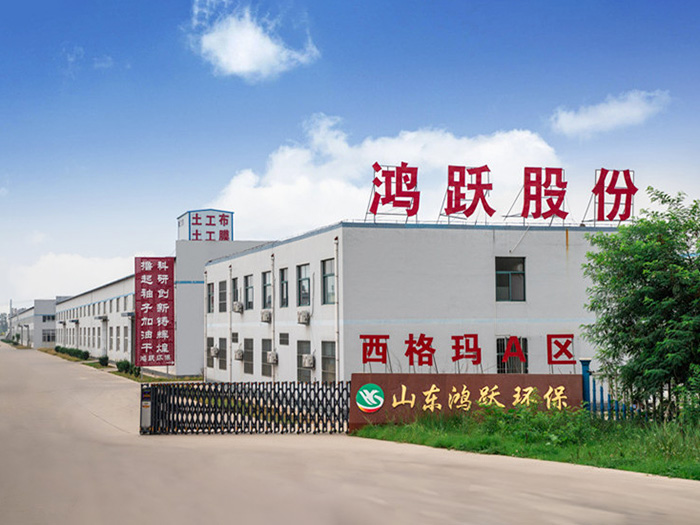
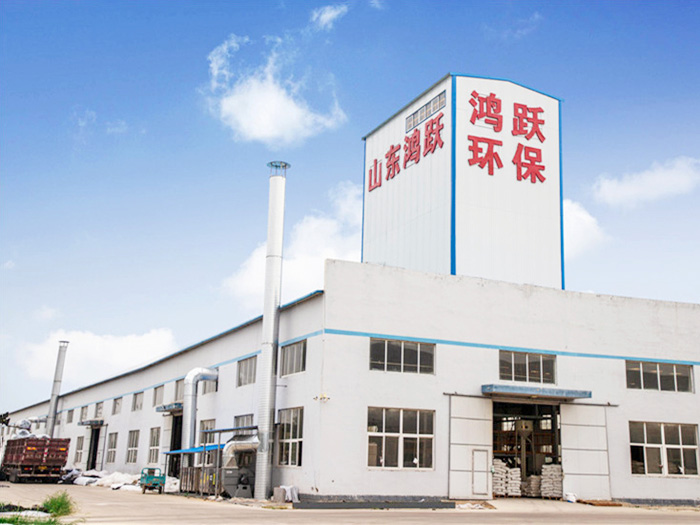
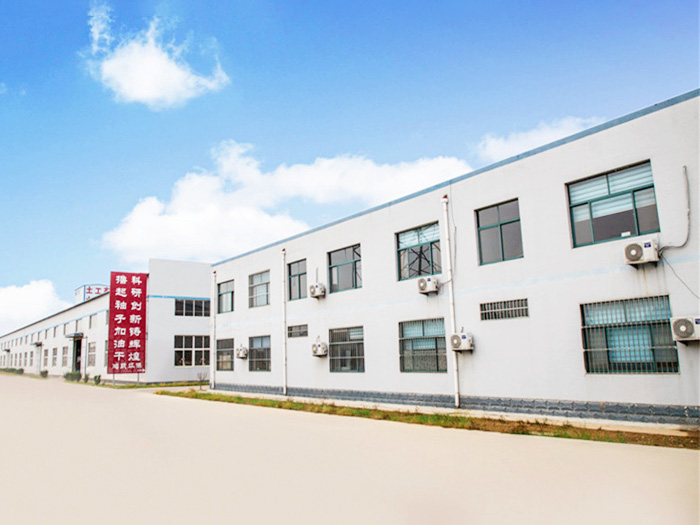
Shandong Hongyue Environmental Engineering Co., Ltd., located at the north end of Fufeng Street, Lingcheng District, Dezhou, Shandong Province, is a leading scientific and technological geotechnical material manufacturer integrating engineering material production, sales, design, and construction services. Registered with a capital of 105 million yuan, the company stands as one of the largest production bases of geotechnical materials in China, benefiting from a strategic location and highly efficient transportation networks.
Since its establishment, Hongyue has scaled rapidly to meet global demand, building an extensive portfolio of geotextiles, geomembranes, composite geomembranes, waterproof boards, bentonite waterproof blankets, 3D composite drainage nets, (composite) drainage boards, woven and non-woven geotextiles, membrane bags, plastic blind ditches, waterproof-drainage combinations, ecological bags, cement blankets, fiber plant blankets, and flexible pervious pipes.
Shandong Hongyue is a member of the Dezhou Geotextile Association. Its products are widely applied in highways, railways, bridges, tunnels, reservoirs, canals, artificial lakes, environmental protection, aviation, mining, and agriculture. The company’s complete and scientific management system is certified under ISO9001, ISO14000, and ISO45001.
Developing advanced polymer formulations and micro-engineered rib designs to meet the evolving demands of modern engineering.
Integrating elastic polymer blends into our geogrids provides dynamic lateral resistance. This improves structural resilience during ground deformation and seismic events in southern California.
Increasing the use of high-molecular-weight recycled post-industrial resins while maintaining high tensile strength and long-term design strength (LTDS).
Embedding fiber-optic sensors and conductive carbon elements into the geogrid structure allows for real-time monitoring of strain in critical municipal infrastructure.
Our state-of-the-art facilities in Shandong employ computerized process control systems to maintain tight tolerances and consistent product characteristics.
Polyester chips, high-density polyethylene (HDPE), polypropylene (PP) filament, and viscose fibers are inspected and stored. Polymer density and melt-flow indexes are validated prior to extrusion.
Polyester slices are melted at high temperatures and extruded by screw extruders. Additives are incorporated to provide UV stabilization and chemical resistance in municipal environments.
The molten sheet is extruded and punched with high-precision matrices, or knitted on Karl Mayer warp-knitting systems, to achieve the desired aperture distribution and rib geometry.
The punched polymer sheets are heated and stretched under tension (uniaxially or biaxially). This process aligns the molecular structure along the rib axes, increasing tensile strength.
Finished materials are measured, cut, rolled, and wrapped. Each roll is labeled with a tracking barcode for complete traceability from raw material to installation site.
Every production run undergoes physical property testing, including wide-width tensile tests (ASTM D6637), junction strength verification, and carbon black dispersion checks.
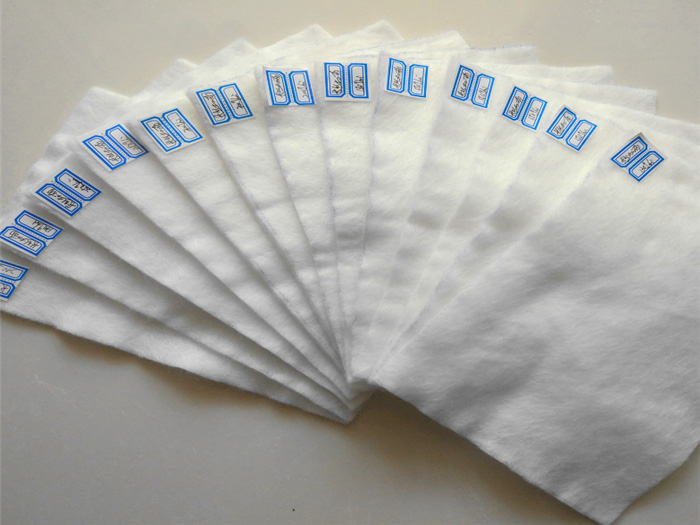
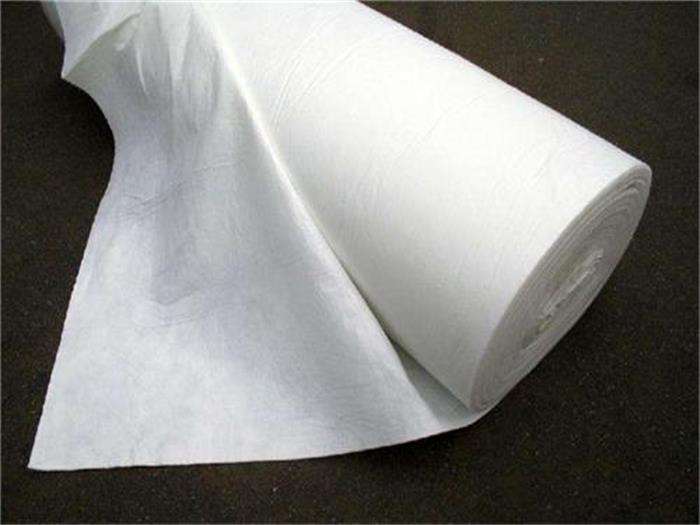
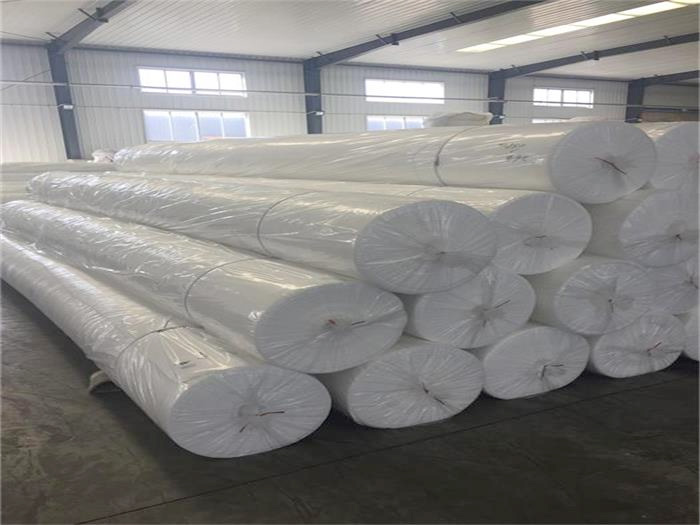
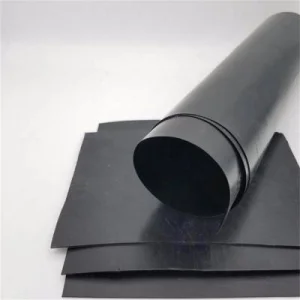
Geomembranes are widely used in environmental and hydraulic structures, serving critical containment, isolation, and reinforcement roles. Key application guidelines include:
Proper geomembrane selection and installation are vital to the long-term performance of regional containment infrastructure.
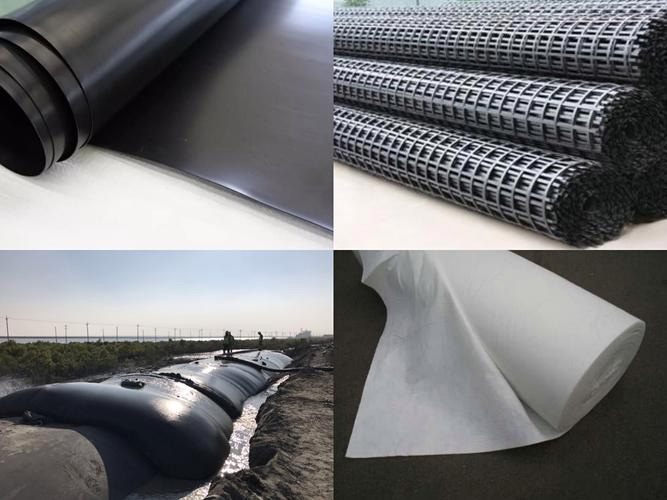
Providing engineered solutions that address geological, environmental, and structural demands across diverse civil applications.
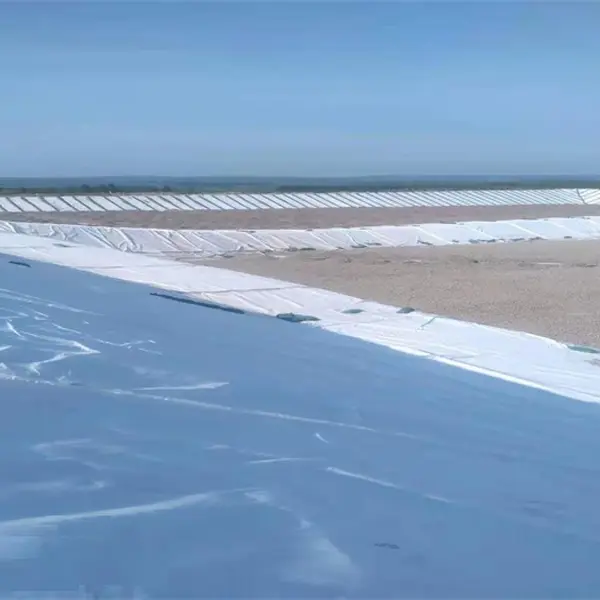
Lining reservoirs and containment channels to prevent seepage losses in arid climates.
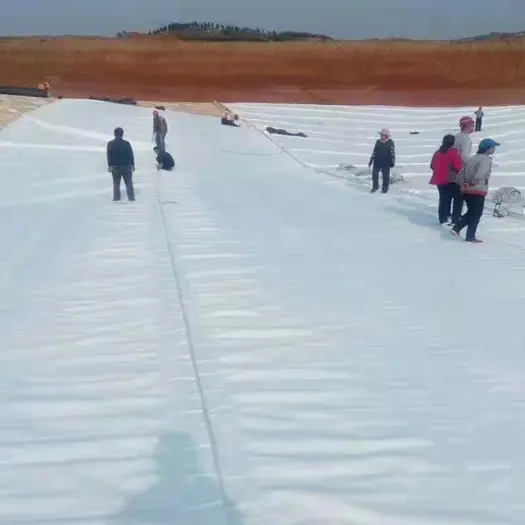
Reinforcing banks and canals against scour, slope instability, and water loss.
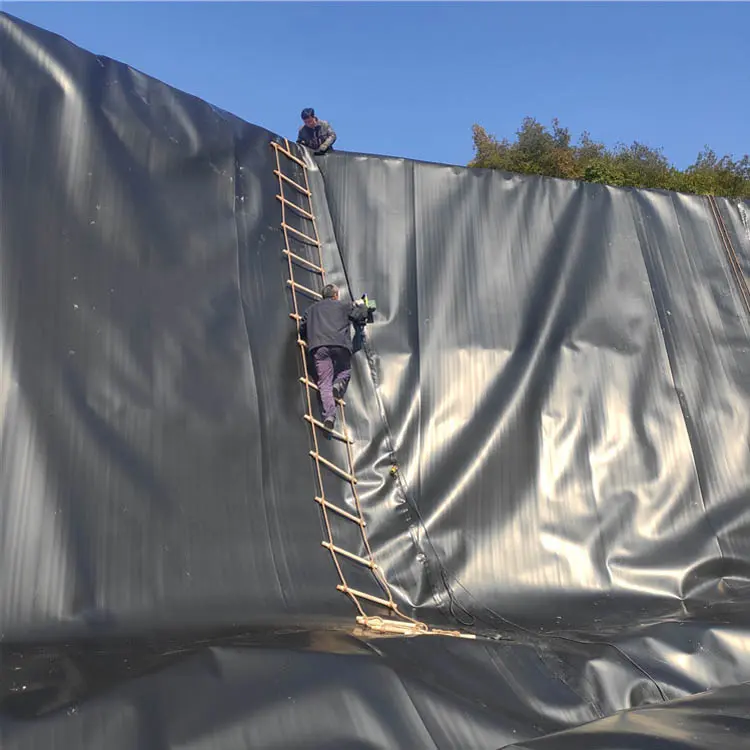
Constructing double-lined containment systems to protect groundwater aquifers from leachate.
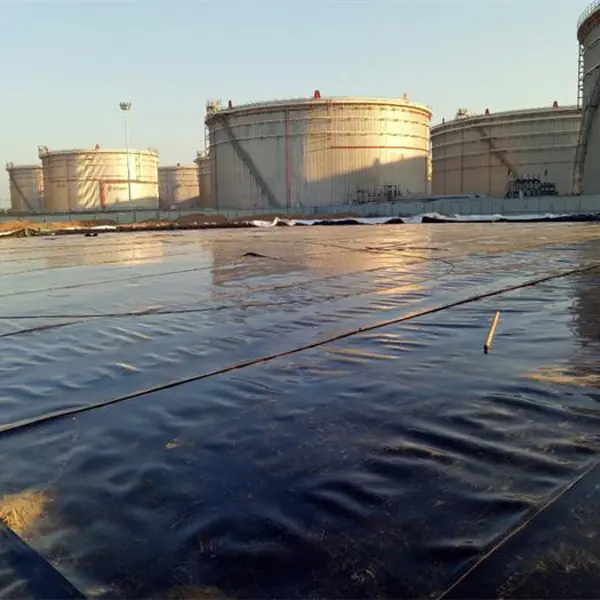
High-performance liners for chemical storage, oil tank terminals, and industrial run-offs.
Shandong Hongyue operates advanced, automated manufacturing plants. Our facilities feature computer-controlled extrusion lines, automated warp knitting machines, and real-time thickness and tension monitoring sensors. This high level of automation reduces human error, increases production efficiency, and guarantees consistent physical properties across large orders.
With a registered capital of 105 million RMB and deep integration with Dezhou's downstream material suppliers, Shandong Hongyue offers excellent price-to-performance ratio. For large civil projects in the Los Angeles market, sourcing directly from a scale manufacturer helps control material costs while meeting strict quality requirements.
Our logistics team coordinates with shipping lines to ensure smooth ocean freight routes from Tianjin and Qingao ports to the Port of Los Angeles. Dedicated project managers oversee scheduling, customs clearance documentation, and inland transit to minimize lead times.
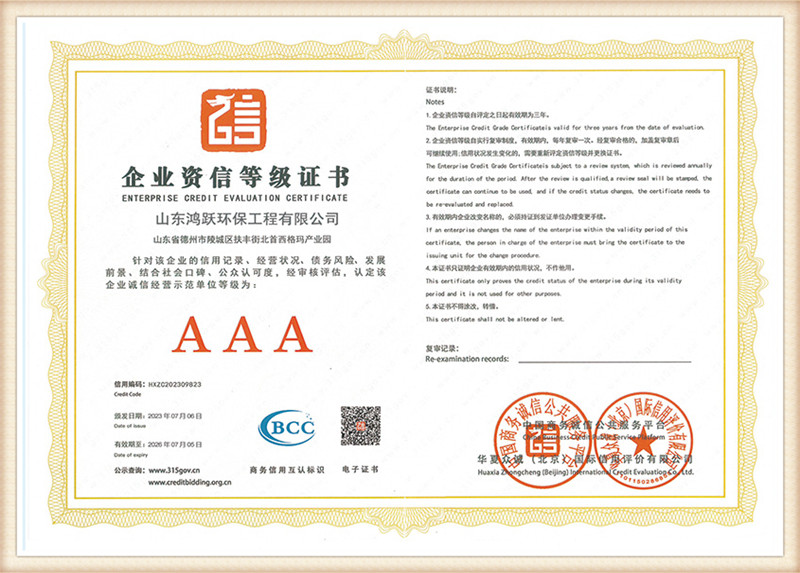
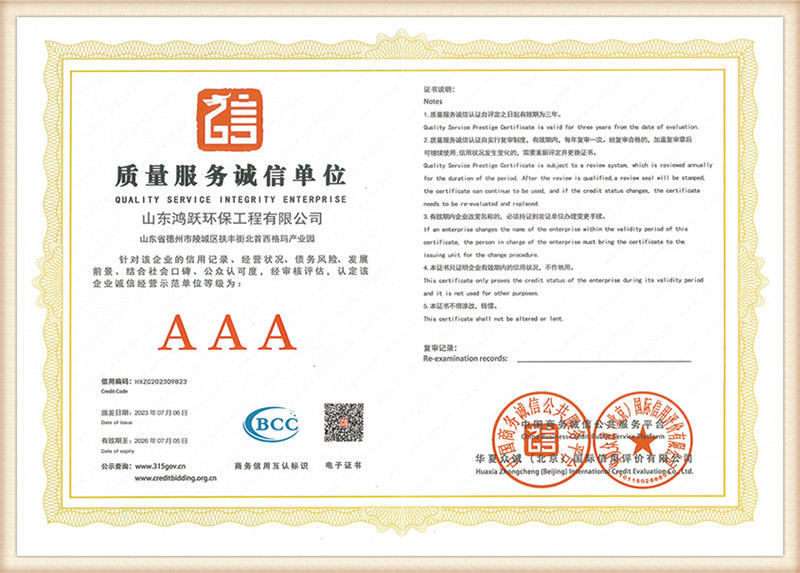
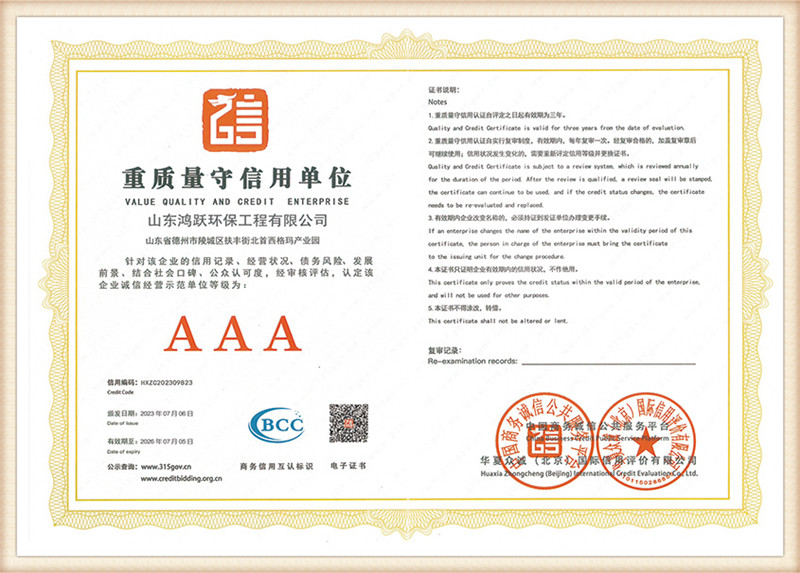
Procurement teams managing infrastructure projects in Southern California must navigate complex compliance standards. For soil reinforcement and road subgrade stabilization, geogrids must meet or exceed standard requirements set by agencies like Caltrans.
Our in-house quality control laboratory tests every production run to ensure compliance. We provide comprehensive mill test reports (MTRs) and third-party laboratory certifications with all shipments, confirming compliance with regional US guidelines.
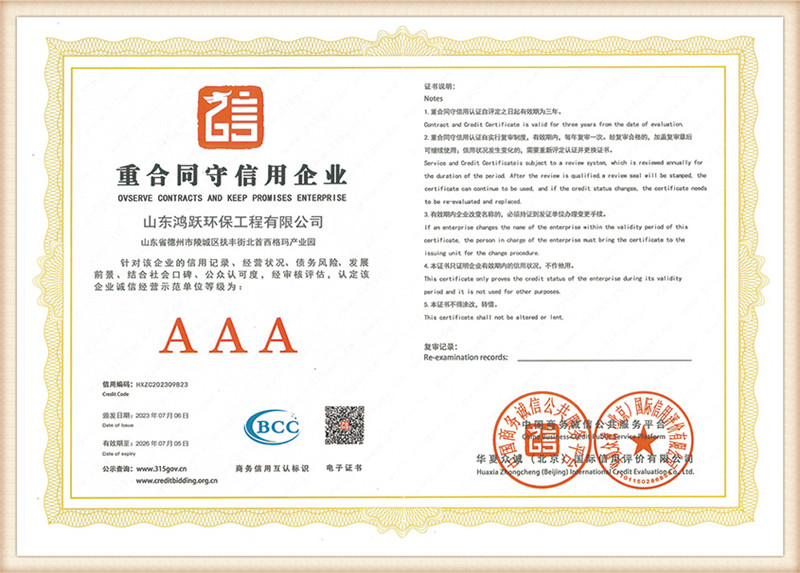
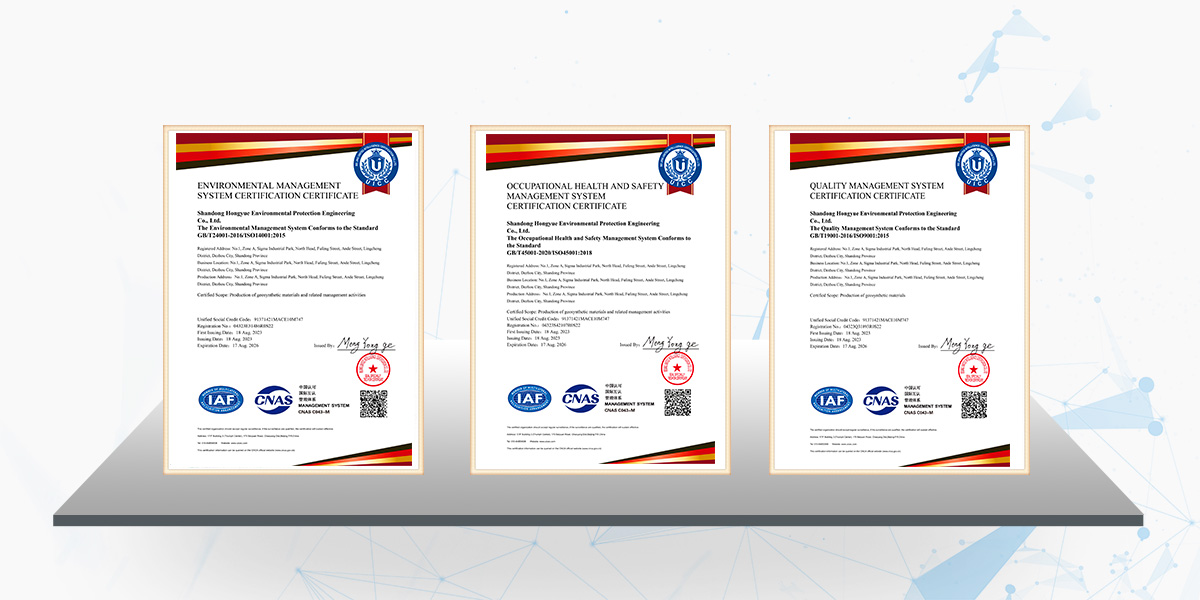
Key technical answers to common queries regarding geogrids, geomembranes, and international logistics.
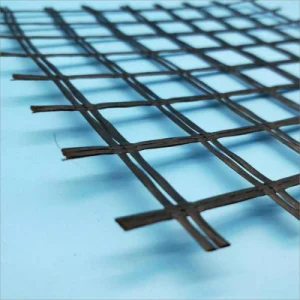
A: Uniaxial geogrids are designed to carry tensile loads in a single direction (along the roll length), making them ideal for retaining walls, MSE structures, and steep slope reinforcement. Biaxial geogrids carry loads in both directions (longitudinal and transverse), providing optimal performance for subgrade stabilization and pavement reinforcement.
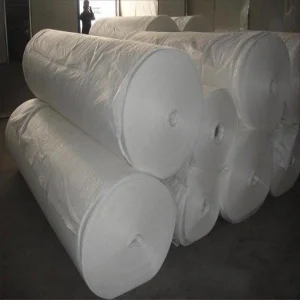
A: Our geogrids and geotextiles undergo systematic ASTM testing, including ASTM D6637 for tensile properties and ASTM D4355 for UV stability. We supply complete product data sheets and mill test reports to verify compliance with Caltrans Section 96 specifications.
A: Standard production times are 7 to 15 days, depending on order size. Shipping from main Chinese ports (e.g., Qingdao, Tianjin) to the Port of Los Angeles takes approximately 18 to 25 days, allowing for reliable project scheduling.
A: Yes, we provide custom configurations to match specific aggregate gradations. Roll widths can also be adjusted to minimize overlap waste on-site.
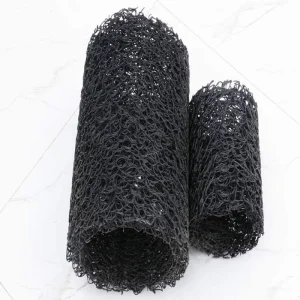
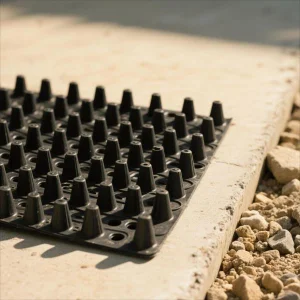
Browse our range of environmental and geotechnical materials, certified for drainage, containment, and reinforcement.
 Hongyue