Engineered to mitigate seismic activity, soil movement, and intense monsoon runoff typical of the Himalayan geography.
Detailed analysis of soil mechanics, seismic zones, and civil demands in the Kathmandu Valley region.
The Kathmandu basin is characterized by lacustrine deposits locally known as Kalimati clay—a soft, organic-rich, highly compressible black clay layer. Roads built over Kalimati clay suffer from unequal settlement and seasonal rutting. Polymeric biaxial geogrids installed at the subgrade interface lock aggregate base materials, distributing wheel loads over a wider area and reducing shear stresses on weak subgrade soils.
Kathmandu sits in a high seismic hazard area (Zone V equivalent under international codes). Mechanically Stabilized Earth (MSE) retaining structures reinforced with high-tensile HDPE Uniaxial Geogrids and Steel-Plastic Geogrids offer superior flexibility during dynamic earthquake loading. Unlike rigid concrete retaining structures, geogrid-reinforced soil slopes dissipate seismic kinetic energy without catastrophic brittle failure.
The annual South Asian monsoon drops heavy rainfall on the steep mountainous access corridors surrounding Kathmandu (such as the Tribhuvan Highway, Prithvi Highway, and Nagdhunga Access Roads). High-density Polyethylene Geocells combined with Non-woven Composite Geomembranes provide immediate slope face confinement, preventing gullies, landslips, and mudslides along cut slopes.
Direct Factory Supplier Delivering Certified Geosynthetic Systems to Nepal Infrastructure Projects.
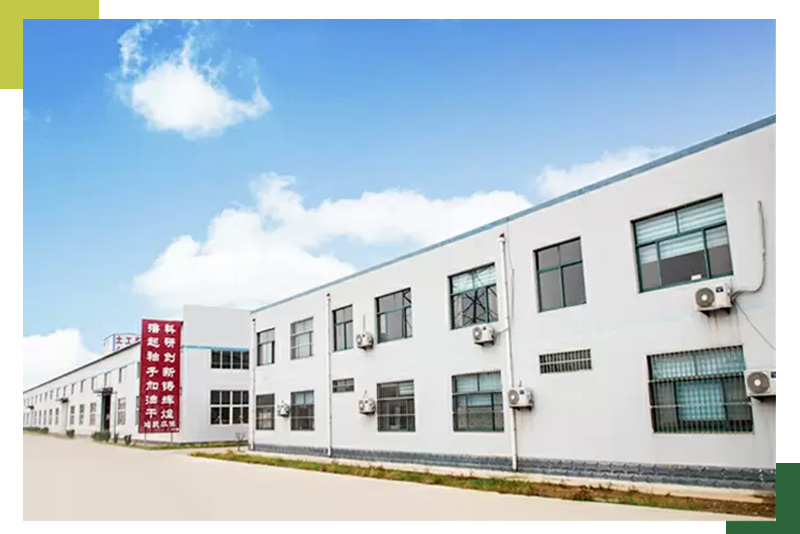
Shandong Hongyue Environmental Engineering Co., Ltd., situated at the north end of Fufeng Street, Lingcheng District, Dezhou, Shandong Province, stands as a premier scientific and technological geotechnical material enterprise. We integrate state-of-the-art material production, international engineering sales, structural design, and field construction support.
Registered with a capital of 105 million yuan, our Dezhou manufacturing hub is recognized as one of China's most expansive production facilities for geosynthetics. Our strategic industrial location facilitates direct containerized sea-land transport to South Asia, serving key infrastructure contractors in Nepal, including projects in Kathmandu, Pokhara, Biratnagar, and Bharatpur.
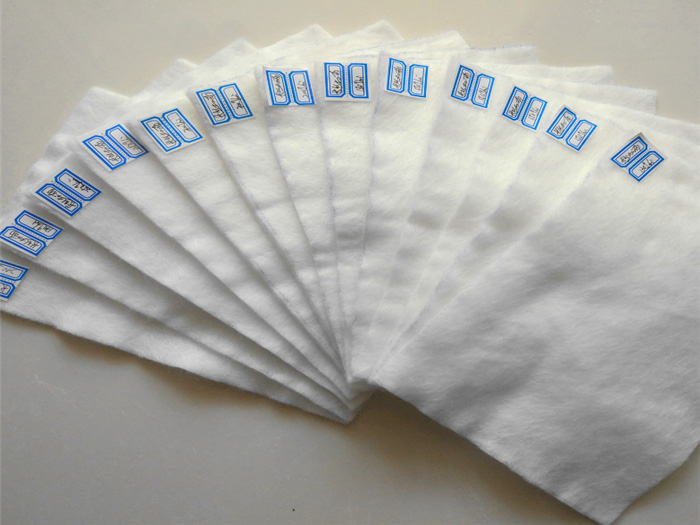
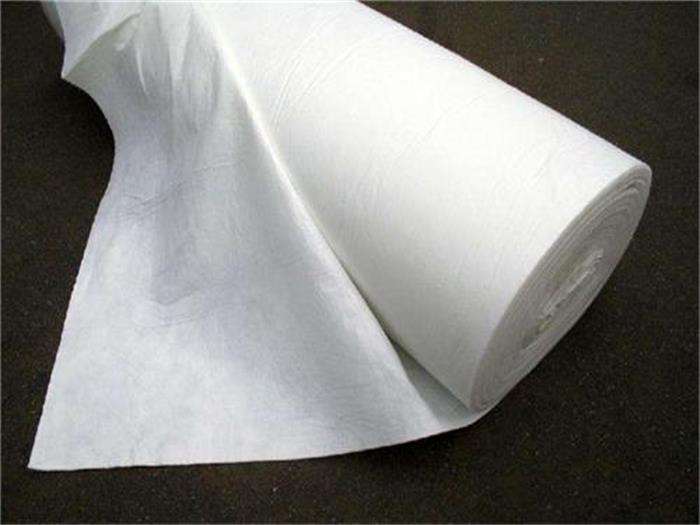
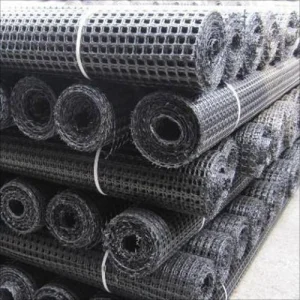
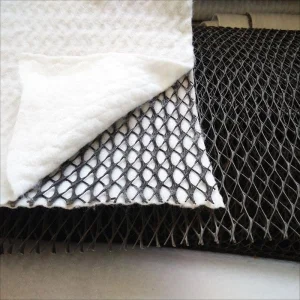
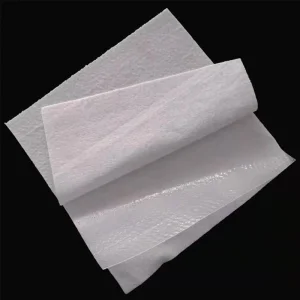
Our comprehensive portfolio encompasses Uniaxial Plastic Geogrids, Biaxial Plastic Geogrids, Steel-Plastic Geogrids, Glass Fiber Geogrids, Polypropylene Geocells, Nonwoven Geotextiles, Bentonite Waterproof Blankets (GCL), and 3D Composite Drainage Nets. We are an active council unit of the Dezhou Geotextile Association.
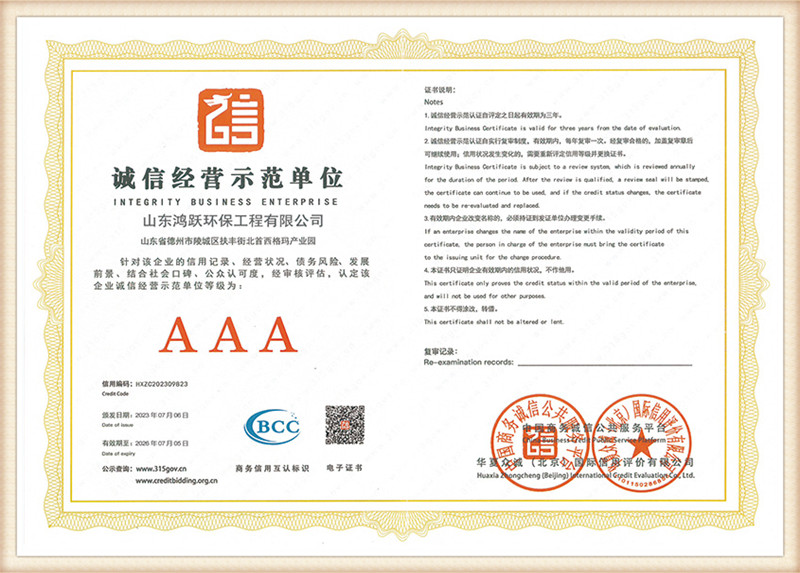
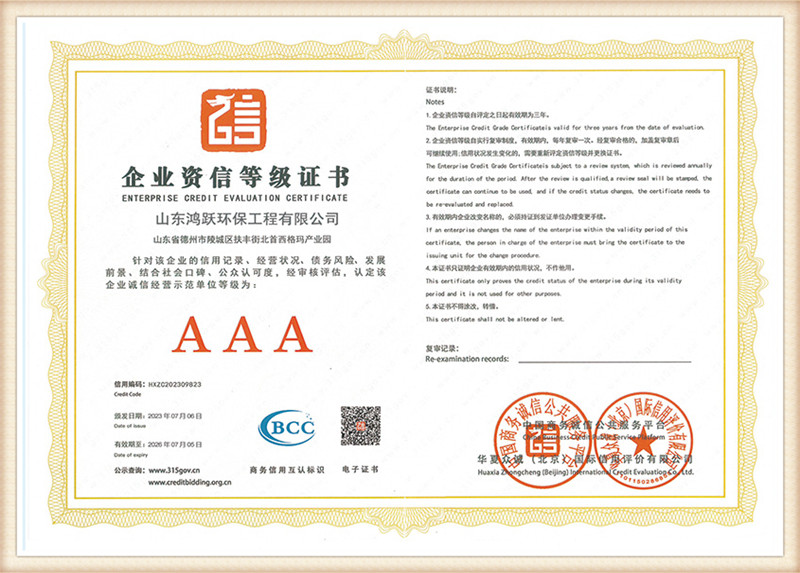
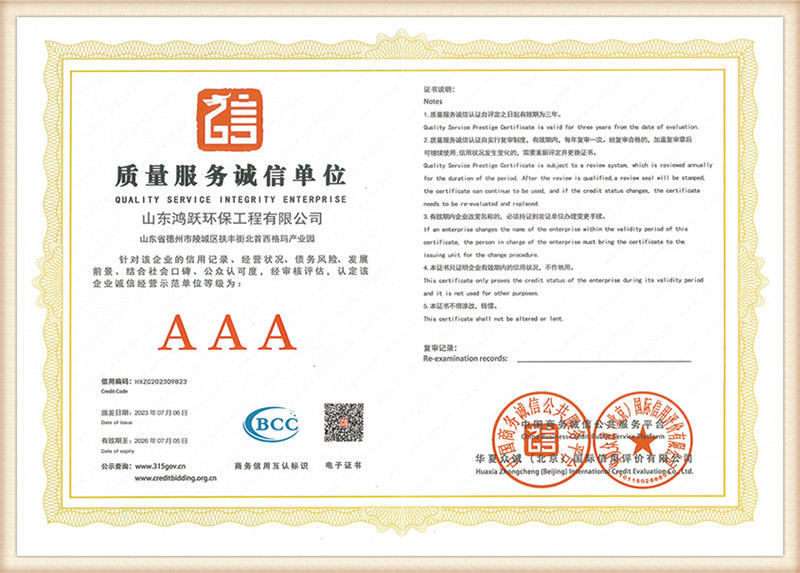
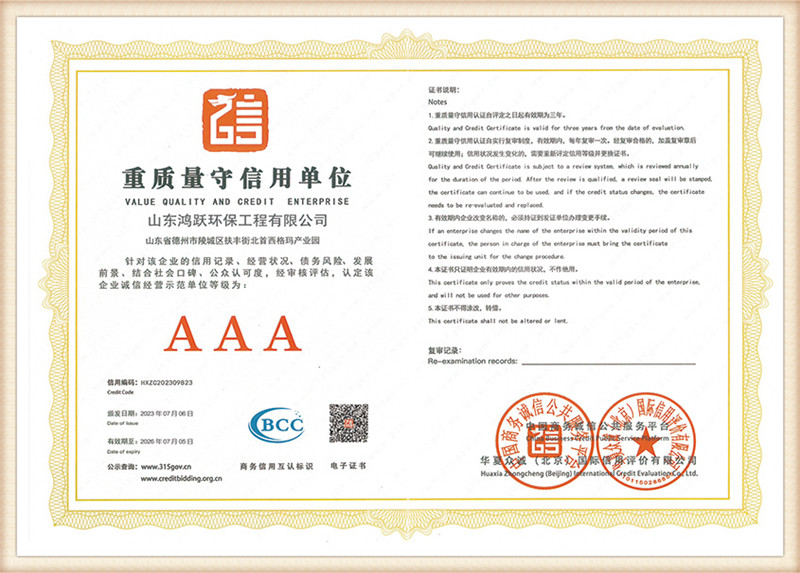
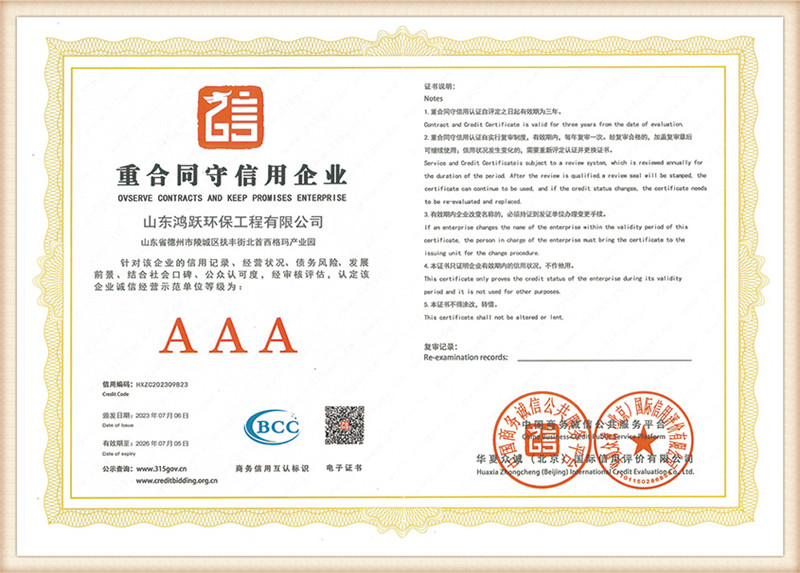
Passed ISO9001 Quality Management System, ISO14000 Environmental Management System, and ISO45001 Occupational Health & Safety Management System certifications. Rated as a "Green and Environmentally Friendly Building Materials Brand" and "High-Tech Industry Enterprise". Tested by the National Quality Supervision Testing Center.
How Hongyue Ensures High Junction Efficiency and Superior Tensile Modulus for Critical Infrastructure.
Virgin High-Density Polyethylene (HDPE) or Polypropylene (PP) resins are blended with high-grade carbon black masterbatch (2-3%) and UV stabilizers. This ensures long-term outdoor stability against severe Himalayan solar radiation at elevated altitudes in Nepal.
The polymer melt is extruded into uniform thick sheets under computer-controlled thermal pressure. A automated hydraulic matrix puncher creates precise aperture patterns (rectangular, square, or triangular apertures) tailored for specific interlock mechanics.
The punched polymer sheet undergoes heated directional stretching. Under controlled temperatures, long-chain polymer molecules align along the tension axis, elevating the material’s tensile yield strength from 20 MPa up to 300+ MPa while forming high-integrity nodes.
Every batch undergoes testing in accordance with ASTM D6637 (Tensile Properties of Geogrids), GRI-GG2 (Geogrid Junction Strength), and ISO 10319 standards. Tensile strength at 2% and 5% elongation is measured to ensure minimal post-construction structural creep.
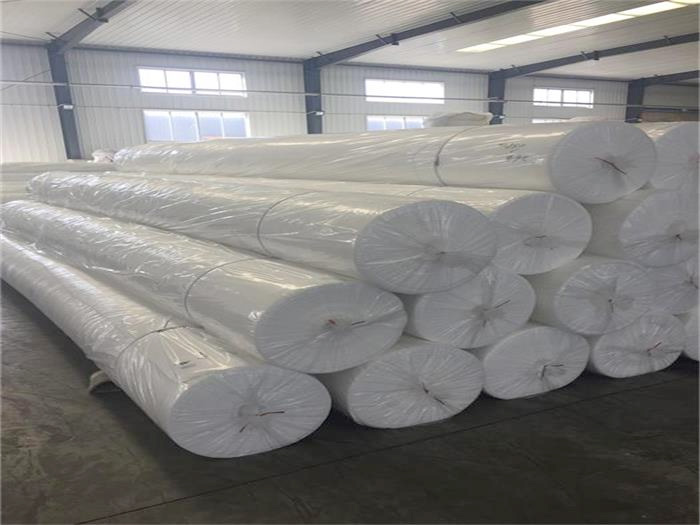
Engineered to comply with Nepal Department of Roads (DoR) specifications for highway base reinforcement and MSE wall structures.
| Geogrid Type | Primary Polymer Material | Ultimate Tensile Strength (kN/m) | Elongation at Max Load (%) | Junction Efficiency (%) | Primary Kathmandu Application |
|---|---|---|---|---|---|
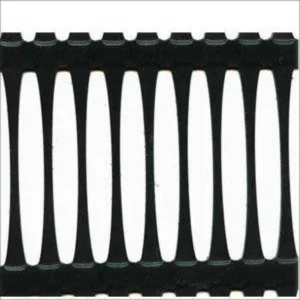
| Uniaxial HDPE Geogrid | 100% Virgin High-Density Polyethylene | 50 - 300 kN/m | ≤ 10% | ≥ 95% | MSE Steep Slopes & Retaining Walls (Nagdhunga, Fast Track) |
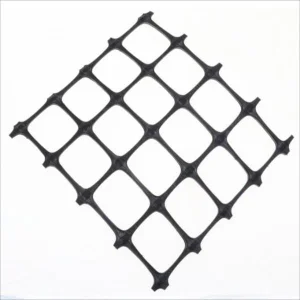
| Biaxial PP Geogrid | Polypropylene (PP Resin) | 20/20 - 50/50 kN/m | ≤ 13% | ≥ 90% | Subgrade Stabilization over Soft Kalimati Clay |
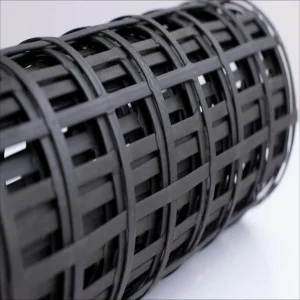
| Steel-Plastic Composite | High-Strength Steel Wire + PE Sheath | 30/30 - 500/500 kN/m | ≤ 3% | ≥ 98% | Heavy Load Freight Corridors & Railway Embankments |
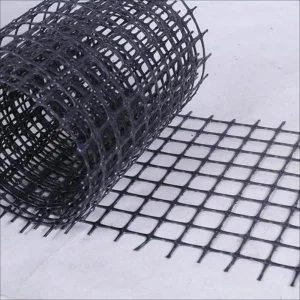
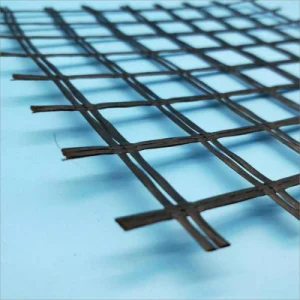
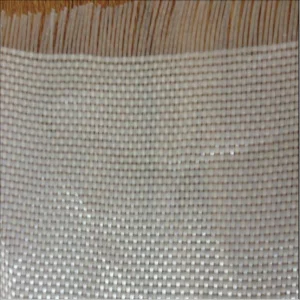
| Fiberglass Geogrid | Alkali-free Glass Fiber + Bitumen Coating | 25/25 - 200/200 kN/m | ≤ 4% | N/A (Coated Mesh) | Asphalt Overlay Crack Prevention (Kathmandu Ring Road) |
| PP Geocell Confinement | Textured/Perforated Polypropylene | Seam Peel Strength ≥ 1420 N/100mm | ≤ 10% | Ultrasonic Weld | Channel Slope Protection (Bagmati & Trishuli Rivers) |
Proven civil performance in municipal, highway, and hydraulic slope projects throughout Nepal.
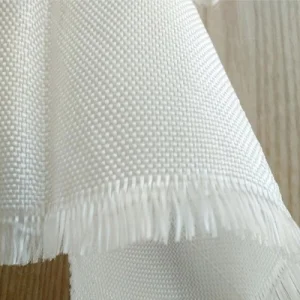
Heavy traffic loads cause reflective cracking in asphalt overlays. Installing high-modulus Glass Fiber Geogrids or Warp-Knitted Composite Geotextiles directly beneath asphalt wearing courses redistributes strain peaks, extending pavement service life by 300% and preventing pothole formation under monsoons.
Connecting Kathmandu to southern Nepal requires carving roads through mountainous terrain. High-tensile Uniaxial HDPE Geogrids are utilized as reinforcement elements behind modular block or concrete panel facing walls. This allows the construction of near-vertical MSE retaining structures with footprint efficiency in narrow valleys.
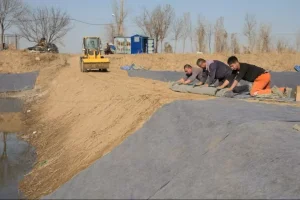
Riverbank stabilization along the Bagmati, Bishnumati, and Trishuli rivers requires robust anti-scour systems. Combining Composite Geomembranes with 3D Geocells infilled with concrete or local aggregate protects river embankments against high-velocity flood flows during heavy rain events.
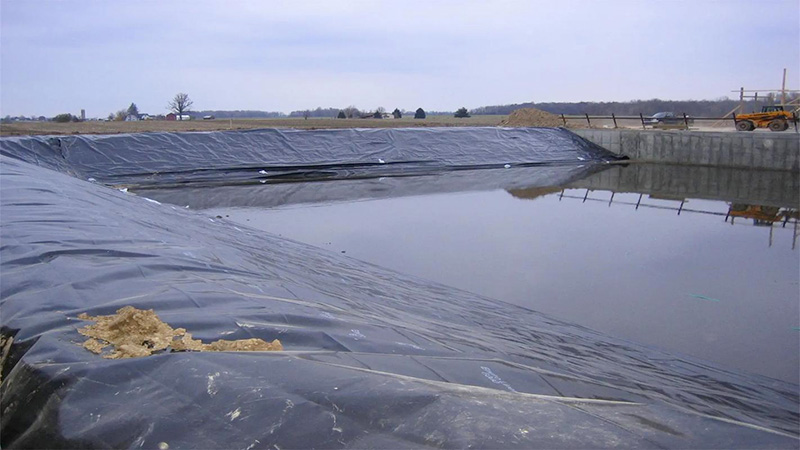
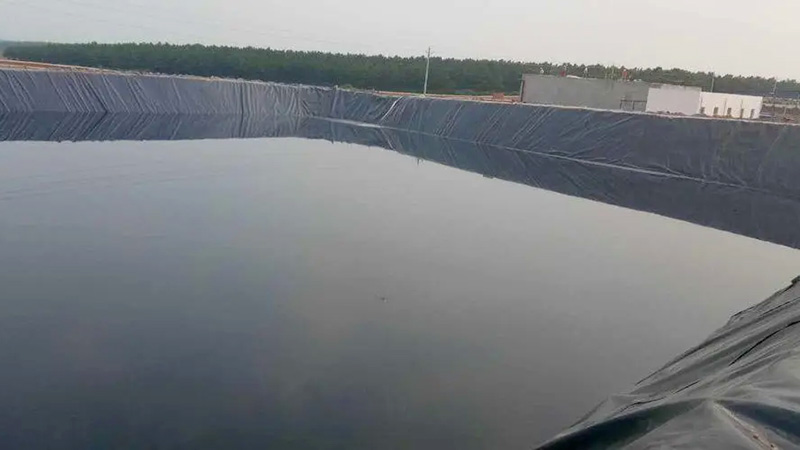
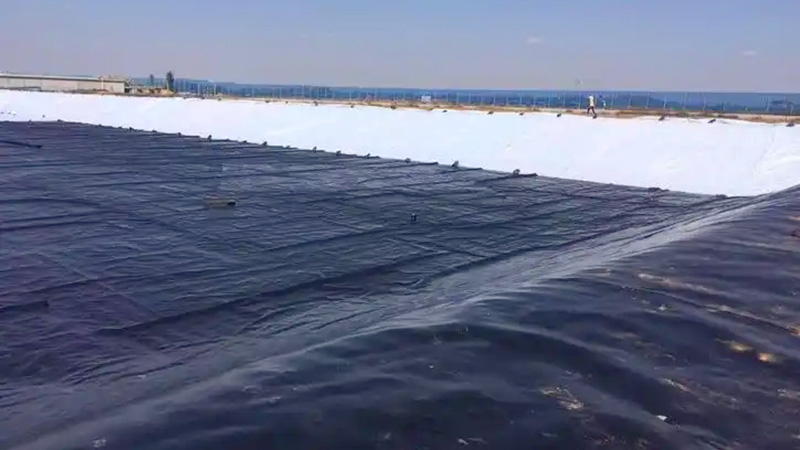
Reliable door-to-project-site delivery across Kathmandu Valley and surrounding districts.
Shandong Hongyue dispatches container loads directly from Qingdao/Tsingtao Port to Kolkata/Haldia Port (India), transshipping via rail/truck through the Birgunj Dry Port directly to Kathmandu. Overland trucking options via Tatopani/Rasuwagadhi border crossings are also supported for urgent project deadlines.
Rolls are wrapped in double-layer UV-resistant woven geotextile sleeves with identification tags indicating tensile grade, roll length, batch number, and ISO tracking barcode. This prevents abrasion damage during long-distance transit over rough terrain.
Our engineering technical team provides site consultation, placement drawings, overlap calculation guidelines (typically 300mm–500mm depending on CBR value), and installation supervision to ensure compliance with project consultant criteria.
Technical guidance for engineers, procurement directors, and civil contractors in Nepal.
Biaxial Plastic Geogrids (PP) with tensile strengths between 30kN/m and 50kN/m are recommended for soft subgrade stabilization. The square/rectangular apertures interlock aggregate stones, creating a stiffened mattress that prevents deep subgrade punching shear failure.
Our extrusion formulations contain 2% to 3% finely dispersed non-removable Carbon Black masterbatch. This provides exceptional resistance to photo-oxidation, preserving over 80% of original tensile strength after 500 hours of accelerated weathering (ASTM D4355).
Production takes 5 to 7 days for standard specifications. Transit time from Qingdao Port via Kolkata/Birgunj Dry Port to Kathmandu takes approximately 20 to 28 days. Express overland trucking options via border ports are available for urgent project requirements.
Yes, as a direct factory manufacturer registered with 105 million RMB capital, Shandong Hongyue can customize roll widths (up to 6 meters), roll lengths (50m to 200m), and ultimate tensile strengths (up to 500 kN/m) based on your engineering design drawings.
Absolute compliance. Our products meet international geotextile and geogrid standards including ASTM, ISO, and BS EN codes, which align directly with the standard specifications for road and bridge works published by Nepal’s Department of Roads.
Explore our full range of certified engineering materials available for direct import.
Request direct factory pricing, engineering data sheets, physical sample kits, and customized freight quotes tailored for Nepal projects.
Send Inquiry Now Hongyue