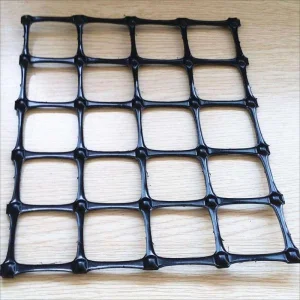
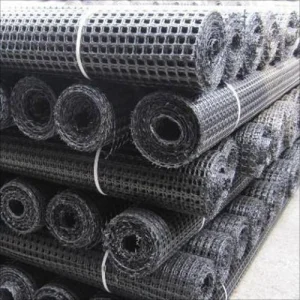
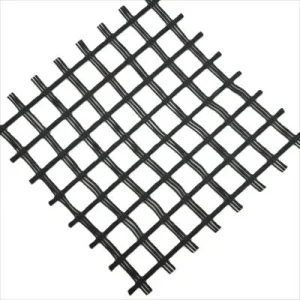
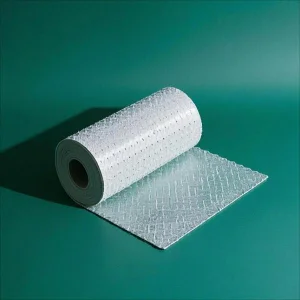
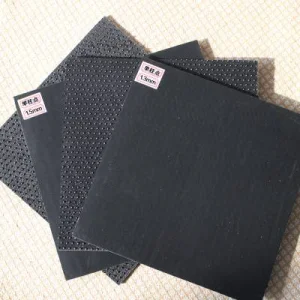
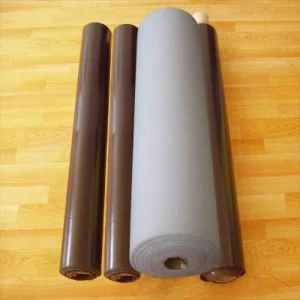
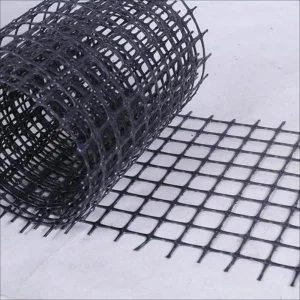
Engineered for extreme subgrade loading, soil retention, and slope stabilisation. Our modern production guarantees maximum seam strength and UV resistance tailored to Eastern European engineering requirements.
Serbia is undergoing a transformative infrastructure development boom. Major corridors such as Corridor X and the motorway connecting Belgrade to South Adriatic ports are expanding. Furthermore, major industrial zones in regions like Vojvodina, Belgrade, and Niš demand state-of-the-art civil engineering materials to counter complex geological subgrades.
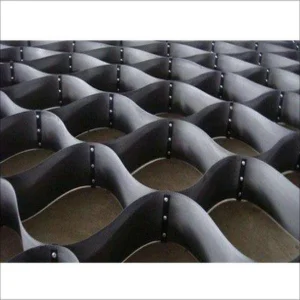
The local geomorphology in the Danube and Sava basins often contains soft clay soils, high water tables, and alluvial deposits. Standard gravel base courses without confinement suffer from lateral dispersion, subgrade rutting, and rapid degradation under heavy axle loads. This makes High-Density Polyethylene (HDPE) Geocells and structural confinement systems a critical requirement for Serbian civil engineers looking to ensure structural lifespan while reducing initial aggregate material usage by up to 50%.
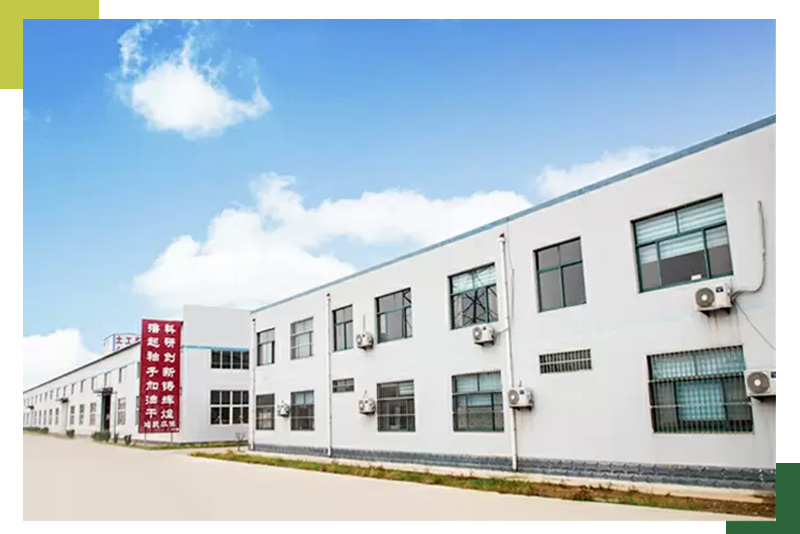
We manufacture and export high-performance geosynthetics globally, backed by robust capital and rigorous QA laboratories conforming to European and American standards.
Selecting the optimal cellular confinement system requires an in-depth understanding of material parameters and environmental stress performance. Our Geocells are fabricated from virgin High-Density Polyethylene (HDPE) stabilized with carbon black, ensuring resistance to UV exposure, oxidation, and chemicals.
| Property Parameter | Standard HDPE Geocell Spec | Fiberglass Composite Spec | Test Standard |
|---|---|---|---|
| Raw Material Base | 100% Virgin HDPE (high molecular weight) | Fiberglass Mesh + Polyethylene matrix | ASTM D1505 / ISO 1183 |
| Seam Peel Strength | ≥ 1420 N / 100mm (Up to 142 kN/m) | ≥ 1600 N / 100mm | EN ISO 13426-1 / ASTM D3083 |
| Environmental Stress Cracking (ESCR) | > 5000 Hours (under constant stress) | Excellent structural matrix stability | ASTM D1693 (Condition B, 10% Igepal) |
| Weld Spacing Range | 330mm to 712mm (±3%) | 330mm to 660mm | Customisable as per Project Specifications |
| Carbon Black Content | 2.0% to 2.5% (homogeneously dispersed) | N/A | ASTM D1603 / ISO 6964 |
| Wall Texturing Type | Co-extruded textured with diamond-pattern micro-bosses | Structured continuous fiber wrap | ASTM D5199 (Thick. under load) |
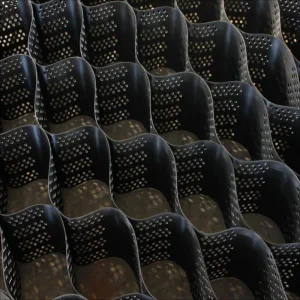
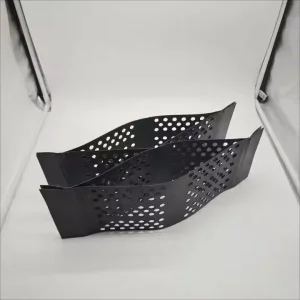
The Evolution to Textured & Perforated Cell Walls: Perforated geocell walls provide critical benefits for water drainage. By allowing lateral moisture movement, hydrostatic pressure is dissipated, preventing subgrade fluid buildup. In vegetated slope projects, root structures grow through the perforations, locking the geocell sections into the native terrain and creating a cohesive, long-lasting green retaining wall.
Geosynthetics serve as the foundation of modern ecological and structural protection. We provide tailored solutions across crucial sectors:
Ideal for soft soil subgrade reinforcement, motorway foundation improvement, and structural gravel layer reduction in high-traffic logistics corridors.
Used to contain concrete or gravel layers in river channels, dams, and stormwater drainage systems, preventing shear erosion from fast water flows.
Provides geomembrane liner protection on steep slopes, tailing pond stability, and erosion barrier support under harsh chemical conditions.
Confines ballast to limit lateral expansion and aggregate degradation under high-speed dynamic loading, preserving track alignment.
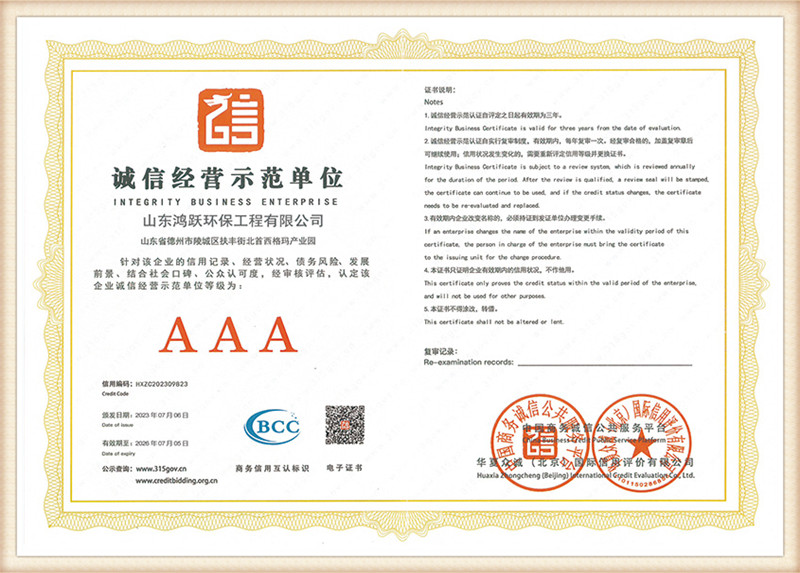
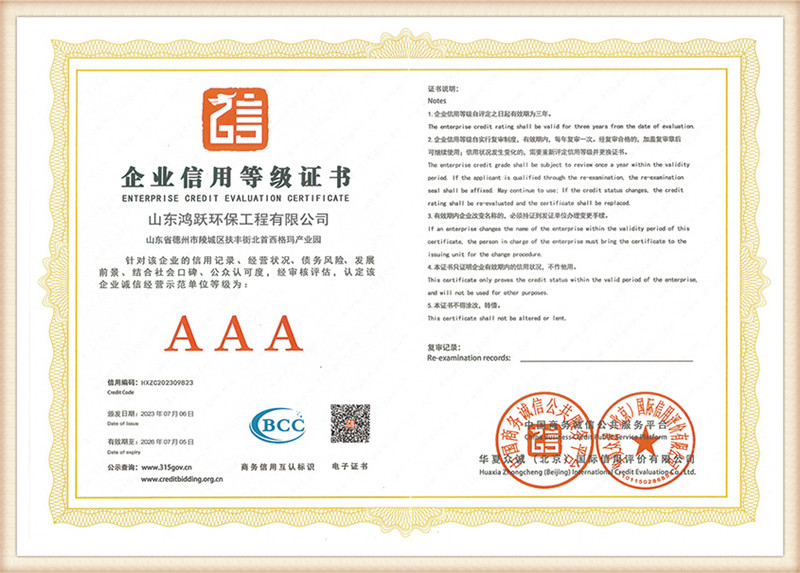
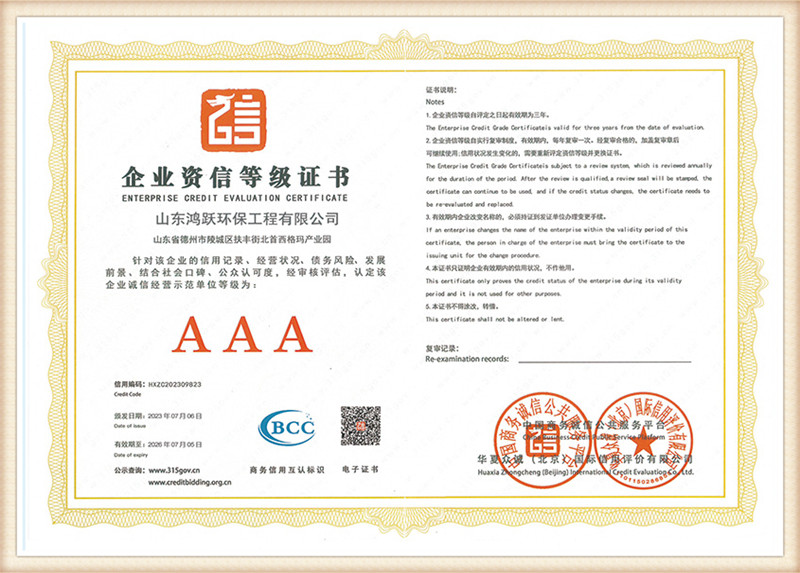
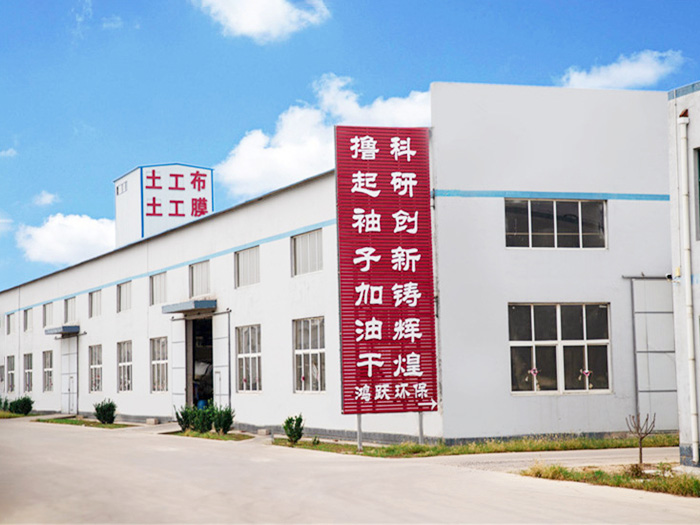
As a leading geotechnical material manufacturer based in Lingcheng District, Dezhou, Shandong Province, Shandong Hongyue Environmental Engineering Co., Ltd. represents the standard of Chinese manufacturing 4.0. We operate fully integrated high-precision production systems designed to provide the highest levels of quality and efficiency.
Our raw material compounding and sheet extrusion lines are automated. Our ultrasonic welding arrays use precise sensor feedback loops, which adjust energy output to achieve strong weld seams on every geocell section. This structural strength allows us to export safely to European and American markets, meeting strict local project specifications.
Virgin polyethylene chips are mixed with anti-oxidants and high-grade carbon black to prevent UV degradation.
Extruders form uniform continuous HDPE sheets. Precise tooling adds textured surfaces to improve soil friction.
Automated punch matrices perforate the HDPE strips to support lateral drainage and plant root growth.
Computer-controlled multi-point sonic welders fuse the strips together to form the collapsible cell structure.
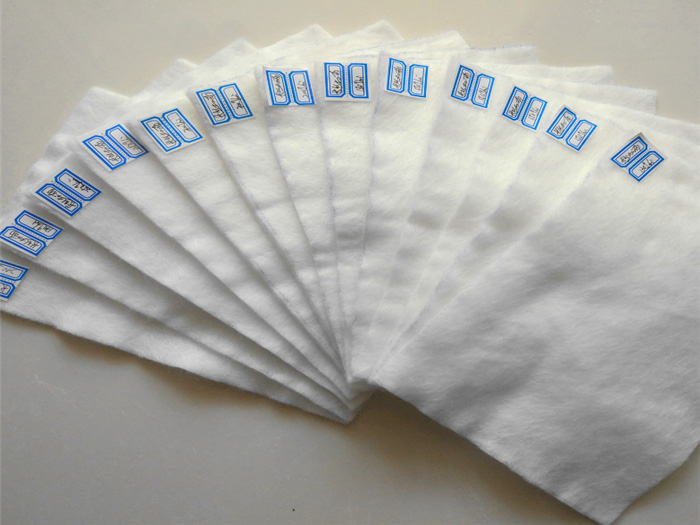
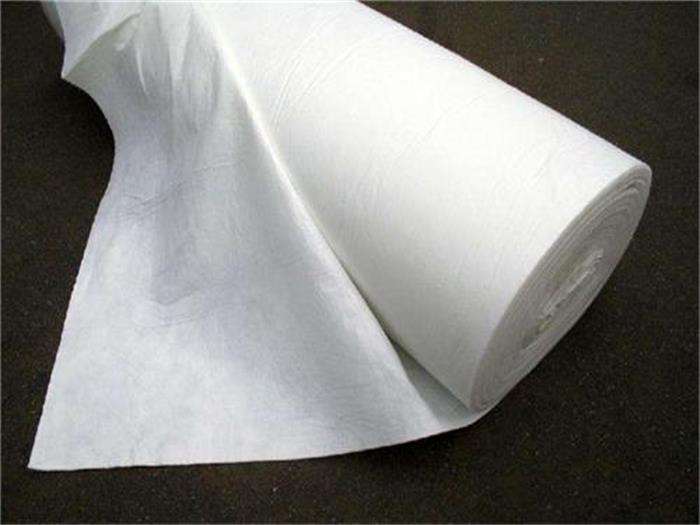
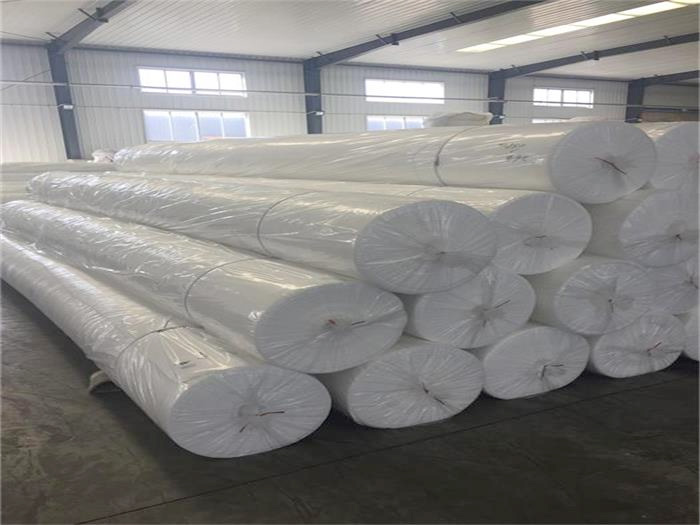
As a global partner, we understand that importing geotechnical materials into Serbia requires complying with local laws and construction standards. We provide complete CE documentation, and our products undergo independent test certifications at institutions like the China National Testing Center.
Logistical Routing and Customs: Standard geocell packages are compressed, strapped, and palleted to reduce shipping volume. For Serbian infrastructure projects, we route cargo through key shipping lines to the Port of Rijeka (Croatia), the Port of Koper (Slovenia), or the Port of Piraeus (Greece), followed by container rail or road transport direct to job sites in Belgrade, Novi Sad, Niš, or Kragujevac. This door-to-door (DDP/CIF) shipping method keeps timelines predictable, helping to prevent costly delays on major projects.
Get in touch with our engineering team for customized calculations, weld strength datasheets, and free project samples delivered straight to your office in Belgrade.
Send Inquiry NowDesigned to provide robust solutions for complex structural and environmental protection projects across Serbia.
 Hongyue