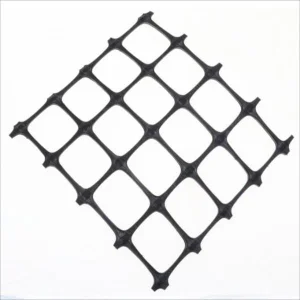
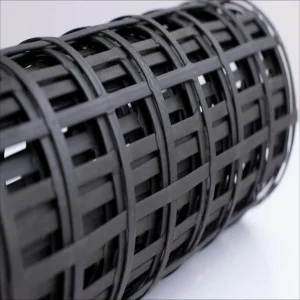
Engineered to meet rigorous AASHTO & ASTM construction parameters, providing superior cellular confinement for load support and slope protection.
The landscape of civil infrastructure across the United States is undergoing a major evolution. Supported by structural funding programs such as the Infrastructure Investment and Jobs Act (IIJA), American civil engineers, DOTs (Departments of Transportation), and commercial site developers are facing strict mandates to enhance construction durability while minimizing carbon footprints. In this context, **Geocell Technology** (Cellular Confinement Systems) has emerged as an essential engineering component.
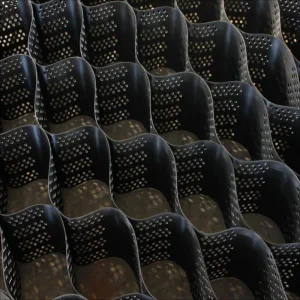
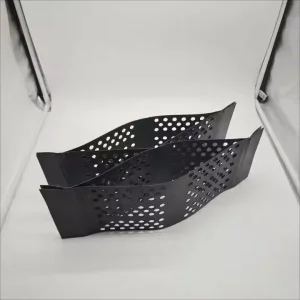
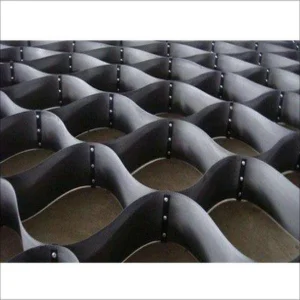
By confining granular materials within its three-dimensional honeycomb structures, geocells dramatically improve the load-bearing capacity of low-strength soils, stabilize slopes against extreme weather erosion, and reduce the thickness requirements of base courses in roadways. This structural behavior, governed by hoop stress and passive earth resistance, changes how roadbases, retaining structures, and industrial platforms are designed and executed.
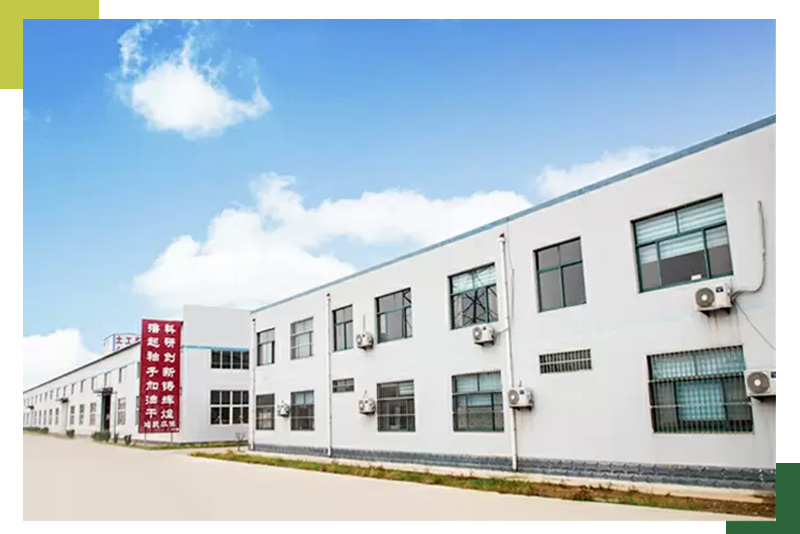
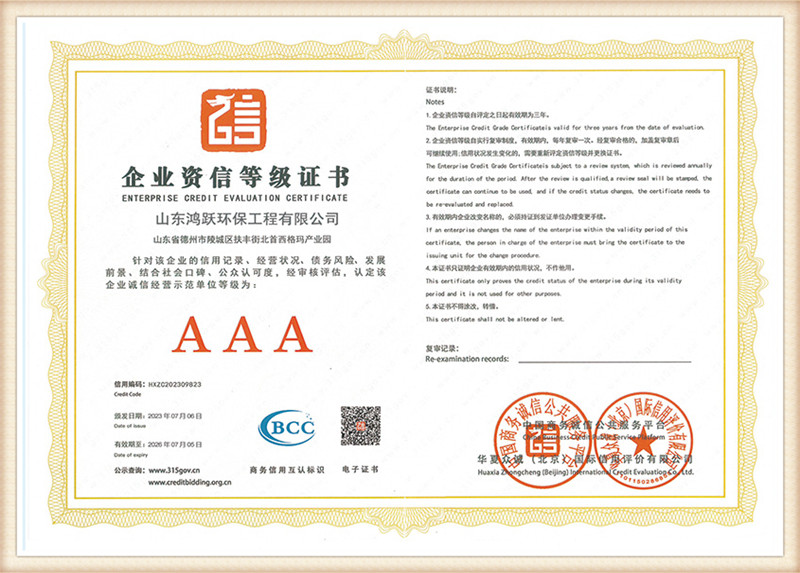
As a leading Chinese manufacturer, **Shandong Hongyue Environmental Engineering Co., Ltd.** operates at the forefront of geotechnical material production. Registered in the Lingcheng District Market Supervision and Administration Bureau with a capital of **105 million yuan**, we offer the industrial scale and testing rigor necessary to support large-scale infrastructure developments across North America.
US contractors confront regional geological and climatic challenges daily. In the coastal areas of the Gulf Coast and parts of California, construction projects often encounter soft, saturated soils with low California Bearing Ratio (CBR) values. Utilizing traditional aggregate bases in these environments is costly and structurally inefficient.
Furthermore, structural designs must comply with state-specific DOT specifications, which increasingly integrate mechanistic-empirical design guidelines. The cost of aggregate materials has risen across many states due to logistics and environmental regulations on quarrying. Geocell technology addresses this challenge directly, allowing engineers to replace premium crushed stone with locally sourced sands, recycled aggregates, or native soils, delivering significant project cost savings.
Through advanced automation and strict QC protocols, we ensure our geosynthetic materials perform reliably under demanding field conditions.
Our facility utilizes computer-controlled co-extrusion lines and automated ultrasonic welding arrays. This layout ensures consistent weld spacing, uniform cell wall thickness, and precise texturing. High-grade carbon black stabilizers are integrated directly into the polymer blend to ensure resistance to UV radiation and chemical exposure, aligning with GRI-GS15 parameters.
Reduces pavement base thickness requirements by up to 50% by distributing vertical wheel loads horizontally, mitigating rutting and thermal cracking in high-traffic commercial zones.
Locks soil, sand, and aggregate in place to prevent water runoff erosion. Essential for US Pacific Northwest slope mitigations and heavy-rainfall drainage channels.
Creates durable, steep-sloped gravity walls. Flexible panels adapt to irregular terrain and tolerate differential settlement without structural cracking.
For US civil designs, conformance to ASTM protocols is critical. All our Geocell shipments undergo thorough laboratory verification testing including:
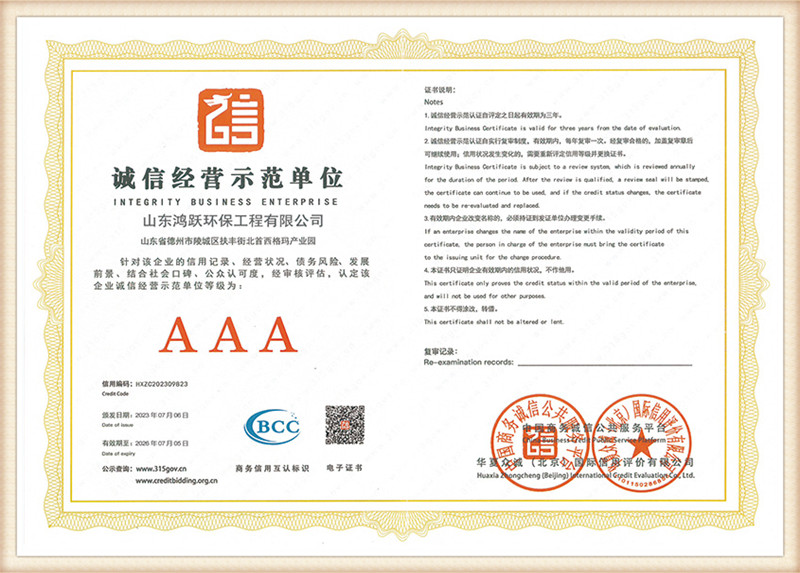
Operating out of Dezhou, Shandong Province, we leverage a robust supply chain network. By sourcing high-grade polymers directly from petrochemical manufacturers, we maintain cost control while meeting international quality requirements. Our high-capacity production lines are designed to handle urgent, high-volume orders for major road networks or municipal projects.
We work closely with international freight forwarders to manage shipping logistics. Whether shipping via DDP to inland US project sites or CIF to major ports like Los Angeles, Houston, Savannah, or New York, we handle export documentation, customs clearance, and local trucking to ensure on-time delivery.
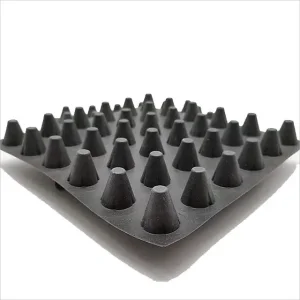
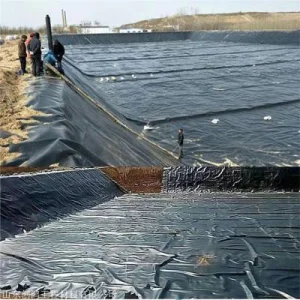
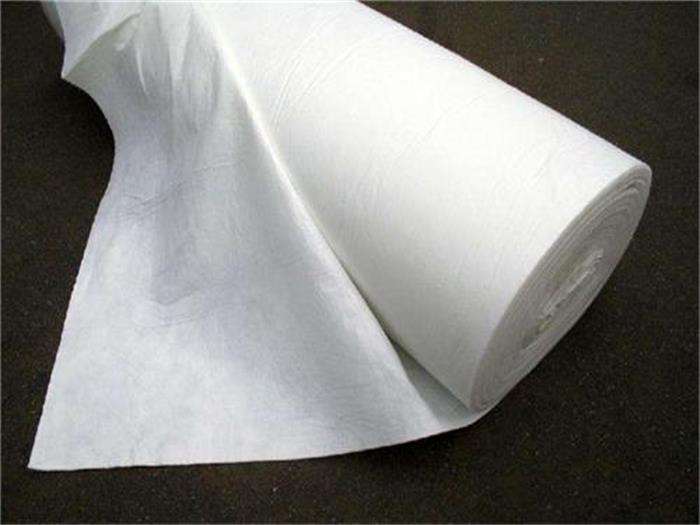
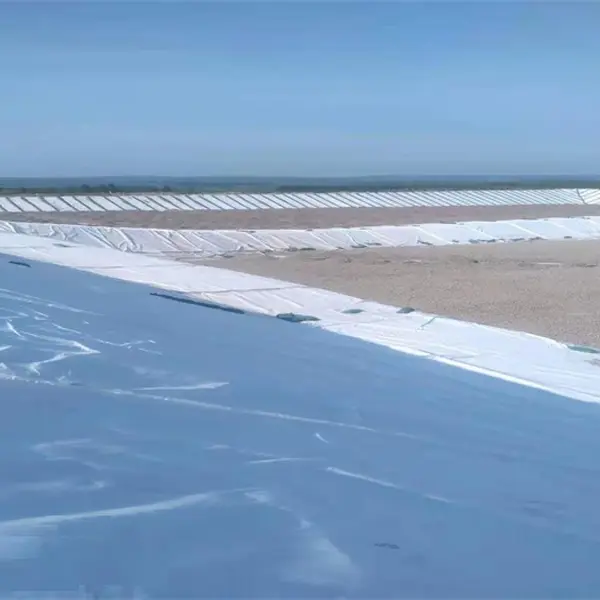
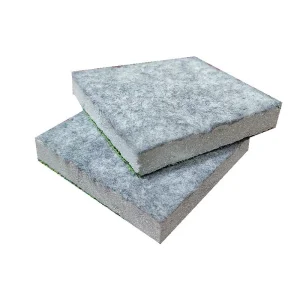
To support structural geocell systems in complex soil environments, separation layers (such as non-woven geotextiles) and hydraulic liners (such as HDPE geomembranes) are often required. We provide integrated supply systems for these materials to streamline procurement for our clients.
Using premium virgin polyester chips and high-density polyethylene resins, verified by density and melt-flow index tests, to establish a reliable baseline for finished product performance.
Our blown-film lines process polyethylene under precise thermal profiles to prevent polymer degradation, ensuring uniform material thickness.
For geotextiles, advanced needlepunch arrays mechanical lock fibers together, producing highly permeable separation and filtration layers with consistent apparent opening size (AOS).
Our geosynthetic materials have been successfully implemented in various critical civil and environmental engineering projects worldwide.
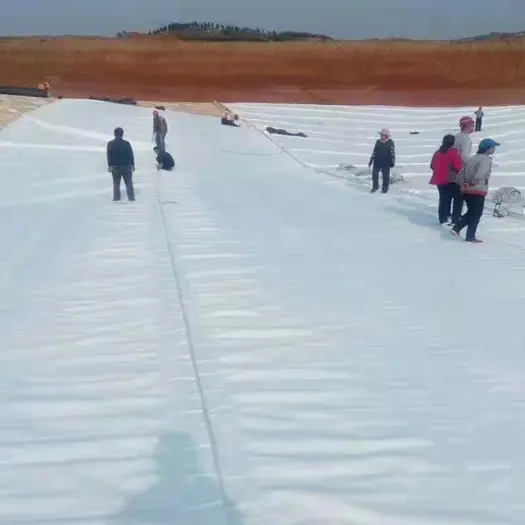
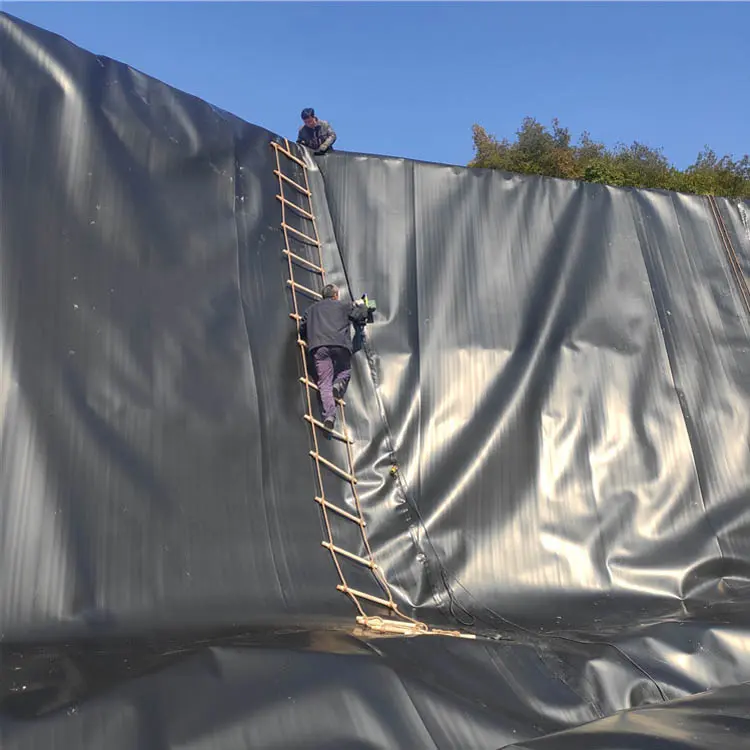
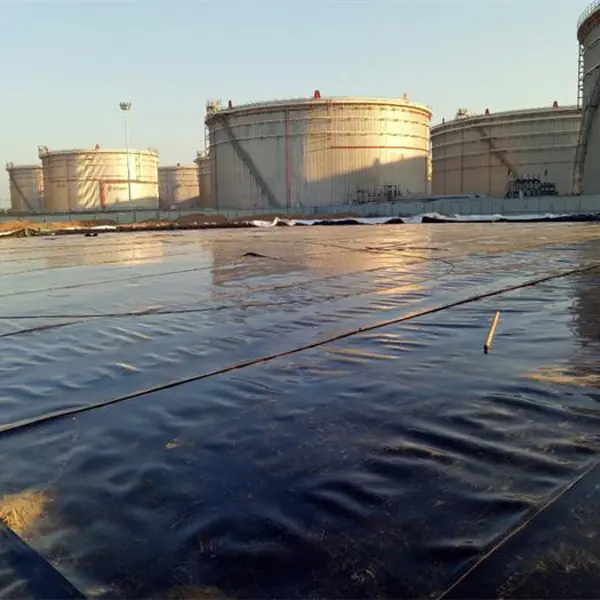
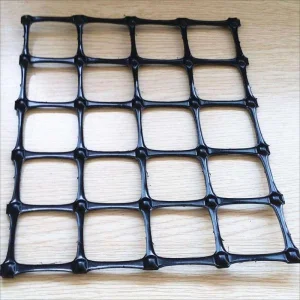
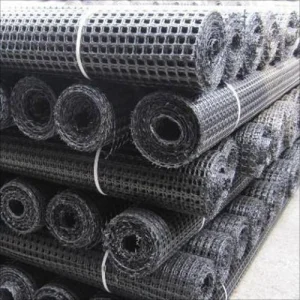
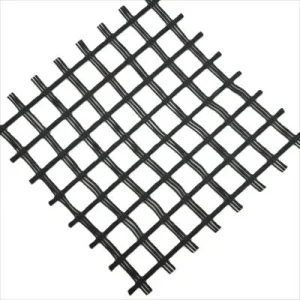
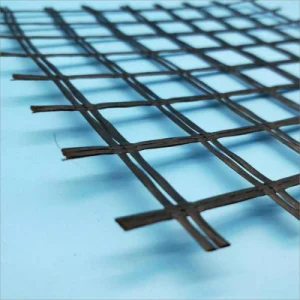
In addition to geocells, we export a full range of high-performance geosynthetics, geomembranes, and geogrids to support various containment and reinforcement needs.
 Hongyue