Specially curated, high-performance stabilization products built to withstand temperatures exceeding 50°C and severe dynamic loading conditions.
Kuwait is undergoing an unprecedented infrastructural transformation under its Kuwait Vision 2035. However, the country's unique subgrade geomorphology poses significant engineering hurdles.
The Kuwaiti landscape is dominated by high-salinity desert sands, coastal mudflats (specifically around Bubiyan Island and Sabiya), and extremely high atmospheric temperatures reaching up to 55°C. These conditions lead to rapid degradation of standard asphalt surfaces and concrete subgrades. Standard compaction methods yield minimal load-bearing capacity improvement when working with single-sized, poorly graded desert sand.
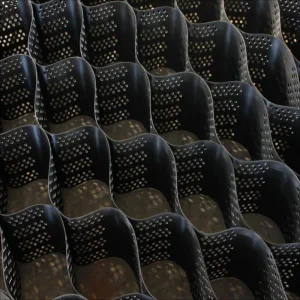
This is where Geocellular Confinement Technology becomes critical. By confining infill material (desert sand, gravel, or native soil) within its three-dimensional honeycomb structure, geocells generate high hoop strength, reducing lateral displacement. Consequently, the load-bearing capability of Kuwait's subgrades is increased by up to 350%, preventing rutting and cracking on vital transit lines like the Ring Roads and the Silk City Expressway projects.
Understanding the micro-mechanics of cellular confinement and polymer performance under extreme conditions.
When vertical loads are applied to soil, they push downward and outward. Geocells act as continuous physical barriers. The tensile strength of the cell wall counteracts this lateral expansion through hoop stress, creating a rigid composite slab that distributes loads over a vastly larger surface area.
By confining sand or lower-grade aggregate in geocell pockets, developers can avoid importing expensive aggregates over long distances. In Kuwait, utilizing local desert sand confined within HDPE geocells cuts structural fill import costs by up to 45% while preserving project lifespans.
Kuwait's soils can be highly alkaline and saline. Our High-Density Polyethylene (HDPE) geocells are engineered with specialized carbon black additives (minimum 2.0%) and UV stabilizers, ensuring resistance to photo-oxidation and saline corrosion for over 50 years.
| Material Classification | Yield Tensile Strength | Seam Peel Strength | UV Degradation Rate (Kuwait Exposure) | Best Application In Kuwait |
|---|---|---|---|---|
| Virgin HDPE Geocell | > 22 MPa | 142 kN/m | < 0.5% after 500 hrs ASTM G154 | Heavy Load Roadbeds, Oil Fields, Sea Walls |
| Polypropylene (PP) Geocell | > 20 MPa | 120 kN/m | < 1.2% after 500 hrs ASTM G154 | Low-traffic Slopes, Drainage Basins |
| Fiberglass Geocell | > 50 MPa | Mechanical Joint | Highly Stable (Non-degrading) | High-temperature asphalt overlays |
| Composite Geocell | > 30 MPa | 135 kN/m | < 0.8% after 500 hrs ASTM G154 | Soft Mud Stabilization, Estuaries |
Introducing Shandong Hongyue Environmental Engineering Co., Ltd.—A global powerhouse in advanced geotechnical material production.
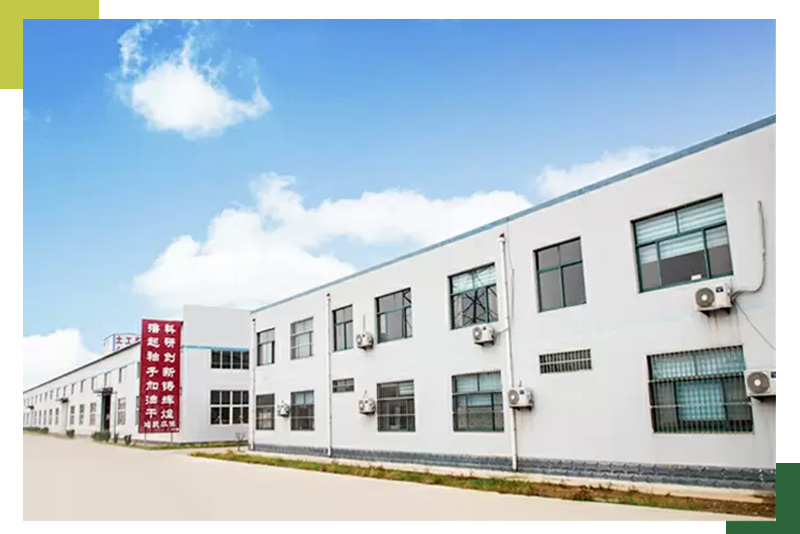
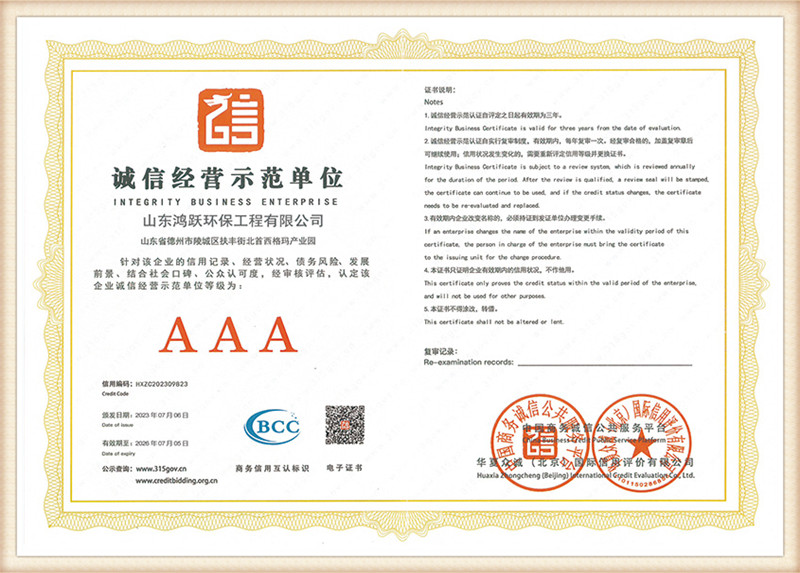
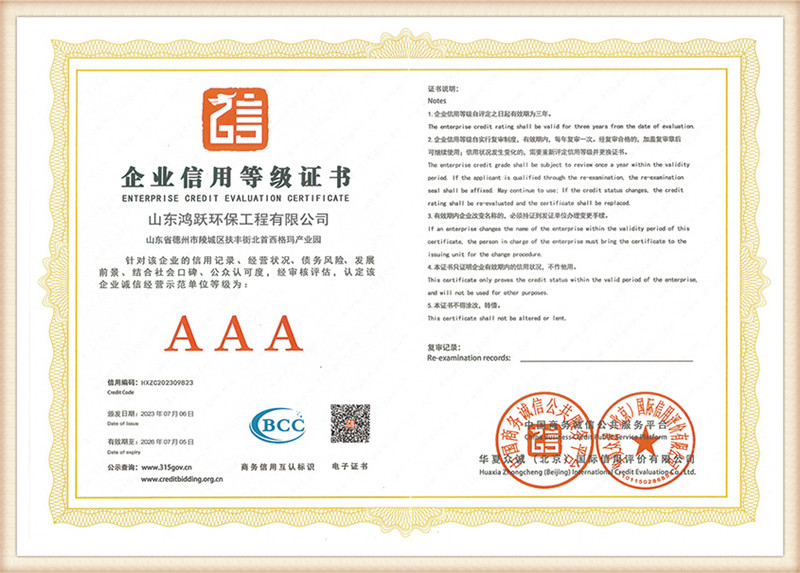
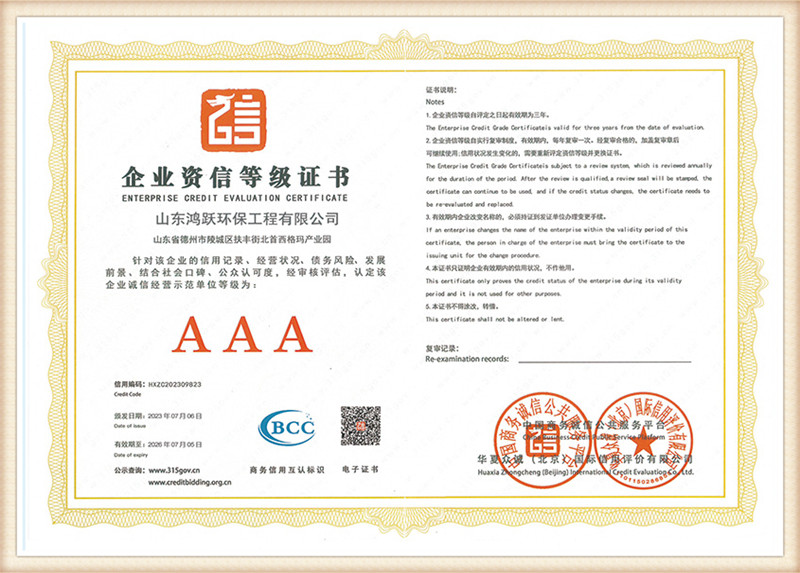
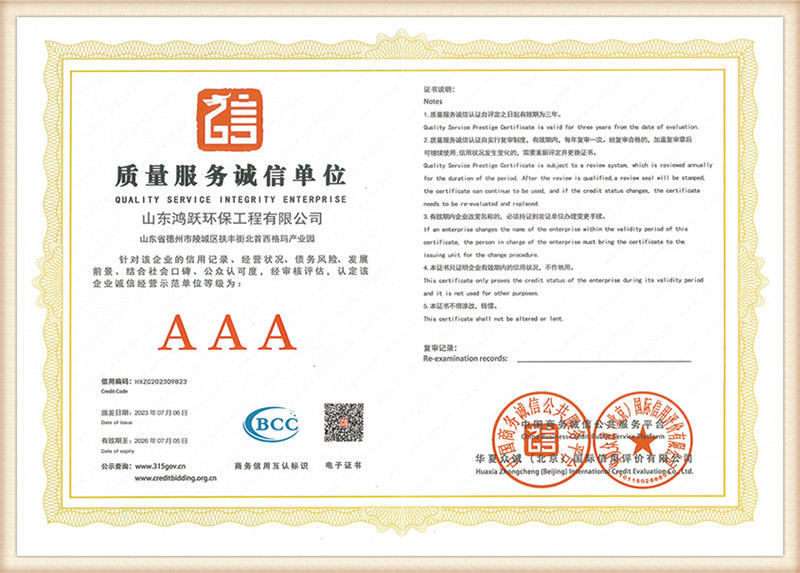
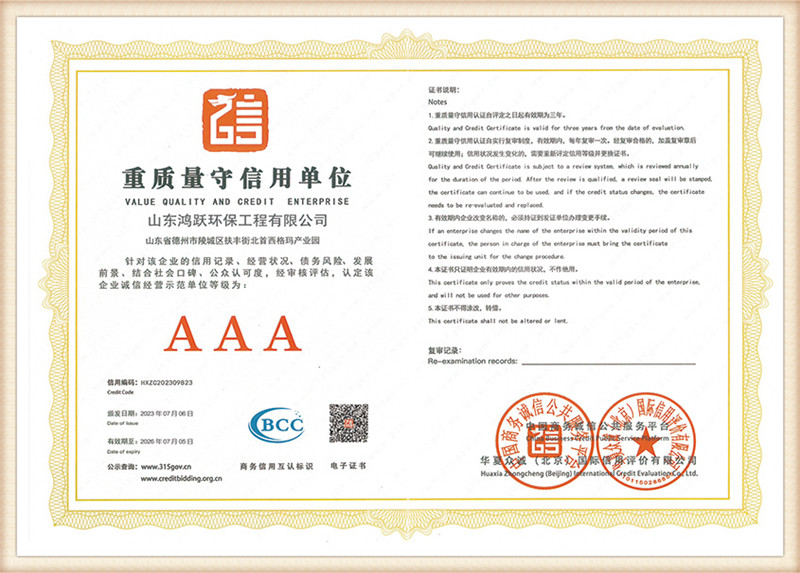
Located at the north end of Fufeng Street, Lingcheng District, Dezhou, Shandong Province, China, Shandong Hongyue is a scientific and technological geotechnical material manufacturer integrating engineering material production, sales, design, and construction services. Registered with a capital of 105 million yuan, we run one of the largest production bases of geotechnical materials in China.
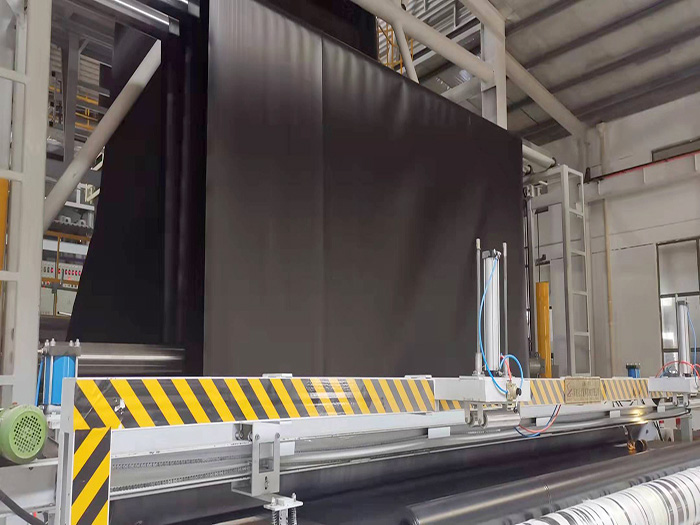
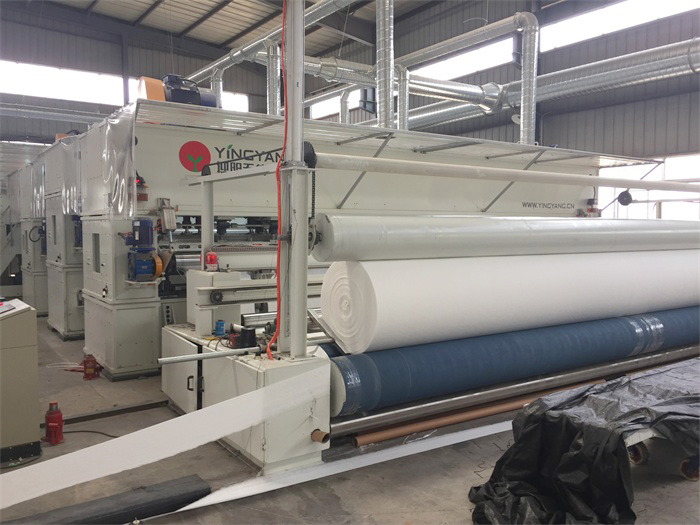
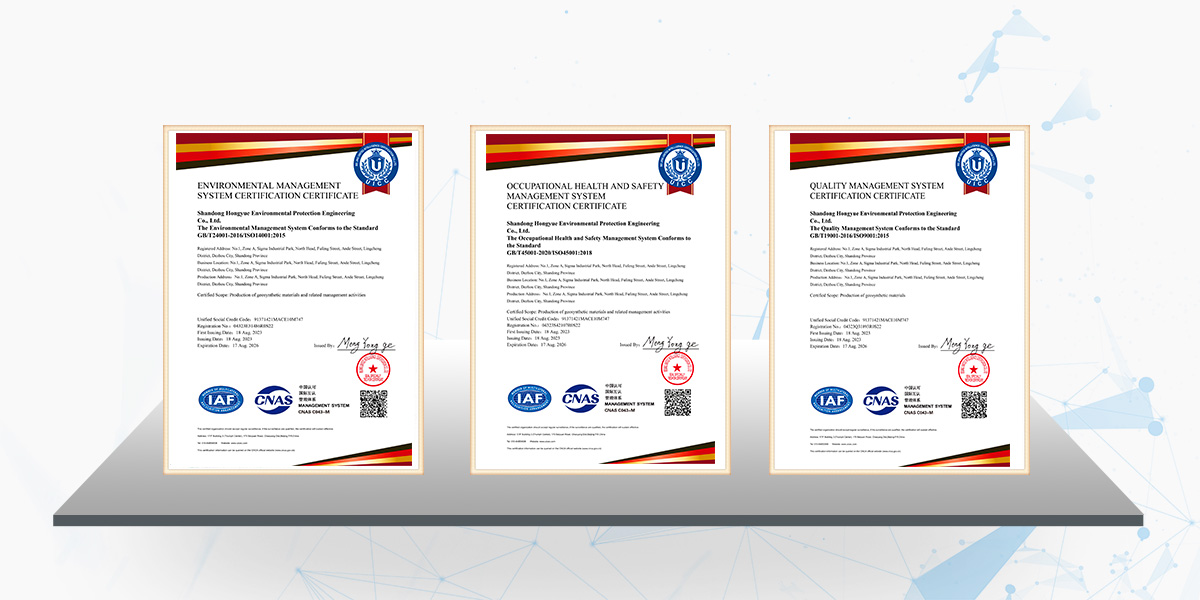
Our facility operates high-speed extruder lines, state-of-the-art ultrasonic point-welding systems, and computerized quality-monitoring machinery. We have successively passed the ISO9001:2015 International Quality Management System, ISO14001 Environmental System Certification, and ISO45001 Occupational Health and Safety Management System Certification.
All our structural geocells and geomembranes exceed international standards, verified by the China National Testing Center. Our products are exported to dozens of countries, including European nations, the United States, Australia, and key construction sites across the Middle East.
Deploying tailored cellular confinement systems to address the Arabian Peninsula's most demanding physical challenges.
In locations like the Burgan oil field, heavy drill rigs and heavy-duty logistics trucks must traverse trackless desert sand. Unconfined sand immediately shifts and gets rutted. Installing a 200mm depth textured, perforated HDPE geocell filled with local sand creates an immediate structural roadbed capable of bearing axle loads exceeding 80 tonnes.
Kuwait's coastal zones, especially near Bubiyan Port, experience severe tidal action and saline scour. Standard soil slopes erode within weeks. Confinement of riprap or concrete infill within geocells prevents hydro-dynamic lift forces from displacing individual rocks, keeping the shoreline stabilized long-term.
In highway construction, differential settlement leads to catastrophic asphalt cracking. Inserting a geocell layer underneath the road base distributes dynamic loads smoothly across the subgrade, cutting down pavement stress by 50% and extending highway maintenance cycles from 3 years to over 12 years.
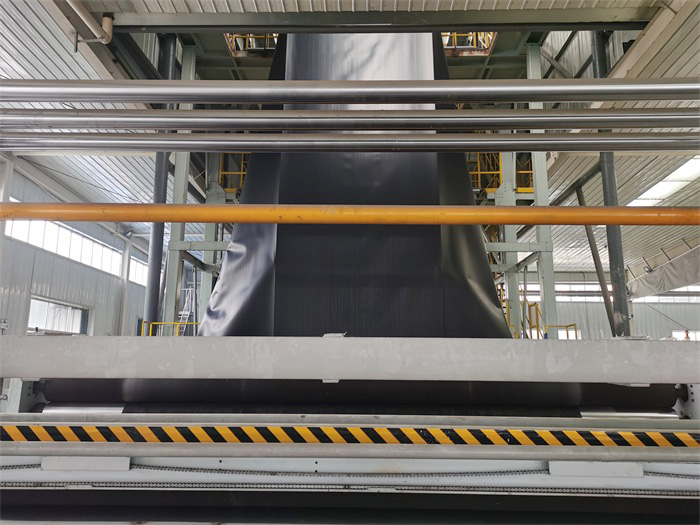
A breakdown of our modern manufacturing process, ensuring maximum durability and seam strength for Kuwait's extreme projects.
We combine virgin high-molecular-weight HDPE with premium carbon black and anti-oxidants to ensure high UV resistance.
The compound is melted under precise pressure conditions and extruded into thin, uniform plastic sheets.
To improve structural friction with soil, sheets undergo surface texturing and high-frequency perforation.
Computer-controlled sonic welders fuse the strips together at precise intervals (e.g., 330mm, 450mm, 500mm).
Samples undergo destructive hydraulic shear testing. Compliant batches are rolled and packed for maritime transport.
Shandong Hongyue's quality control process runs 24/7. Standard tests include carbon black content (ASTM D1603), environmental stress cracking resistance (ESCR - ASTM D1693), and seam peel strength testing. Only products that achieve 100% compliance are loaded for delivery to Middle Eastern ports.
E-E-A-T Installation Guide: Ensuring long-term structural and waterproof integrity under Kuwait desert conditions.
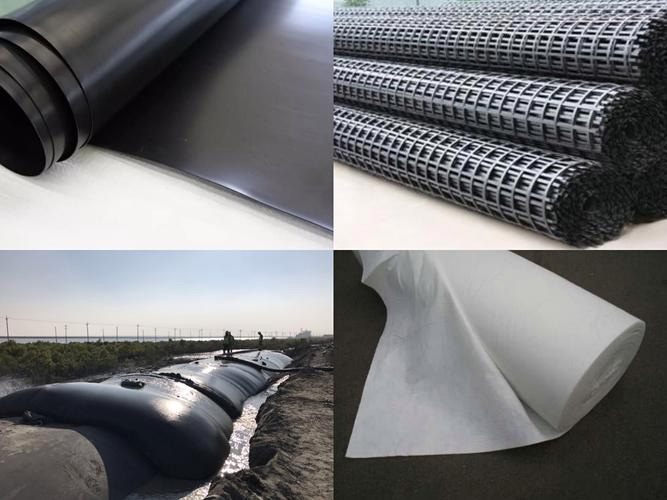
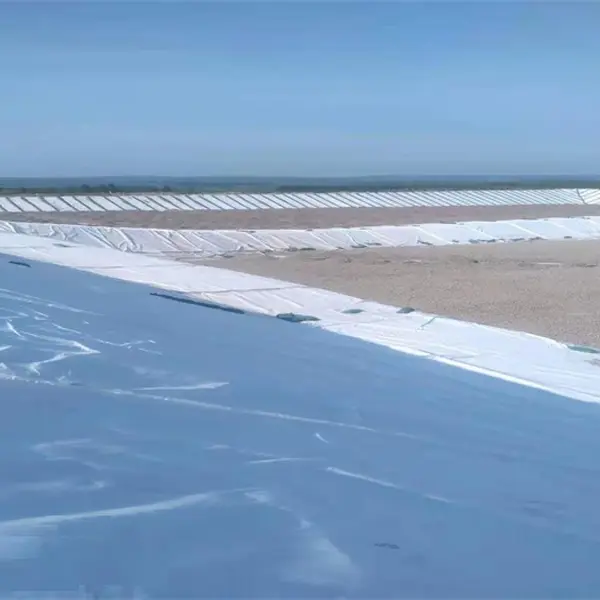
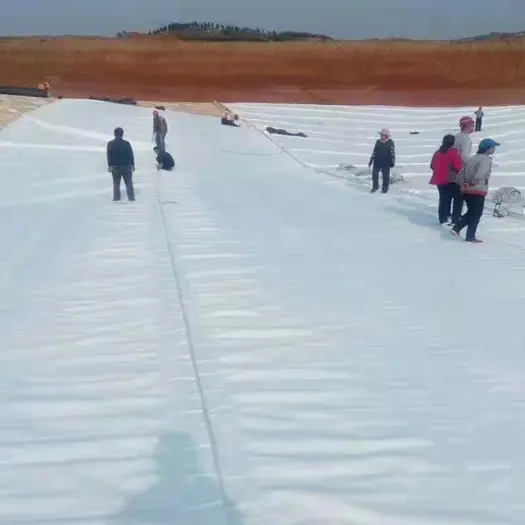
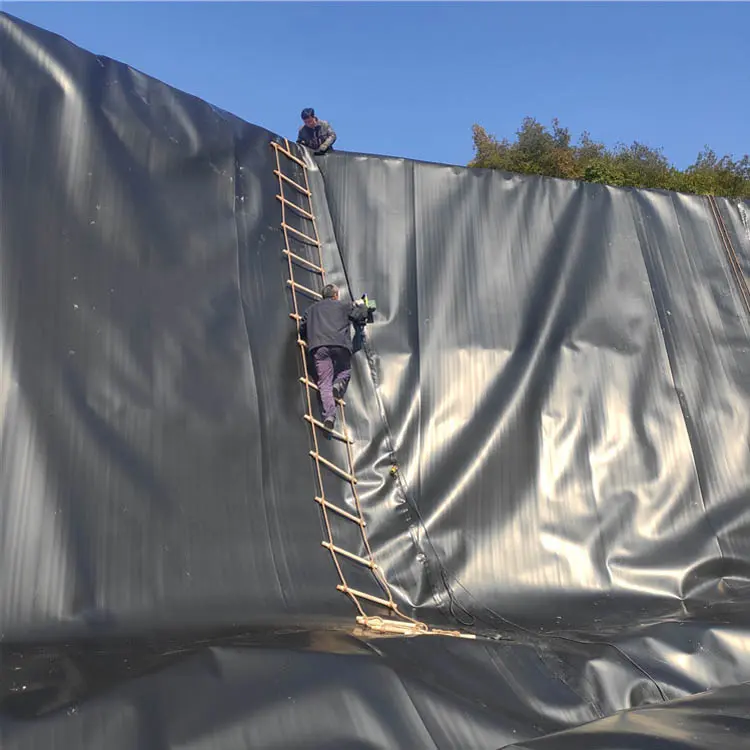
1. Subgrade Preparation: The site must be completely cleared of large stones, organic matter, and sharp debris. Sand should be leveled and lightly compacted using a vibratory roller to provide a stable foundation.
2. Anchoring and Expansion: Stretch the geocell sections to their designated length and width. Secure the outer edges using steel rebar J-pins or specialized plastic anchors. Adjacent geocell sections must be fastened together using high-strength pneumatic staplers or industrial locking keys.
3. Infilling: Fill the cell pockets from front to back using front-end loaders or dump trucks. To protect the cell walls from impact damage, drop the infill material from a height of no more than 1 meter. Typical infills include native desert sand, washed gravel, or concrete mix, depending on the application.
4. Compaction: Apply standard compaction equipment (rollers or vibratory plates) to achieve the target dry density (usually >95% Proctor density). The finished infill surface should sit 10–20mm above the cell rim to allow for minor settlement.
Understanding cost parameters based on structural specs, thickness, and welding distance.
Note: Exact quotes depend on polymer raw material fluctuations, order volume, and destination shipping rates. Below is a baseline guideline for major specifications used in municipal projects across Kuwait.
| Cell Height (Depth) | Weld Spacing (W) | Wall Texture / Perforation | Minimum Order Quantity (MOQ) | Estimated Price Range (USD/m²) |
|---|---|---|---|---|
| 50 mm | 330 mm | Textured & Perforated | 2,000 m² | $1.15 – $1.65 |
| 75 mm | 400 mm | Textured & Perforated | 2,000 m² | $1.45 – $2.10 |
| 100 mm | 330 mm | Textured & Perforated | 1,500 m² | $1.90 – $2.75 |
| 150 mm | 450 mm | Textured & Perforated | 1,500 m² | $2.60 – $3.80 |
| 200 mm | 500 mm | Textured & Perforated | 1,000 m² | $3.40 – $4.95 |
1. Polyethylene Resin Index: HDPE price correlates directly with global crude oil prices, which can fluctuate monthly. We lock in pricing for up to 30 days upon contract signing.
2. Cell Wall Configuration: Textured and perforated geocells have slightly higher manufacturing costs due to additional processing steps. However, they are highly recommended for desert environments as they maximize friction and promote drainage.
3. Shipping Logistics: Ocean freight from Qingdao Port to Shuwaikh Port or Shuaiba Port generally ranges from 18 to 28 days. Order consolidation dramatically reduces shipping costs per square meter.
Future-proofing Kuwait's infrastructure through smart polymers and carbon-neutral geosynthetics.
As Kuwait pushes toward its green development goals, geosynthetics are evolving. At Shandong Hongyue, we are researching several advancements:
Smart Geocells: Incorporating fiber-optic stress sensors inside the HDPE matrix allows real-time structural monitoring of highway embankments and oil facility foundations.
Bio-synthetic Alloys: Developing polymers with lower carbon footprints that maintain 100% tensile properties under desert UV levels, helping developers meet strict ESG requirements.
Ultra-high Performance Alloys (Polymeric Alloys): Using novel materials like Novel Polymeric Alloys (NPA) to minimize thermal expansion in extreme desert temperatures, eliminating thermal warping.
Expert advice solving technical, chemical, and logistics challenges for Kuwait projects.
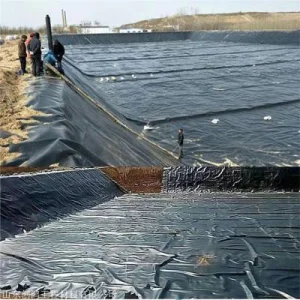
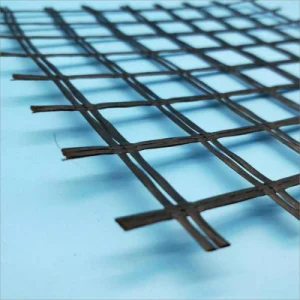
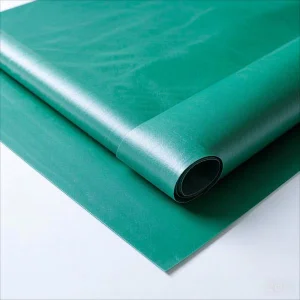
Explore our extensive range of environmental engineering materials, from drainage systems to pond liners.
Get in touch with Shandong Hongyue's technical engineering department. We provide complimentary site layout assistance, material estimation, and certified structural reports tailored to Kuwait’s regulatory codes.
 Hongyue