Advanced engineering materials deployed for ground stabilization, structural erosion mitigation, and sustainable architectural development across Lombardy.
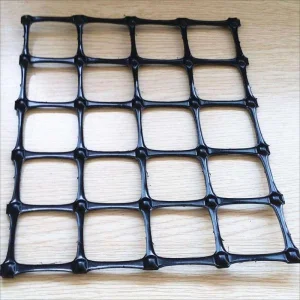
Ideal for high-density traffic foundations, load distribution, and structural base stability in public roads.
View Technical Details →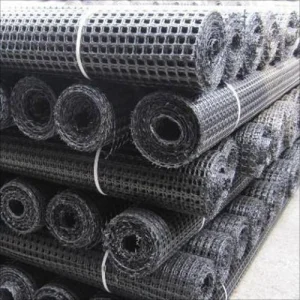
Specially reinforced for high-speed rail lines and heavy-load transport corridors surrounding the Po basin.
View Technical Details →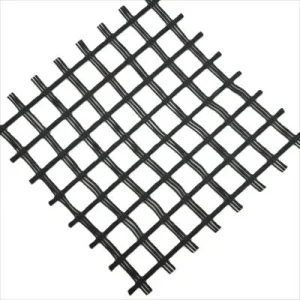
High modulus reinforcement utilizing robust fiberglass to mitigate lateral soil shearing under heavy asphalt structures.
View Technical Details →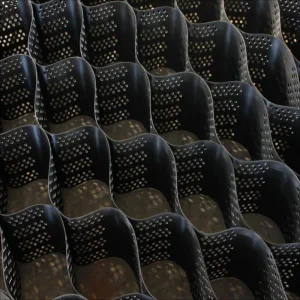
Standardized, CE-compliant cellular structures optimized for urban landscaping, retaining walls and green rooftops.
View Technical Details →The Metropolitan City of Milan and the broader Lombardy region represent Italy's industrial and logistical engine. Geologically, Milan sits on the transition zone between the high Alpine foothills and the alluvial deposits of the Po Valley (Pianura Padana). This area features highly variable hydro-geological conditions, characterized by high-groundwater tables, dense river systems (including the Ticino and Adda basins, and the historic Navigli canal network), and substantial deposits of alluvial sands, gravels, and clays. Civil works here frequently encounter unstable foundation soils that are prone to settlement under static and dynamic loads.
As Milan expands its urban and commercial infrastructure under the Milano 2030 Masterplan—which includes high-speed railway linkages, subway extensions (such as M4 Line expansions), and major industrial logistics hubs—stabilizing soft ground while maintaining permeability has become a major challenge. Standard heavy-concrete retaining structures and thick aggregate foundations are no longer sustainable due to strict European environmental regulations. This is where high-density polyethylene (HDPE) geocells play a key role, offering a cellular confinement solution that increases the load-bearing capacity of local soils while preserving hydrological performance and vegetation growth.
Globally, the geotechnical engineering sector is shifting toward carbon-neutral infrastructure. Standard practices involving mass excavation and replacement with quarried aggregate are being replaced by geosynthetics. Geocells act as lateral confinement systems, distributing loads over a broader area. This structural mechanics change allows engineers to reduce foundation layer thickness by up to 50%, saving on quarry materials, long-distance transport emissions, and site preparation costs.
Furthermore, European Union directives emphasize the use of recycled materials and carbon-reduction technologies in public works. Public tenders in Italy (Appalti Pubblici) now look closely at the life-cycle assessment (LCA) of materials. High-performance geocells manufactured from durable polymers meet these requirements, ensuring a design life of over 100 years. This longevity makes them highly valuable for infrastructure projects in Italy.
Located at the north end of Fufeng Street, Lingcheng District, Dezhou, Shandong Province, Shandong Hongyue Environmental Engineering Co., Ltd. is a specialized geotechnical material manufacturer integrating engineering material production, sales, design, and construction services. The company was registered under the Dezhou City Market Supervision and Administration Bureau with a registered capital of 105 million yuan. Today, it stands as one of the largest production bases of geotechnical materials in China, benefiting from a strategic location and convenient transport links to major international ports like Qingdao, allowing for efficient logistics to Milan and European markets.
Our comprehensive production facility specializes in a wide array of geosynthetic materials, including geotextiles, geomembranes, composite geomembranes, waterproof boards, bentonite waterproof blankets, 3D composite drainage networks, and high-performance geocells. Our materials are used globally in key infrastructure projects, including highways, high-speed rail systems, reservoirs, environmental protection sites, and mining developments.
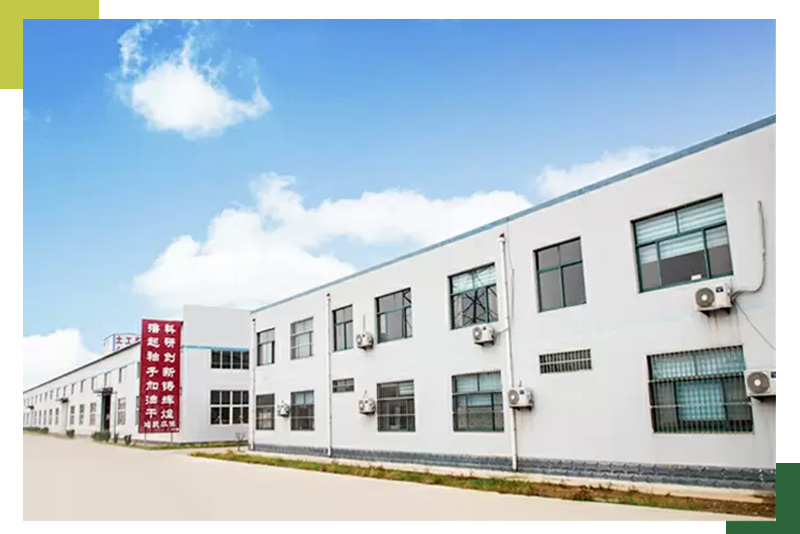
A detailed look at the production and QA workflows for our geotextile and geomembrane lines at Shandong Hongyue.
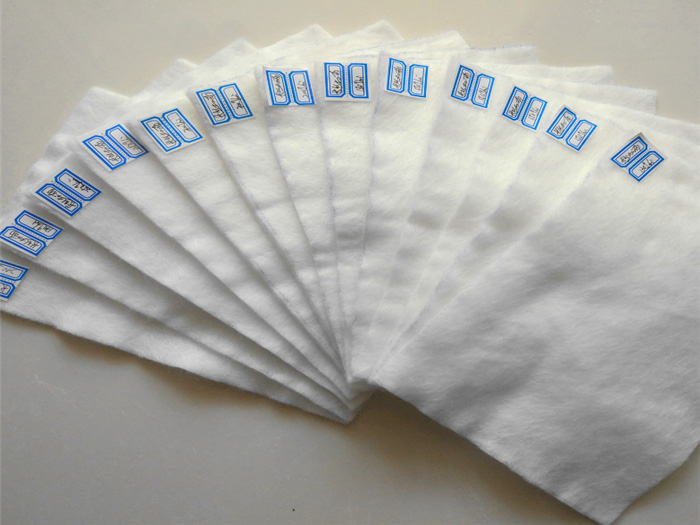
Geotextiles are critical for separation and drainage, and are often integrated with geocells in civil works. Our manufacturing process follows six major stages to ensure high performance:
For hydraulic systems and landfills, geomembranes serve as high-performance liners. Proper installation is critical to their long-term performance:
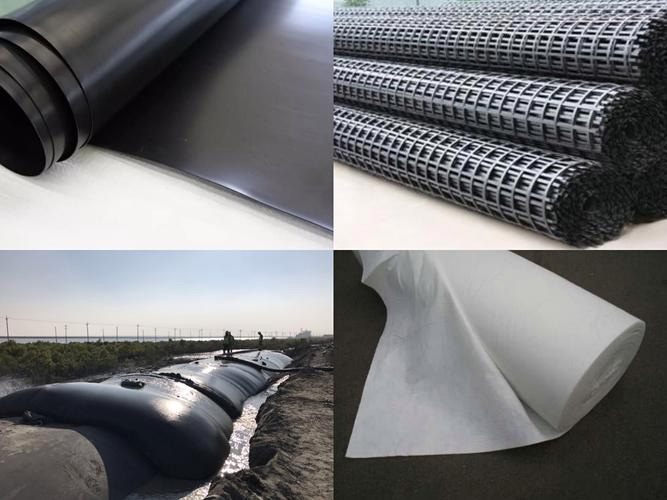
How engineering designs use geocell systems to address Lombardy’s geotechnical challenges.
Milan’s high clay subgrades are prone to settling under traffic loads. Geocell confinement distributes load forces horizontally, reducing stress on the subgrade and preventing rutting and cracking.
In the nearby Prealpine foothills and mountain routes, geocells anchor soil on steep slopes, protecting against erosion from heavy rainfall and promoting vegetation growth for natural slope stability.
Supporting Milan's Sustainable Urban Drainage Systems (SUDS), filled geocells create permeable parking spaces and green roofs, allowing stormwater runoff to naturally infiltrate the soil.
Innovations in polymer science and smart geotechnical materials.
Developing geocells with higher creep resistance and tensile strength, allowing for a thinner profile and reduced plastic usage while maintaining structural performance.
Incorporating fiber-optic sensors directly into the geocell mesh to monitor soil deformation and settlement in critical locations, such as high-speed rail lines and slopes near Milan.
Developing high-strength recycled HDPE geocells that meet both ISO standards and European Green Procurement guidelines, offering a low carbon footprint.
Browse our selection of geosynthetics, drainage networks, and barrier systems optimized for European construction standards.
Combines polymers and woven fibers for high tensile strength in challenging hydraulic conditions.
View Technical Details →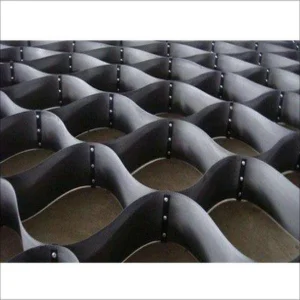
Smooth cell walls designed for applications requiring high slip interfaces or geomembrane linings.
View Technical Details →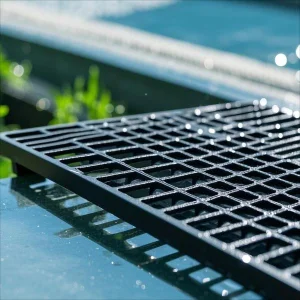
Provides high flow rates under load, ideal for horizontal drainage on concrete roofs and basement walls.
View Technical Details →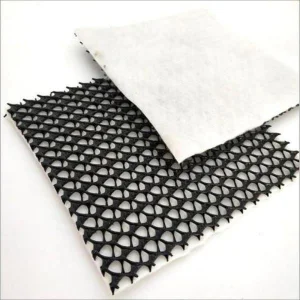
High-performance core drainage net bonded with geotextiles, engineered to handle structural groundwater flows in mountain tunnels.
View Technical Details →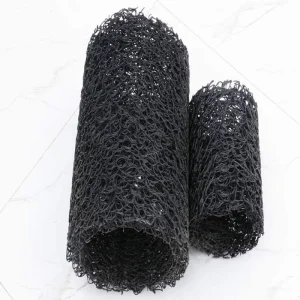
Underground drainage solution designed to manage groundwater in recreational parks, sports fields, and urban lawns.
View Technical Details →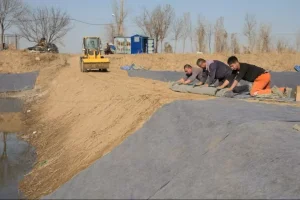
Geosynthetic clay liners (GCL) designed to seal ponds, retaining walls, and protect flood channels from leaking.
View Technical Details →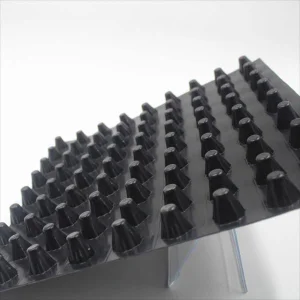
Simplifies vertical installation on basement outer walls, providing waterproof protection and rapid drainage.
View Technical Details →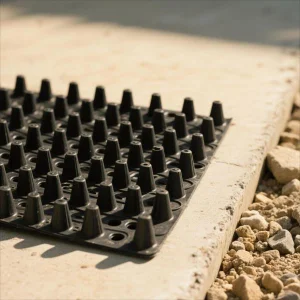
CE marked sheet drainage systems certified for building projects throughout the European Union.
View Technical Details →Technical, logistical, and commercial inquiries addressed by our expert geocell support team serving Lombardy.
Geocells confine aggregate infill materials, preventing lateral movement and shearing. This confinement increases the load-bearing capacity of structural bases. Consequently, engineers can reduce the aggregate layer thickness by up to 50% while maintaining the same design load capacity. This significantly lowers raw material, transport, and site installation costs.
Our geocells are manufactured from high-density polyethylene (HDPE) with optimized carbon black formulations for UV stabilization. Our manufacturing plant holds ISO 9001, ISO 14001, and ISO 45001 certifications. All materials destined for European markets comply with CE marking requirements, ensuring they meet structural and durability benchmarks.
Our factory in Dezhou, Shandong Province, has direct transport links to major container ports such as Qingdao and Tianjin. Ocean freight to European hubs, including the Port of Genoa or Port of Trieste, typically takes 30 to 35 days. From there, overland rail or truck transport brings shipments to Milan and the surrounding Lombardy logistics terminals within 48 hours.
Yes. We offer fully customizable geocell dimensions. Standard cell heights range from 50mm to 200mm, and weld spacing varies from 330mm to 1000mm. We can customize sheet dimensions, cell configurations, and surface textures (textured, smooth, or perforated) to match your engineering designs.
 Hongyue