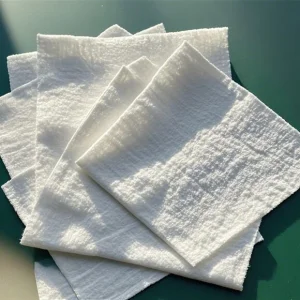
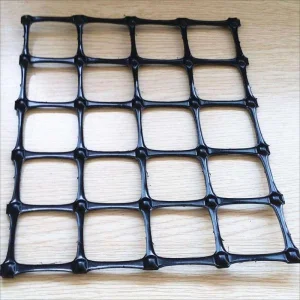
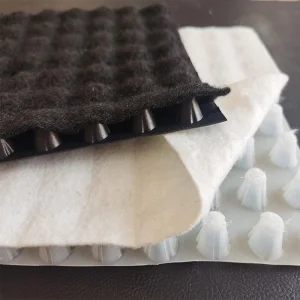
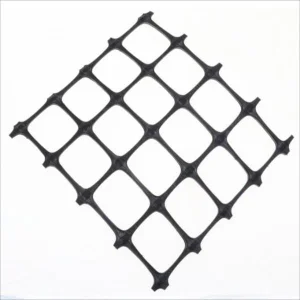
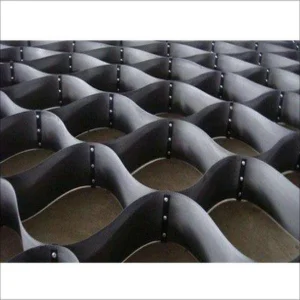
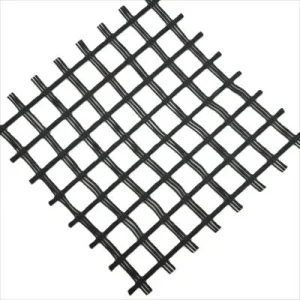
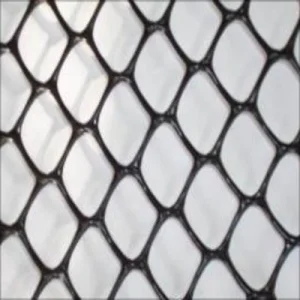
Standardized components engineered for high tensile strength, precise permeability, and extreme environmental durability.
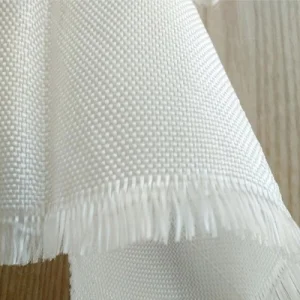
Geotextile wrap functions as a critical mechanical separation and hydraulic filtration layer in complex civil engineering. Often specified under rigorous ASTM or ISO standards, these premium polymeric fabrics prevent the migration of fine particulates into coarser aggregate voids. By balancing mechanical tensile load distribution and fluid permeability, geotextile wrap guarantees the structural lifetime of roads, railways, retaining walls, and drainage pipelines.
With massive growth in global infrastructure investments, sourcing directly from verified geotextile factories offers massive cost advantages, custom dimension configurations, and direct quality compliance checks. Selecting high-grade polypropylene or polyester materials prevents premature subgrade failures and avoids costly remedial excavations.
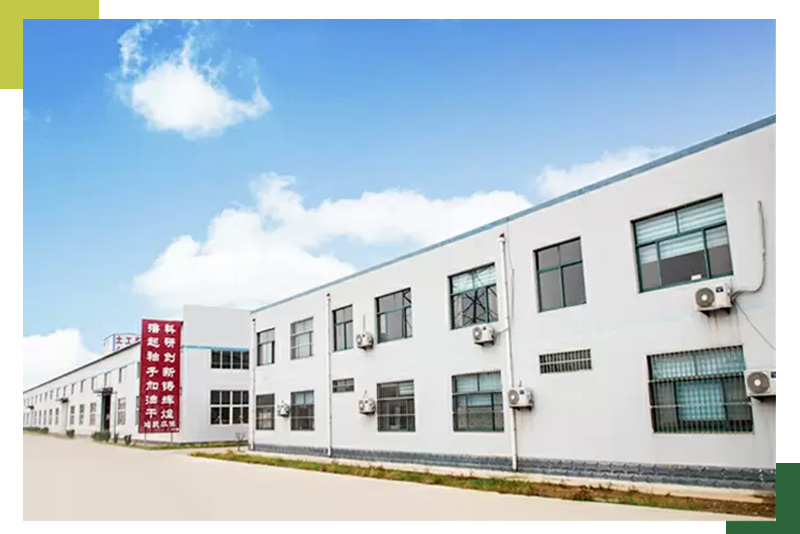
Located at the north end of Fufeng Street, Lingcheng District, Dezhou, Shandong Province, Shandong Hongyue Environmental Engineering Co., Ltd. is a scientific and technological geotechnical material manufacturer integrating engineering material production, sales, design and construction services. The company was registered in Lingcheng District Market Supervision and Administration Bureau of Dezhou City on April 6, 2023, with a registered capital of 105 million yuan. It represents one of the largest production bases of geotechnical materials in China at present, situated with a superior geographical location and convenient transportation.
Since the company's establishment, we have achieved rapid growth and business expansion. Our robust materials inventory deals in geotextiles, geomembrane, composite geomembrane, waterproof board, bentonite waterproof blanket, 3D composite drainage net, (composite) drainage board, weaving cloth, woven cloth, membrane bags, blind ditches, waterproof and drainage combinations, woven bags, ecological bags, cement blankets, fiber plants blankets, and flexible pervious pipes. Our business encompasses geosynthetics and waterproofing membrane production, sales, construction, and international trade imports and exports.
We boast a professional sales and technical team and are an active member of the Dezhou Geotextile Association. Our products are widely used in highways, railways, bridges and tunnels, reservoirs, water conservancy canals, artificial lakes, environmental protection containment sites, aviation, mining, and agricultural systems.
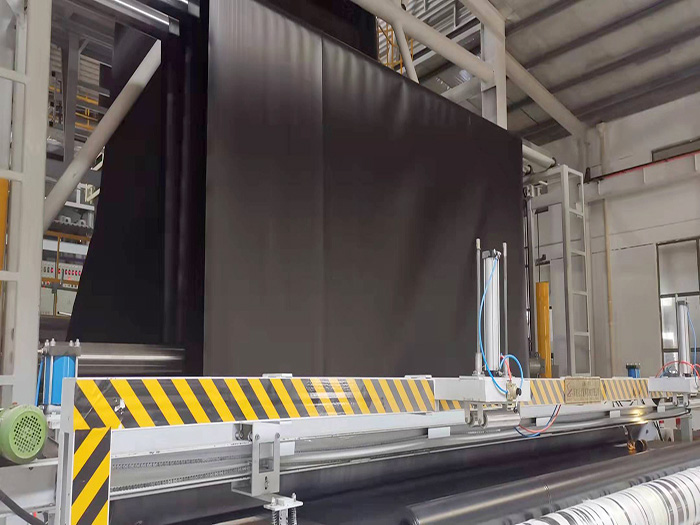
Modern geotextile wraps are produced under precise thermo-mechanical controls. Quality control guarantees the longevity, chemical inertness, and structural integrity of the fabric. Below is a detailed technical roadmap of our production line:
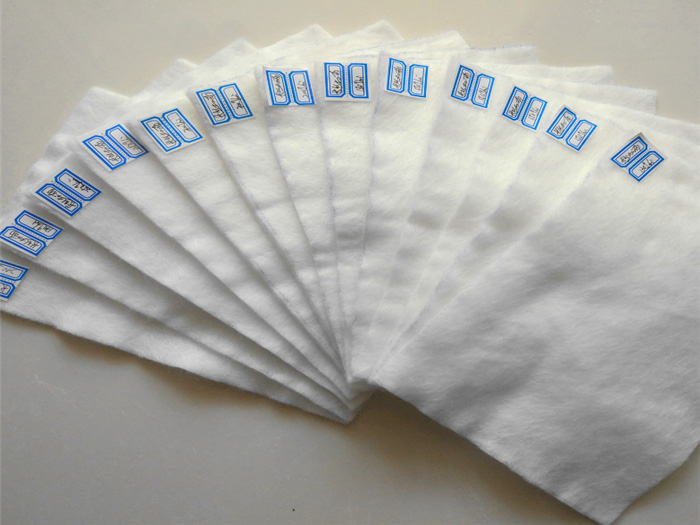
The core components of premium geotextile wraps are virgin polyester (PET) chips, polypropylene (PP) filaments, and viscose fibers. We perform exhaustive molecular weight distribution analysis, moisture analysis, and raw polymer density tests to verify that raw materials resist long-term biological attack and acidic or alkaline groundwater degradation.
Selected polyester slices undergo thermal melting at temperatures up to 260°C to 290°C. The molten polymer is forced through precise volumetric screw extruders where additives (carbon black for UV resistance, thermal stabilizers) are blended. Precise computerized pressure control ensures uniform viscosity across the melt stream.
The molten polymer is extruded through custom spinneret dies. Fast airflow systems draw and extend these fibers into filaments. The filaments are continuously deposited onto structured conveyor systems, building an isotropic network structure. We monitor the unit weight distribution dynamically to achieve uniform tensile strength.
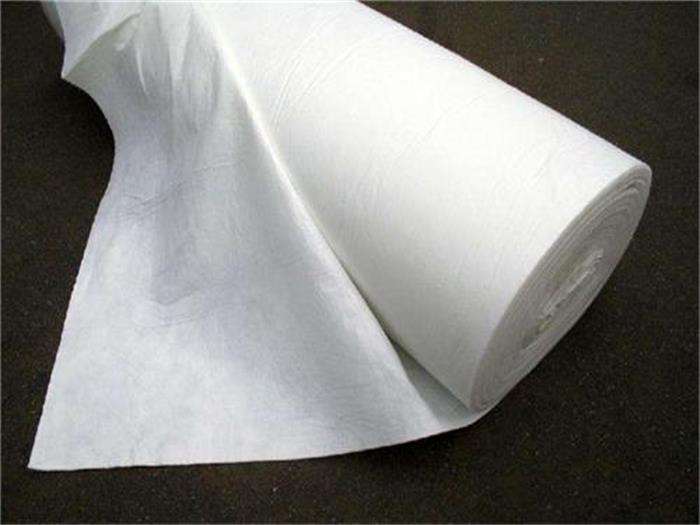
The structured filament net goes through multi-stage mechanical needle-punching or thermal calendering. In this step, thousands of barbed needles entangle the fibers, building mechanical interlocks that yield excellent puncture resistance. Calendering applies high-temperature heat rollers, locking the thickness, mass, and aperture dimensions.
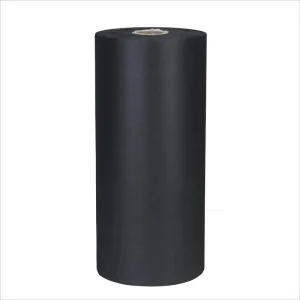
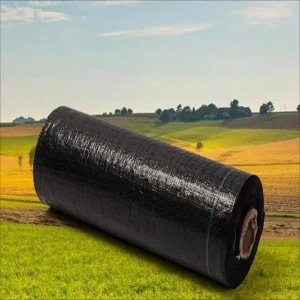
Post-cured geotextile wraps are trimmed to custom engineering widths (typically 2m to 6m) and wound onto rigid plastic or cardboard cores. The outer layers are wrapped with black UV-stabilized stretch films to prevent sunlight degradation during transit and job site storage.
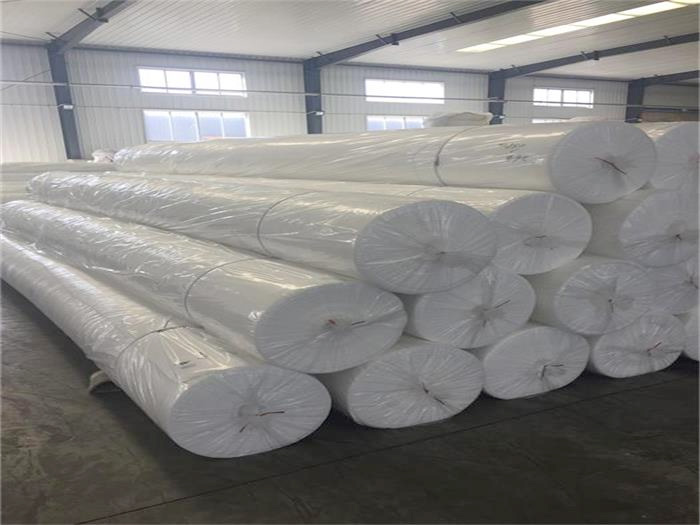
Every production batch undergoes comprehensive quality control testing. We measure tensile strength (ASTM D4632), CBR puncture resistance (ASTM M288/D6241), hydraulic permeability (ASTM D4491), and apparent opening size (AOS) (ASTM D4751). Materials are only dispatched once they pass national quality sampling inspection parameters.
Choosing the correct geomembrane and geotextile combination is crucial for waterproofing and soil stability. Our engineering team has compiled this deployment protocol based on decades of combined site work experience:
Select material properties like High-Density Polyethylene (HDPE) or Linear Low-Density Polyethylene (LLDPE) based on chemical resistance and flexibility needs. Select thickness (typically 0.3mm to 2.0mm) according to physical puncture threats, and choose hydraulic permeability to match the surrounding soil drainage coefficients.
Prepare the subgrade by grading and removing sharp rocks, roots, or trash. Lay down the geotextile wrap smoothly, maintaining appropriate overlap gaps (300mm to 500mm). Weld geomembrane sheets using dual-track hot wedge welding, and inspect the seam integrity using air pressure tests.
Regular maintenance extends the project lifetime. Periodically clear the surface of heavy silt and debris to maintain flow paths. Perform visual audits for damage, and patch cuts or punctures promptly with approved patches and extrusion welding.
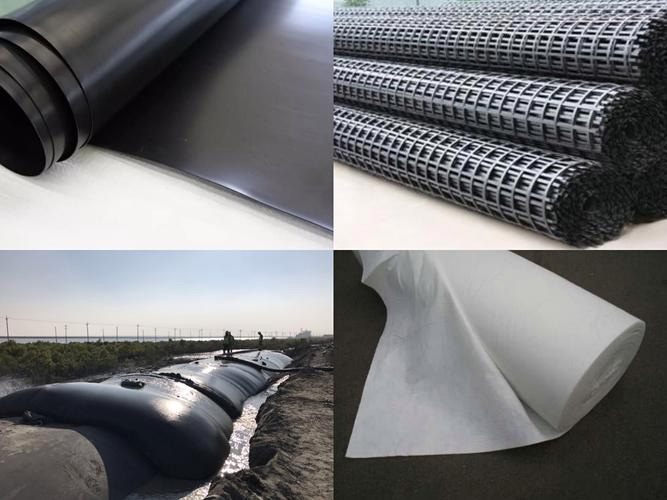
Geotextiles operate under diverse geologic, hydraulic, and climatic conditions. Our manufacturing lines produce bespoke solutions optimized for these distinct environments:
Woven geotextile wraps around perforated PVC French drain lines prevent soil entry, ensuring clear flow paths and preventing soil erosion under pavements.
Heavy needle-punched geotextiles serve as protection wraps for geomembranes, shielding containment barriers from puncture under heavy waste loads.
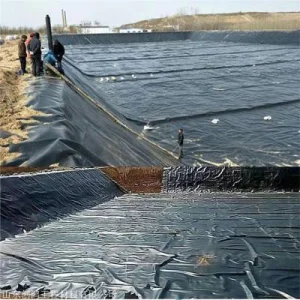
In arid farming areas, geotextile fabrics protect canal lining structures, reducing seepage loss and stabilizing canal banks against erosion.
Located in the heart of Dezhou City, Shandong Province—widely known as China's primary geotextile manufacturing hub—Shandong Hongyue operates within a highly efficient industrial ecosystem. This concentration of raw polymer producers, automated extrusion lines, and mechanical testing centers gives us several strategic advantages:
Raw Material Sourcing: Direct access to local petrochemical refineries guarantees a stable supply of virgin polypropylene chips and polyester raw materials, shielding our production runs from global commodity price spikes.
Scale and Speed: Operating with a registered capital of 105 million yuan, our facility features high-speed extrusion lines and automated needle-punch systems. We handle high-volume bulk orders and custom rolling requests with short turnaround times.
Logistical Advantage: Close proximity to major shipping hubs, including Qingdao Port and Tianjin Port, allows for efficient overland transport and fast loading onto container vessels bound for Europe, North America, and Australia.
We are continuously investing in research and development to align with global environmental mandates and advanced engineering specifications:
Recycled & Biodegradable Polymers: Developing next-generation geotextile lines using post-consumer recycled PET (rPET) and biodegradable PLA polymers, targeting temporary civil works where eco-neutral footprinting is required.
Smart Sensing Geotextiles: Embedding micro-optic fibers and conductive carbon filaments within the geotextile structure to monitor mechanical strain and water saturation levels dynamically.
Enhanced UV Protection: Refining polymer additives to resist degradation from high-radiation environments, keeping wraps durable even under long exposure times in tropical zones.
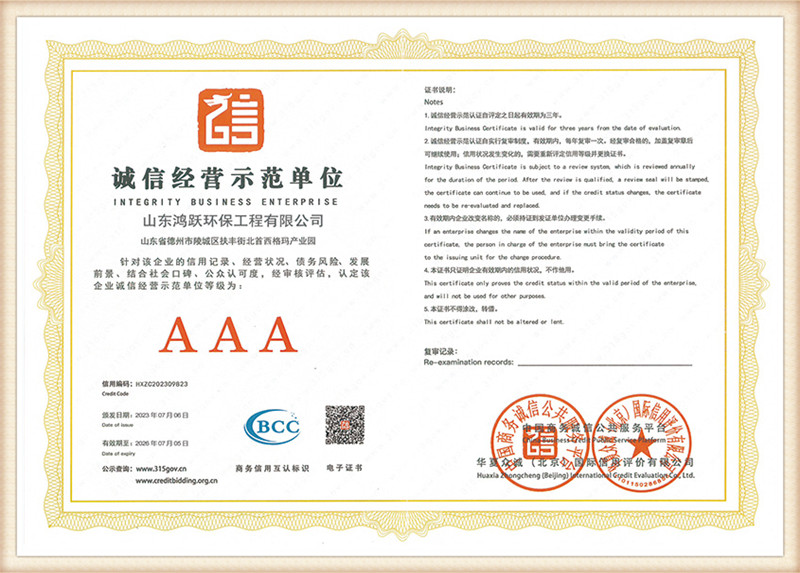
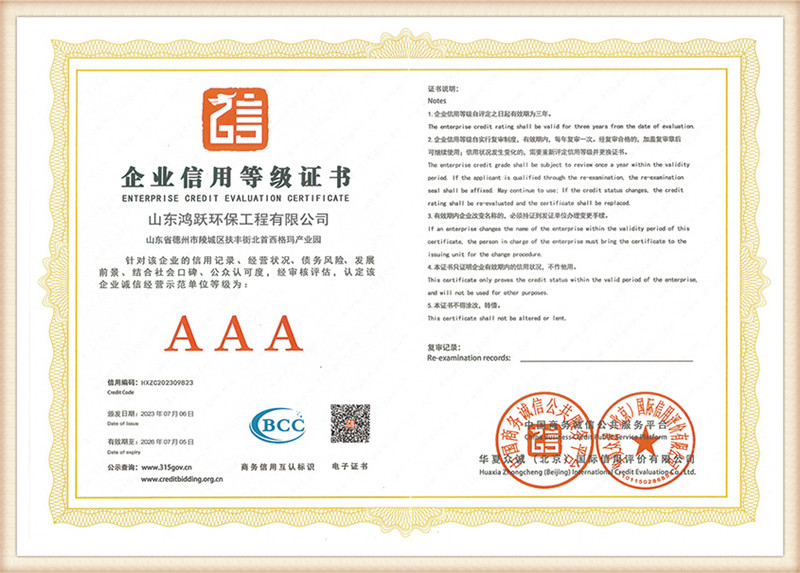
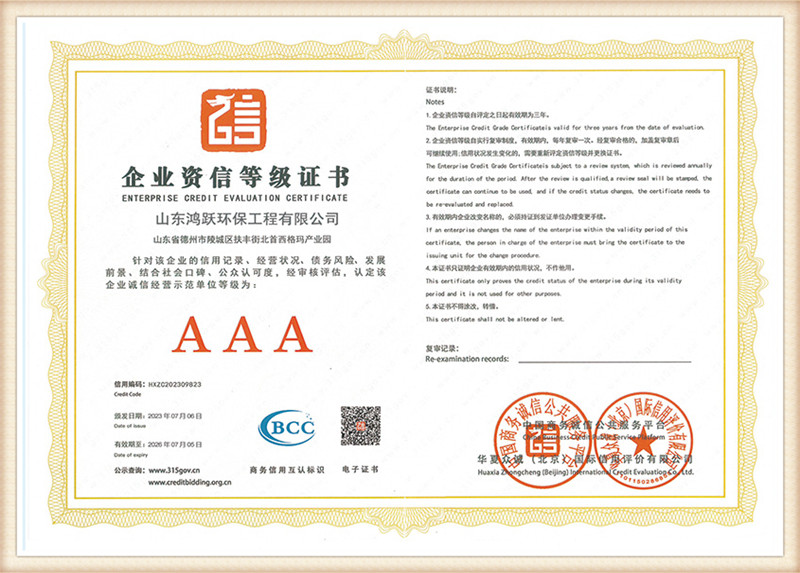
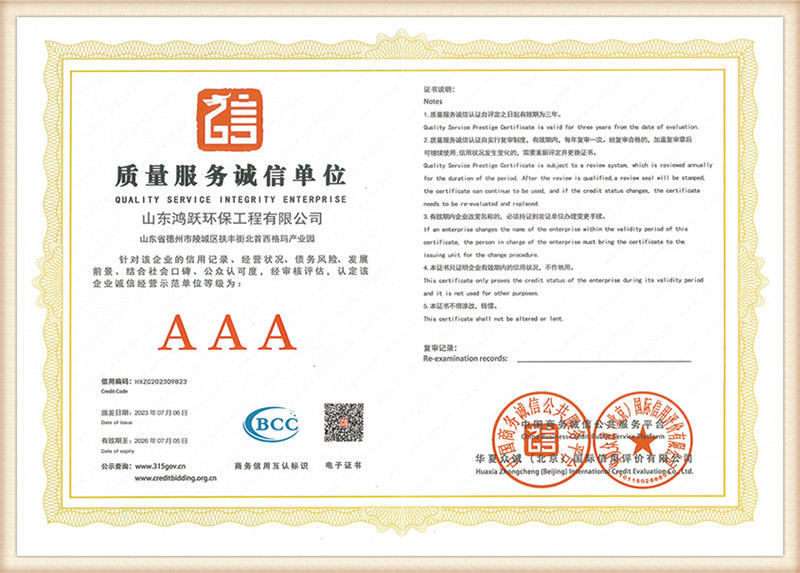
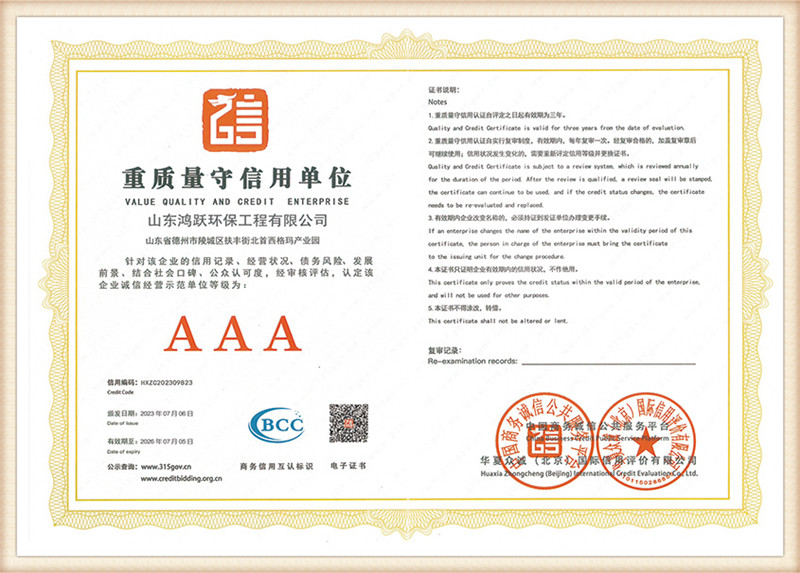
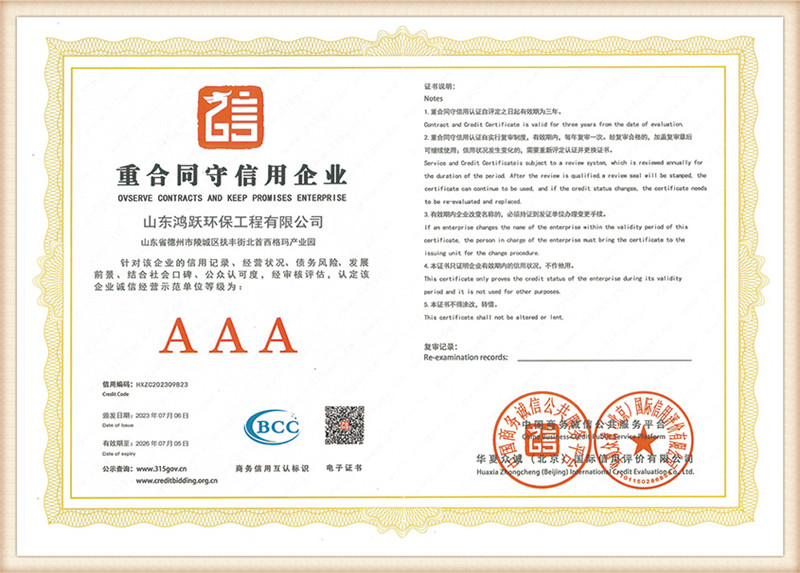
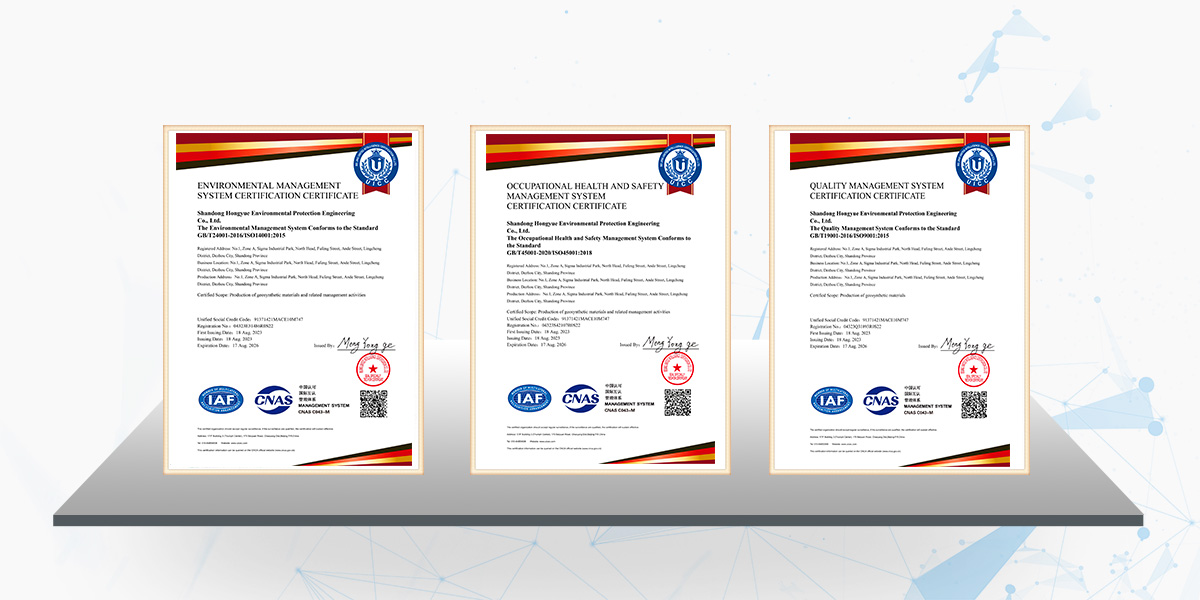
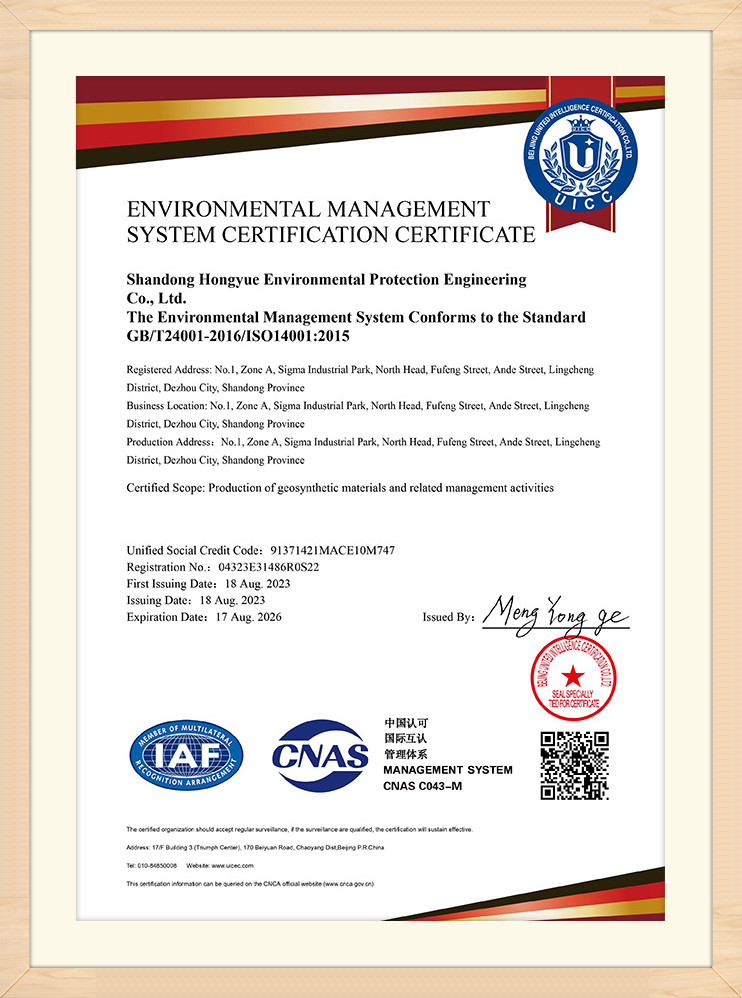
We maintain a rigorous quality assurance program. Shandong Hongyue has passed ISO9001 quality management, ISO14000 environmental management, and ISO45001 health and safety certifications. Our standard quality inspection protocol covers:
We supply complete, integrated geosynthetic kits designed to work together smoothly on site:
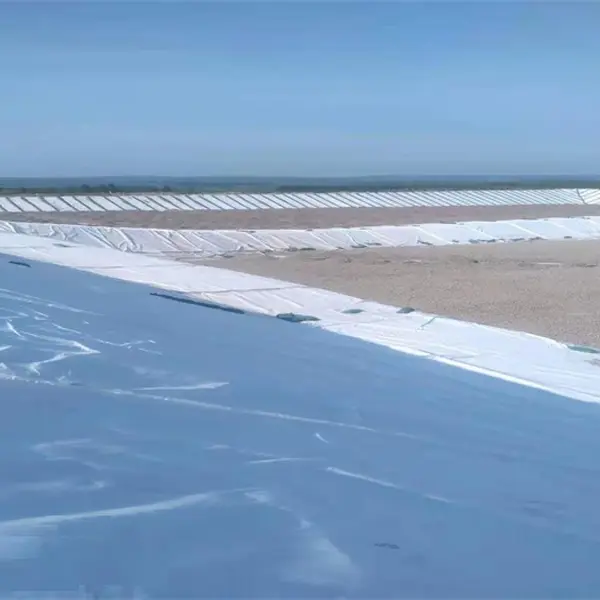
Heavy barrier layers optimized for valleys, retention basins, and deep reservoirs.
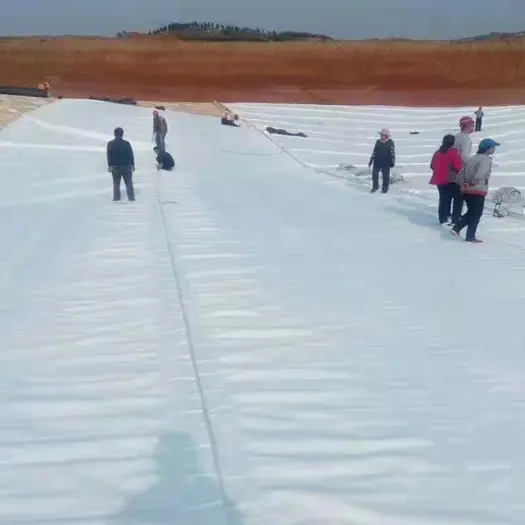
Flexible composite systems configured to prevent water leakage in sandy agricultural canals.
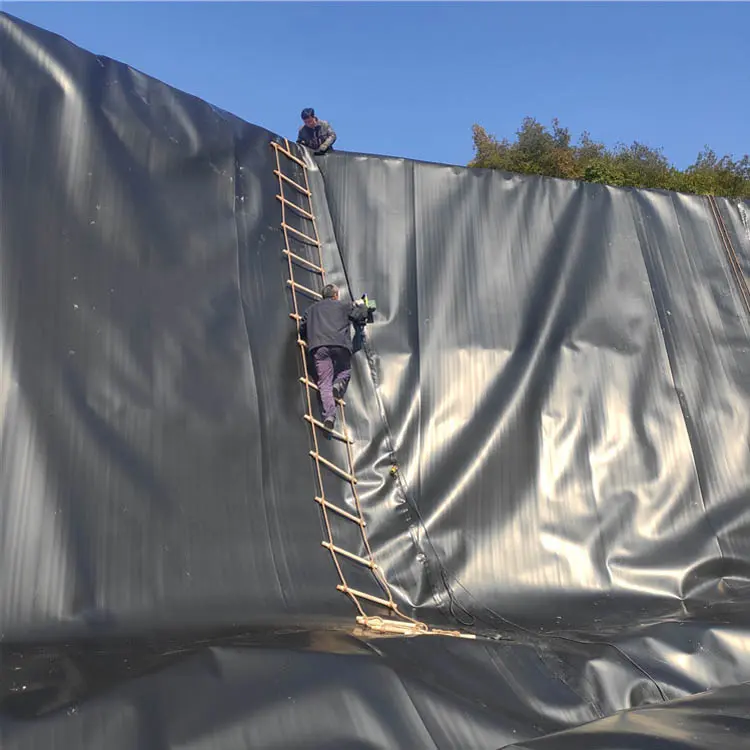
Double-lined containment solutions to isolate municipal waste and toxic leachate.
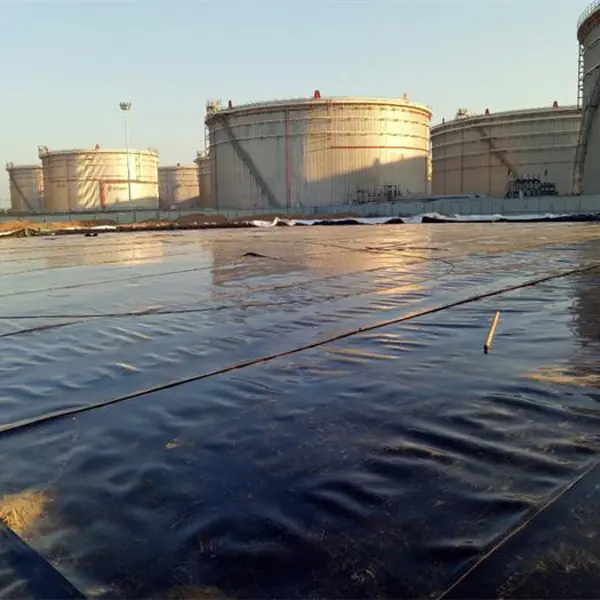
Hydrocarbon-resistant geomembranes for spill protection in petrochemical storage zones.
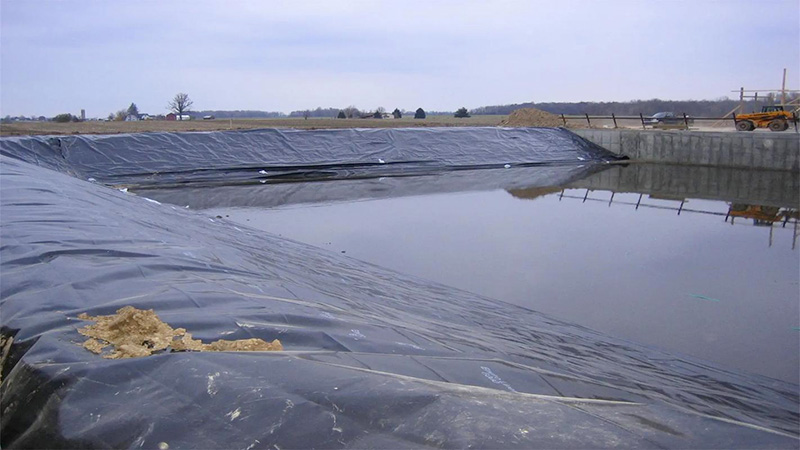
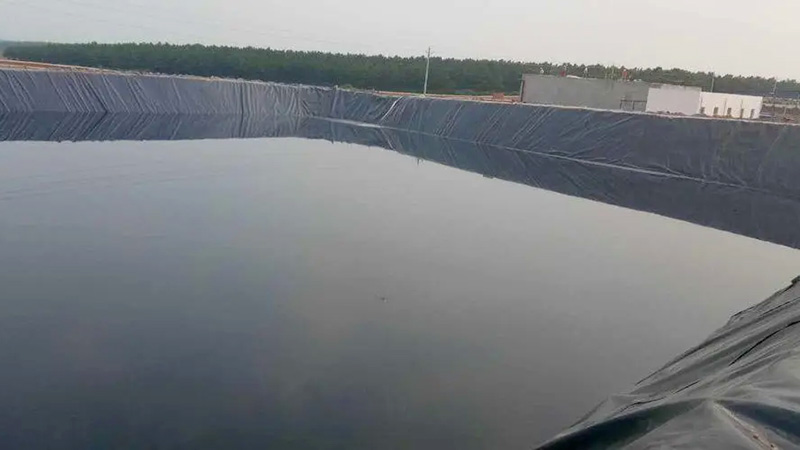
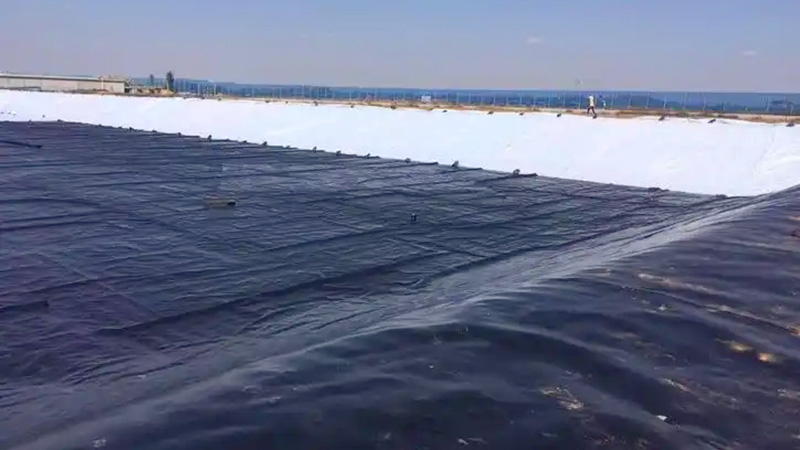
Non-woven geotextile wraps are produced by needle-punching or thermally bonding random filament fibers, yielding high water flow rates and elongation characteristics, which makes them ideal for filtration and drainage. Woven geotextile wraps are made by interlacing industrial filaments into flat sheets, providing high tensile strength and load distribution but lower hydraulic permeability.
Look for ISO9001 quality system certifications, ISO14000 environmental compliance, and national testing certifications. Ensure the manufacturer's testing lab tracks physical indexes like grab tensile strength, Mullen burst strength, CBR puncture resistance, and apparent opening size (AOS) for each batch.
Dezhou is the largest geosynthetics production cluster in China. The close proximity of polymer raw material suppliers, specialized machinery builders, and major shipping lines reduces transportation and production costs, allowing factories to offer competitive prices for high-volume orders.
Yes. Polypropylene and high-grade polyester geotextile wraps are chemically inert. They resist degradation in soil environments with pH levels ranging from 2 to 13, and are resistant to naturally occurring soil microbes.
Direct supply options for waterproofing, agricultural protection, and soil stabilization applications.
 Hongyue