ODM Geogrid Slope Stabilization Suppliers & Exporter

Advanced Geosynthetic Systems, Industry 4.0 Manufacturing Resilience & Global Procurement Solutions

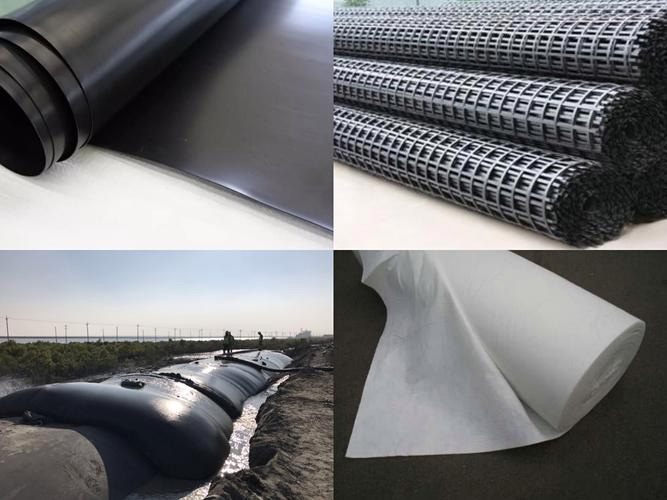
Featured Geosynthetic Product Line

Engineered to deliver high tensile reinforcement, robust drainage, and unmatched containment parameters for extreme infrastructural developments.
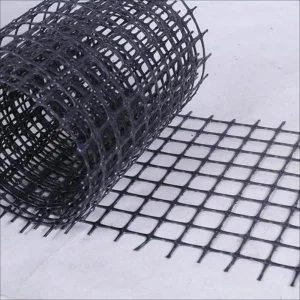
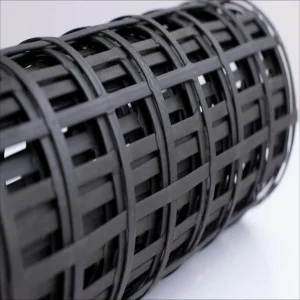
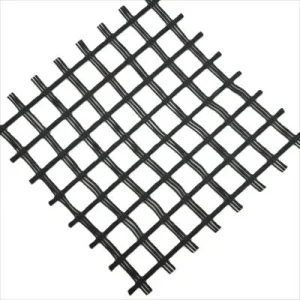
ODM Biaxially Stretched Plastic Geogrid

ODM Biaxially - Stretched Plastic Geogrid Manufacturers, Pricelist

Get Pricelist →
Custom Steel-plastic geogrid

Custom Steel-plastic geogrid Suppliers, Quotes

Request Quotes →
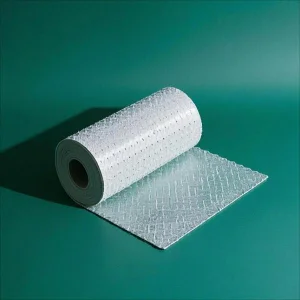
Wholesale Fiberglass geocell

Wholesale Fiberglass geocell Manufacturers, Supplier

Contact Supplier →
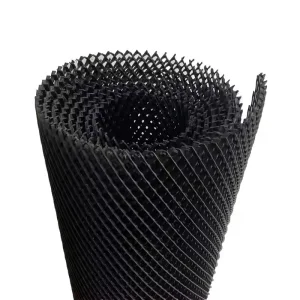
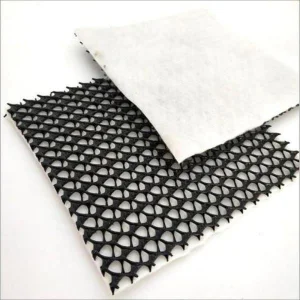
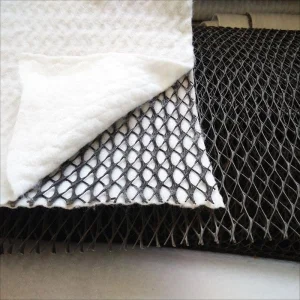
Hongyue tri-dimension composite geonet

High-Quality Hongyue tri-dimension composite geonet for drainage Manufacturers, Quotes

Get Custom Quotes →
CE Certification Coiled drainage board

CE Certification Coiled drainage board Factories, Exporters

View Factories →
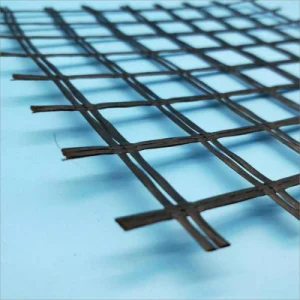
Glass fiber geogrid

High-Quality Glass fiber geogrid Supplier, Exporter

Explore Specifications →
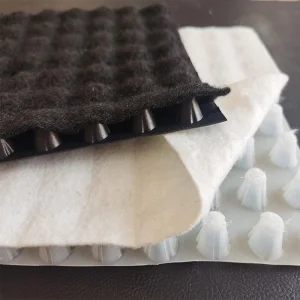
Hongyue composite waterproof and drainage board

High-Quality Hongyue composite waterproof and drainage board Manufacturer, Factory

Inquire Now →
Three-dimensional composite drainage network

Wholesale Three-dimensional composite drainage network Supplier, Factory

Source Direct →

The Imperative of Slope Stabilization: Mechanistic Innovations in Geosynthetics

Modern civil engineering faces unprecedented challenges. Climatic changes, severe seismic activities, and rapid structural urban development require sustainable slope containment structures. High-performance polymer geogrids for slope stabilization have transformed global construction engineering paradigms. Traditional gravity concrete walls have increasingly yielded to geosynthetic reinforced soil (GRS) structures. These systems offer significant benefits, including superior ductile loading properties, minimal environmental footprints, and substantial savings in materials costs.

The fundamental mechanism of geogrid slope reinforcement lies in the confinement of structural fill. Through mechanical interlock, lateral displacement of soil particles is suppressed under vertical loading. This confinement converts lateral tensile stresses within the soil matrix into axial forces along the geogrid ribs. Biaxially stretched plastic geogrids distribute multi-directional stress loads across high-strength, low-elongation polymer junctions, stabilizing steep inclinations and high embankments safely.

Consequently, choosing the right ODM/OEM supplier is crucial for infrastructure projects. Engineers require customized aperture structures, specific tensile strengths (ranging from 20 kN/m to over 200 kN/m), and long-term chemical durability. As a leading specialized manufacturer, Shandong Hongyue Environmental Engineering Co., Ltd. addresses these strict design requirements with precise engineering and advanced polymeric formulations.
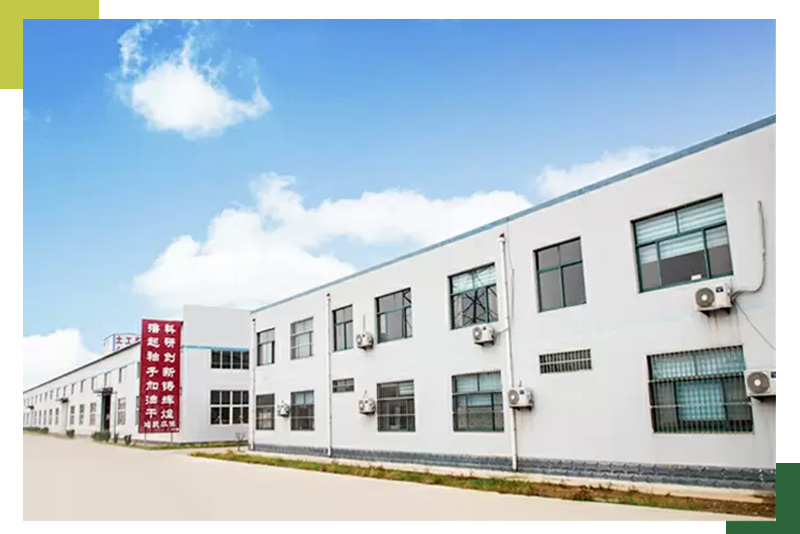
Shandong Hongyue Advanced Geotechnical Materials Manufacturer
Shandong Hongyue Headquarters: North end of Fufeng Street, Lingcheng District, Dezhou, Shandong Province
105M
Registered Capital (RMB)
ISO
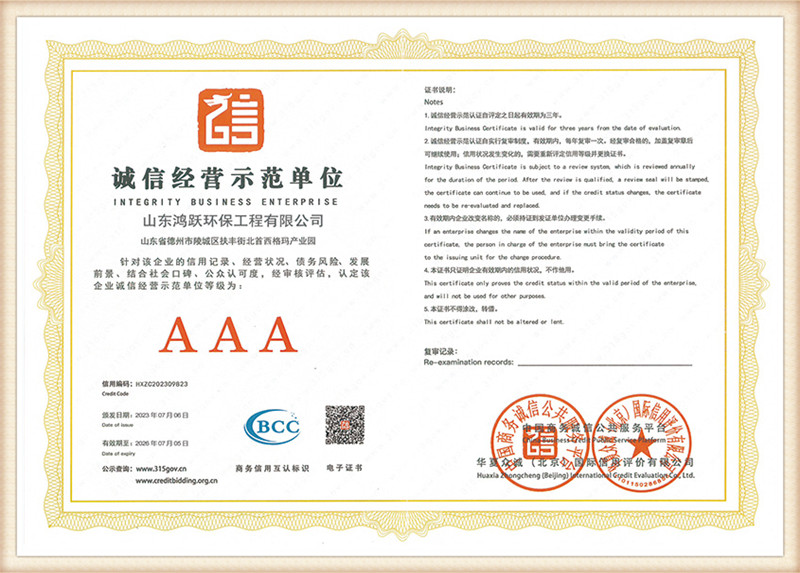
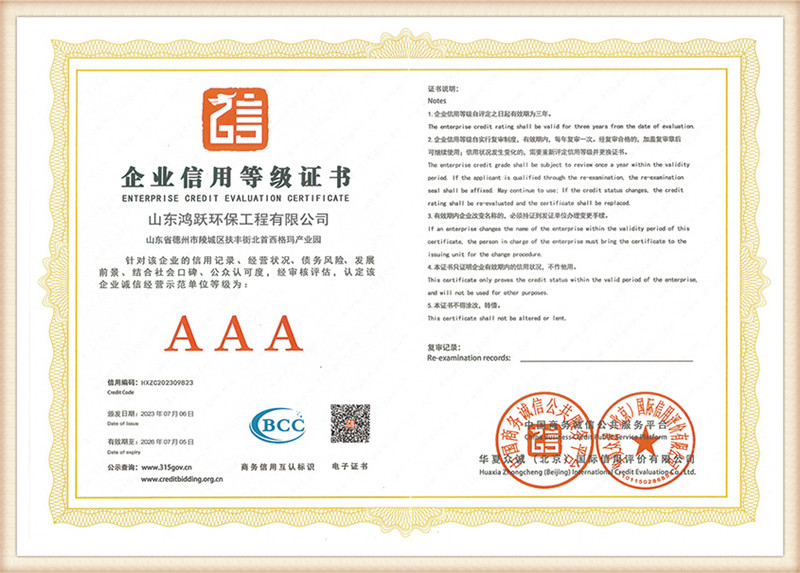
9001, 14000, 45001 Certified
40+
Global Distribution Hubs
100%
CE Compliant Manufacturing

China Factory 4.0: Supply Chain Resilience & Efficiency Advantages

By combining raw material synthesis, advanced extrusion, and real-time quality assurance, we offer resilient global logistics and cost advantages.

Raw Material Integration

Using premium polyester chips, polypropylene filaments, and fiberglass inputs, we ensure raw material consistency. Highly stable polymer matrices protect against chemical degradation, micro-biological attacks, and UV-induced oxidation.

Melt Extrusion & Drawing

Our advanced drawing units precisely stretch polymers under high temperature to align the polymer chains along the primary axis, maximizing tensile properties and minimizing long-term creep deformation.

Smart Quality Assurance

We verify all physical, chemical, and dimensional specifications. Automated optical inspection identifies aperture anomalies, while regular laboratory testing ensures compliance with international standards.
Production Facility 1 Production Facility 2 Production Facility 3

Our Manufacturing Process & Technical Execution

Under rigorous oversight, we manufacture a wide range of geotextiles, geomembranes, drainage networks, and composite geogrids.
Phase 1 Raw Material Prep

Raw Material Preparation

High-purity polymers, including HDPE, LLDPE, and polyester resins, are inspected for density and melt index consistency to guarantee stable baseline physical characteristics.
Phase 2 Roll Layout Netting

Melt Extrusion & Web Punching

Raw materials are extruded into sheets, punched with high-precision aperture matrices, and preheated in preparation for multi-axial drawing cycles.
Phase 3 Draft Curing Packaging

Draft Curing & Inspection

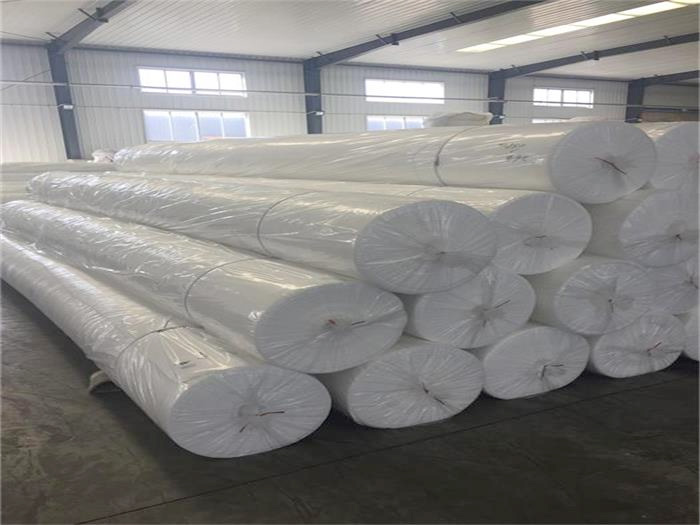
Continuous tension testing during the drawing phase aligns polymer ribbons. Rolls are dimensionally measured, quality certified, and packaged for transport.

Localized Application Scenarios & System Solutions

From water conservancy projects to municipal highway expansions, our geosynthetics ensure high system stability.

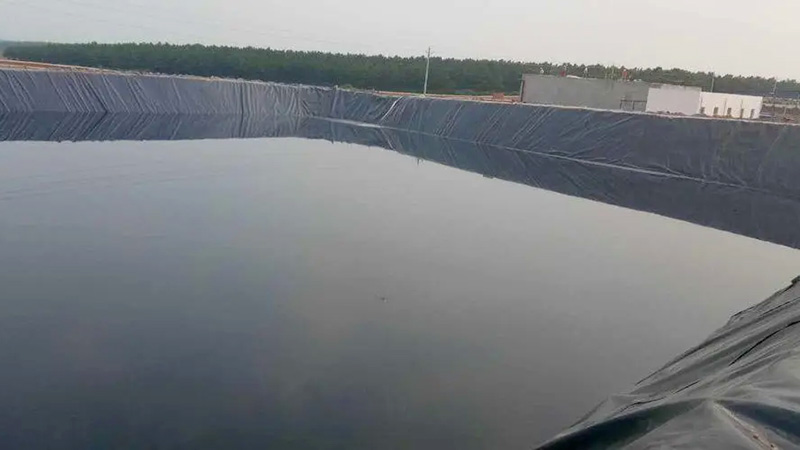
Hydraulic Engineering & Anti-Seepage

Our geomembranes and composite drainage systems prevent seepage in complex geologies. They stabilize reservoir bases and canal linings, preventing water loss and mitigating structural erosion.
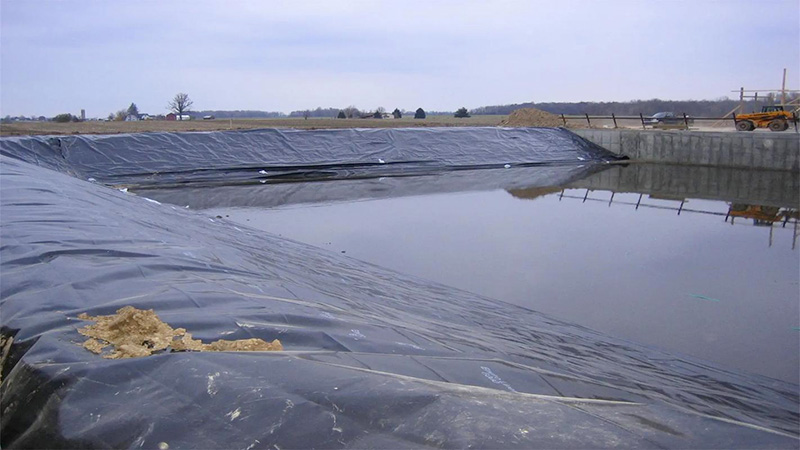
Seepage prevention construction

Road Subgrade & Soil Reinforcement

Biaxial and uniaxial geogrids stabilize soft soils under major highways and rail tracks. This reinforcement distributes concentrated loads, preventing differential settlement and ruts.
Subgrade reinforcement construction

Landfill & Environmental Protection

Double-lined composite geomembrane and drainage nets isolate hazardous waste. They protect the surrounding water table from leachate contamination, maintaining environmental safety.
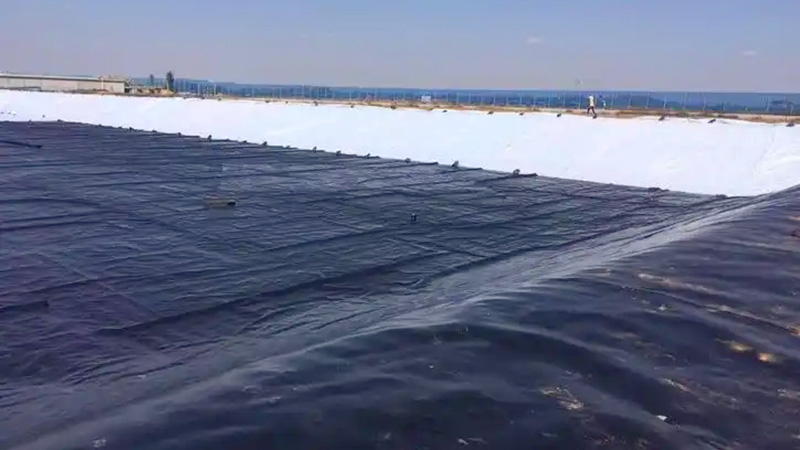
Landfill engineering site

Water Conservation & Canal Lining

Geotextile composites prevent seepage in river networks and irrigation canals. High mechanical strength prevents damage during rock filling and subgrade compaction.
Water conservation construction site

Technical Focus: Geomembrane Application & Selection Guidelines

Proper installation, welding parameters, and selection are key to preventing structural seepage.

1. Technical Selection Parameters

Selecting the right material (HDPE, LLDPE, fPP) depends on chemical exposure and temperature variations. HDPE offers high chemical resistance, making it ideal for landfills, whereas flexible LLDPE is better suited for irregular geologies where tensile adaptability is required.

Specifying thickness (0.3mm to 2.0mm) relies on municipal loading assessments. Thicker membranes resist mechanical punctures from angular aggregates during installation.

2. Installation & Welding Best Practices

The subgrade must be compacted and free of sharp stones. The membrane sheets are aligned, overlapped, and hot-wedge welded. High-frequency dual-track welding creates a sealed test channel, allowing verification of the weld via air pressure testing.
Geomembrane laying and welding tech

Note: Continuous non-destructive air-pressure testing should be performed at all thermal seam lines to ensure long-term impermeability.

Internationally Audited Quality Control

Our production lines feature automated testing to ensure compliance with ASTM and EN geosynthetic standards.
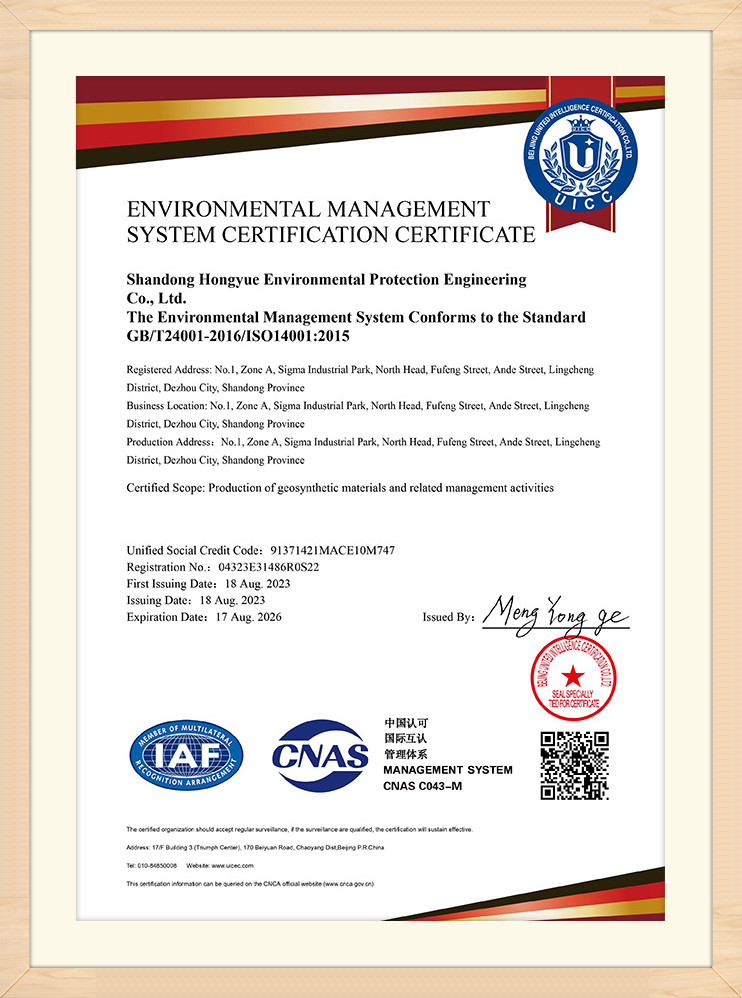
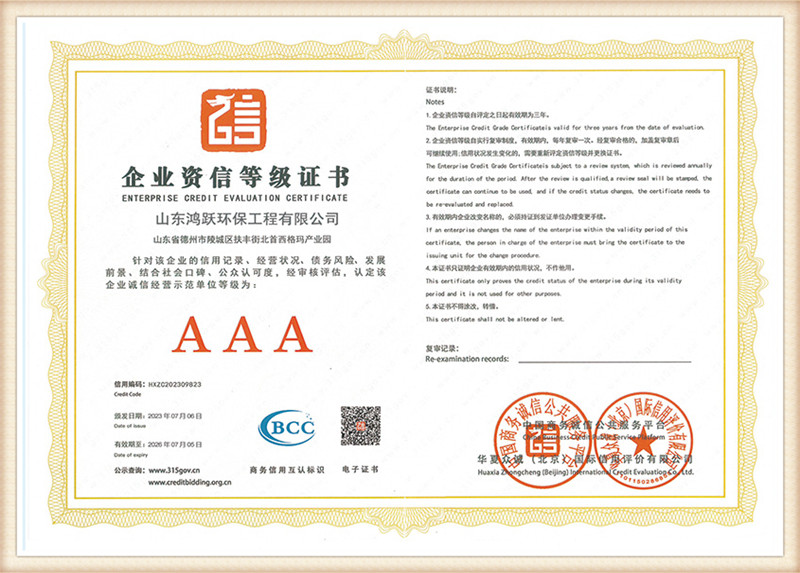
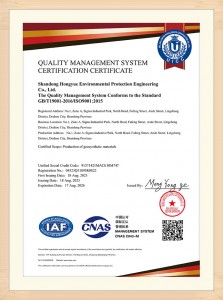
ISO Certification Quality Control

National Quality Testing

ASTM standard testing lab

Advanced Laboratory Verification

Geogrid tensile strength testing

Tensile Load Inspections

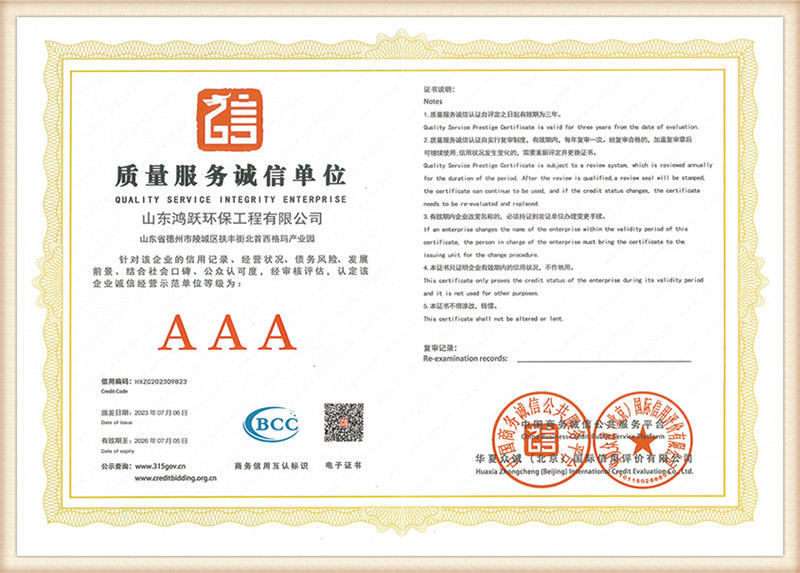
"Shandong Hongyue Environmental Engineering Co., Ltd. maintains certification across ISO9001:2015 (Quality Management), ISO14001:2015 (Environmental System), and ISO45001:2018 (Occupational Health & Safety). Our products regularly pass verification by the National Geosynthetics Testing Center, ensuring consistent performance for international applications."

Engineering Q&A: Biaxial Geogrids & Slope Stabilization

Expert technical answers to key questions asked by geotechnical engineers and procurement managers.

Q1: What are the primary differences between uniaxial and biaxial geogrids in slope stabilization projects?
Uniaxial geogrids are stretched in only one direction (machine direction), concentrating high tensile strength along a single axis. They are ideal for retaining walls and steep slope stabilization where main loads act in a known direction. Biaxial geogrids are stretched in two perpendicular directions, offering equal tensile strength in both axes. They are best suited for subgrade stabilization and road bases where radial loads occur.
Q2: How does the aperture size of a geogrid affect soil interlock and mechanical performance?
The aperture size must match the grain size distribution of the backfill soil. Effective interlock occurs when soil particles fit within the grid apertures, locking them in place. If the apertures are too small, soil particles cannot enter; if too large, the particles pass through without locking. This interlocking mechanism creates a stable, reinforced composite matrix.
Q3: What methods are used to determine the design life of HDPE geogrids in chemical soils?
We evaluate the design life using accelerated aging tests (ASTM D5322 and ASTM D2565). These tests expose polymer samples to elevated temperatures, UV radiation, and acid/alkali solutions. The results are extrapolated to predict performance over a 50- to 120-year design life, calculating reduction factors for creep, installation damage, and chemical degradation.
Q4: Why choose a composite geomembrane over a standard geomembrane for hydraulic engineering?
Composite geomembranes laminate geotextiles onto one or both sides of the membrane. The geotextile protects the membrane from puncture, filters subgrade moisture, and increases interface friction. This prevents sliding on steep slopes and improves the safety and longevity of the lining system.
Q5: How does Shandong Hongyue manage global custom manufacturing (ODM) requirements?
Our ODM workflow starts with engineering consultations to assess project loads, soil types, and environmental factors. Our R&D team adjusts raw material blends, aperture dimensions, and tensile configurations. Prototyping and laboratory testing ensure these custom geosynthetics meet all project specifications before full-scale production.

Full Geotechnical Engineering Inventory

Explore our range of geotextiles, geomembranes, drainage nets, and containment sheets manufactured to international standards.
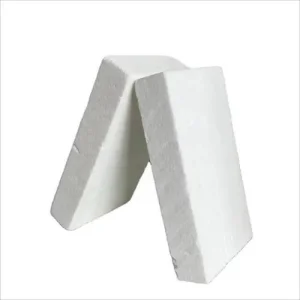
China Cement blanket building material

China Cement blanket is a new type of building material Suppliers, Exporters

Inquire Pricing →
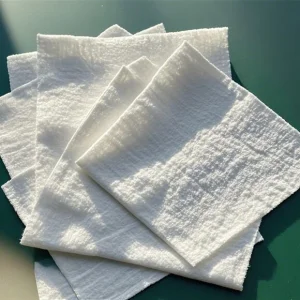
Hongyue filament geotextile

High-Quality Hongyue filament geotextile Factories, Quotes

Get Factory Price →
Drainage network for water conservancy

High-Quality Drainage network for water conservancy projects Manufacturers, Factory

Contact Factory →
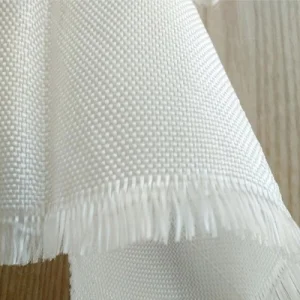
Spun polyester filament woven geotextile

China Reinforced high strength spun polyester filament woven geotextile Manufacturer, Factories

Get Technical Sheet →
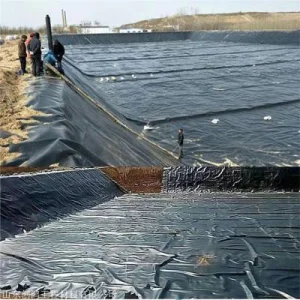
Fish pond anti-seepage membrane

Famous Fish pond anti-seepage membrane Suppliers, Quotes

Request Quotes →
OEM Sheet drainage board

OEM Sheet drainage board Supplier, Exporter

Export Details →
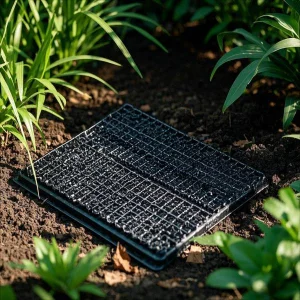
Plastic blind ditch

High-Quality Plastic blind ditch Factories, Quotes

View Factory Quotes →
Storage and drainage board for garage roof

Famous Storage and drainage board for underground garage roof Exporter, Exporters

Inquire Exporters →