Explore our foundational engineering solutions designed for high stability, filtration, and containment across critical projects.
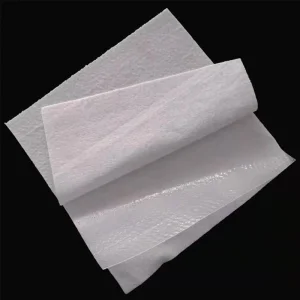
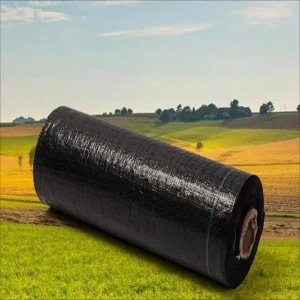
In the modern era of civil engineering and infrastructure expansion, slope protection has transitioned from rigid concrete armoring to sustainable, ecologically conscious geosynthetic solutions. Globally, the demand for geotextiles designed specifically for slope protection is surging, propelled by escalating climate volatility, severe soil erosion, and the worldwide push for green infrastructure. Governments and private developers alike are moving away from traditional retaining structures toward flexible, cost-effective geosynthetic systems.
From the mountainous highway projects in Latin America to the high-speed rail networks across Asia-Pacific, geotextiles serve as the silent backbone of geotechnical safety. According to recent market analysis, the global geosynthetics market is expected to expand at a compound annual growth rate (CAGR) exceeding 6.5% over the next decade. Major infrastructure upgrades, urban expansion in flood-prone river basins, and strict environmental regulations on erosion control are key drivers. Within this landscape, specialized factories that supply high-integrity polyester (PET) and polypropylene (PP) geotextiles have become critical nodes in the global construction supply chain.
Furthermore, the integration of advanced polymers has allowed manufacturers to engineer geotextiles with customized tensile strengths, opening up new opportunities in severe slope conditions. These materials provide not only immediate mechanical support but also long-term biological stability by facilitating vegetation growth, resulting in natural, reinforced root zones that prevent shallow landslides and localized soil slippage.
Understanding how different material configurations solve soil mechanics challenges.
Slope protection demands a deep understanding of fluid dynamics, soil shear strength, and environmental degradation factors. When rainfall strikes an unprotected slope, runoff generates tractive forces that dislodge soil particles. Geotextiles interrupt this process. By acting as a structural filter, they permit water to escape freely—preventing the buildup of destabilizing hydrostatic pressure—while retaining the solid soil matrix.
Selecting the appropriate polymer type is crucial for project longevity. Polyester (PET) filament geotextiles offer high creep resistance and superior ultimate tensile strengths, making them ideal for heavy structural reinforcement. Polypropylene (PP) geotextiles, conversely, are highly valued for their exceptional chemical resistance, particularly in acidic or highly alkaline soils common in mining operations or coastal regions.
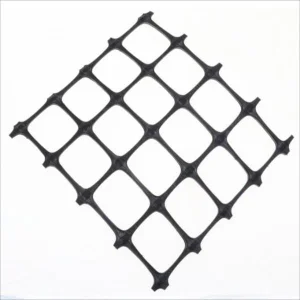
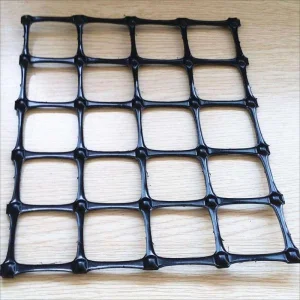
While standard non-woven geotextiles provide excellent filtration and separation, advanced projects often utilize composite materials. For example, combining a high-strength woven geogrid with a non-woven geotextile provides both mechanical stabilization and filtration in a single installation. This eliminates inter-layer slipping and dramatically accelerates installation times, cutting on-site labor costs by up to 35%.
| Material Variant | Primary Function | Tensile Strength Range | Optimal Application Scenarios |
|---|---|---|---|
| Filament Non-Woven Geotextile | Filtration, Separation, Protection | 10 - 80 kN/m | Railway beds, highway embankments, reservoir slopes |
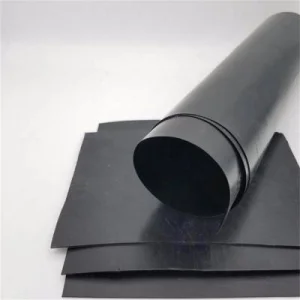
| Composite Geomembrane | Seepage Prevention, Impermeability | 15 - 50 kN/m | Artificial lakes, landfills, agricultural canal linings |
| Bentonite Waterproof Blankets (GCL) | Self-Sealing Hydraulic Barrier | ≥ 600 N (Grab) | Underground garage roofs, municipal waste containment |
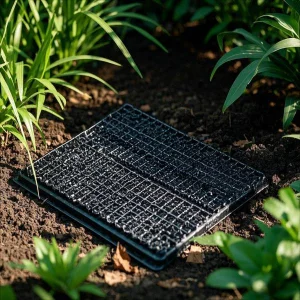
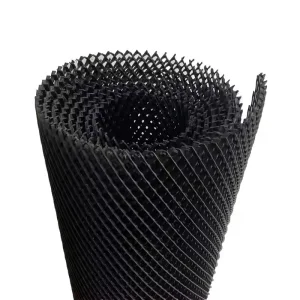
| HDPE Geocell / Geonet | Confined Soil Stabilization | ≥ 1000 N/50mm | Severe vertical slope protection, heavy scour areas |
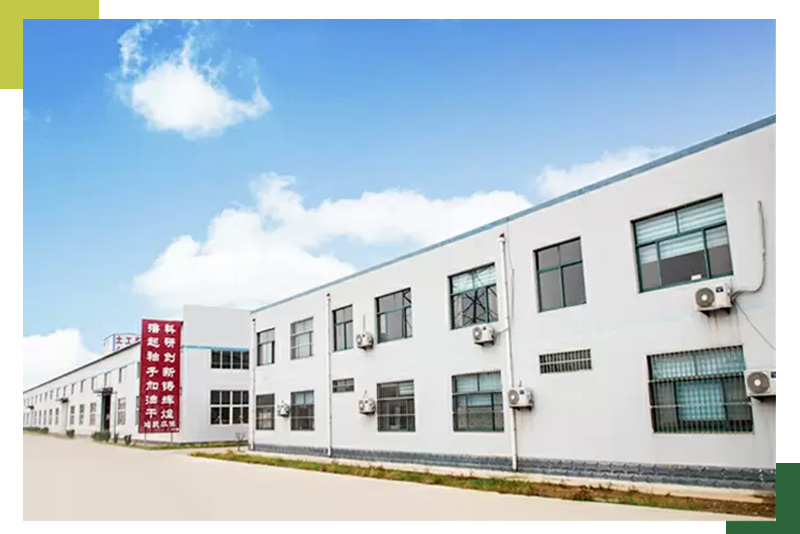
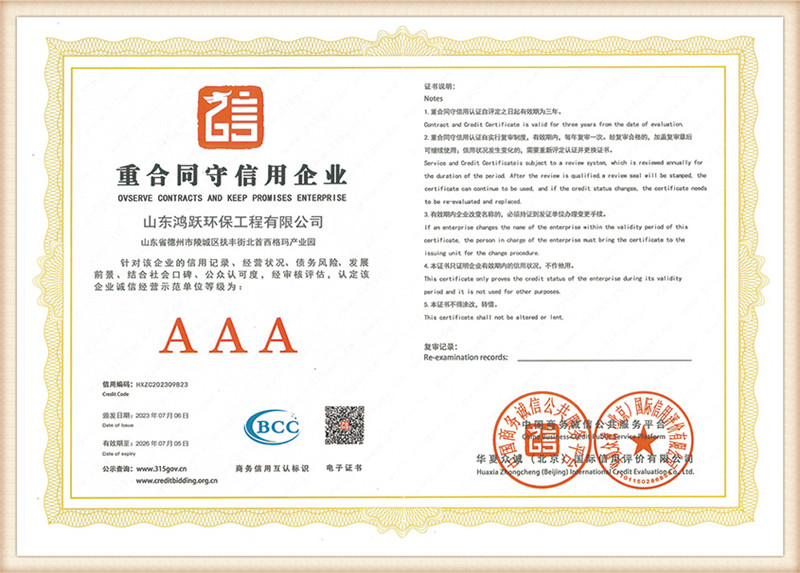
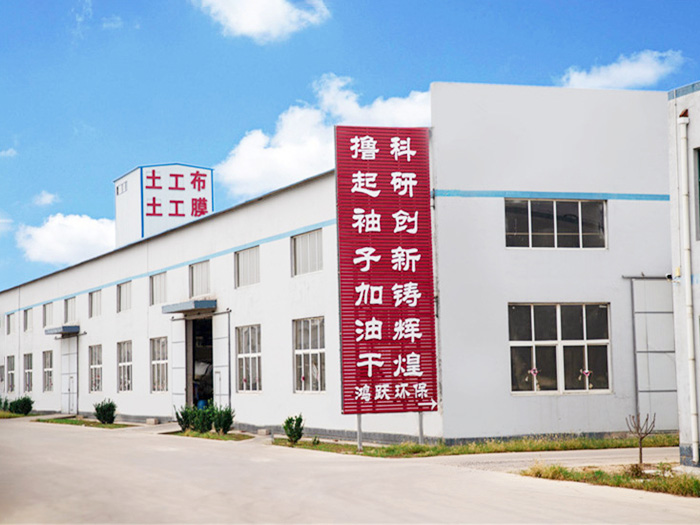
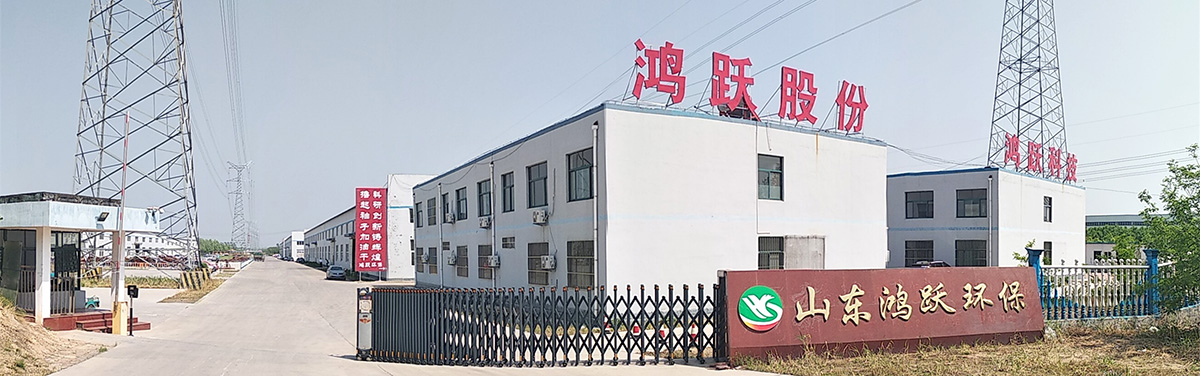
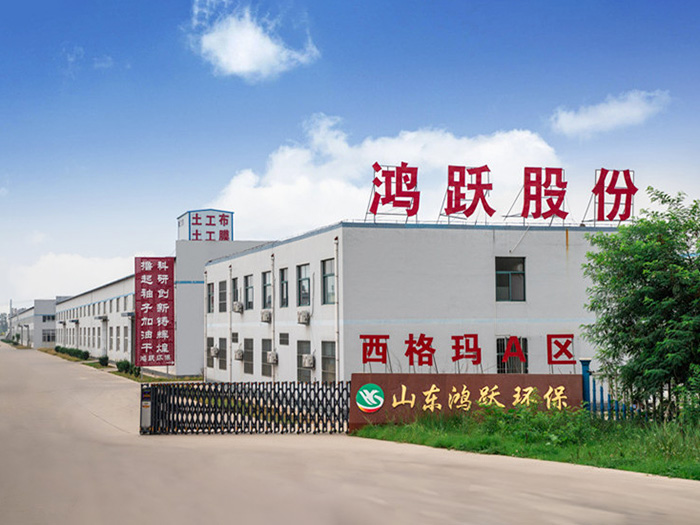
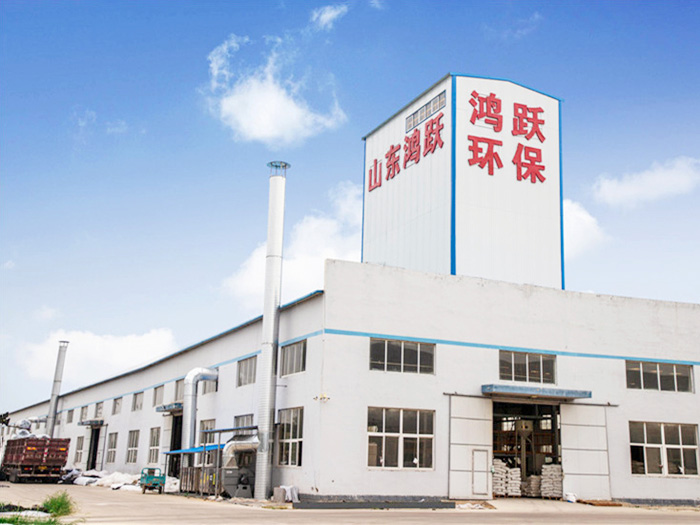
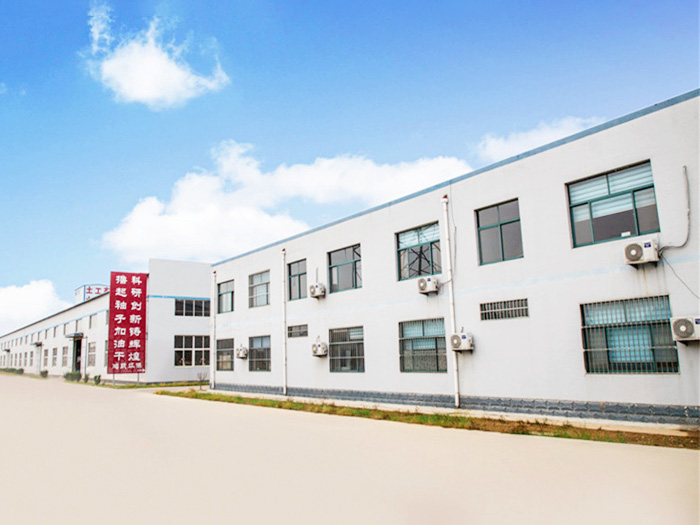
Shandong Hongyue Environmental Engineering Co., Ltd., located at the north end of Fufeng Street, Lingcheng District, Dezhou, Shandong Province, stands as a premier scientific and technological geotechnical material manufacturer. We integrate engineering material production, sales, design, and specialized construction services under one roof. Registered with the Lingcheng District Market Supervision and Administration Bureau on April 6, 2023, with a robust capital of 105 million yuan, our enterprise has quickly scaled to become one of China's largest production bases for advanced geosynthetics.
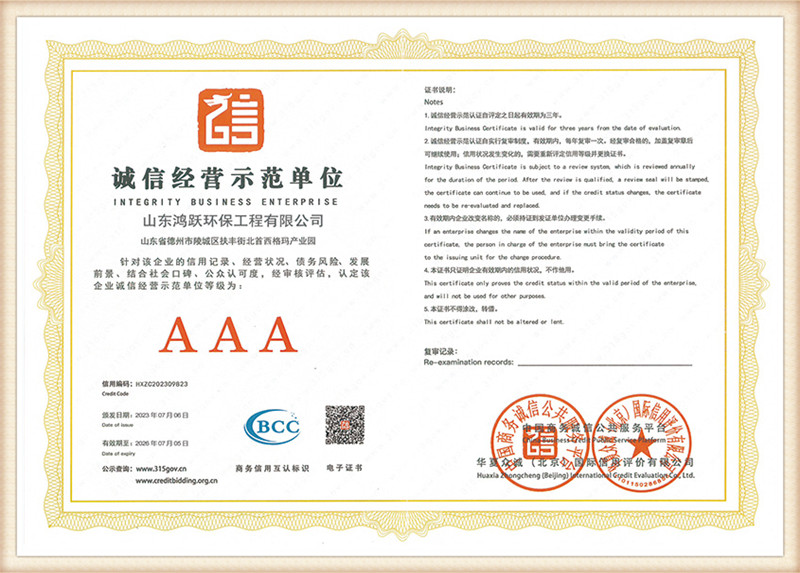
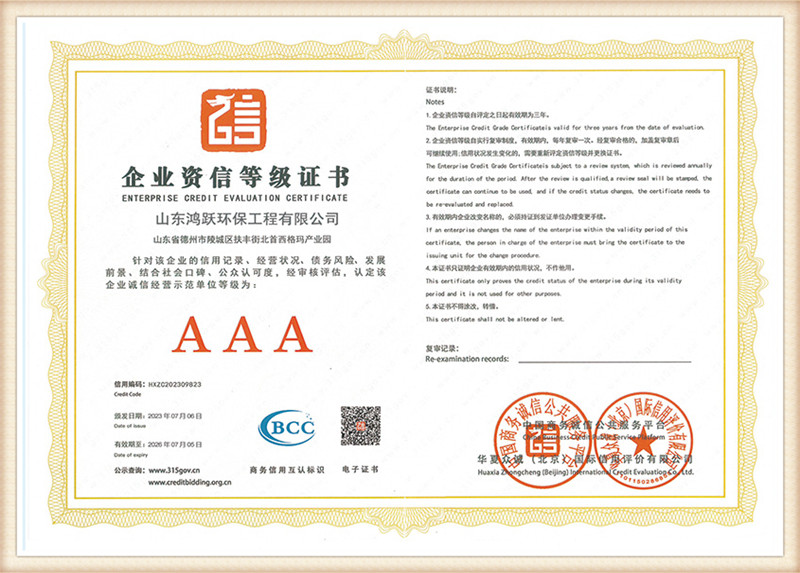
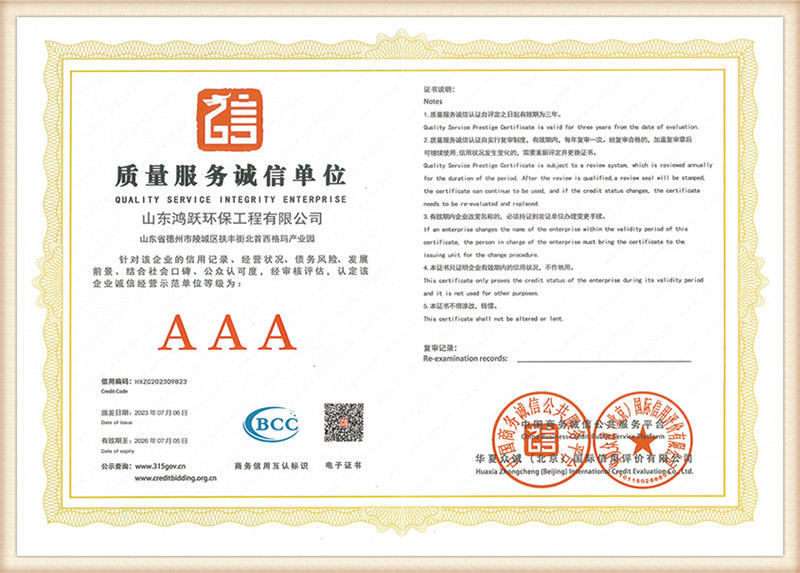
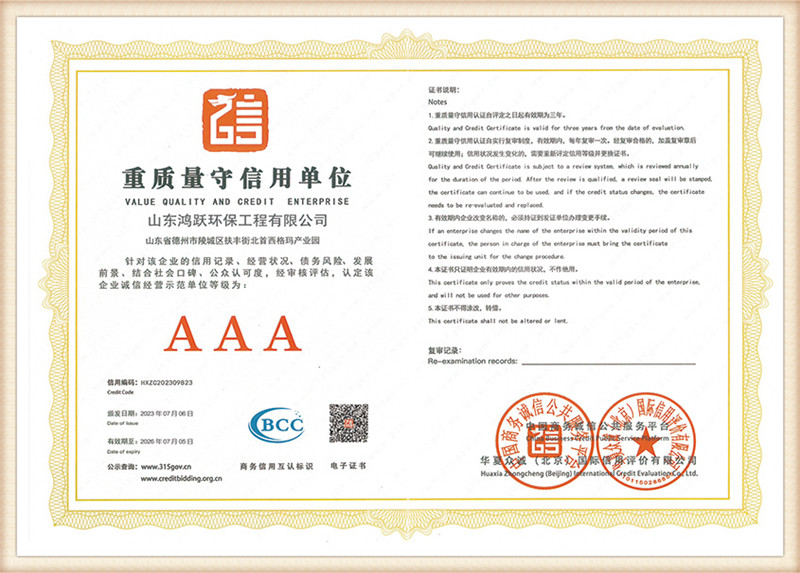
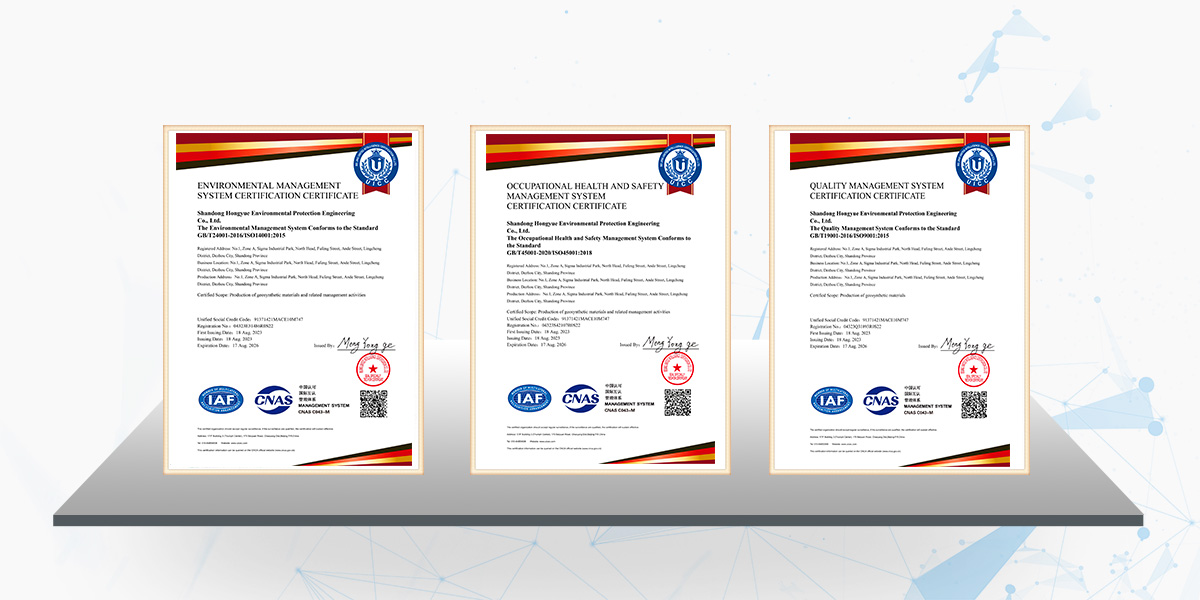
Our strategic location in Dezhou affords us exceptional logistics connectivity, linking our massive manufacturing facilities directly to major shipping hubs. The company has passed ISO9001 international quality system certification, ISO14000 environmental system certification, and ISO45001 occupational health and safety management system certification.
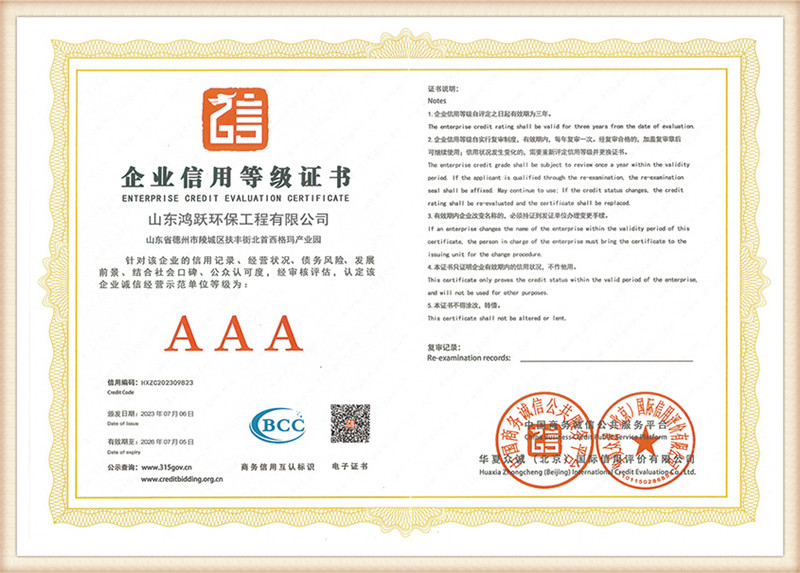
Hongyue has been recognized with numerous industry honors, including "Green and Environmentally Friendly Building Materials Products," "No Consumer Complaints," "Famous Chinese Brands," "High-tech Industries," "Quality Service Double Excellent Units," and "Provincial-Level Poverty Alleviation Leading Enterprises." Our products are deployed across more than 40 large and medium-sized cities, including Shanghai and Beijing, and are exported to Europe, the United States, and Australia.
Why sourcing from Lingcheng District, Dezhou, offers unmatched financial and technical advantages.
The concentration of the geosynthetics industry in Dezhou, Shandong, has created a highly integrated industrial cluster. This localized cluster provides deep supply chain efficiencies that directly translate into cost savings and quality control advantages for global buyers:
A transparent look inside our precision manufacturing methodology.
To ensure every roll of geotextile meets and exceeds international ASTM and ISO standards, our manufacturing plant enforces a strict, multi-stage production protocol. Here is how we build long-term durability into our materials:
The main raw materials—polyester chips, polypropylene filament, and viscose fiber—undergo incoming inspections. We verify polymer purity, density, and moisture content before loading them into our silos.
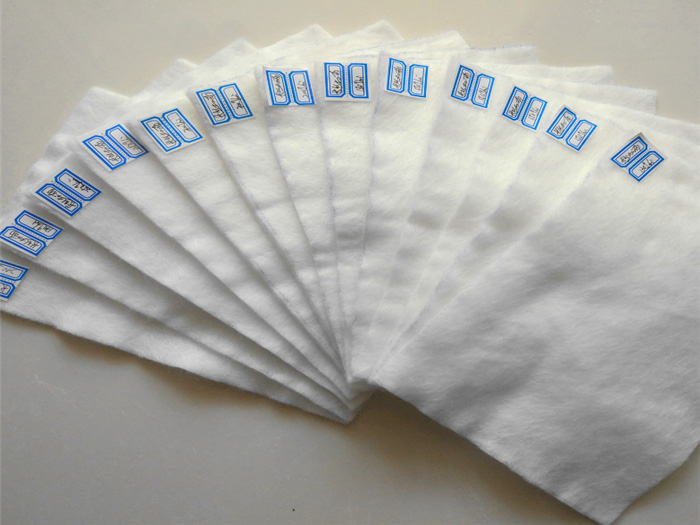
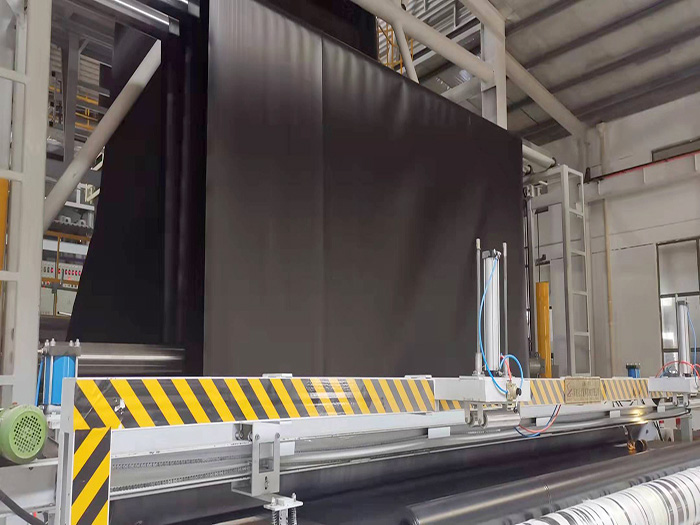
Polyester slices are melted at high temperatures and extruded through a precision screw extruder. We blend in stabilizers, carbon black, and UV inhibitors to ensure excellent weathering resistance.
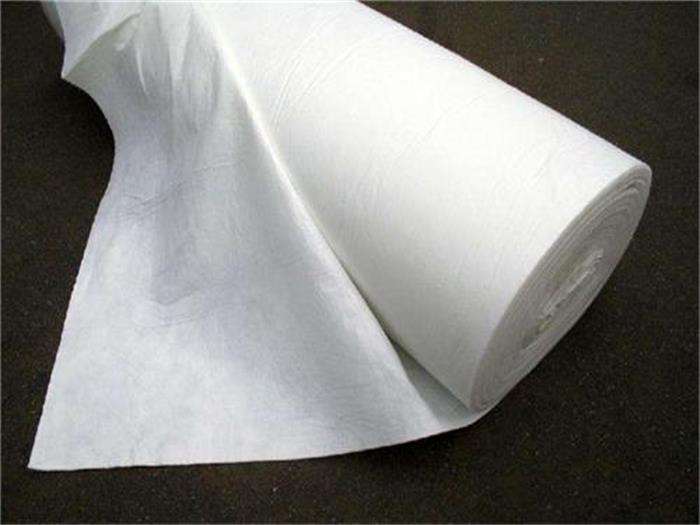
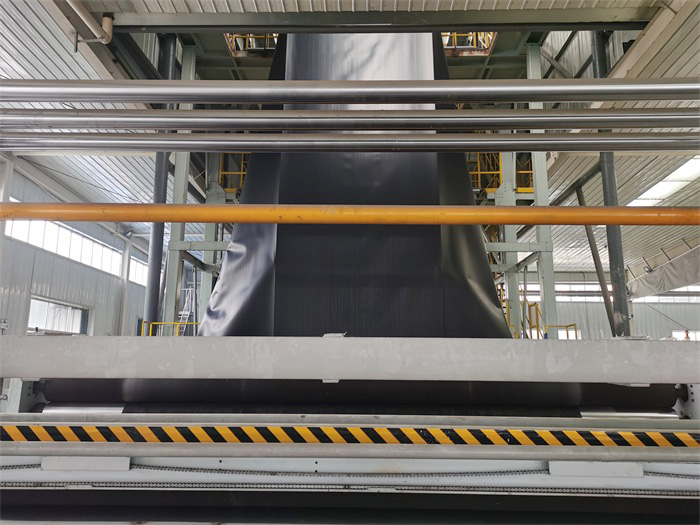
The molten polymer is extruded through fine spinnerets, forming continuous filaments. These are deposited on a conveyor belt to build a uniform, isotropic network with multi-directional strength.
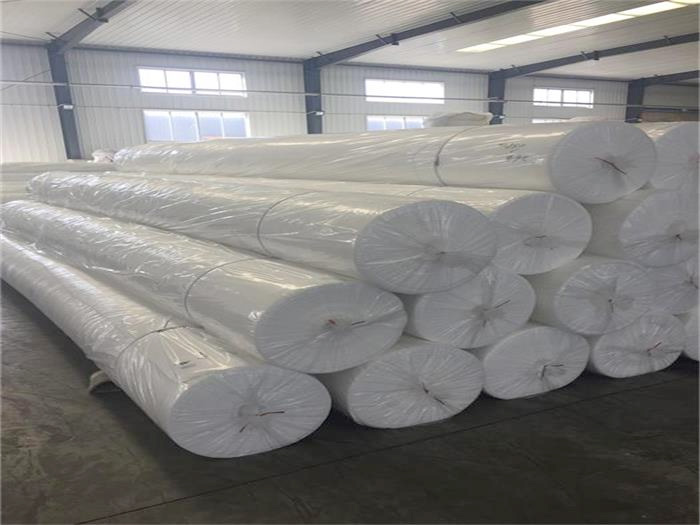
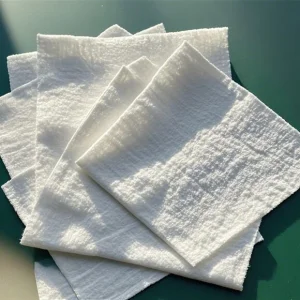
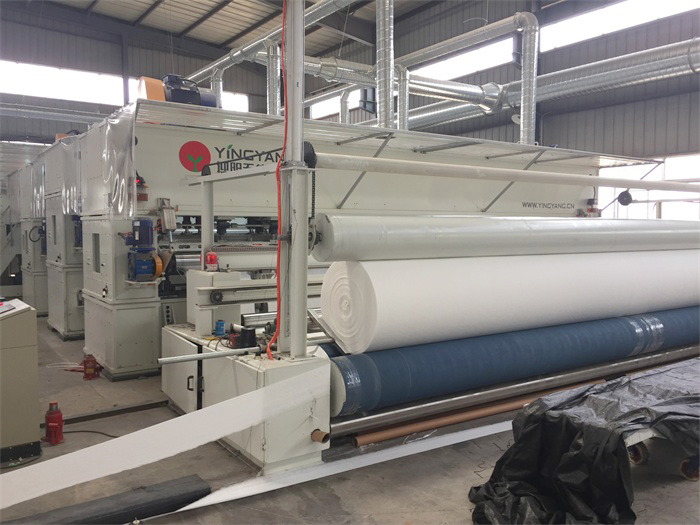
The loose web is mechanically consolidated using thousands of high-speed needles. This interlocking process yields a robust, three-dimensional structure with high tensile strength and permeability.
Cured geotextiles are rolled, measured for length, width, and thickness uniformity, and sealed in protective, UV-resistant packaging to prevent weathering before on-site installation.
Every production batch is tested in our quality center. We evaluate grab tensile strength, tear resistance, puncture resistance, and water permeability. Only certified rolls are cleared for shipping.
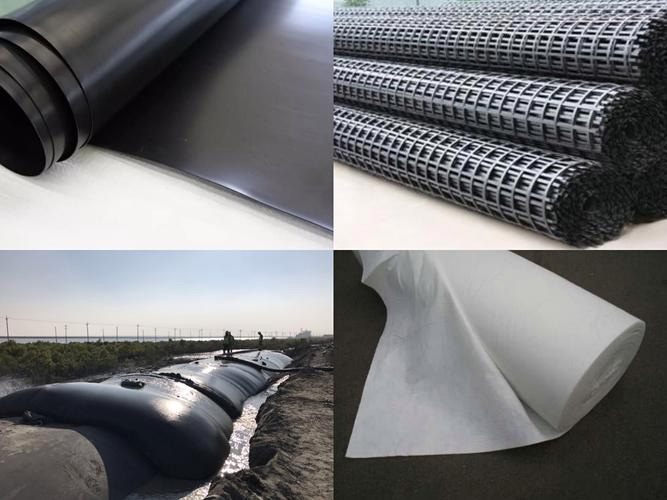
An exceptional geotextile is only as good as its execution on site. To ensure maximum performance in hydraulic and civil projects, engineers must adhere to standardized application guidelines:
Select the material chemistry and thickness based on the project's physical demands. For aggressive, rocky slopes, thick non-woven geotextiles (≥ 400g/m²) serve as protective cushions. For municipal waste isolation, geomembranes ranging from 1.0mm to 2.0mm provide robust containment.
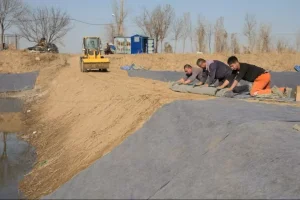
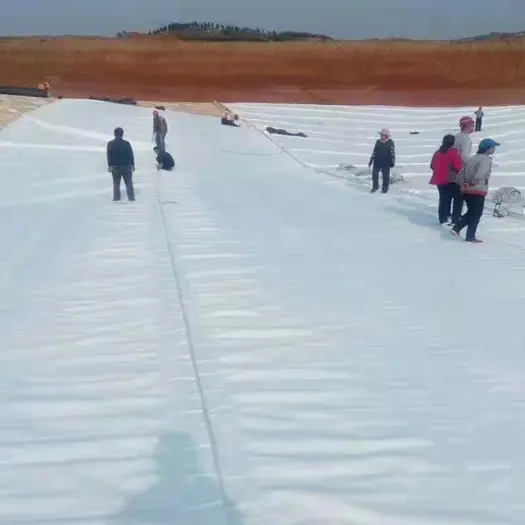
Prior to deployment, the subgrade must be compacted and cleared of sharp rocks, roots, or debris. Unroll the geosynthetic panels parallel to the slope direction. Overlaps should range between 300mm and 500mm, with joints hot-wedge welded or sewn to prevent slippage under soil loads.
Regular visual inspections help identify localized stress concentrations or mechanical damage. Clean sediment buildup from surface drainage outlets to maintain design flow rates and prevent hydrostatic pressure accumulation.
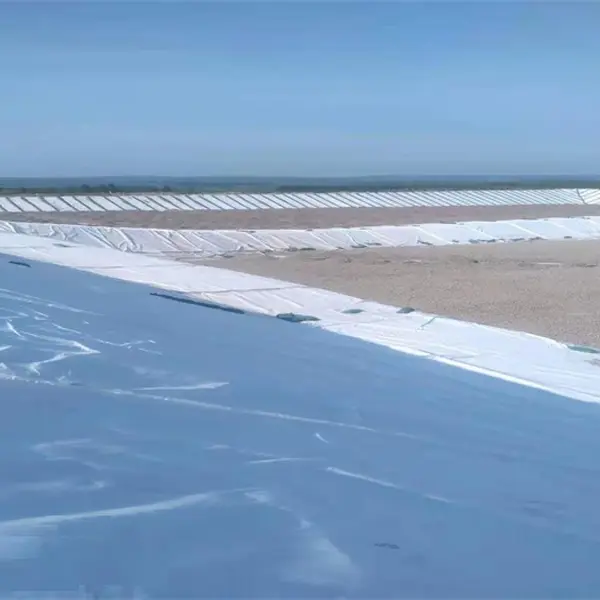
A visual showcase of our advanced production lines, quality certifications, and global project footprints.
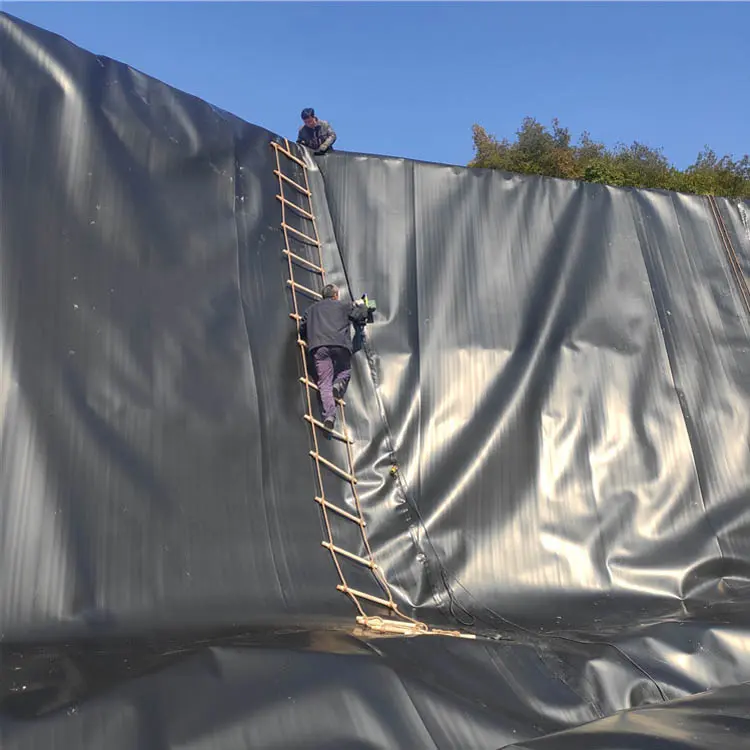
Procuring geosynthetic materials for large-scale projects involves navigating complex logistical, regulatory, and quality control landscapes. Below are the key purchasing challenges faced by procurement departments, along with strategic guidelines to mitigate risks:
Many suppliers advertise high nominal values that fail to hold up under independent, third-party laboratory verification. A mismatch in tensile strength, puncture resistance, or UV durability can compromise the structural integrity of the slope.
Our Solution: Shandong Hongyue provides certified test reports from the China National Testing Center for every production batch. All products pass the national quality supervision and sampling inspection commissioned by the State Administration of Quality Supervision and Inspection.
Geotextiles are often exposed to direct sunlight for weeks during installation. Without UV-resistant additives, polymers degrade rapidly, losing up to 50% of their design strength before burial.
Our Solution: We blend high-grade carbon black and hindered amine light stabilizers (HALS) into our raw melt. This guarantees a minimum strength retention of ≥ 70% even after 500 hours of continuous UV exposure, protecting your investment.
The next generation of slope protection is eco-active. Innovations are shifting toward three-dimensional geotextiles embedded with natural seeds, fertilizer, and moisture-retaining polymers. Once installed, these materials protect the slope from immediate erosion while nurturing a dense root network. This hybrid approach blends synthetic strength with nature's own stabilizing systems.
Expert technical answers to the most common questions on slope protection geotextiles.
Woven geotextiles are manufactured by interlacing polymers, giving them high tensile strength and load-bearing capacity, making them ideal for base reinforcement and retaining walls. Non-woven geotextiles are produced by bonding fibers together through needle punching. They offer lower tensile strength but exceptional water permeability, filtration, and separation performance. They are best suited for slope drainage, filter layers, and lining protection.
When properly buried and shielded from direct UV radiation, high-quality virgin polymer geotextiles can last between 50 to 100 years. Factors that influence durability include soil pH, microbial activity, and presence of chemical contaminants. Shandong Hongyue geotextiles are manufactured from chemical-resistant polymers to ensure long-term stabilization in aggressive soil environments.
A reputable manufacturer must hold international quality management certificates like ISO9001 (Quality Management), ISO14000 (Environmental Management), and ISO45001 (Occupational Health & Safety). Additionally, for European markets, CE certification is mandatory. Materials should also be tested by independent agencies to verify compliance with ASTM standards.
Geotextiles offer several key advantages: they are more cost-effective, easier to transport and install, and have a significantly lower carbon footprint. Unlike concrete, which can crack over time due to ground settling and block natural water flow, geotextiles remain flexible, conform to the terrain, allow vegetation to establish, and permit natural drainage.
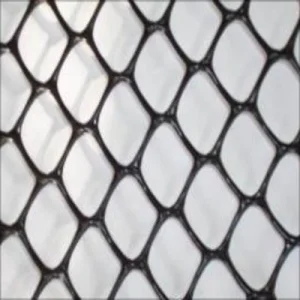
Geocells are three-dimensional honeycomb structures that mechanically confine loose infill material like soil, gravel, or concrete. This confinement prevents soil movement on steep slopes, distributes heavy structural loads, and mitigates surface runoff erosion. Combining geocells with a base layer of non-woven geotextile provides a complete, long-term stabilization solution.
Explore our specialized drainage, filtration, and containment systems optimized for heavy engineering projects.

 Hongyue