Explore our cutting-edge drainage, reinforcement, and barrier products engineered for robust industrial performance.
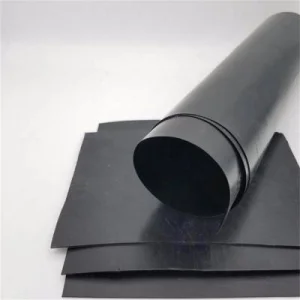
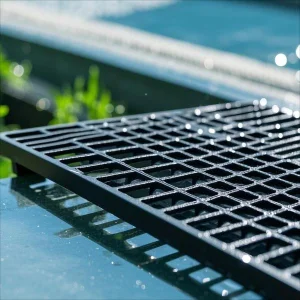
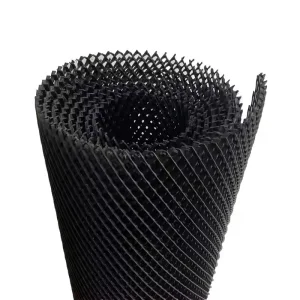
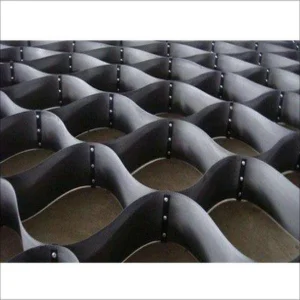
The contemporary global engineering sector is witnessing a dramatic surge in demand for high-integrity water-resistant barriers, primarily driven by stringent environmental protection legislation, intensive infrastructural modernization, and the vital necessity of containment management. Among these technologies, water-resistant blankets—specifically Geosynthetic Clay Liners (GCLs) and Geosynthetic Cementitious Composite Mats (GCCMs)—have established themselves as industry-standard paradigms. Rather than relying on historical, labor-intensive concrete pouring or thick layer compacted clay methods, modern engineering teams specify water-resistant blankets due to their exceptional durability, rapid deployment parameters, and superior impermeability index.
From containment systems in landfills across North America to erosion control initiatives in mountainous European corridors and massive municipal water systems in Asia, GCLs play a critical safeguarding role. The capability of natural sodium bentonite clay to swell up to fifteen times its dry volume in the presence of moisture allows it to form a dense, low-permeability hydraulic barrier that effectively heals mechanical punctures. This unique self-healing performance profile is highly desirable in complex geological zones vulnerable to settlement and seismic shifts.
Consequently, the manufacturing landscape for these specialized containment products has consolidated around advanced facilities capable of maintaining raw material consistency, optimizing mechanical needle-punching density, and offering robust logistics chains. Enterprise procurement teams prioritize long-term performance records, global environmental compliance certifications, and chemical compatibility metrics over basic price metrics.
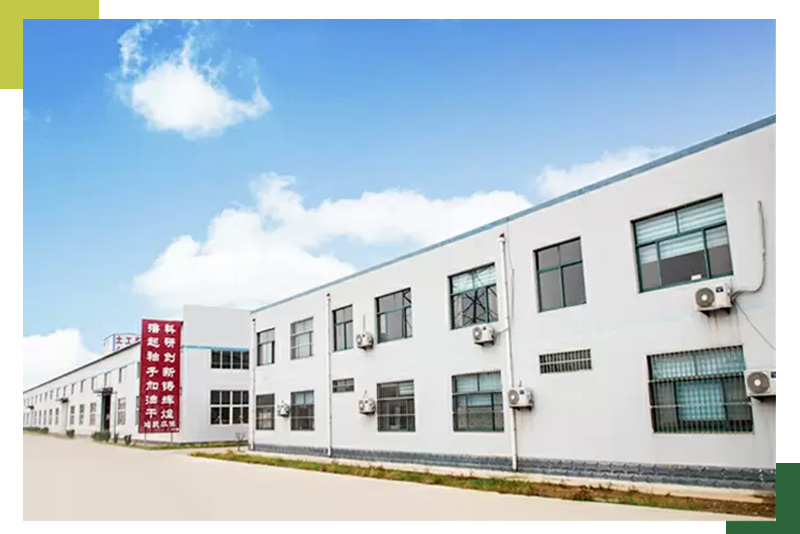
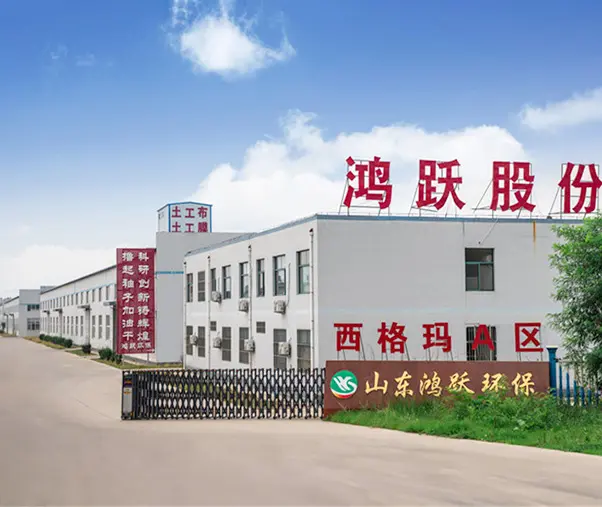
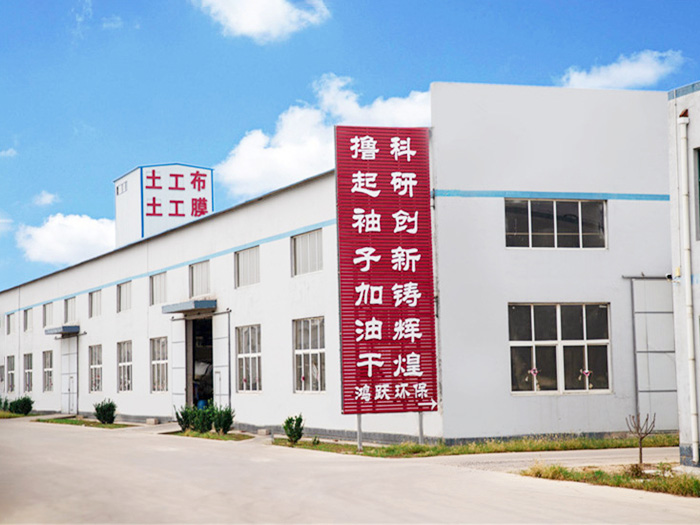
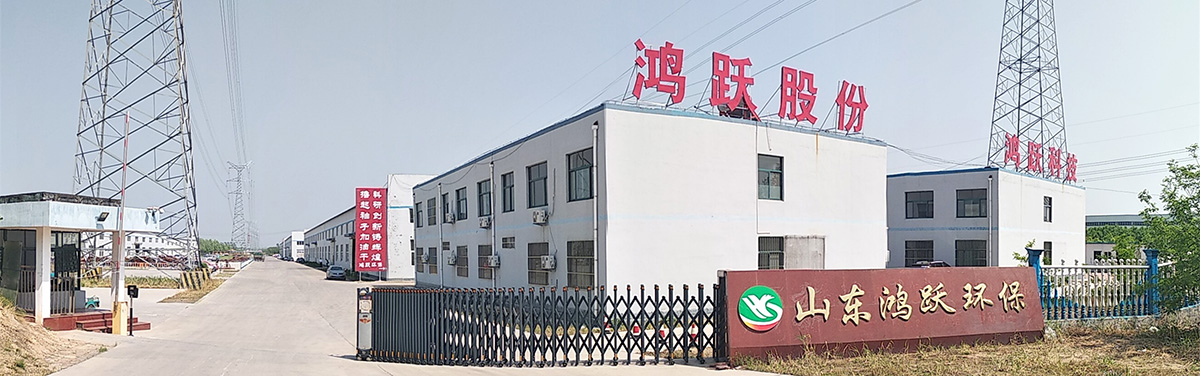
Established as a pioneering force in the geotechnical arena, Shandong Hongyue Environmental Engineering Co., Ltd. is a high-tech manufacturer specializing in the research, design, production, sales, and field construction support of advanced environmental engineering materials. Located at the northern section of Fufeng Street, Lingcheng District, Dezhou, Shandong Province—widely recognized as China’s largest and most advanced production hub for geotechnical materials—our company benefits from exceptional logistics connectivity and localized industrial synergy.
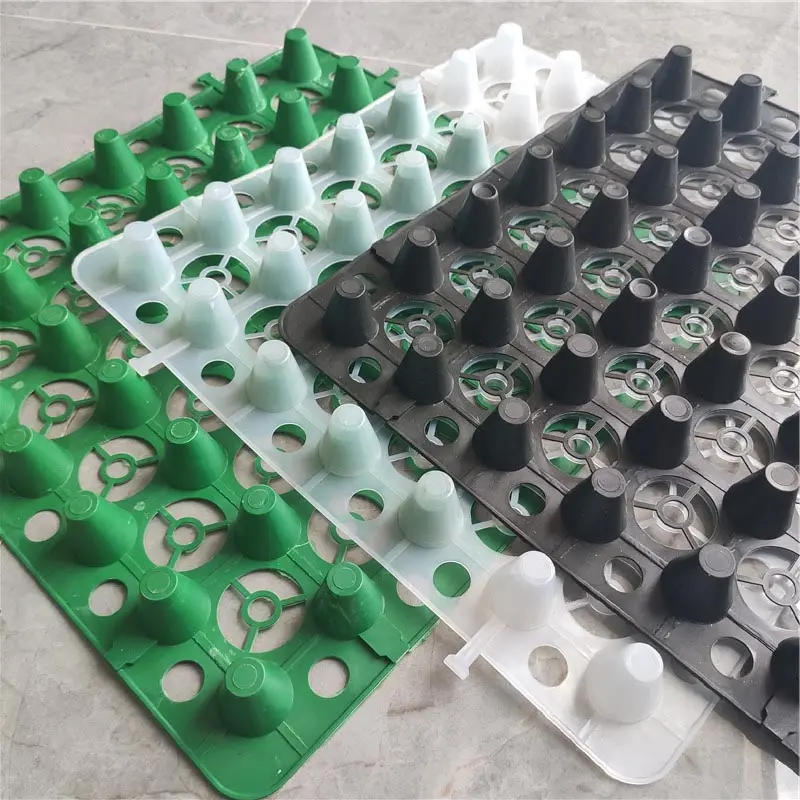
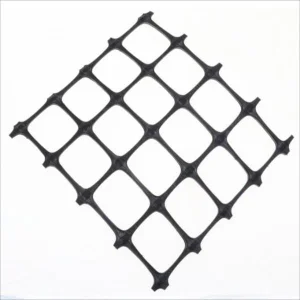
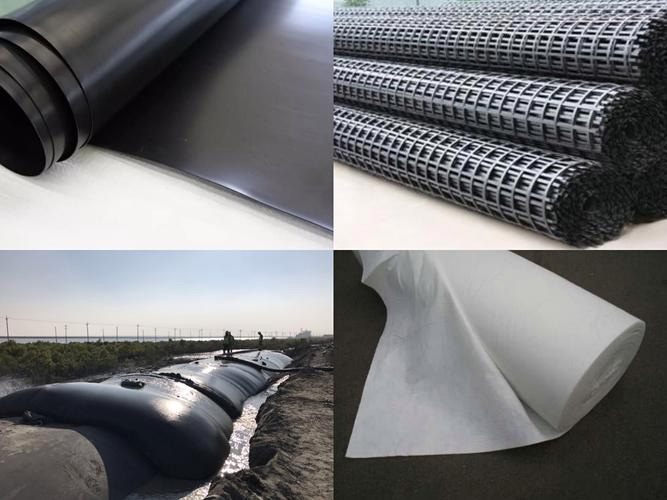
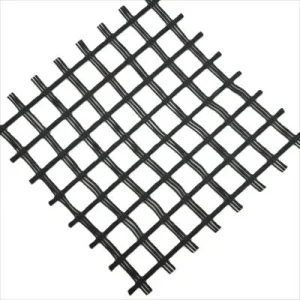
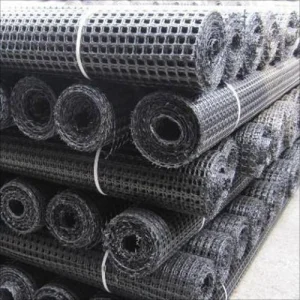
Formally registered on April 6, 2023, with a robust capital base of 105 million yuan, Shandong Hongyue has rapidly scaled its production facilities to meet the stringent demands of global infrastructural developments. Our expansive portfolio spans across high-grade geotextiles, geomembranes, composite geomembranes, waterproof boards, bentonite waterproof blankets, 3D composite drainage networks, (composite) drainage boards, woven geogrids, ecological bags, and anti-seepage cement blankets.
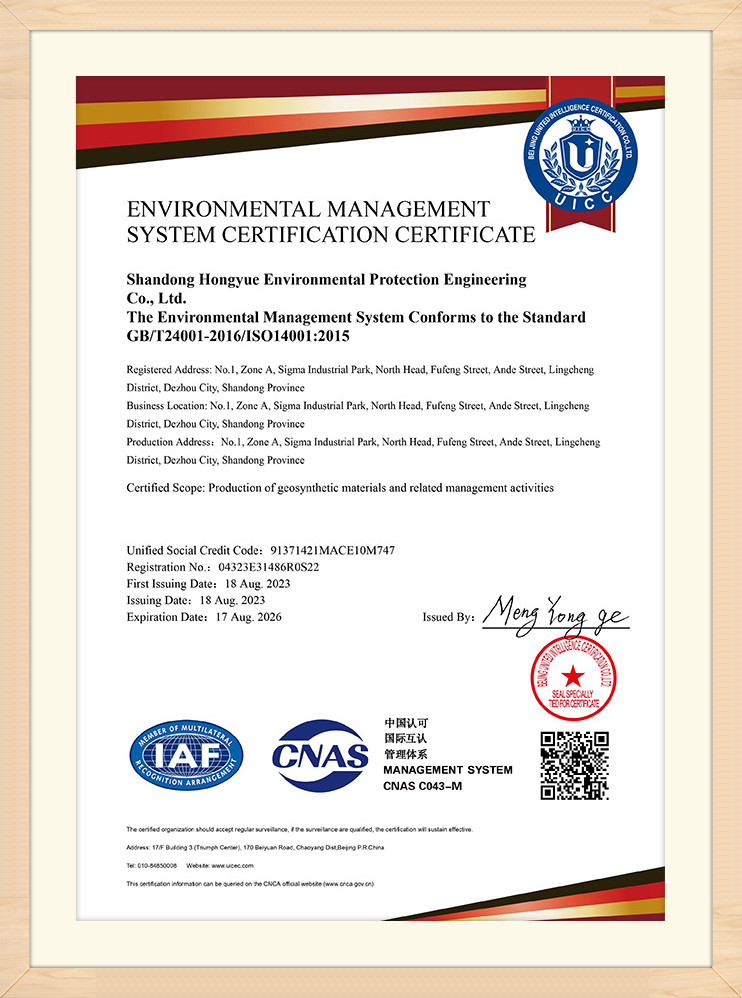
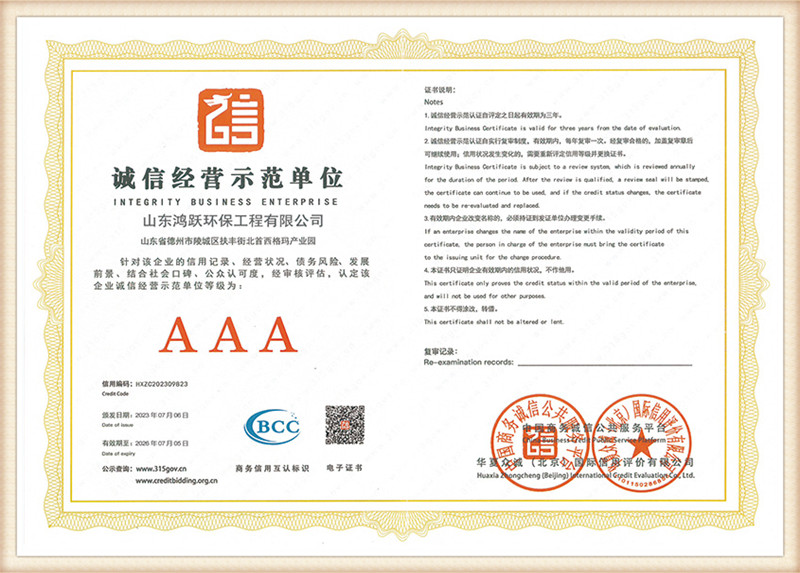
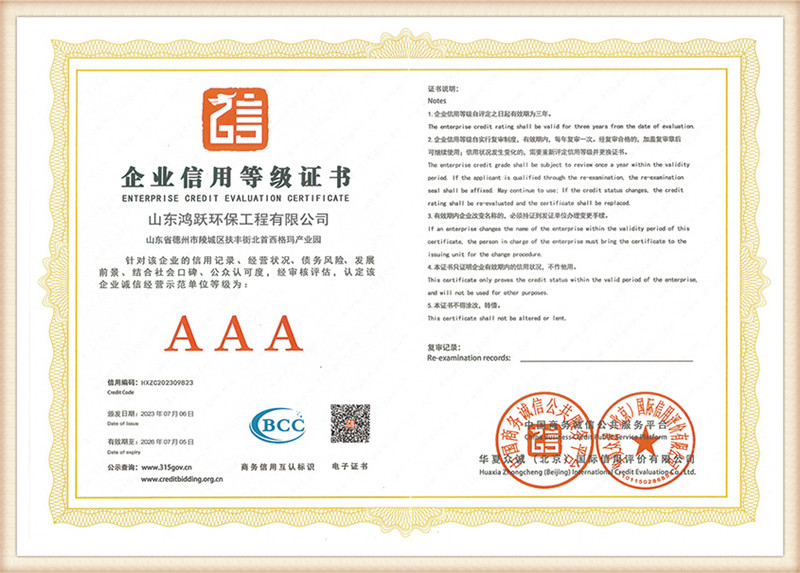
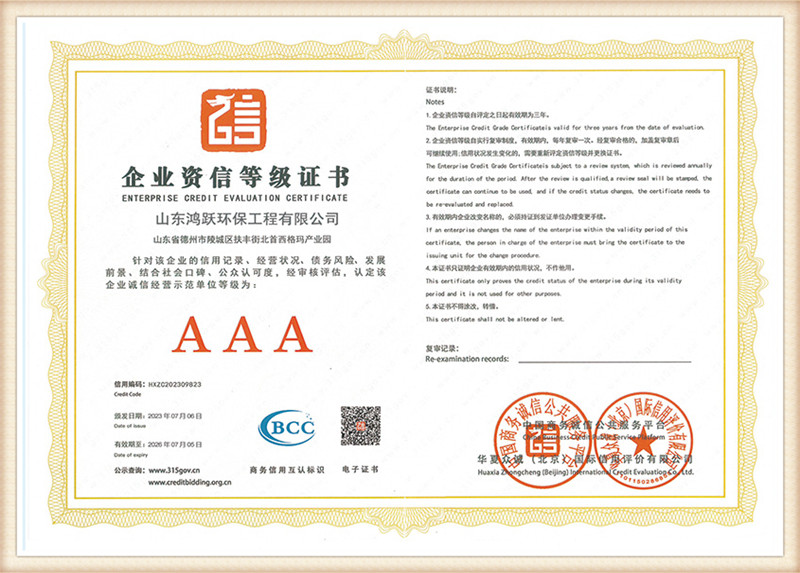
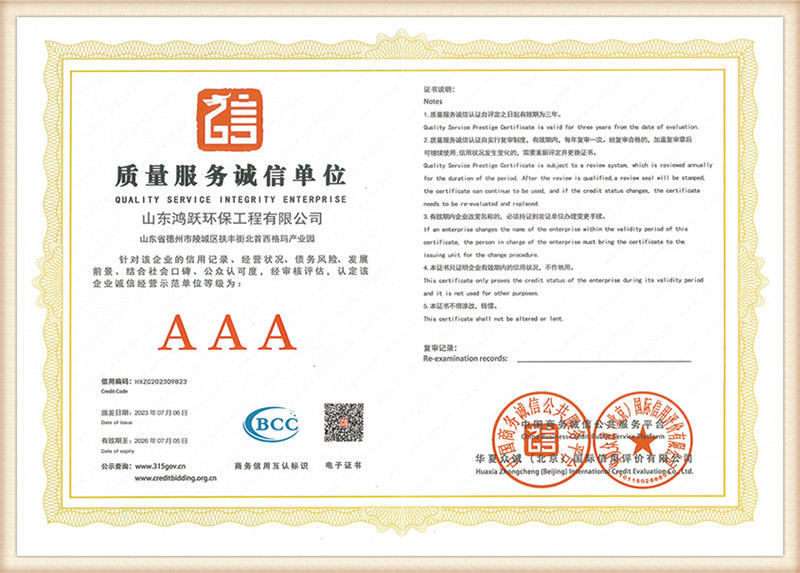
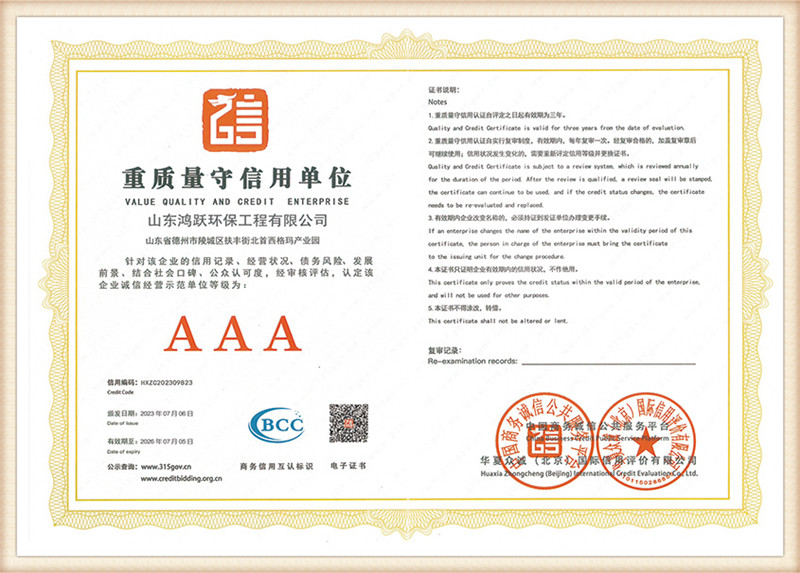
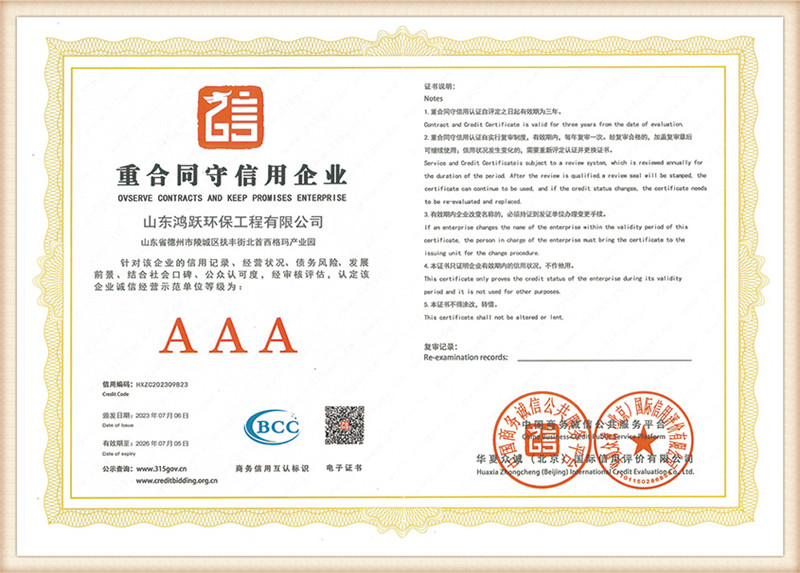
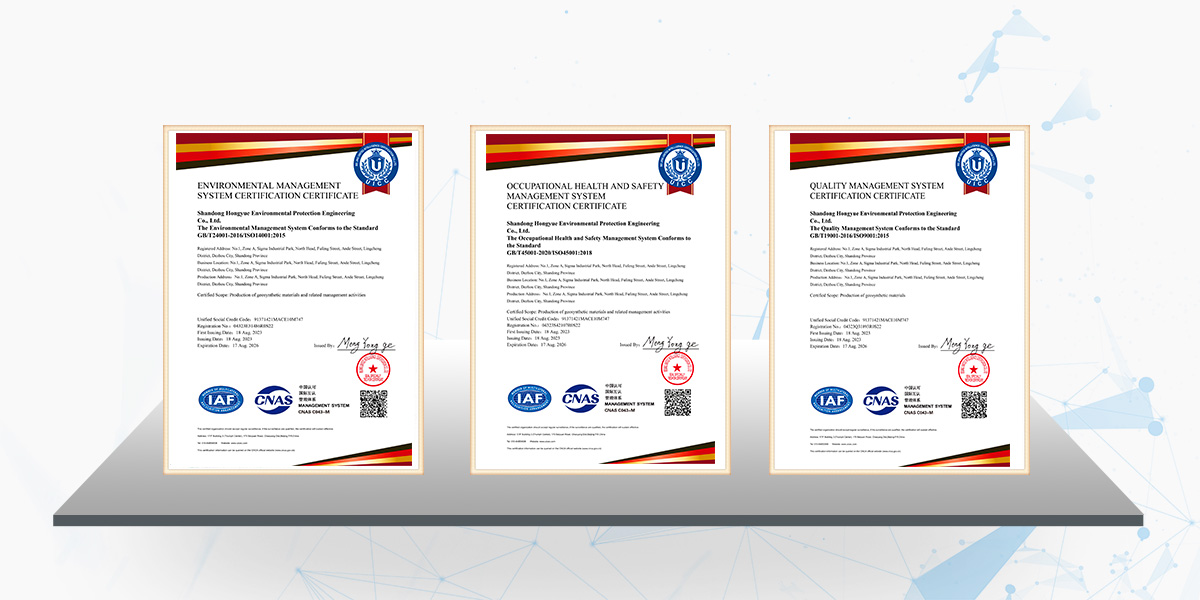
Our quality management systems are fully certified under the ISO9001 international quality management system, the ISO14000 environmental management system, and the ISO45001 occupational health and safety standard. Recognized with multiple prestigious provincial honors, including "Green and Environmentally Friendly Building Materials Products" and "Famous Chinese Brand", Shandong Hongyue products are deployed across critical national and international infrastructure projects spanning Europe, the Americas, Australia, and East Asia.
Why international EPC contractors choose Shandong Hongyue as their long-term supply chain partner.
We operate continuous high-density needle-punching lines that guarantee uniform distribution of high-purity sodium bentonite between geotextile layers, preventing raw material shifting and minimizing hydraulic leakage vulnerabilities.
Our raw bentonite is analyzed for swell index and fluid loss before going into production. Finished rolls undergo non-destructive thickness testing and ASTM-compliant tensile tests at our in-house national-grade test facility.
We provide comprehensive engineering support, ranging from site design consulting to custom wedge welding and field deployment assistance. This single-source responsibility mitigates performance risks for contractors.
"Through massive capital investments, Shandong Hongyue has achieved complete vertical integration. This ensures that every GCL roll shipped meets strict design thickness parameters while minimizing lead times for global projects."
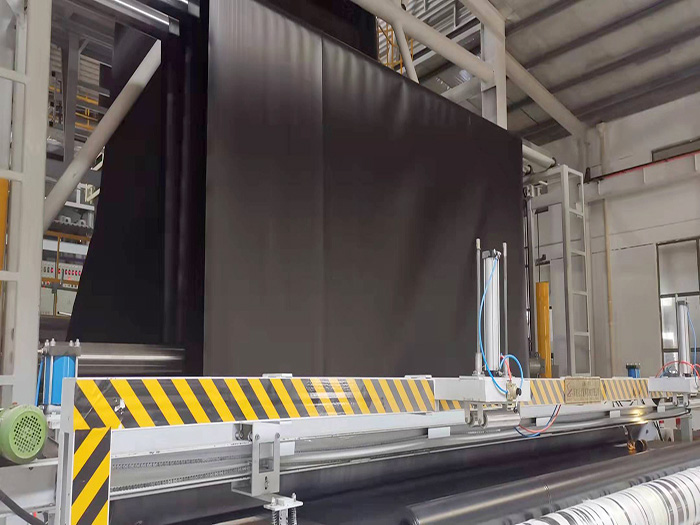
A comprehensive review of GCL and Cement Blanket structural profiles and hydration characteristics.
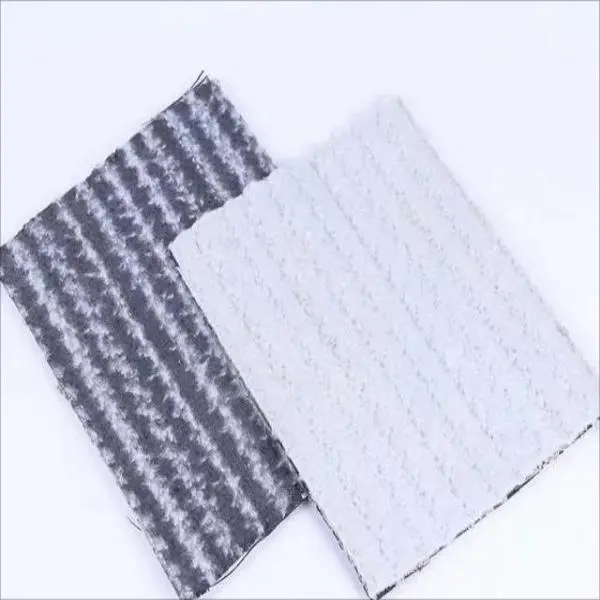
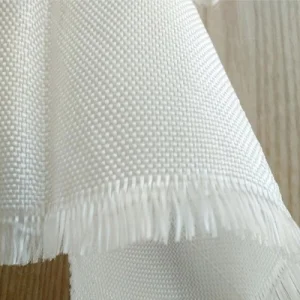
Our GCLs consist of a uniform layer of natural, high-swelling sodium bentonite clay encased between a heavy non-woven geotextile and a woven carrier geotextile. The composite layers are needle-punched together with high-tensile fibers. This lock-stitch needle-punching process transfers shear strength throughout the composite matrix, preventing the clay layer from slipping on steep slopes, even when completely hydrated.
When exposed to water, the sodium bentonite hydrates and expands against the surrounding geotextiles. This expansion is contained by the geotextile confinement, resulting in a dense, self-sealing clay barrier with a hydraulic conductivity of less than $5 \times 10^{-11} \text{ m/s}$. This makes GCLs ideal for landfills, waste containment, and groundwater protection barriers.
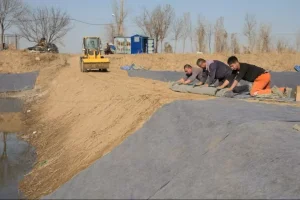
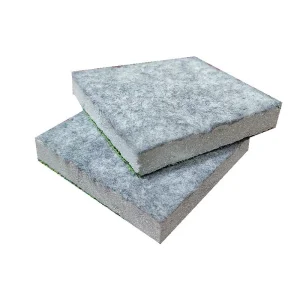
The anti-seepage cement blanket (also known as a Concrete Canvas or GCCM) is an innovative materials technology that combines structural geotextiles and dry cementaceous compound mixes. The composite is reinforced with a 3D fiber matrix, which locks in the dry cement powder and guarantees uniform water penetration during hydration.
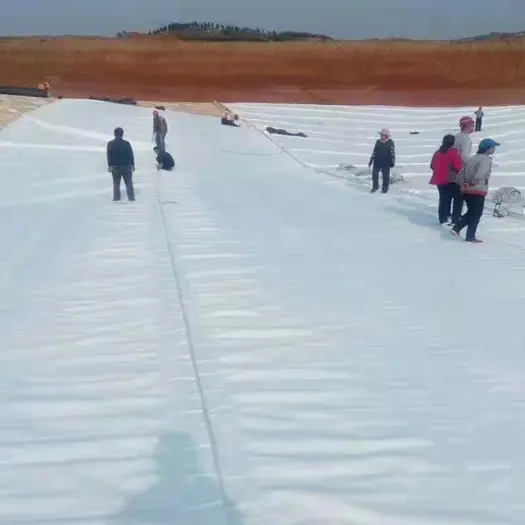
Once unrolled and hydrated, the cement blanket cures into a thin, durable, fiber-reinforced concrete layer that is highly resistant to water infiltration, freeze-thaw cycles, and chemical exposure. It is widely specified for rapid slope stabilization, ditch lining, and agricultural canal linings, replacing traditional concrete pouring methods with a cleaner, faster installation process.
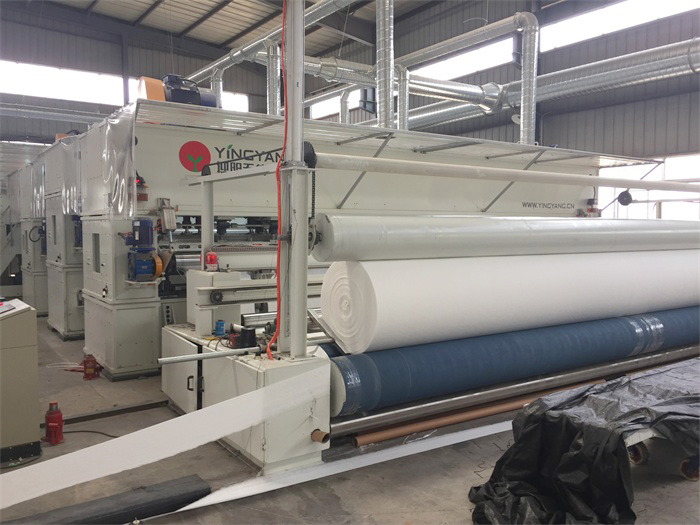
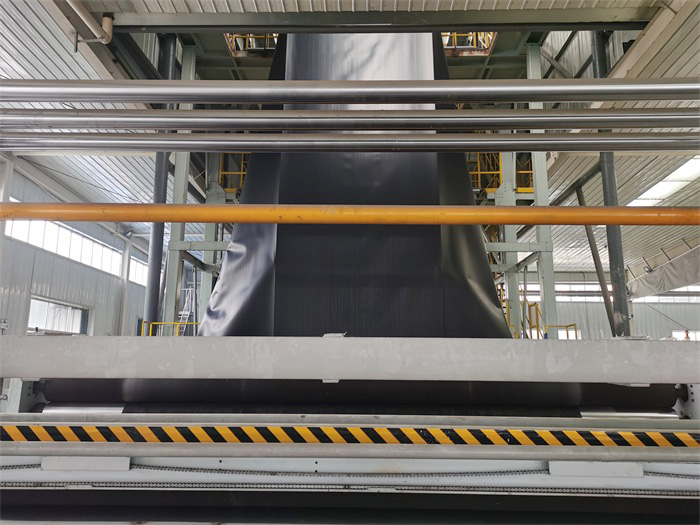
A step-by-step review of our integrated manufacturing process, from raw polymers to certified waterproof rolls.
Our raw materials include high-quality polyester chips, polypropylene filament, viscose fiber, and selected sodium bentonite clay. Every batch is rigorously inspected to ensure it meets our strict mechanical and environmental standards before entering the production line.
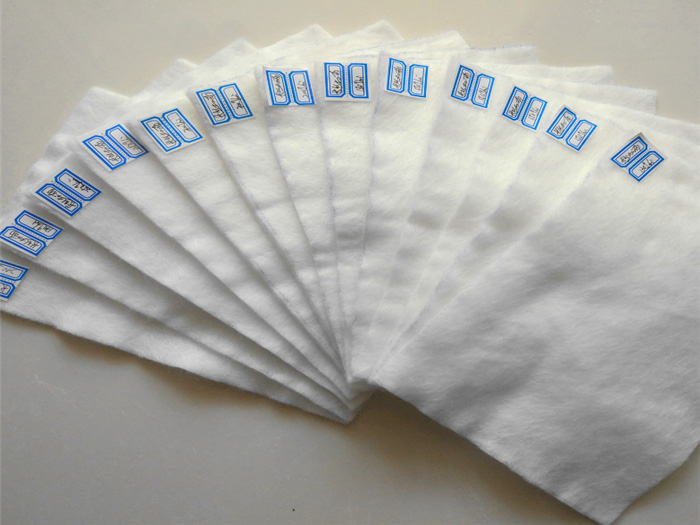
Polyester chips are heated to a molten state in a screw extruder, and polypropylene filament is added to the mix. The temperature, pressure, and flow rates are carefully monitored to produce a consistent molten blend.
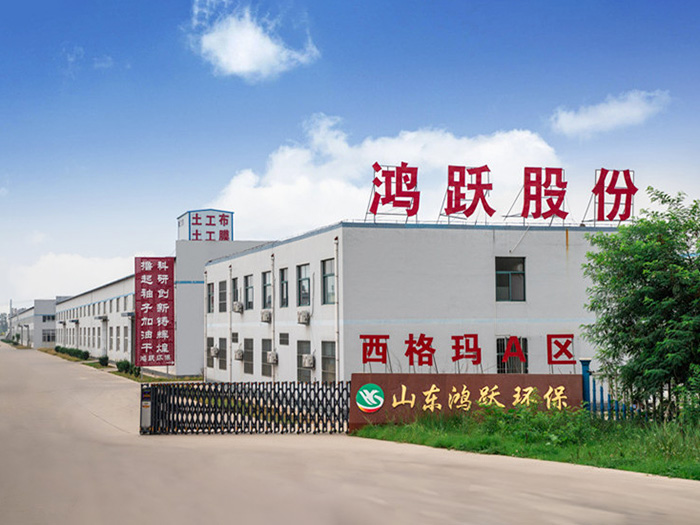
The molten polymer is extruded through spinnerets to form continuous micro-filaments. These filaments are cooled and distributed across a conveyor belt to form a uniform web. Web thickness and fiber orientation are continuously measured to ensure uniform mechanical properties.
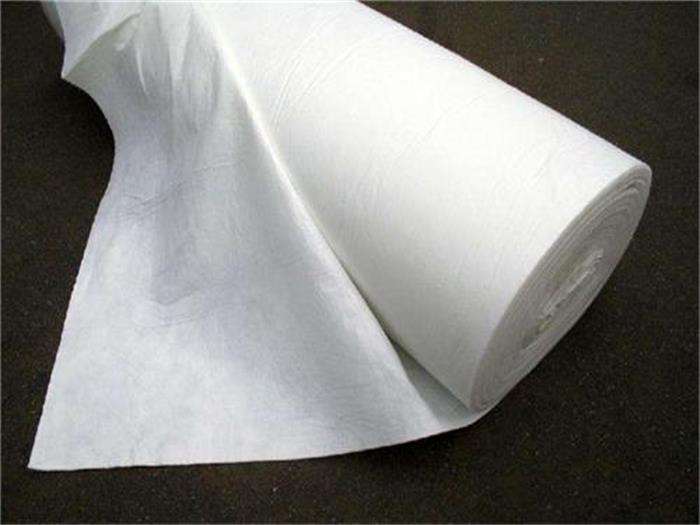
The structured fiber web is needle-punched using high-density barb needles. This process physically locks the fibers, creating a strong mechanical bond. The web is then thermally cured to set its final tensile strength and hydraulic properties.
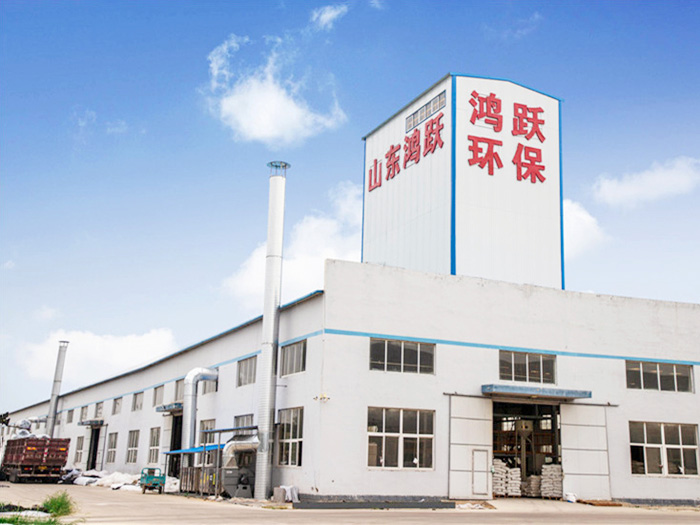
The cured geotextiles are rolled and packaged onto heavy-duty cores. Rolls are wrapped in UV-resistant protective sleeves and labeled with batch numbers for tracking. Roll length, width, and thickness are confirmed before shipping.
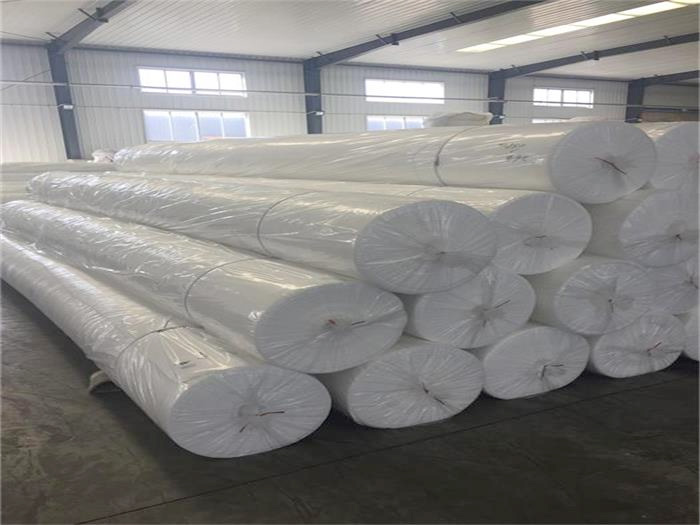
We test samples from every production run for fluid loss, swelling index, tensile strength, and hydraulic conductivity. Only rolls that meet or exceed ASTM and national standards are approved for shipping.
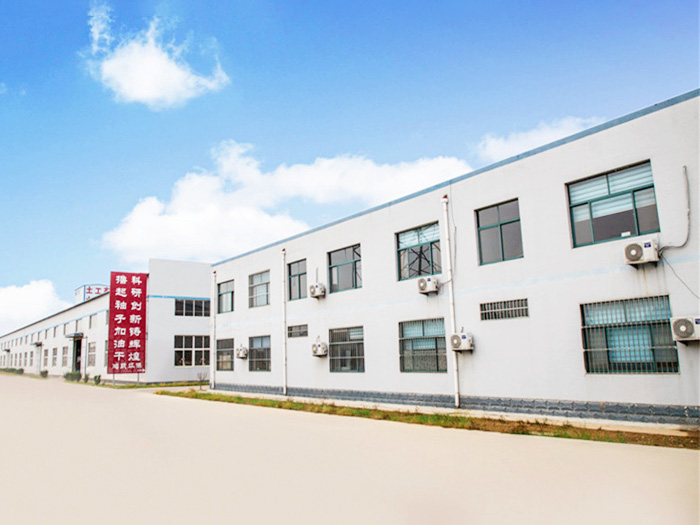
Engineered for high performance in landfills, municipal water infrastructure, and erosion control systems.
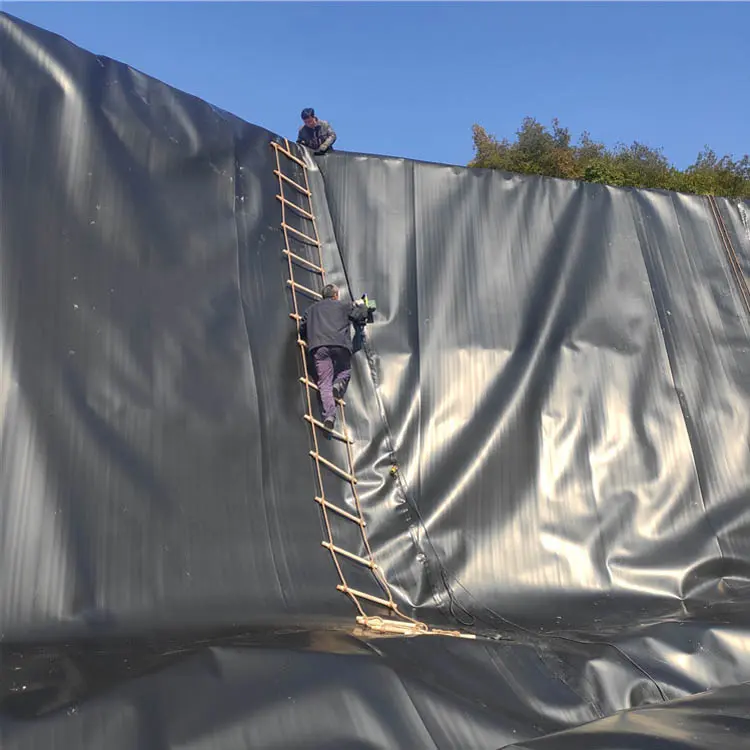
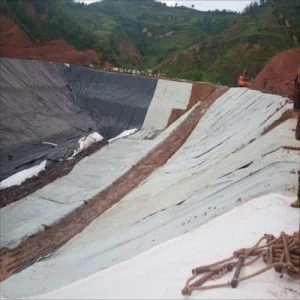
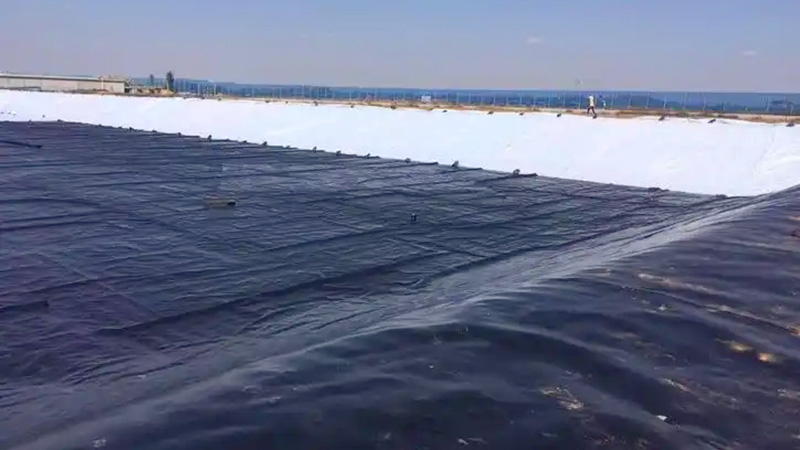
In modern municipal solid waste (MSW) and hazardous waste landfills, preventing landfill leachate from contaminating local aquifers is a critical environmental priority. Our needle-punched bentonite waterproof blankets are commonly specified as part of a multi-layer lining system, paired with high-density polyethylene (HDPE) geomembranes.
This composite lining design offers redundant leak protection. If the HDPE geomembrane is punctured during construction or settlement, the bentonite clay layer hydrates to seal the puncture. GCLs also offer significant installation advantages, replacing thick layers of compacted clay and reducing transport costs and construction footprints.
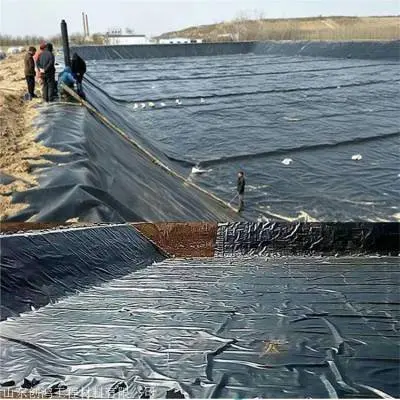
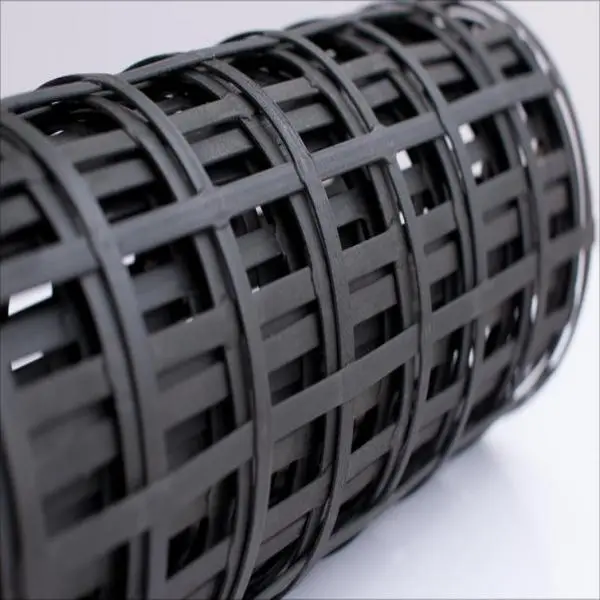
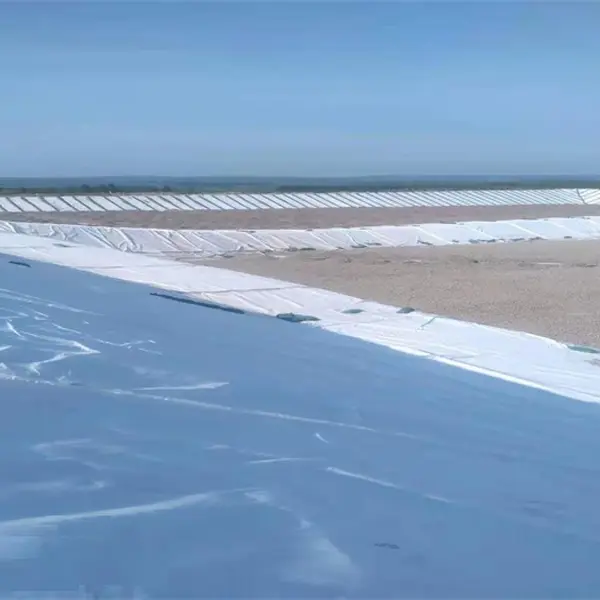
Water loss through soil seepage in agricultural canals and water reservoirs is a major challenge for water management agencies. Our composite water-resistant blankets offer a reliable lining solution for both municipal irrigation networks and industrial reservoirs.
For high-flow channels, installing a concrete-canvas cement blanket provides immediate erosion control and seepage protection. The cured concrete layer withstands high velocities and prevents vegetation growth, while remaining flexible enough to adapt to changing ground conditions without fracturing.
Water infiltration in tunnels, subways, and highway retaining walls can lead to structural damage and safety risks. Our bentonite waterproofing blankets are installed behind tunnel liners and concrete retaining walls to manage underground water pathways. The swelling properties of bentonite create a continuous water barrier, protecting structural elements from water-related degradation and freeze-thaw cycles.
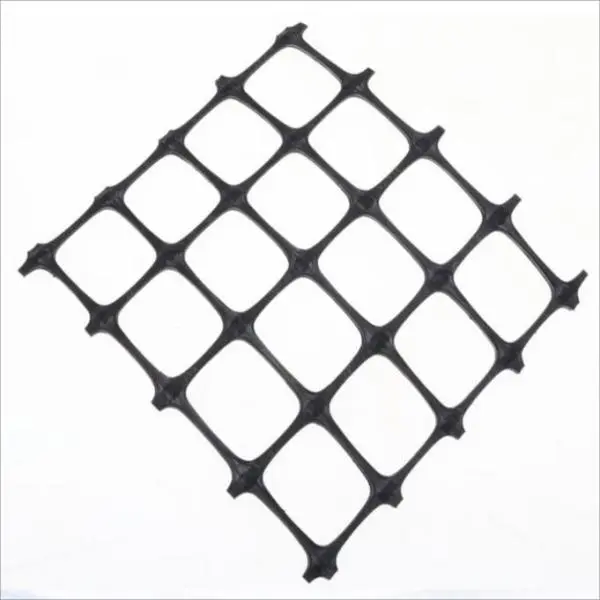
How composite barriers and geomembranes protect infrastructure and manage water flow.
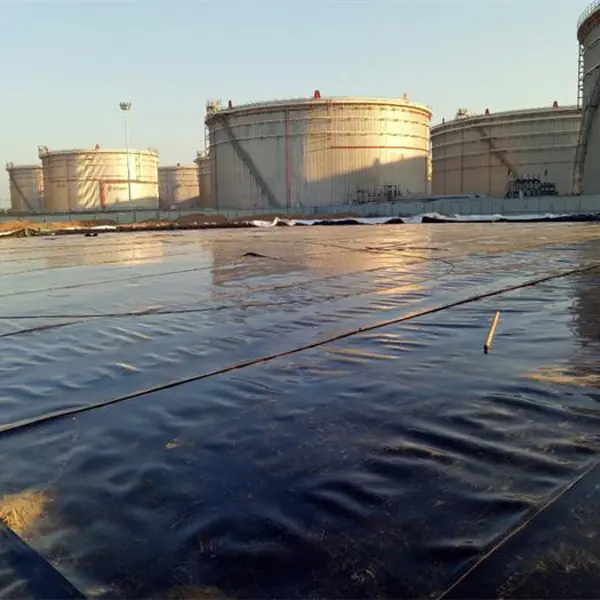
Reservoirs built in rugged valleys or low-lying areas often face complex geological conditions. Seepage through the reservoir bed or abutments can compromise dam safety. Installing high-durability geomembranes and GCL barriers helps contain water within the reservoir, enhancing structure stability and efficiency.
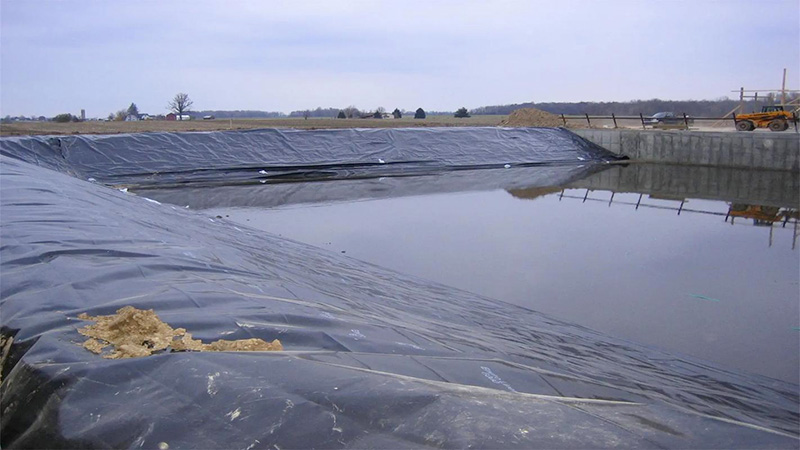
Flood control levees protect downstream agricultural and urban areas. Internal erosion or piping through the levee body is a common failure point. Integrating a geomembrane barrier into the design cuts off internal water paths, reinforcing the levee against erosion during high-water events.
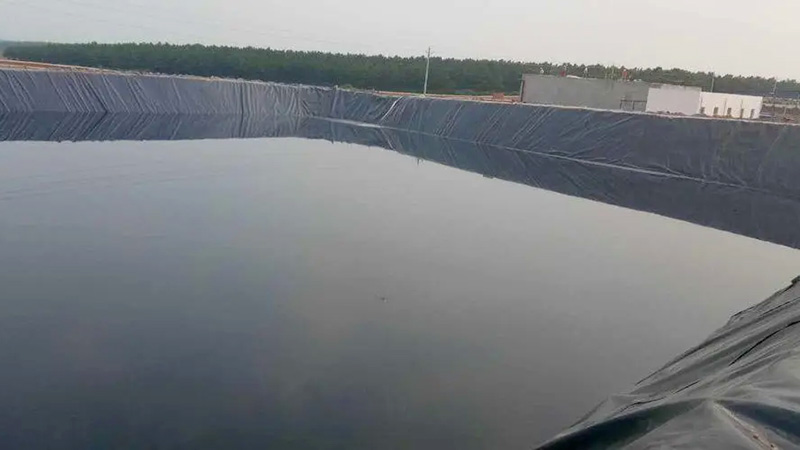
Managing urban river channels requires both environmental care and erosion protection. Uncontrolled seepage can dry up surface channels or flood nearby basements. Deploying GCLs and geomembranes in the channel bed regulates water levels, supports local ecosystems, and protects municipal foundations from water damage.
EPC contractors and municipal engineers must evaluate key performance metrics when sourcing GCLs or cement blankets for international projects:
1. Bentonite Swell Index (ASTM D5890): Premium GCLs require a swell index of at least $24 \text{ mL}/2\text{g}$ to ensure effective self-healing behavior under pressure.
2. Shear Strength Transfer: Needle-punched fibers must firmly lock the woven and non-woven geotextiles. Woven carriers must withstand high shear stresses on steep slopes ($> 15\%$ slopes) without internal sliding.
3. Certification Check: Verify third-party test reports, including CE markings and ISO certifications, to confirm compliance with global quality and environmental standards.
4. Logistics & Storage: GCL rolls are heavy and sensitive to moisture before installation. Partner with manufacturers that provide secure, waterproof packaging and have experience handling global port logistics.
Expert answers to key technical questions about specifying, installing, and testing water-resistant blankets.
Explore our full range of certified environmental barrier and reinforcement systems.
 Hongyue