Explore our top-performing civil engineering materials and drainage systems engineered for durability and high filtration capacity.
Shandong Hongyue Environmental Engineering Co., Ltd., located at the north end of Fufeng Street, Lingcheng District, Dezhou, Shandong Province, is a scientific and technological geotechnical material manufacturer integrating engineering material production, sales, design and construction services. The company was registered in Lingcheng District Market Supervision and Administration Bureau of Dezhou City on April 6, 2023, with a registered capital of 105 million yuan. It is one of the largest production bases of geotechnical materials in China at present, situated in a superior geographical location with highly convenient transport hubs.
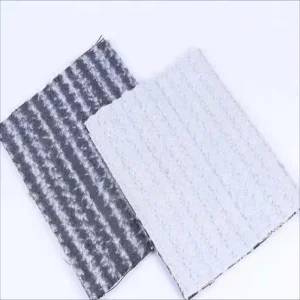
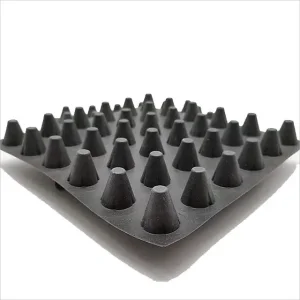
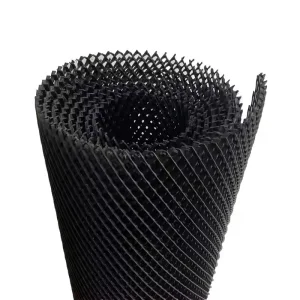
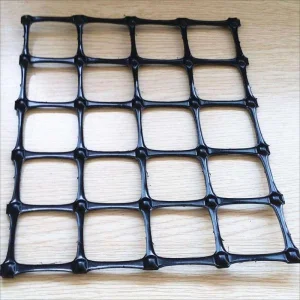
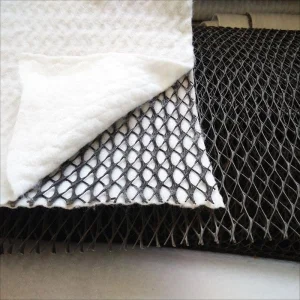
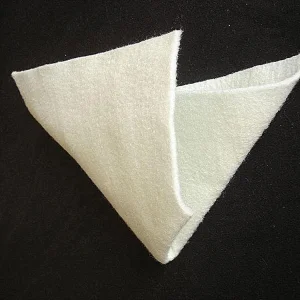
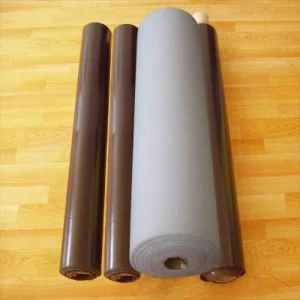
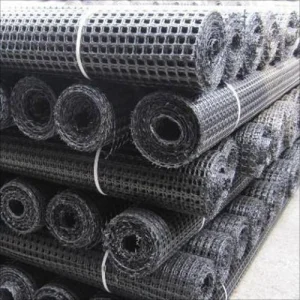
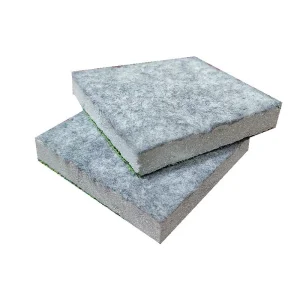
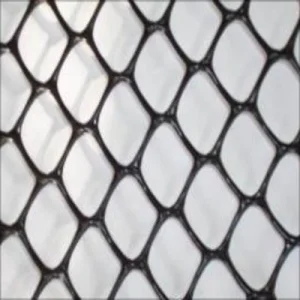
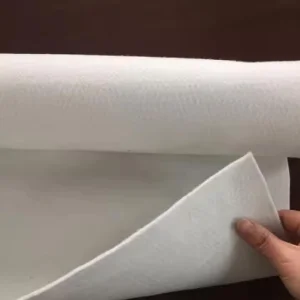
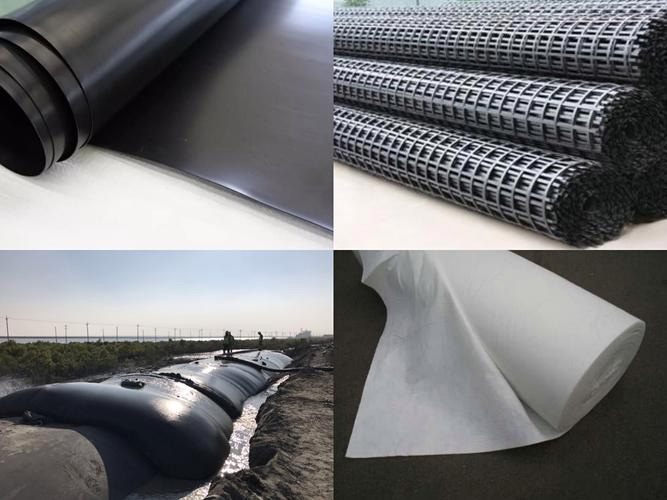
Our business continues to grow and expand. We mainly deal in geotextiles, geomembranes, composite geomembranes, waterproof boards, bentonite waterproof blankets, 3D composite drainage nets, (composite) drainage boards, weaving cloths, woven cloths, membrane bags, blind ditches, waterproof and drainage combinations, woven bags, ecological bags, cement blankets, fiber plant blankets, and flexible pervious pipes. Our products are widely used in highways, railways, bridges, tunnels, reservoir and canal water conservancy projects, artificial lakes, environmental protection, aviation, mining, and agriculture.
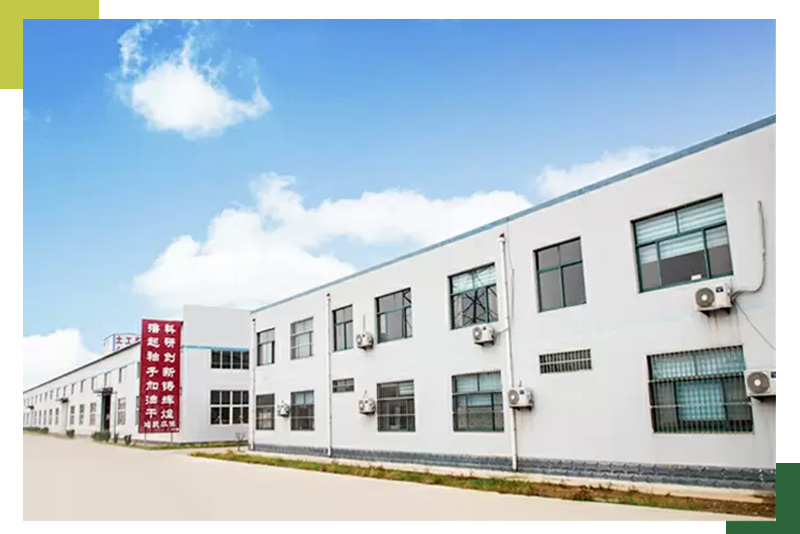
A statistical overview of our manufacturing infrastructure and market reach, ensuring premium product standards globally.
Understanding the micro-climate optimization, water permeability, and durability dynamics of modern weed control barriers.
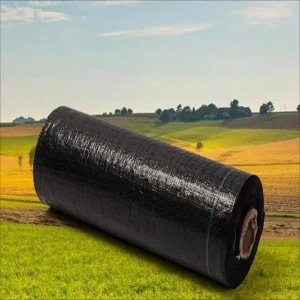
In modern high-yield agriculture, viticulture, and landscaping, managing unwanted weed growth while maintaining soil integrity has historically presented a conflict. Chemical herbicides pose severe environmental risks, run-off contamination, and long-term soil health degradation. Meanwhile, manual weeding is extremely labor-intensive and unsustainable. This is where Grass Proof Cloth (commonly known as weed control fabric, ground cover, or geotextile woven fabric) offers a physical barrier system that operates on light exclusion principles while preserving soil respiration.
Our premium polyethylene (PE) grass-proof cloth is UV-stabilized to withstand intense solar radiation, preventing the synthesis of chlorophyll in weeds by blocking over 99% of photosynthetically active radiation (PAR). Simultaneously, the micro-porous structure maintains high air and water permeability, allowing nutrients and rainfall to penetrate the soil, avoiding root rot, and maintaining optimal soil temperature and moisture levels.
Choosing the correct polymer for your local climate conditions, structural loads, and durability expectations is critical. The table below outlines the core mechanical differences between the two primary materials used globally.
| Engineering Attribute | Polyethylene (PE) Grass Proof Cloth | Polypropylene (PP) Weed Barrier |
|---|---|---|
| UV Degradation Resistance | High (Superior retention of tensile strength under intense sunlight) | Moderate (Requires heavy carbon black/UV package adjustment) |
| Flexibility & Laying Adaptability | Excellent (Soft feel, conforms smoothly to uneven terrains) | Moderate (Stiffer structure, prone to memory-folds) |
| Tensile Strength (Warp/Weft) | Balanced elastomeric properties (High elongation before break) | High ultimate tensile strength (Lower elongation index) |
| Environmental Stability | Excellent resistance to acidic/alkaline soils and chemical run-offs | Good resistance, but more sensitive to volatile organic compounds |
| Lifecycle Expectancy | 5 to 8+ Years (UV-stabilized formula) | 3 to 5 Years |
How Shandong Hongyue ensures structural consistency from polymer chip to finished woven fabric roll.
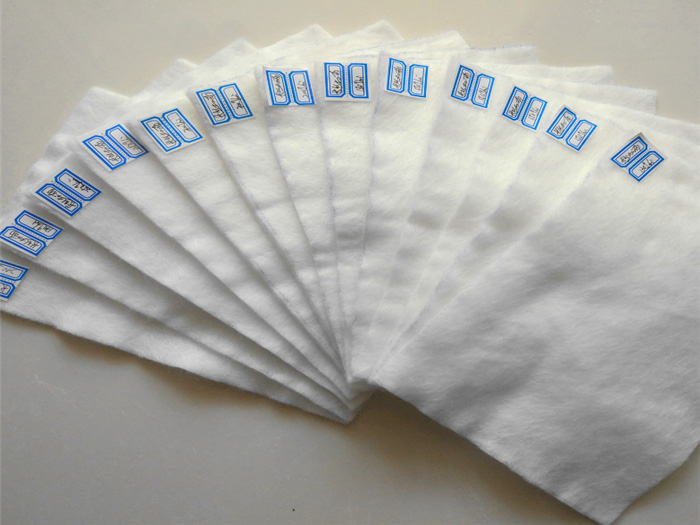
We source virgin polyester chips, polypropylene filament, and viscose fiber. All batches undergo strict quality control to guarantee molecular weight and purity, avoiding contamination that might weaken UV stability.
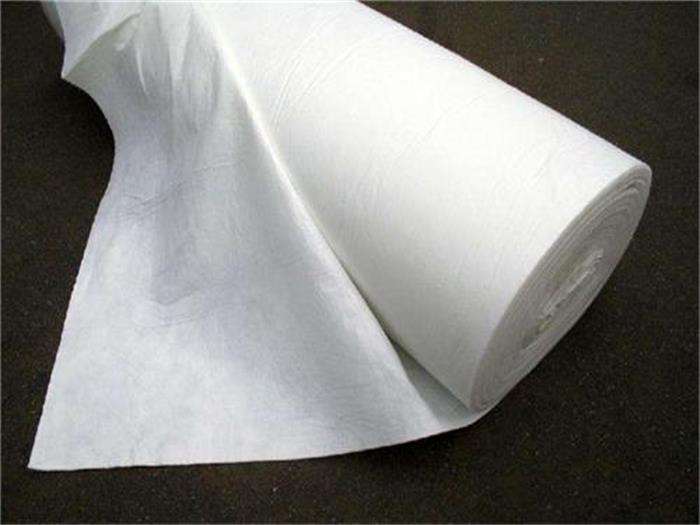
Polyester and polypropylene chips are melted at high temperatures and extruded. In this step, precise heat and pressure controls ensure the molten mix achieves homogenous density before reaching the spinneret.
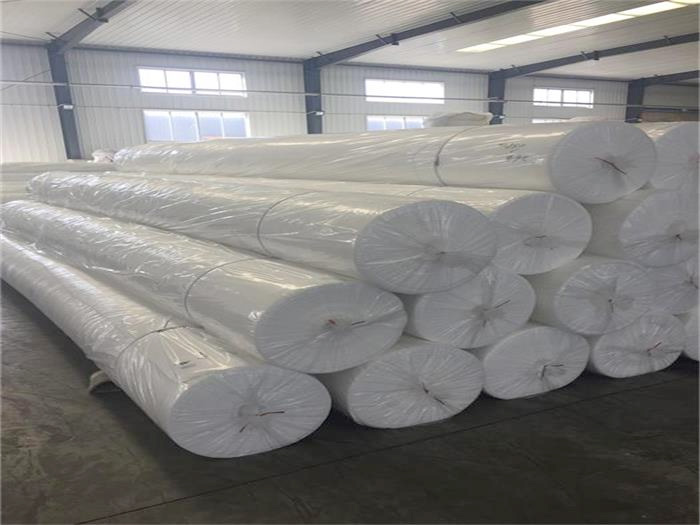
We spray the blend through the spinneret to lay uniform networks or feed them into high-speed circular looms for flat weaving. We stretch and cure the fabric under temperature-controlled rollers to fix its tensile matrix.
Every roll undergoes physical properties testing, chemical degradation evaluation, and dimensional tolerance checks. Only materials passing the inspection of the China National Testing Center are approved for export packaging.
Leveraging geographical proximity, massive manufacturing capacity, and integrated industrial clusters.
Situated in Lingcheng District, Dezhou, Shandong Province, we operate in the heartland of China's geosynthetic manufacturing ecosystem. This local cluster allows us to source raw inputs at lower costs and tap into decades of technical expertise.
With direct highway and rail connections to major maritime terminals like Qingdao Port and Tianjin Port, we minimize inland transit times, guarantee container availability, and lower outbound transport costs for international purchasers.
Backed by a registered capital of 105 million yuan and highly automated processing systems, we handle large volume orders for national infrastructure and agricultural enterprises, providing custom dimensions, weights, and color markers.
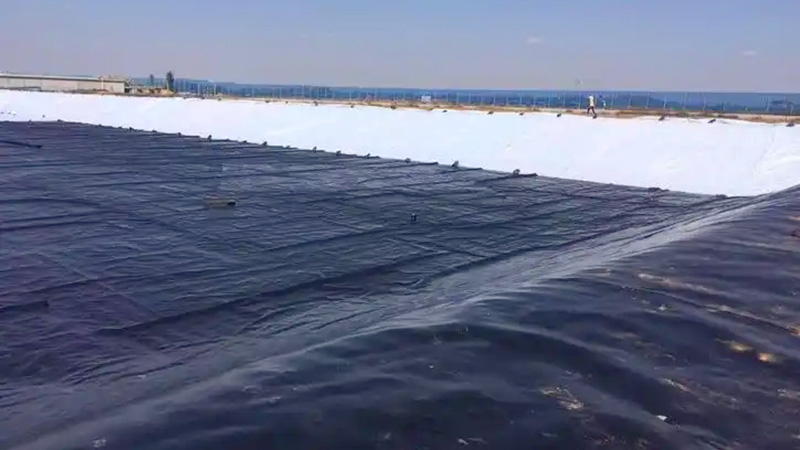
To maximize the lifetime and barrier performance of grass-proof cloths and geomembranes, correct installation is essential. We advise our clients to follow standard engineering procedures during installation:
How our material systems are deployed to protect critical municipal infrastructure and agricultural reserves.
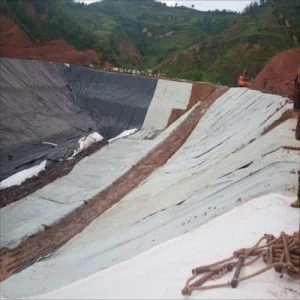
Geomembranes and high-durability woven fabrics work hand-in-hand as efficient barrier systems in civil and hydraulic projects. Our integrated supply systems focus on anti-seepage, environmental protection, and structural reinforcement. Below are the primary deployment pathways for our hydraulic engineering products:
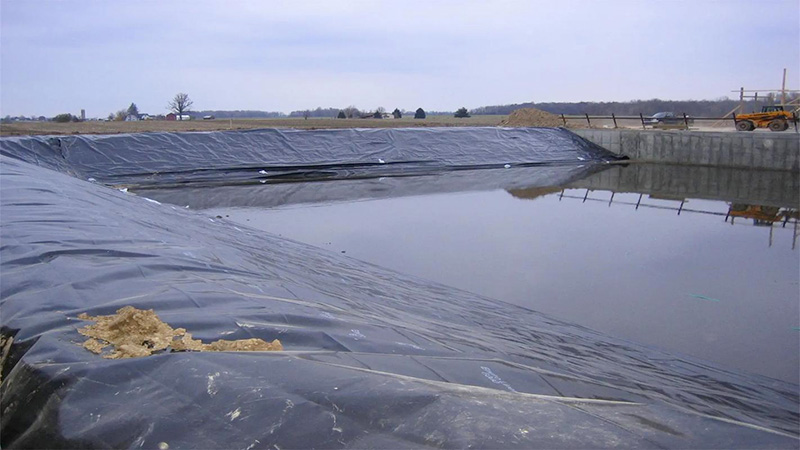
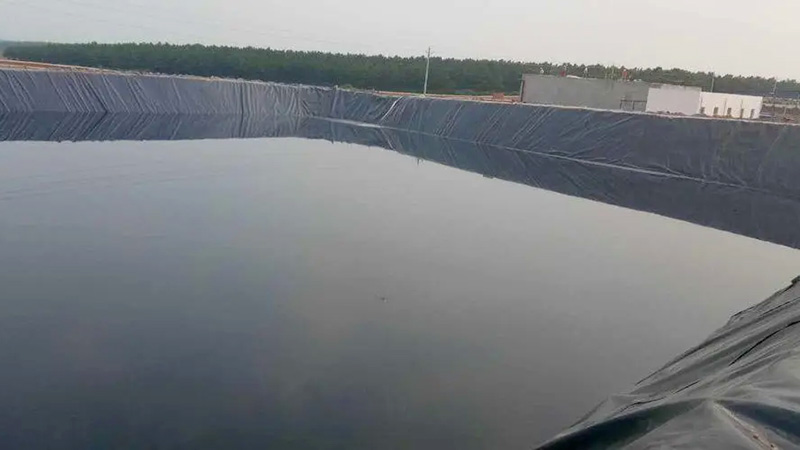
Reservoirs built in valleys or regions with complex geological faults require durable physical barriers to prevent water loss into the subsoil. Deploying high-density polyethylene (HDPE) geomembranes along the bed prevents seepage, stabilizes the water level, and secures the foundation against long-term hydrostatic erosion.
Dikes and levees protect low-lying agricultural zones and cities from seasonal flooding. Installing geotextile filters and geomembrane cores blocks internal water pathways and stops structural erosion, reinforcing the earthworks against sudden pressure changes.
Water distribution channels suffer from seepage losses and banks collapsing. Using composite geomembranes combined with woven grass-proof mats stabilizes the banks, prevents weed growth from blocking the water flow, and reduces channel maintenance costs.
Everything you need to know about sourcing, shipping, lifetimes, and technical specifications.
It acts as a physical barrier that blocks sunlight. Plants need light to synthesize chlorophyll and grow; by blocking over 99% of light, the weeds die off naturally beneath the fabric, preserving soil health and preventing toxic runoff.
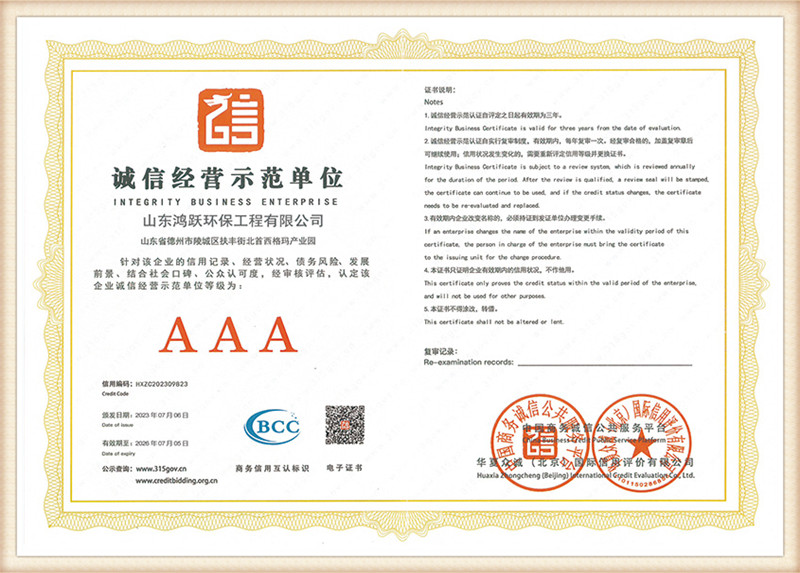
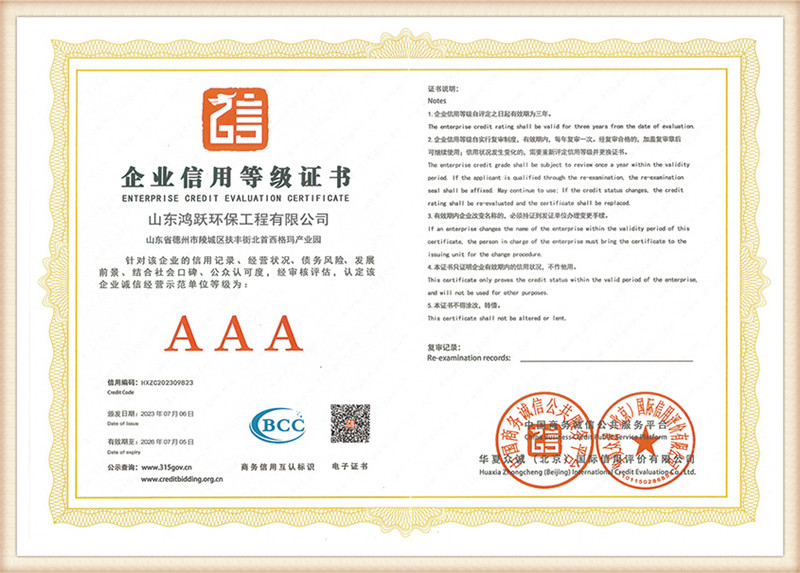
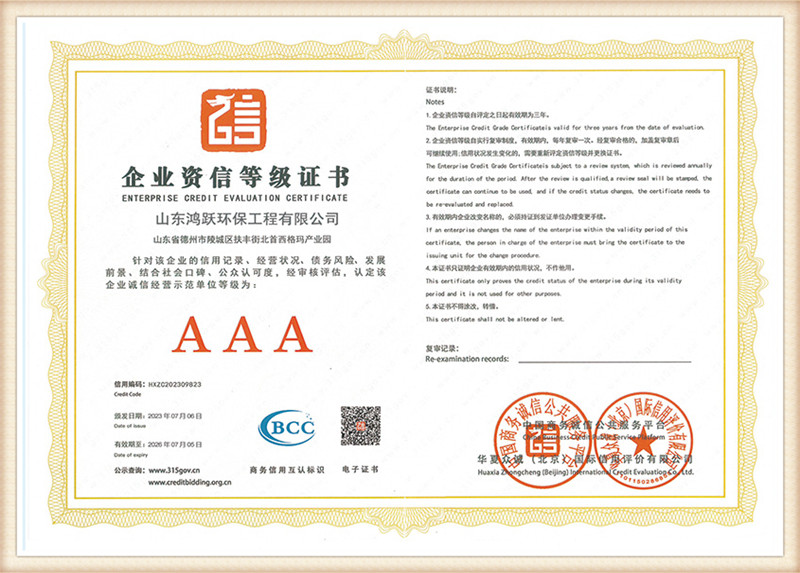
We are fully certified under ISO9001 (Quality Management System), ISO14000 (Environmental Management System), and ISO45001 (Occupational Health and Safety). Our products also pass rigorous inspections by the China National Testing Center.
Because our factory in Dezhou has direct highway connections to Qingdao Port, inland transit takes less than 24 hours. Depending on your destination port, ocean shipping takes between 15 and 35 days.
Yes. Our PE formulations are designed to remain flexible and retain their structural strength down to -40°C, making them suitable for extreme climates in Northern Europe and Canada.
Compare our full product line including geocells, drainage networks, and specialized PE fabrics.
 Hongyue