High-tensile geotextile and organic mitigation fabrics optimized for regional climate challenges, coastal salinity, and strict municipal run-off compliance.
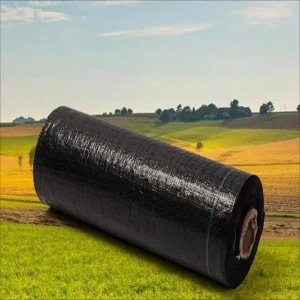
Manufactured with high-durability PE polymer, offering superior light-blocking efficiency and engineered water transport.
View Specifications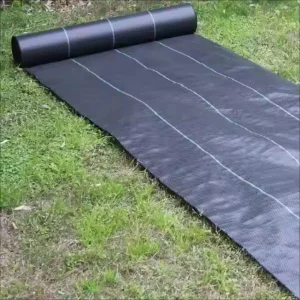
Engineered weave structure designed to resist high foot traffic and heavy machinery underlayment requirements.
View Specifications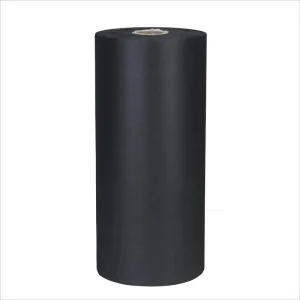
Advanced non-woven construction featuring high puncture resistance and exceptional horizontal flow parameters.
View Specifications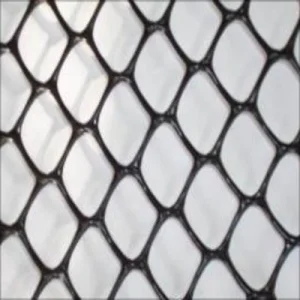
Heavy-duty geonet specifically rated for California mudslide mitigation and multi-layer root barriers.
View SpecificationsThe San Francisco Bay Area—comprising municipal centers, coastal microclimates, steep terrains, and ecologically sensitive agricultural preserves such as Napa and Sonoma—demands specialized geotechnical materials. Urban landscape design, agricultural management, and commercial civil engineering in California must conform to strict environmental mandates. Among these mandates, reducing chemical pesticide and herbicide runoff into the Bay watershed is a high priority. High-performance weed control cloth (often designated as ground cover, landscape fabric, or geotextile) is the primary physical barrier substitute for chemical weed abatement.
This whitepaper analyzes the mechanical, environmental, and structural variables of weed control fabrics in modern land development. Grounded in the manufacturing expertise of Shandong Hongyue Environmental Engineering Co., Ltd., this study highlights how modern polypropylene (PP) and polyethylene (PE) formulations address California’s coastal humidity, high UV index, and unique soil structures.
Under the California Department of Pesticide Regulation (DPR) guidelines, municipal and agricultural operators must seek physical suppression options before applying chemical herbicides. This has transitioned weed control cloth from a simple landscaping accessory to a critical component of municipal civil engineering infrastructure.
San Francisco's regional climate is characterized by Mediterranean weather patterns with cool, damp summers and wet winters. The city's geography includes steep hillsides, marine sand, and coastal clays. These factors present unique challenges for ground stabilization and vegetative control:
Globally, the geosynthetics market is undergoing a transition driven by infrastructure upgrades and agricultural modernization. Weed control cloths are no longer viewed as cheap disposable sheets. Modern projects demand fabrics with life expectancies exceeding 5 to 10 years under direct exposure, or up to 25 years when buried beneath gravel, mulch, or hardscaping.
The innovation lies in polymer science. Standard woven geotextiles provide high tensile strength but limited filtration. Non-woven needle-punched geotextiles provide excellent filtration but can tear under shear stress. Hybrid structures—specifically composite geomembranes and thermal-bonded non-woven fabrics—combine high tensile modulus with micro-pore architectures that allow soil gas exchange while blocking 99.9% of photosynthetically active radiation (PAR).
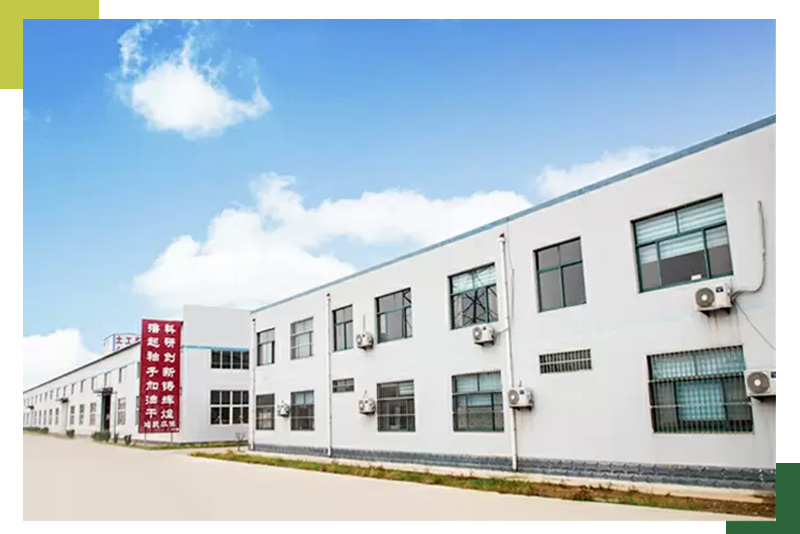
Shandong Hongyue Environmental Engineering Co., Ltd. operates one of the largest production bases for geotechnical materials in China. Located in Lingcheng District, Dezhou, Shandong Province, the company benefits from a mature industrial cluster that optimizes raw material sourcing, logistics, and technical talent.
This industrial synergy yields significant advantages for international buyers, particularly those in high-cost regions like Northern California:
High-quality geotextile production requires precise control over thermal and mechanical variables. Below is the step-by-step manufacturing process employed at Shandong Hongyue:
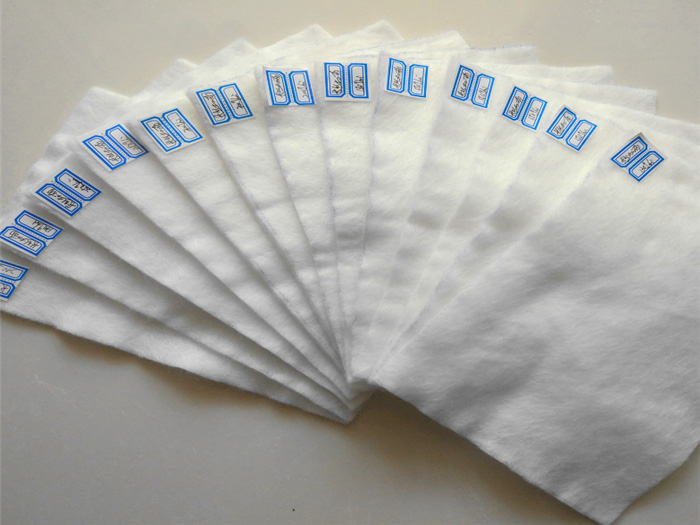
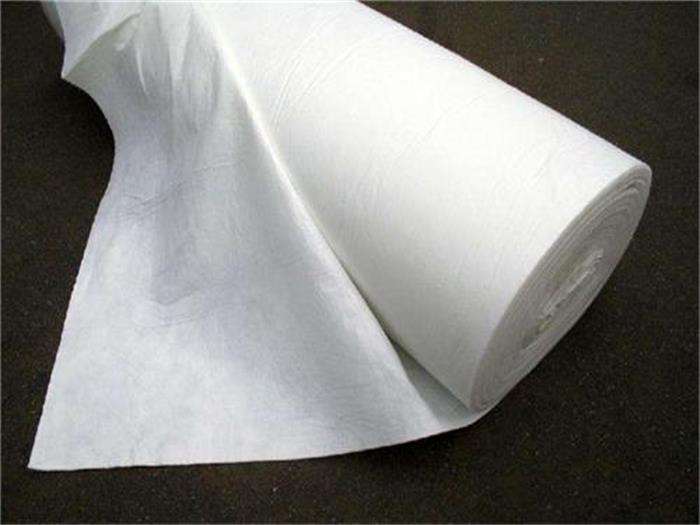
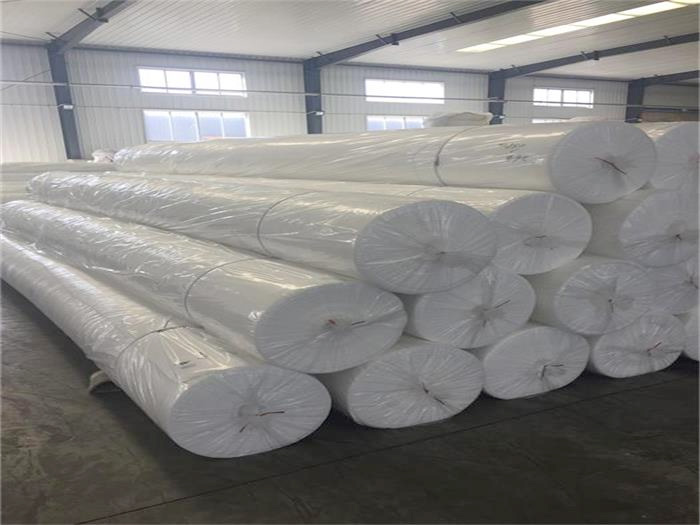
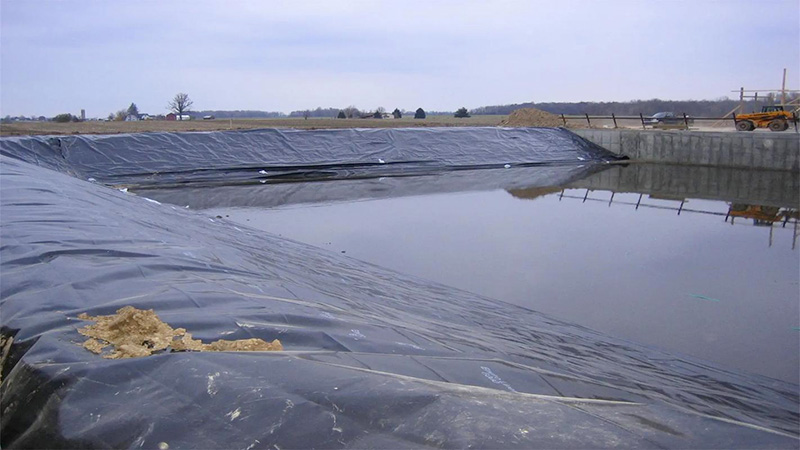
In addition to weed control cloth, geomembranes are used in larger civil projects for seepage prevention and soil containment. Proper selection, laying, and maintenance are critical for project longevity:
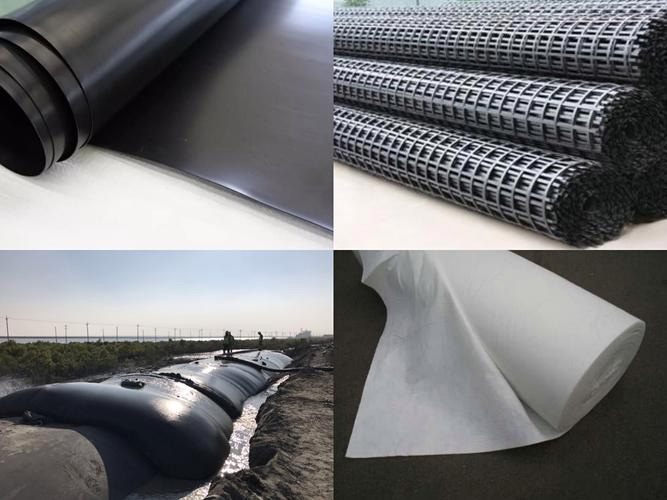
Understanding regional soil conditions and project requirements is essential for select engineering tasks:
Restoring native plants while suppressing invasive ice plants along San Francisco's Presidio sandy slopes required a highly permeable, UV-stabilized non-woven weed control cloth. By utilizing Shandong Hongyue’s short-fiber needle-punched geotextiles, engineers achieved 95% invasive suppression. This allowed native plants to grow through custom-cut slits without altering the hydrology of the dunes.
A Sonoma vineyard transitioned to organic cultivation, requiring the elimination of chemical herbicides. They deployed a heavy-duty, UV-stabilized woven grass-proof cloth along the vine rows. The fabric blocked weed growth while allowing drip-irrigation water and liquid organic nutrients to penetrate directly to the grapevine roots. This minimized evaporation loss, conserving water during dry summer months.
For a major corporate headquarters project in San Jose, engineers used a combination of storage-drainage boards and polyester non-woven geotextiles. This system provided subterranean root barriers, weed suppression for the extensive green roof, and effective drainage filtration to prevent soil particles from clogging the storm drains.
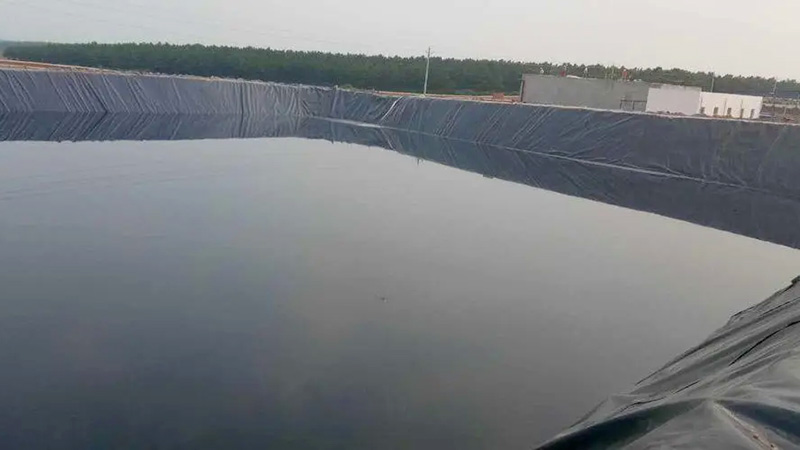
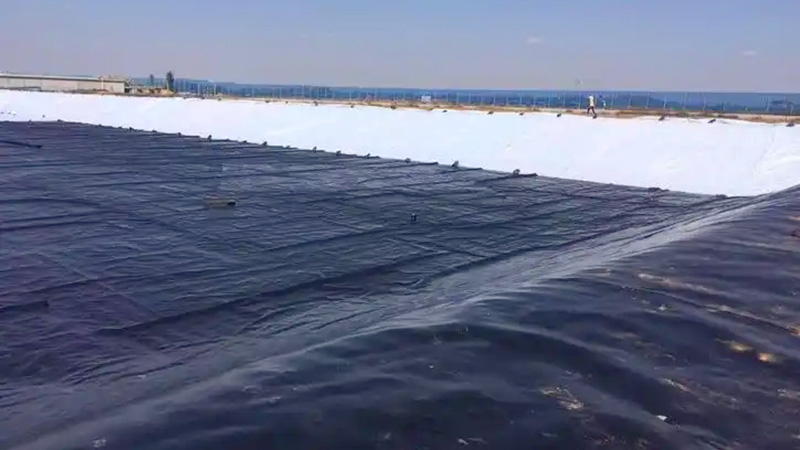
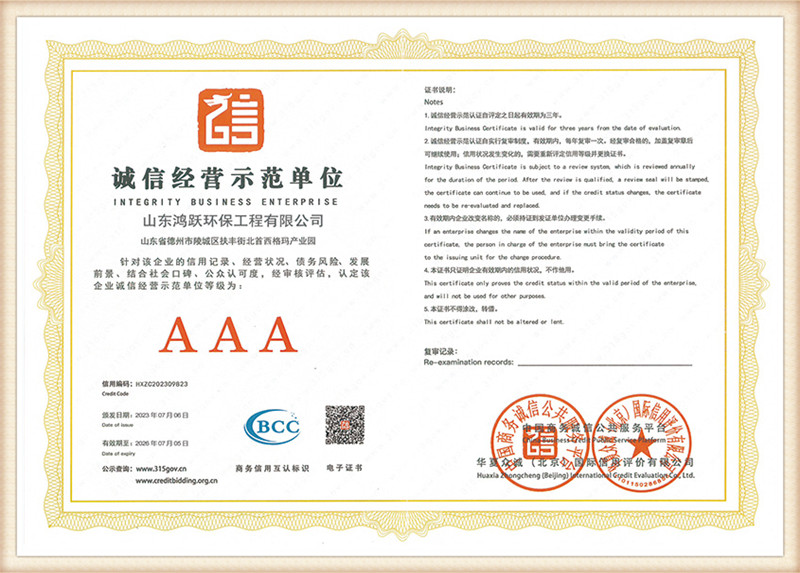
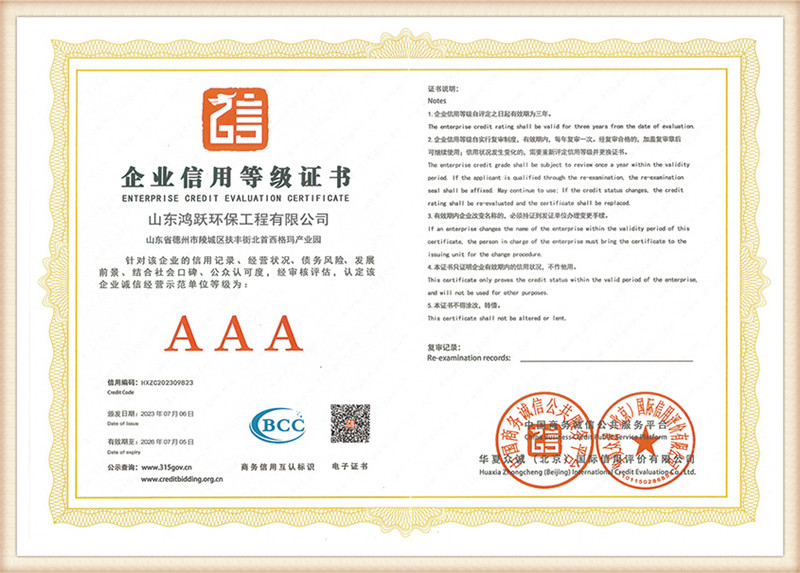
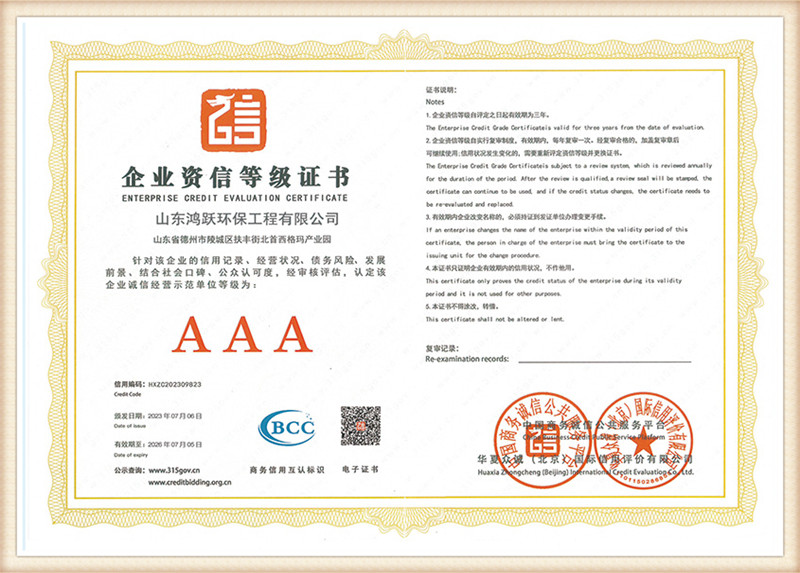
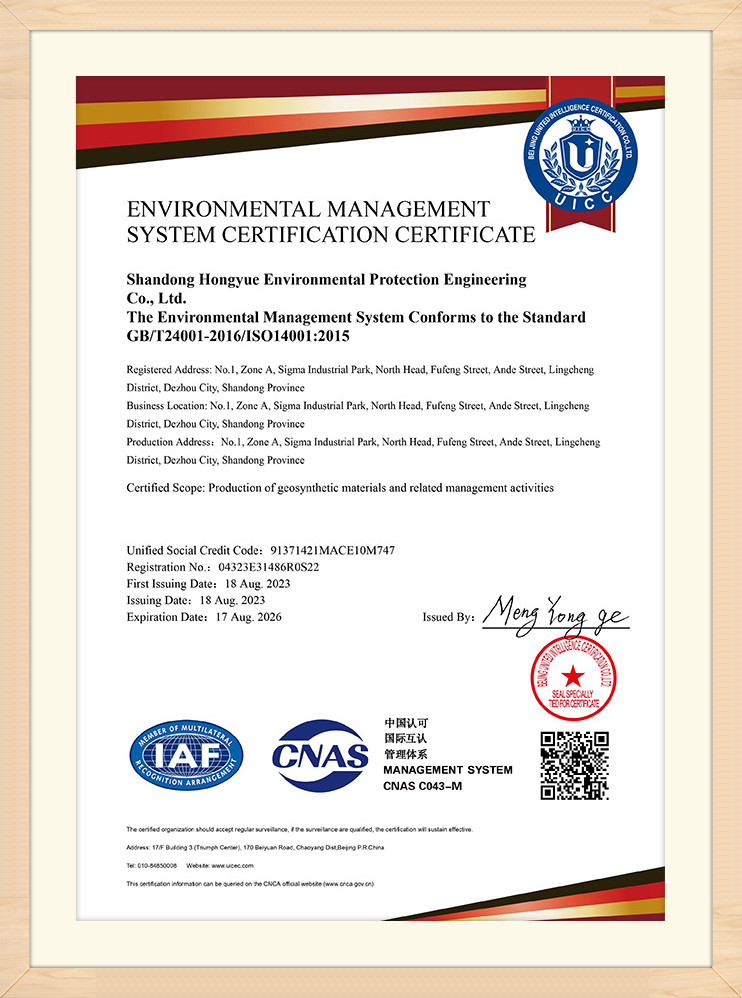
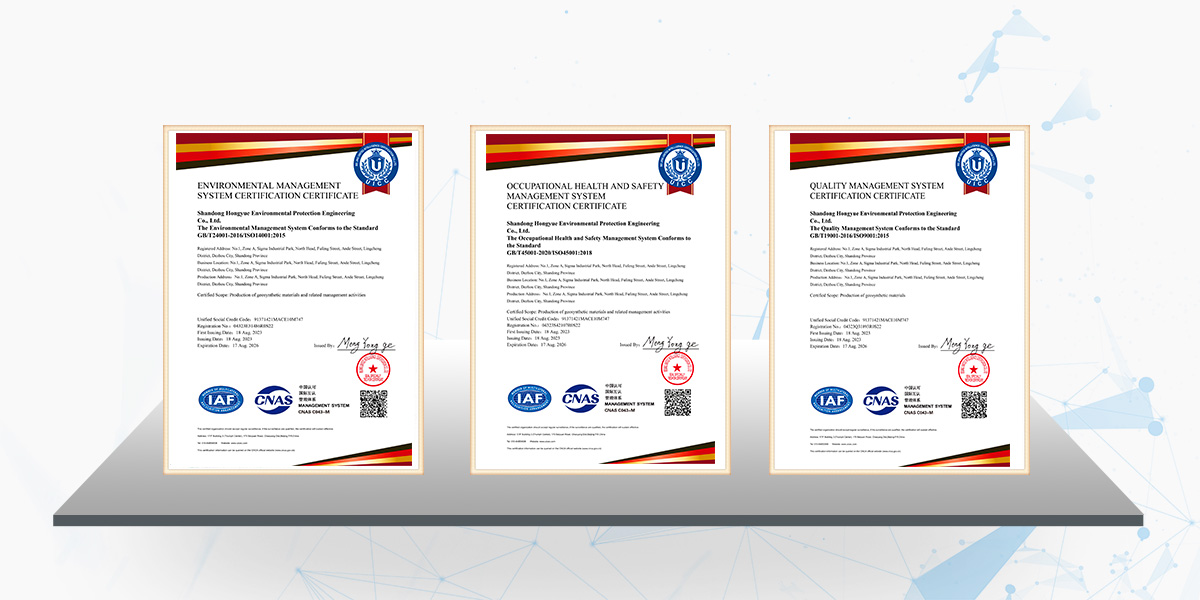
Our production facilities operate under rigorous quality management frameworks to ensure consistent performance for critical civil engineering applications:
Explore our full range of technical geosynthetic solutions, including geomembranes, drainage boards, geogrids, and composite materials.
Designed for high water flow and long-term subgrade filtration in municipal parks and public gardens.
View Specs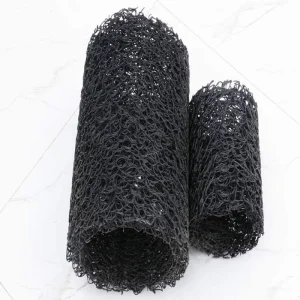
High-flow collector system optimized for saturated soils and vineyard root zones.
View Specs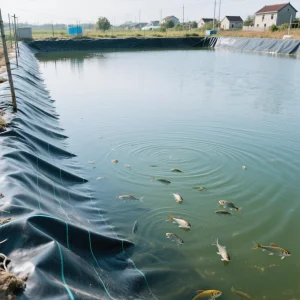
Excellent elongation and flexibility for irregular contours and containment structures.
View Specs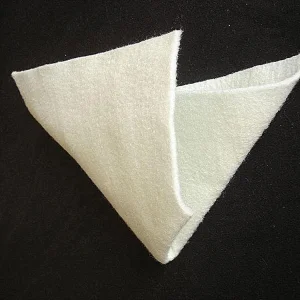
Traditional design featuring high permeability, suited for French drains and retaining walls.
View Specs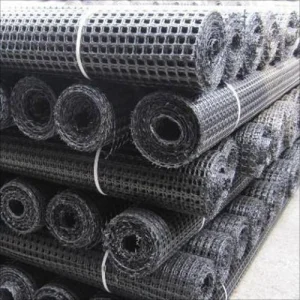
Three-dimensional cellular confinement systems for stabilizing steep slopes and load distribution.
View Specs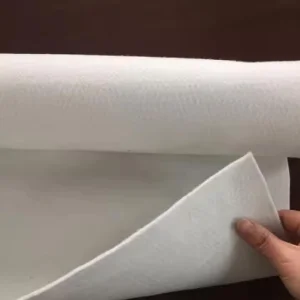
Highly durable filtration fabric designed to prevent soil migration under road bases.
View Specs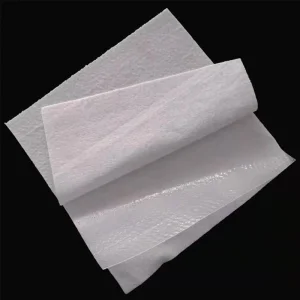
Multi-layer composite barrier combining high impermeability with physical puncture protection.
View Specs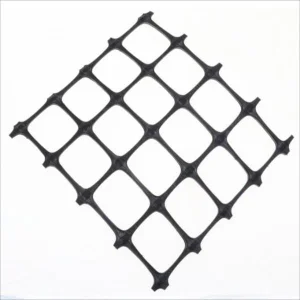
Provides structural soil reinforcement on unstable slopes and road embankments.
View SpecsGet customized technical recommendations, material safety data sheets, and competitive container quotes tailored to San Francisco regulatory and soil requirements.
Send Inquiry Now Hongyue