Singapore's unique equatorial climate, characterized by year-round high temperatures, intense relative humidity, and heavy monsoon downpours exceeding 2,100mm annually, presents an aggressive environment for agricultural and geotechnical design. Rapid weed proliferation, soil leaching, and high UV radiation demand highly specialized stabilization products. Traditional weeding methods are not only labor-intensive but run counter to Singapore's national sustainability vision.
The adoption of advanced weed control cloth (also widely referred to as grass-proof cloth or weed barrier geotextiles) has emerged as an indispensable standard across modern urban greening initiatives, civil earthworks, and agricultural systems. Through precise light-blocking technology combined with optimal micro-pore water permeability, these specialized technical textiles effectively suppress weed growth without the use of toxic chemical herbicides, supporting the structural integrity of Singapore's urban landscape under the Singapore Green Plan 2030.
Designed to withstand extreme UV exposure and high-intensity tropical rainfall. These items represent key specifications recommended for commercial and municipal landscapes across Singapore.
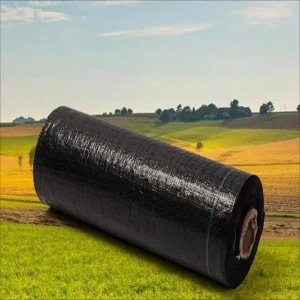
Engineered with advanced virgin PE polymer with added UV stabilizers to deliver long-lasting performance in hot, high-humidity regions.
Request Pricelist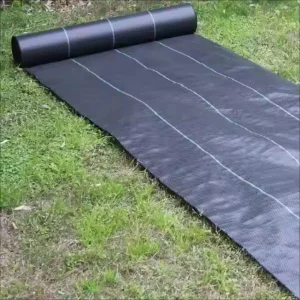
Features superior mechanical strength and puncture resistance. Best suited for subgrade separation and heavy foot-traffic areas.
Request Pricelist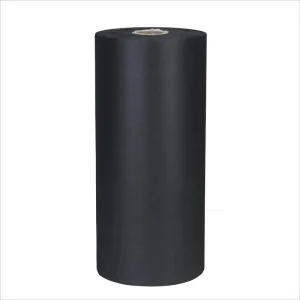
Designed with excellent hydraulic permeability, preventing soil erosion while blocking light to stop deep-rooted weeds from sprouting.
Request Pricelist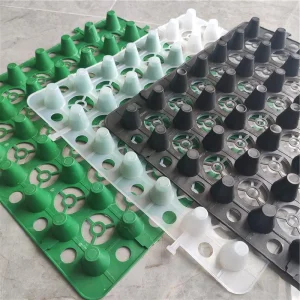
Integrates drainage channels and water storage cells, preventing root decay while stabilizing soil in Singaporean rooftop farming.
Request PricelistSingapore's construction sector is transitioning rapidly toward eco-friendly and biophilic designs. With government mandates demanding high green plot ratios and smart water management, civil contractors must optimize material selections for long-term sustainability.
Singapore's Land Transport Authority (LTA) and National Parks Board (NParks) have integrated high-performance landscape fabrics into major infrastructure projects. Whether building sky rise gardens, municipal parks, or roadside reserves, the control of invasive weeds is paramount. Heavy rainfall quickly leaches typical soils, making the separation, filtration, and barrier performance of weed control cloth critical for stabilizing growing media.
In addition to weed blocking, materials must facilitate quick water drainage. The Public Utilities Board (PUB) continuously upgrades stormwater management systems. Choosing a weed control fabric with high water flow properties prevents surface ponding and soil erosion during sudden tropical downpours. By integrating weed barrier cloths with structural drainage boards, projects can maintain functional landscape layers even under extreme storm events.
Geotextiles and agricultural fabrics are commodity markets heavily influenced by upstream petrochemical polymer values, shipping container rates, and quality-enhancing chemical additives. Understanding these economics helps procurement teams achieve competitive sourcing.
Weed control fabric is primarily manufactured using either Polypropylene (PP) or Polyethylene (PE) chips. Global polymer prices fluctuate based on crude oil refinery outputs and localized energy costs. Due to our proximity to massive industrial petrochemical bases in northern China, Shandong Hongyue can procure high-grade virgin polymer resins at lower raw costs, transferring this pricing benefit directly to international clients.
Raw PP/PE polymer degrades rapidly under UV radiation. The intense UV index of Singapore (often reaching 11-12 on the UV Index) means that cheap landscape fabric without adequate Hindered Amine Light Stabilizers (HALS) will disintegrate in less than 6 months. Standard commercial fabrics include 2% to 5% carbon black and UV-inhibitor compounds to extend active life to 5–10 years. The volume of these stabilizers determines the baseline material cost and the ultimate lifecycle cost of the project.
Because rolls of geotextile and weed control cloth are bulky, ocean freight is a significant component of final landed costs. Shipping directly from Qingdao Port or Tianjin Port to Singapore's PSA terminals ensures short transit times (typically 7 to 10 days) and highly optimized maritime logistics costs compared to sourcing from European or North American producers.
Note: The following table represents wholesale estimates. Final quotations depend on customized tensile requirements, UV stabilizer percentages, order size, and shipping terms (FOB/CIF).
| Material Classification | Weight (GSM) | Tensile Strength (MD/CD) | Water Permeability | Estimated Price Range (USD/m²) | Primary Application Area |
|---|---|---|---|---|---|
| Woven PP Weed Barrier | 90g/m² | ≥ 7.5 / 6.0 kN/m | ≥ 15 L/m²·s | $0.18 - $0.28 | General garden beds, orchards, basic landscaping |
| Woven Heavy-Duty PE Cloth | 120g/m² | ≥ 11.0 / 9.5 kN/m | ≥ 12 L/m²·s | $0.28 - $0.39 | Nursery pathways, high UV exposed slopes |
| Non-Woven Hydrophilic Fabric | 100g/m² | ≥ 6.0 / 5.5 kN/m | ≥ 75 L/m²·s | $0.22 - $0.34 | Rooftop gardens, bio-retention ponds |
| Non-Woven Spunbond PP Barrier | 150g/m² | ≥ 9.0 / 8.0 kN/m | ≥ 60 L/m²·s | $0.35 - $0.48 | Underlayment for gravel paths, heavy drainage |
| Composite Drainage Board with Fabric | 300g/m² (total) | Customized per spec | High flow channels | $1.20 - $1.85 | Underground garage roofs, structural retaining walls |
Not all weed barriers are manufactured to the same technical standards. Our engineering team utilizes state-of-the-art production routes to produce fabrics optimized for mechanical resilience and environmental endurance.
Virgin polypropylene or polyethylene chips are combined with premium carbon black and anti-aging compounds inside high-pressure screw extruders. Melting under precise thermal curves prevents polymer chain breakage, ensuring the final fibers maintain peak structural integrity.
For **woven fabrics**, continuous filaments are sliced into flat yarns and interlaced on high-speed Sulzer looms to form high-tensile mesh configurations. For **non-woven fabrics**, continuous filaments are spun, laid randomly on a moving belt, and structurally locked via thousands of high-speed barbed needle penetrations.
The fabric passes through heated calenders that compress the fibers to control thickness and pores. This thermal treatment locks the alignment, limiting thermal shrinkage (important for tropical sites where ground temperatures can reach over 50°C under direct sunlight).
Samples from each batch are subjected to ASTM D4632 (Grab Tensile Strength), ASTM D4491 (Water Permeability), and ASTM D4355 (UV Degradation Resistance) to guarantee compliance with global and local Singapore civil engineering specifications.
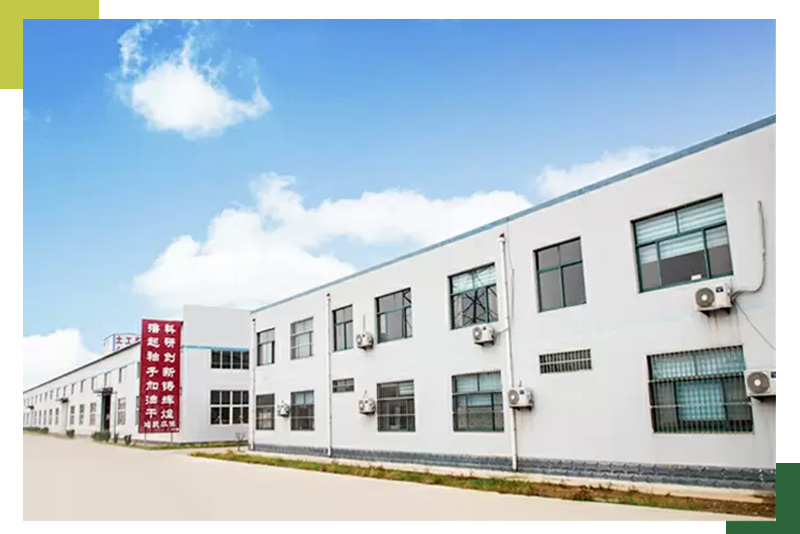
Located at the north end of Fufeng Street, Lingcheng District, Dezhou, Shandong Province, Shandong Hongyue Environmental Engineering Co., Ltd. is a scientific and technological geotechnical material manufacturer integrating engineering material production, sales, design, and construction services. Registered in the Lingcheng District Market Supervision and Administration Bureau of Dezhou City with a registered capital of 105 million yuan, it stands today as one of the largest production bases of geotechnical materials in China.
Our facility enjoys a superior geographical location with convenient access to major shipping ports, ensuring rapid fulfillment to international hubs like Singapore. We maintain a professional technical and sales team dedicated to serving large-scale water conservancy, environmental protection, transport, and agricultural projects globally.
Shandong Hongyue has successively passed the ISO9001 international quality system certification, ISO14000 environmental system certification, and ISO45001 occupational health and safety management system certification. We have won multiple honors such as "Green and Environmentally Friendly Building Materials Products," "No Consumer Complaints," "Famous Chinese Brands," and "High-tech Industries."
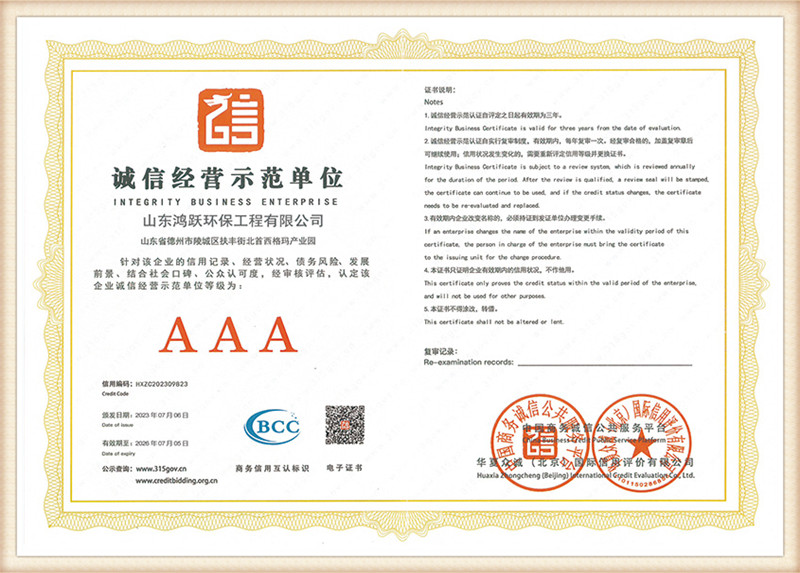
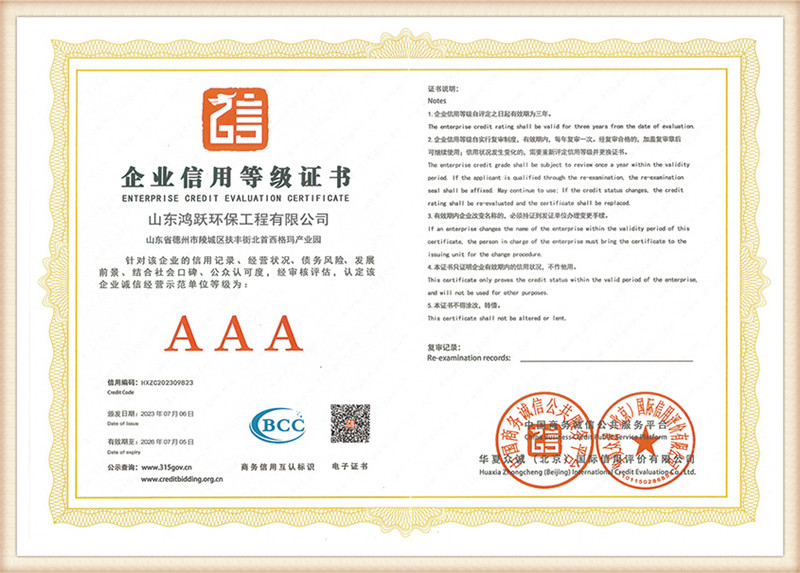
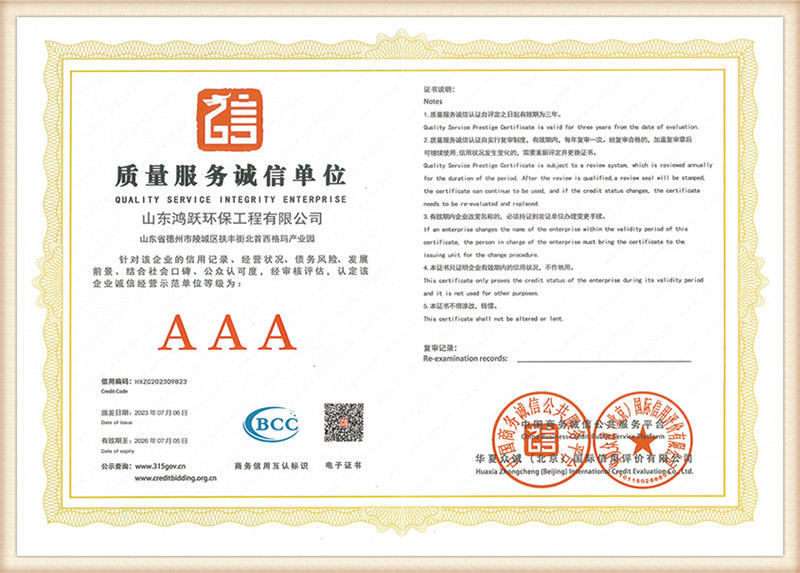
Our comprehensive geosynthetic catalog includes: geotextiles, geomembranes, composite geomembranes, waterproof boards, bentonite waterproof blankets, 3D composite drainage networks, (composite) drainage boards, weaving cloth, woven cloth, geogrids, flexible pervious pipes, flexible water stops, and more. This integrated supply capability allows us to offer turn-key solutions for municipal landscape design, pond lining, landfill anti-seepage, and soil reinforcement.
Beyond our primary weed control barriers, Shandong Hongyue manufactures a complete range of infrastructure components optimized to solve geotechnical and water management challenges in the Singapore region.
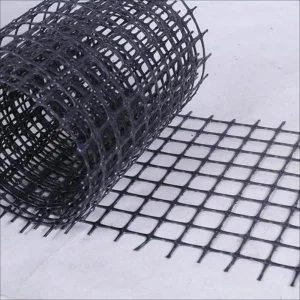
Provides high-tensile resistance in both longitudinal and transverse directions. Perfect for steep slope reinforcement and soil retention.
Get Pricelist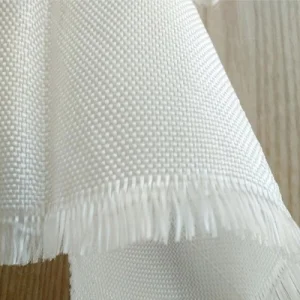
Designed with excellent creep resistance and high hydraulic flow rates, perfect for marine reclamation and soft soil base support.
Get Pricelist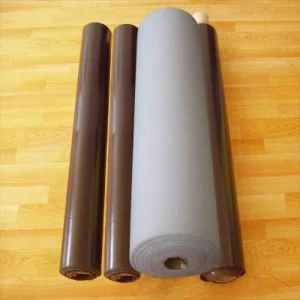
A highly flexible and durable liquid barrier, ideal for waterproofing tunnels, underground garage decks, and stormwater detention ponds.
Get Pricelist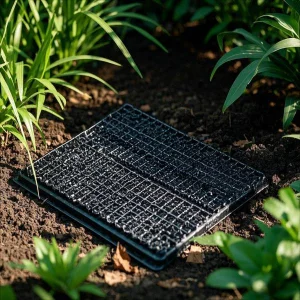
Designed with physical dimpled pockets to create a high-capacity flow path, releasing hydrostatic pressure behind underground structures.
Get Pricelist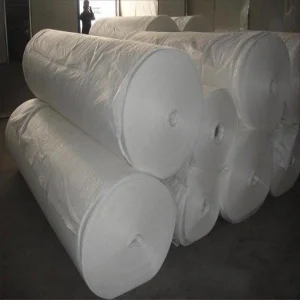
Engineered for supreme hydraulic filtration, keeping fine particles out of drainage aggregates while maintaining water flow.
Get Pricelist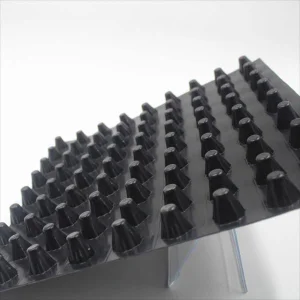
Features an integrated adhesive layer that bonds securely with structural waterproofing membranes, accelerating installation times.
Get Pricelist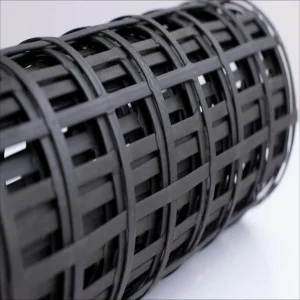
Combines high-strength steel wires with protective plastic coatings, offering extreme load-bearing and chemical resistance.
Get Pricelist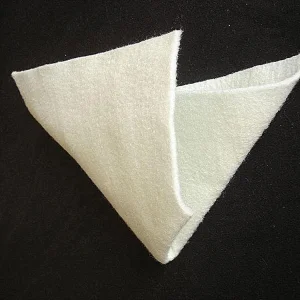
Engineered from high-quality short fibers to act as a resilient puncture barrier, protecting lining systems from damage by gravel.
Get PricelistTo address diverse requirements across municipal engineering, our systems are optimized to work synergistically.
Combined applications of geomembranes, needle-punched geotextiles, and concrete mattresses stabilize riverbanks and reservoirs. This prevents channel erosion and water leakage into surrounding soils during flash floods.
High-density polyethylene (HDPE) geomembranes work alongside bentonite clay liners to establish zero-leakage containment barriers. This prevents landfill leachate from contaminating precious underground aquifers.
Biaxial plastic geogrids and high-strength filament geotextiles distribute heavy traffic loads over soft soils. This extends the service life of roads and airport runways while minimizing base settlement.
Get answers to common engineering questions regarding the selection, application, and procurement of weed control fabrics in Singapore.
Get in touch with our technical team today to receive detailed technical datasheets, free sample packages, and localized project estimates for Singapore.
Send Inquiry Now Hongyue