Engineered for high-temperature stability, excellent tensile strength, and structural containment in sandy soils.
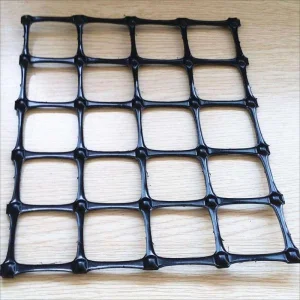
Custom-engineered HDPE plastic cellular confinement grids, providing premium dynamic load distribution across sandy terrain.
View Product Details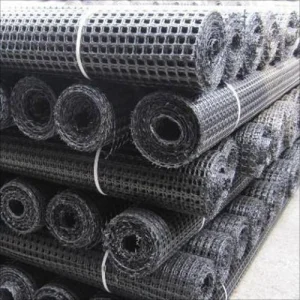
Heavy-duty polypropylene geocells featuring exceptional chemical stability for highly saline or contaminated environments.
View Product Details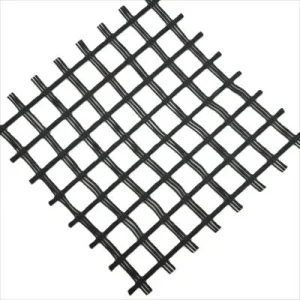
High-modulus fiberglass geocells configured specifically for high-intensity asphalt paving reinforcement and thermal cracking control.
View Product Details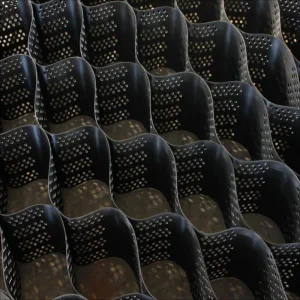
Direct factory customized HDPE geocells featuring high-weld strength ratings. Sized precisely for Iraqi soil rehabilitation parameters.
View Product DetailsWhy modern cellular confinement technology is becoming non-negotiable for Iraq's infrastructure boom.
Civil engineering inside Iraq requires overcoming extreme geological conditions. From the expansive soft clay soils of the southern Mesopotamian plains near Basra to the shifting, cohesionless sands of Al-Anbar and the northern mountainous terrains of Nineveh, traditional soil stabilization methods repeatedly fall short. Seasonal temperatures routinely cross 52°C, inducing extreme thermal expansion and contraction cycles that result in catastrophic pavement rutting, subgrade shear failures, and asphalt cracking.
Traditional aggregate-heavy subbase structural models are no longer economically viable due to high transportation costs and the rapid degradation of local materials under dynamic heavy loads. This is particularly critical in key logistics networks like the reconstruction of Iraq's Highway 1 and high-capacity access networks connecting major oil fields (e.g., Rumaila, West Qurna, Majnoon).
E-E-A-T Technical Insight: Under cyclic wheel loads, unreinforced sand bases move laterally, yielding deep wheel track ruts. The incorporation of a 3D High-Density Polyethylene (HDPE) Geocell Confinement System acts as a semi-rigid slab. This structure restrains soil particles laterally, increasing the composite modulus of the aggregate layer and reducing structural stress by up to 50%.
Shifting the design paradigm towards cost-effective, high-durability green infrastructure.
Globally, civil infrastructure project guidelines are moving away from carbon-heavy concrete and structural asphalt layouts. Advanced engineering consultants now specify geocell confinement solutions to build flexible, high-bearing capacity pavements. For Iraqi procurement teams, importing geocells direct from high-volume manufacturers is the primary strategy for managing project budgets without compromising on lifespan.
By confining local infill, such as sand or lower-grade gravel, geocells eliminate the need to import expensive, high-spec aggregates. This is highly beneficial for isolated, remote regions in Iraq where transport logistics are difficult and expensive. Large engineering contractors are partnering with Shandong Hongyue to secure project-level customization for localized infrastructure projects.
High-yield solutions engineered specifically for desert logistics, hydraulic containment, and highway bases.
Oilfields in southern Iraq require heavy hauling across loose desert sands. Standard unreinforced sand subgrades cannot handle repeated heavy machinery cycles. Installing HDPE geocells filled with local sand creates high-capacity service roads, preventing rutting and structural failures.
Water control along Iraq's key rivers requires robust slope protection against scour and severe erosion. Geocells filled with concrete or compacted local soil provide a durable, long-term lining solution for major water management canals.
Connecting ports like Umm Qasr with northern urban centers requires heavy rail freight upgrades. Under dynamic train loads, geocell reinforcement layers distribute vertical loads outward, controlling ballast deformation and reducing maintenance cycles.
Combining automated production, rigorous QA testing, and efficient container shipping to Umm Qasr.
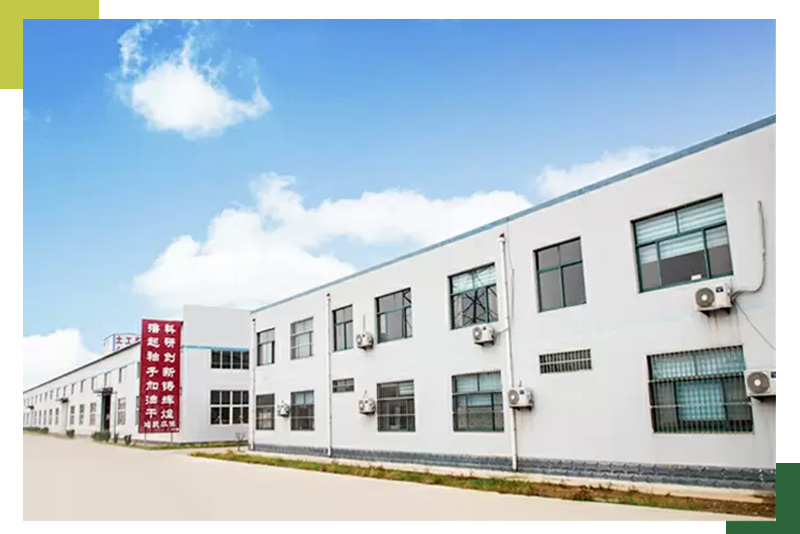
Located in Lingcheng District, Dezhou, Shandong Province, Shandong Hongyue Environmental Engineering Co., Ltd. is one of China's largest geosynthetics manufacturing hubs. Registered with a capital of 105 million Yuan, the facility integrates design, manufacturing, and technical support. Operating state-of-the-art co-extrusion and automated ultrasonic welding systems, the company guarantees consistent cell dimensions and weld strength across bulk orders.
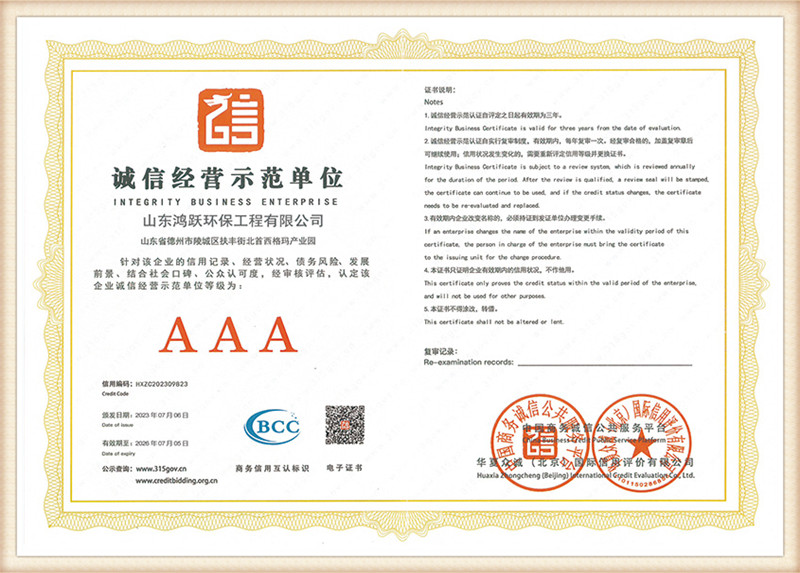
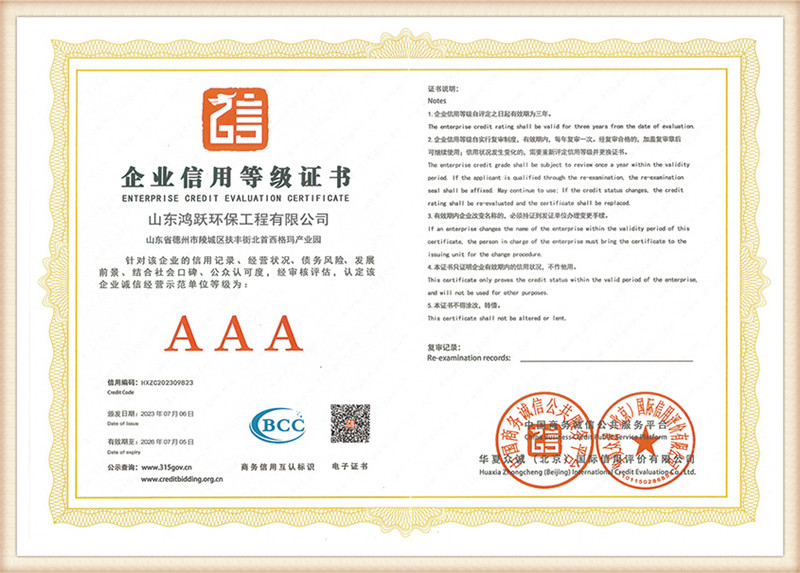
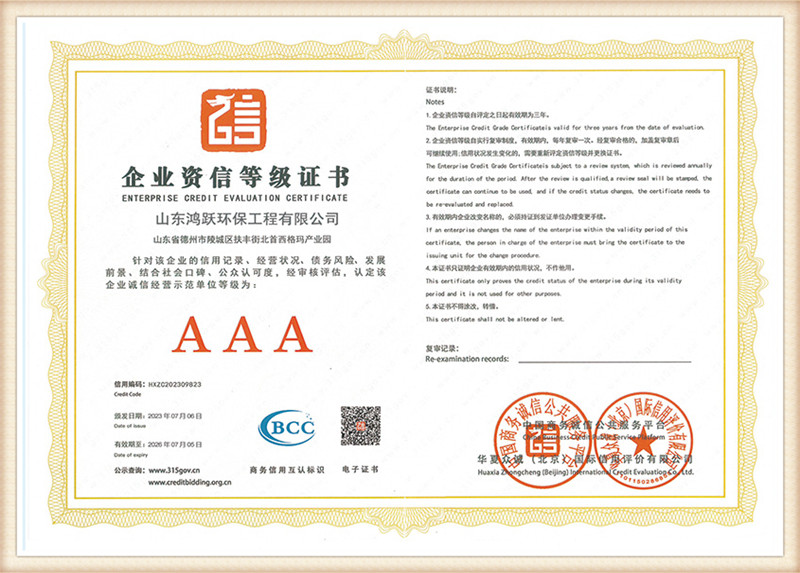
For Iraqi procurers, sourcing geocells from Shandong Hongyue offers significant efficiency advantages. Our proximity to the Port of Qingdao allows for fast shipping logistics to the Port of Umm Qasr or overland routing options via Basra. By maintaining large inventories of premium virgin HDPE and PP resins, we can rapidly process high-volume orders for major projects.
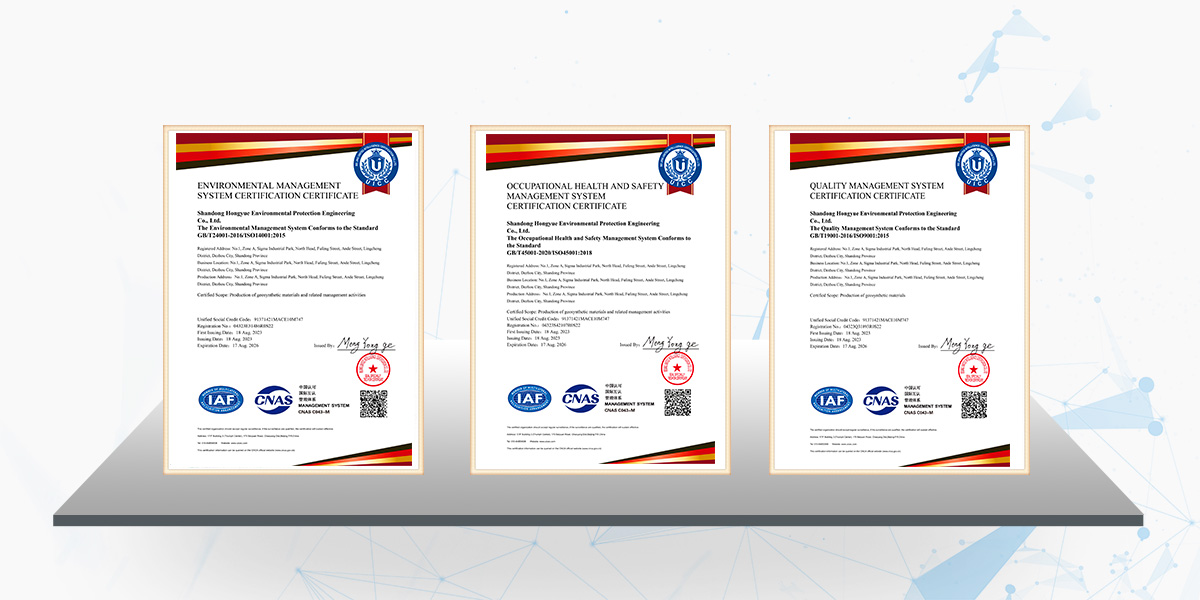
Our Quality Assurance systems are certified under ISO9001, ISO14000, and ISO45001. Every batch is tested for weld peel strength, environmental stress crack resistance (ESCR), carbon black dispersion, and load-deformation behavior to ensure reliability under harsh environments.
A closer look at the advanced production steps behind Shandong Hongyue's high-performance materials.
Geotextile is widely used in civil engineering materials, with filtration, isolation, reinforcement, protection and other functions, its production process includes raw material preparation, melt extrusion, mesh rolling, draft curing, winding packaging and inspection steps, need to go through multiple links of processing and control, but also need to consider its environmental protection and durability and other factors. Modern production equipment and technology have been widely used, making the production efficiency and quality of geotextiles have been significantly improved.
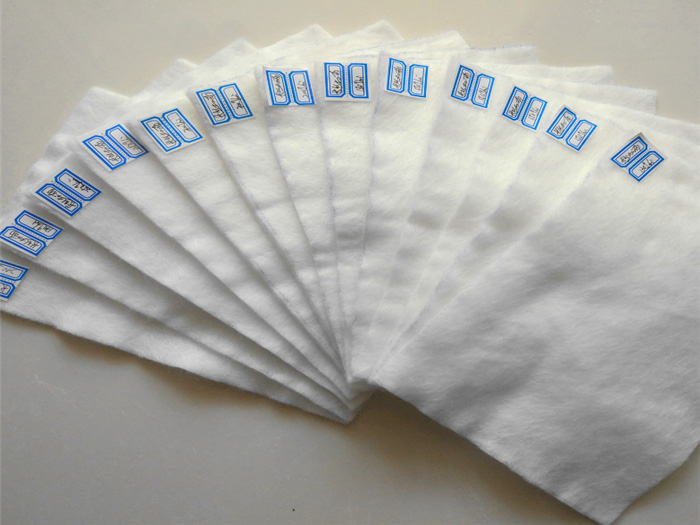
The main raw materials of geotextile are polyester chips, polypropylene filament and viscose fiber. These raw materials need to be inspected, arranged and stored to ensure their quality and stability.
After the polyester slice is melted at high temperatures, it is extruded into a molten state by a screw extruder, and polypropylene filament and viscose fiber are added for mixing. In this process, the temperature, pressure and other parameters need to be precisely controlled to ensure the uniformity and stability of the melting state.
After mixing, the melt is sprayed through the spinneret to form a fibrous substance and form a uniform network structure on the conveyor belt. At this time, it is necessary to control the thickness, uniformity and fiber orientation of the mesh to ensure the physical properties and stability of the geotextile.
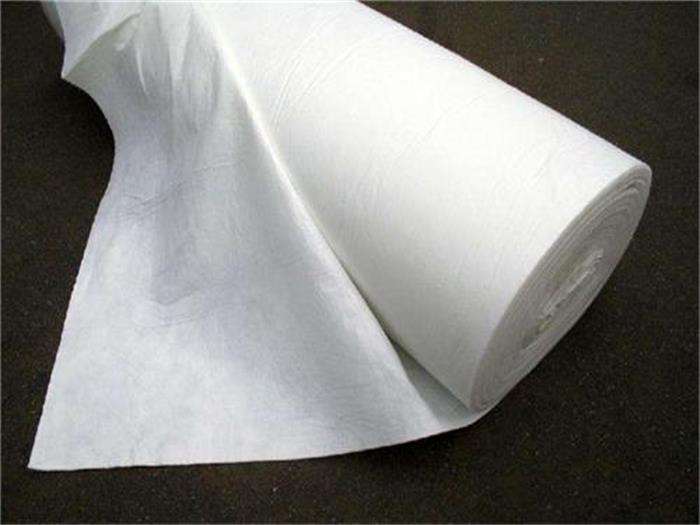
After laying the net into rolls, it is necessary to carry out draft curing treatment. In this process, the temperature, speed and draft ratio need to be precisely controlled to ensure the strength and stability of the geotextile.
The geotextile after draft curing needs to be rolled up and packed for subsequent construction. In this process, the length, width and thickness of the geotextile need to be measured to ensure that it meets the design requirements.
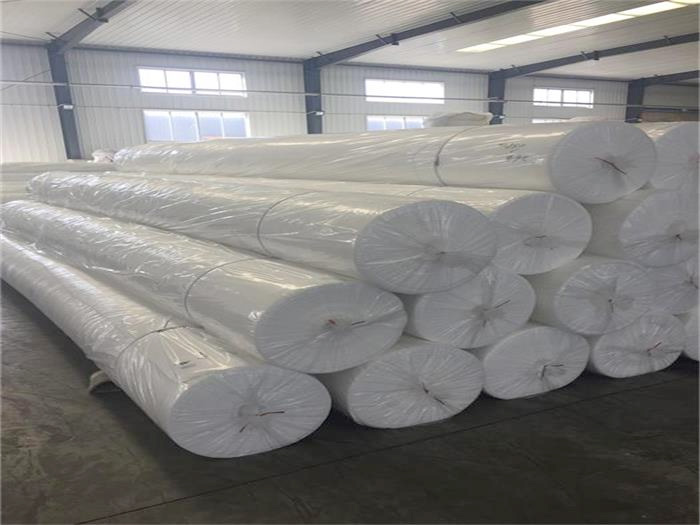
At the end of each production link, the quality of geotextile needs to be inspected. The inspection contents include physical property test, chemical property test and appearance quality test. Only geotextiles that meet the quality requirements can be used in the market.
Detailed engineering guidelines for selection, installation, and site maintenance in challenging climates.
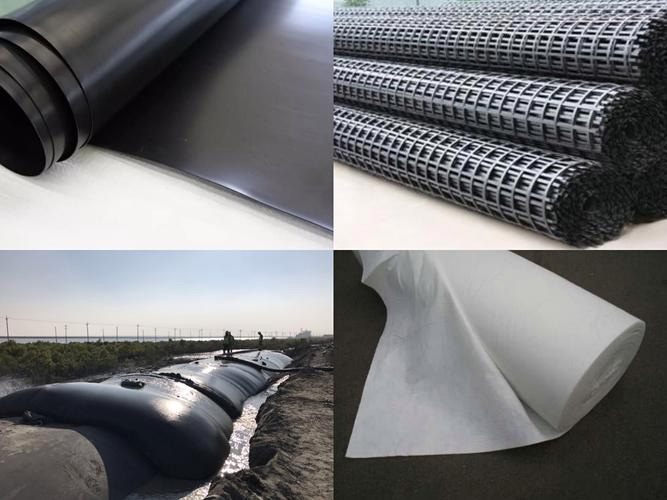
Geomembrane is a kind of material widely used in engineering projects, which has the functions of seepage prevention, isolation and reinforcement. Understanding installation and selection best practices is critical to ensuring long-term containment integrity in high-temperature environments.
It is very important to choose the suitable geomembrane. Here are some key points to choose geomembrane:
The laying of geomembrane needs to follow certain steps and techniques:
Maintenance of geomembrane can extend its service life and function:
In Summary: The application technology of geomembrane includes selecting suitable geomembrane, laying geomembrane correctly and maintaining geomembrane regularly. Reasonable application of geomembrane can effectively improve the functions of seepage prevention, isolation and reinforcement of engineering projects, and provide guarantee for the smooth progress of engineering.
Inside our specialized manufacturing plant: high-precision automated production and quality assurance.
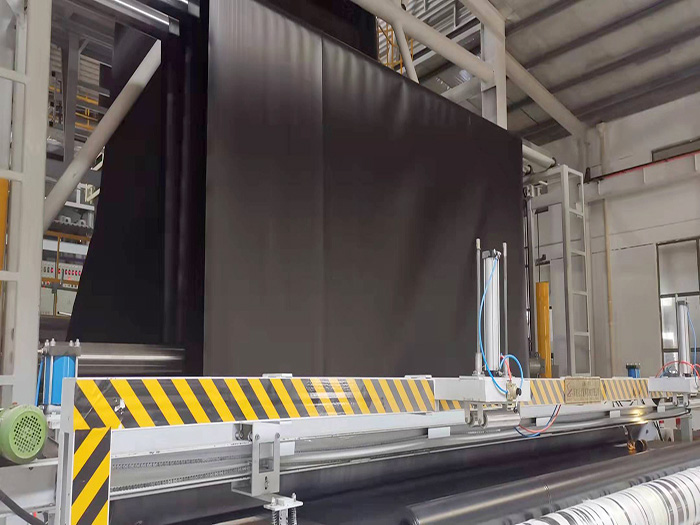
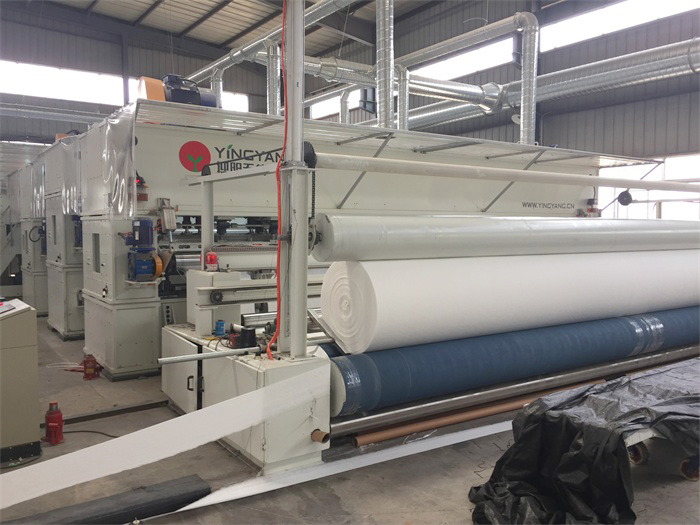
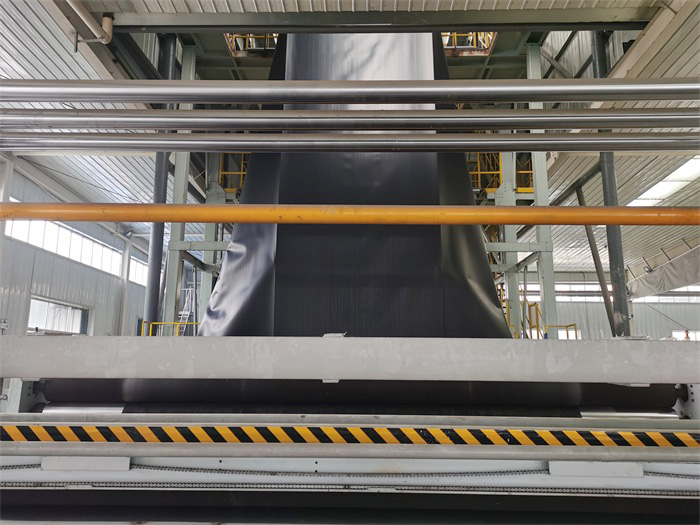
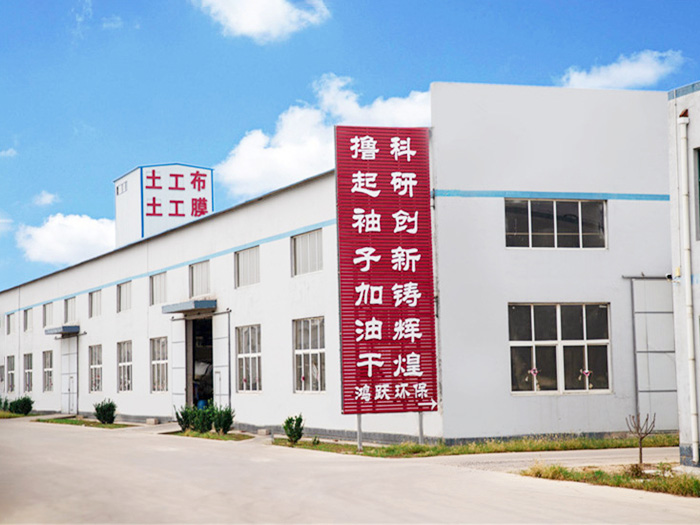
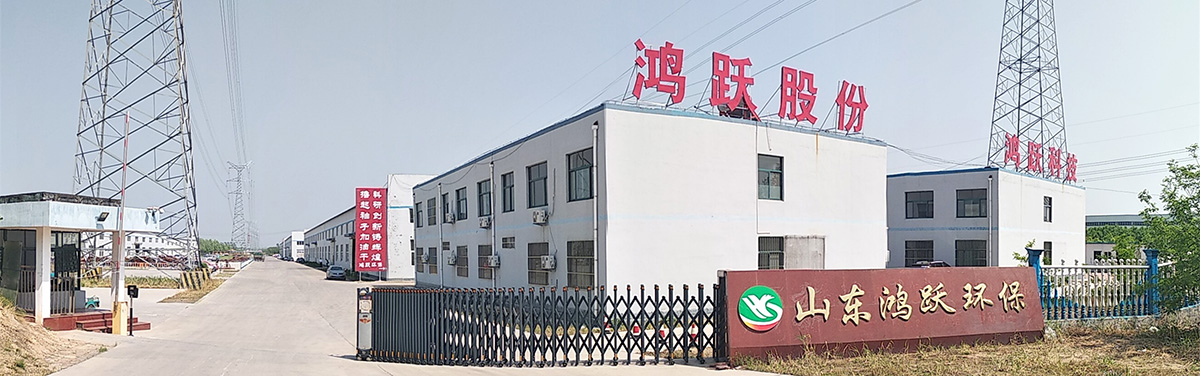
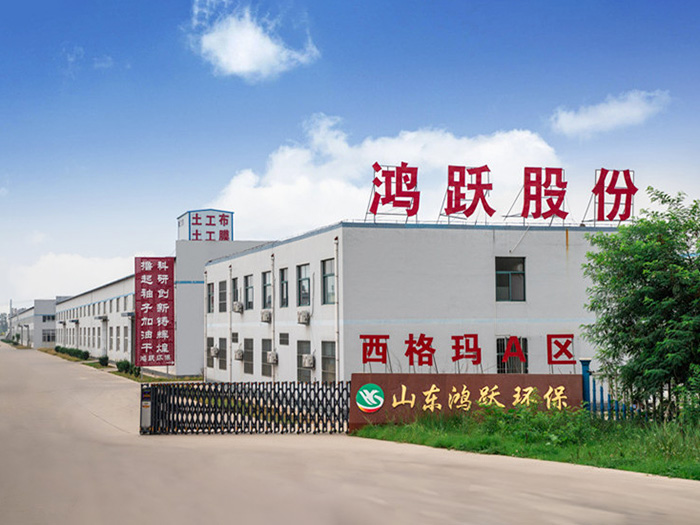
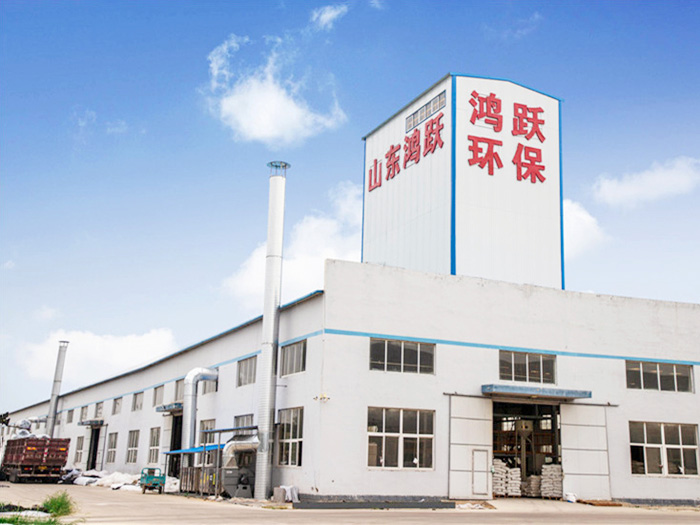
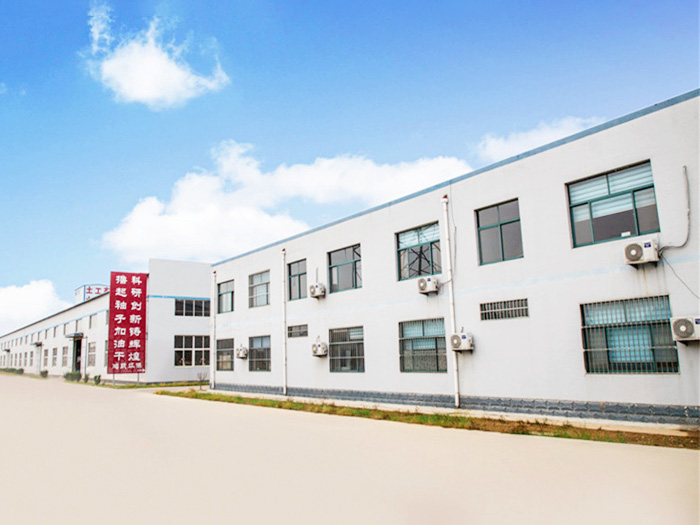
Combining geomembranes, geotextiles, and geocells to design resilient containment systems.
Geomembrane, as an efficient anti-seepage material, plays a vital role in water conservancy projects. Its excellent anti-seepage performance, light weight, ease of construction, and low relative cost make geomembrane an indispensable part of modern water conservancy projects.
First of all, in the construction of reservoirs, geomembrane can play a very good anti-seepage role. Because reservoirs are usually built in valleys or low-lying areas, the geological conditions are more complex, so effective measures need to be taken to avoid leakage between the bottom of the reservoir and the surrounding rock. The use of geomembrane can effectively solve this problem, and can also improve the safety and stability of the whole reservoir.
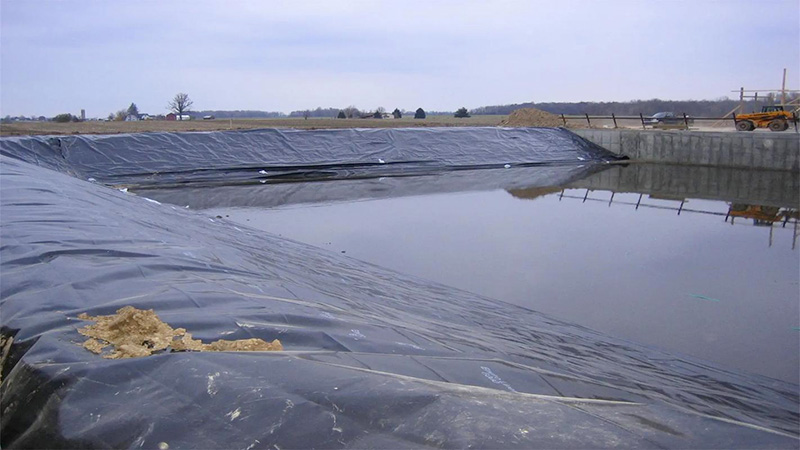
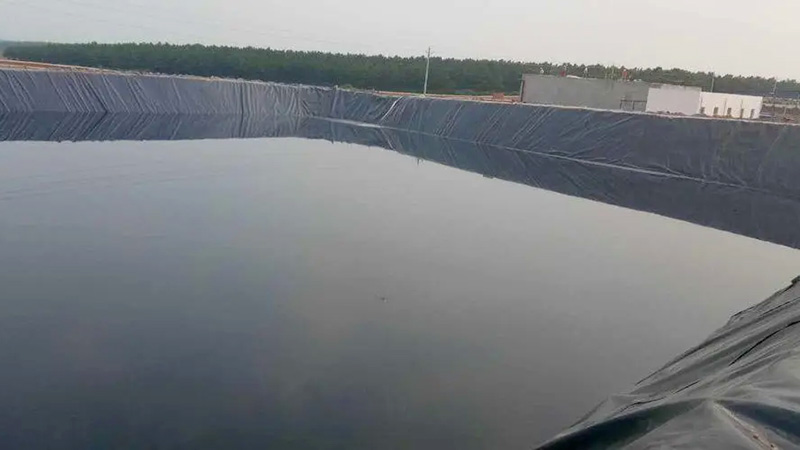
Secondly, it is also necessary to use geomembrane to strengthen the anti-seepage effect during the construction of levees. A dike is a man-made structure whose main purpose is to protect the downstream area from flooding. However, in the construction process, there will be many unpredictable factors leading to loopholes, at this time, it is necessary to use geomembrane for remedial measures.
Third, in the river and channel governance, geomembrane also has a wide range of applications. Rivers and channels are very important components of water conservancy projects, they can not only regulate water flow, protect farmland and urban infrastructure, but also improve the ecological environment of the entire region. However, in the governance process will encounter some difficult problems, such as loopholes, landslides and so on. At this time the use of geomembrane can be a good solution to these problems.
In steep-sloped channels with high-velocity flows, combining geomembranes with concrete-filled geocells prevents slope sliding and concrete cracking. The geomembrane acts as a robust barrier against water loss, while the geocells confine the concrete layer, ensuring the structural stability of the channel alignment.
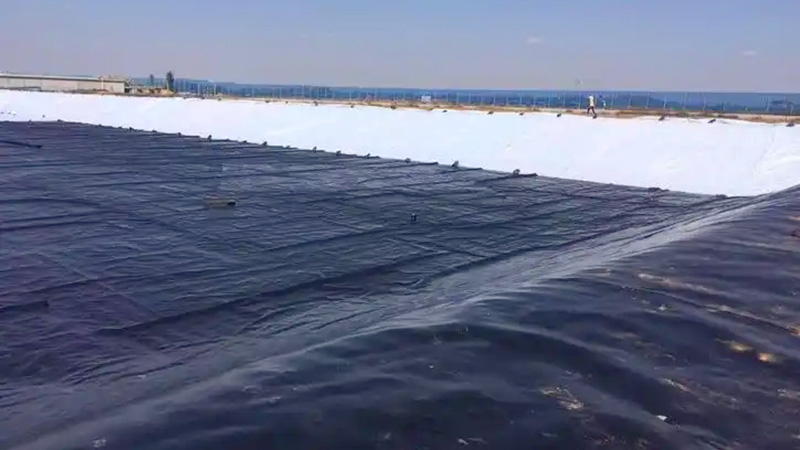
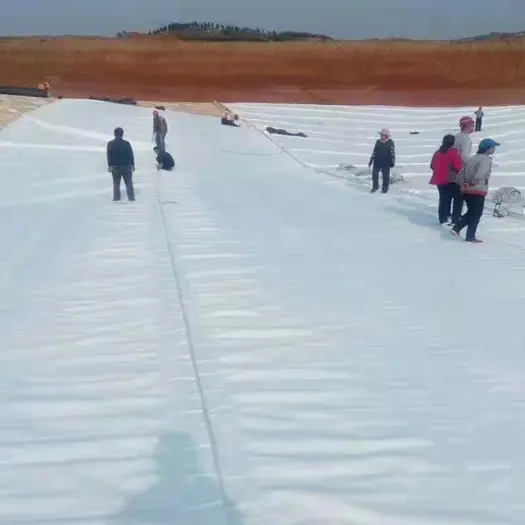
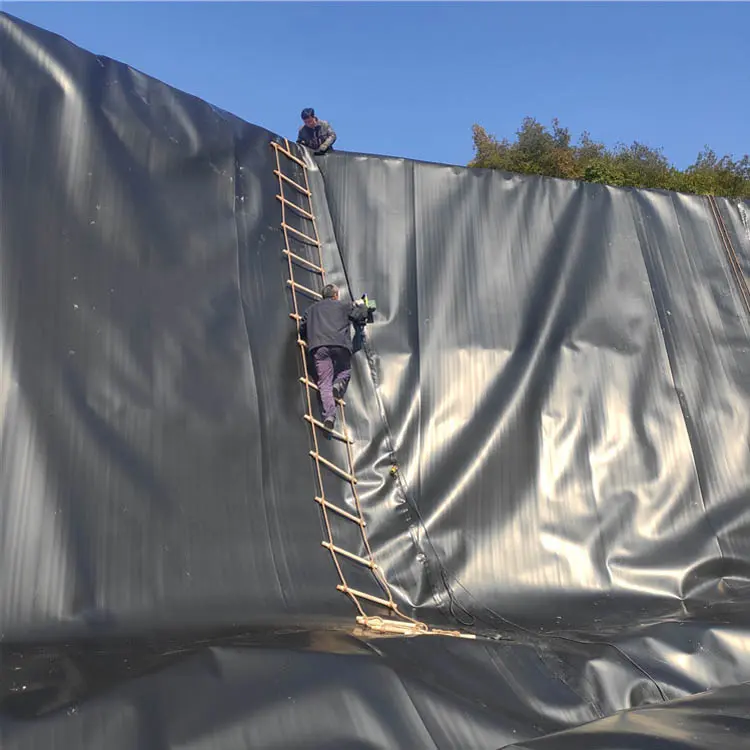
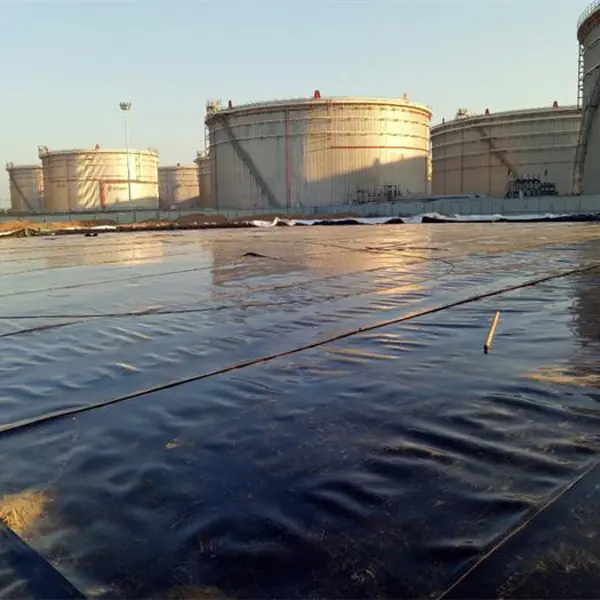
Field installations of geomembrane and geocell packages in heavy civil engineering environments.
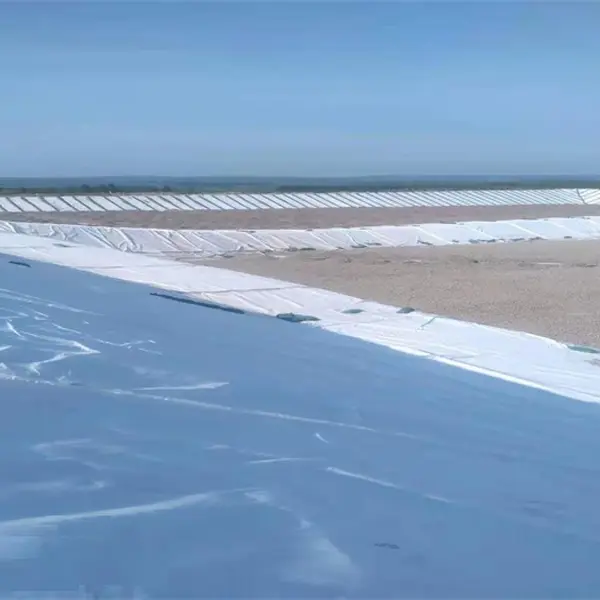
Ensuring compliance with international standards and strict internal testing procedures.
Shandong Hongyue Environmental Protection Engineering Co., Ltd. mainly produces various types and specifications of geotextile, geomembrane, composite geomembrane, waterproof plate, bentonite waterproof blanket, composite geomembrane drainage network, anti-drainage board, waterproof roll, geogrille, water stop, permeable pipe and other products, forming four material systems of impermeability, environmental protection, protection, reinforcement and water stop, integrated supply.
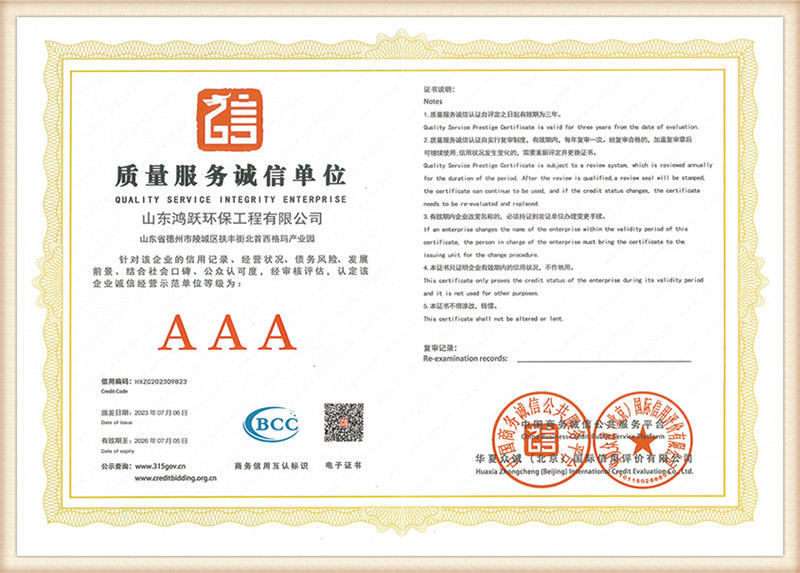
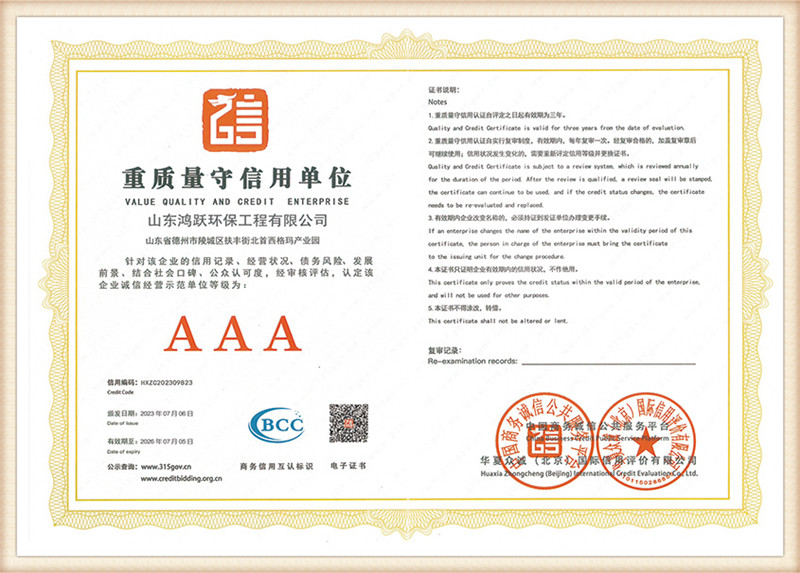
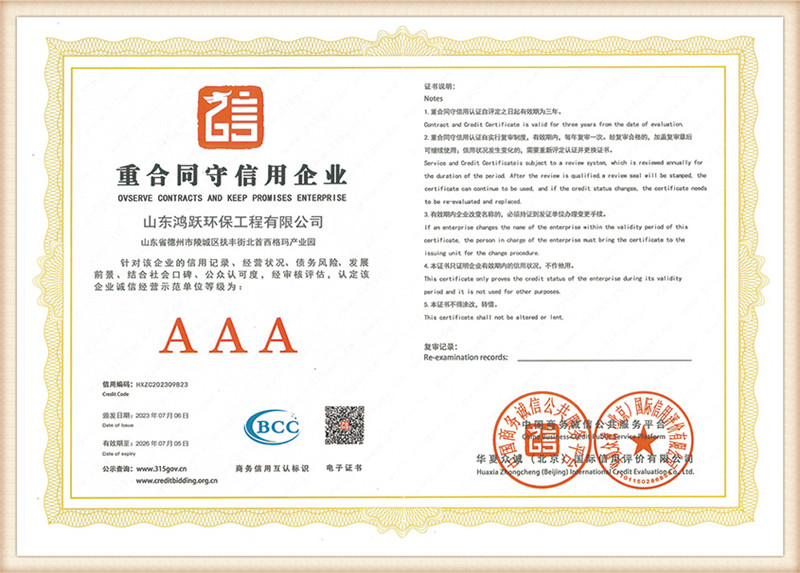
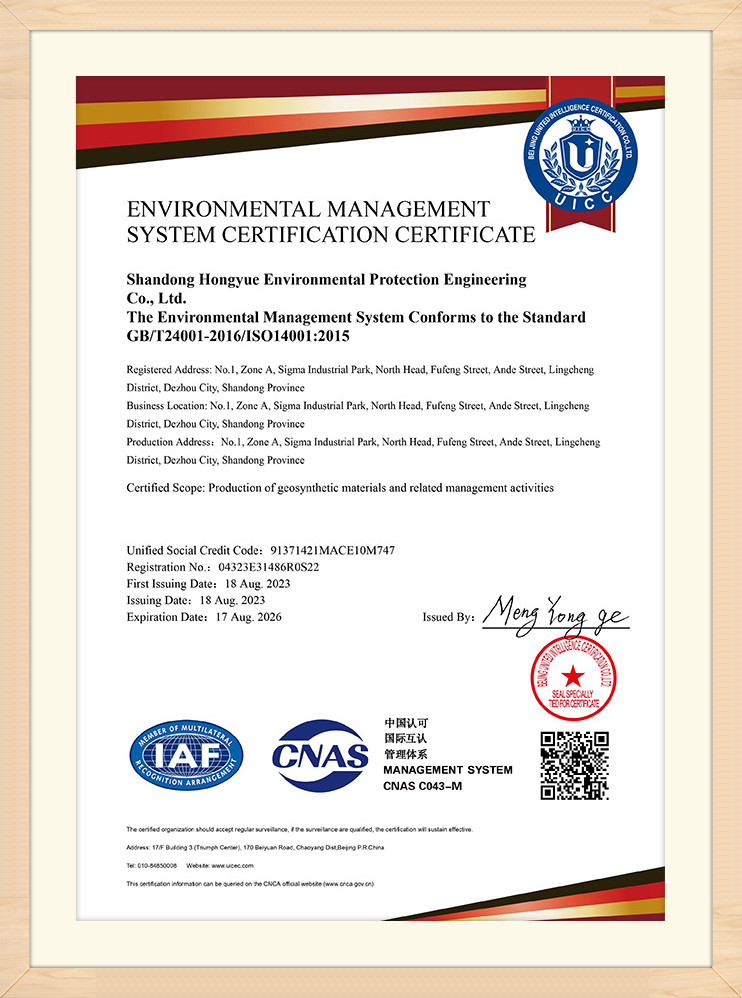
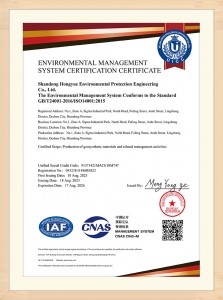
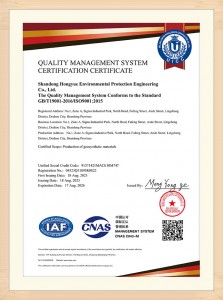
Shandong Hongyue Environmental Protection Engineering Co., Ltd. has a complete and scientific management system, has passed the ISO9001 international quality system certification, ISO14000 environmental system certification, ISO45001 occupational health and safety management system certification. It has won many honors such as "Green building Materials Products", "No consumer complaints", "China Famous Brand", "High-tech Industry", "Quality Service Double excellent Unit", "Provincial poverty alleviation Leading Enterprise" and so on. The company adopts the most advanced production technology and equipment process, and has perfect detection means and precision inspection equipment to ensure that the products always maintain excellent performance. The quality of all products produced by the company has reached or exceeded international standards, and passed the certification of China National Testing Center, and all passed the national quality supervision and sampling inspection commissioned by the State Administration of Quality Supervision and Inspection.
Addressing key engineering considerations for using geocells in Iraq and neighboring arid zones.
Integrated geotechnical materials engineered to meet international project specifications.
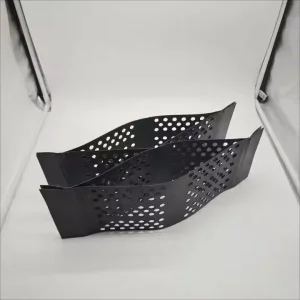
Polymeric alloy composite geocells, offering low thermal expansion rates for demanding environmental containment designs.
View Product Details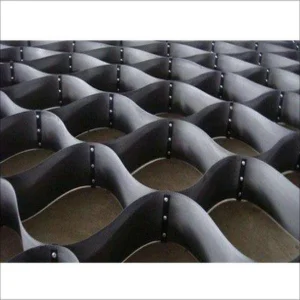
Smooth-surfaced geocells designed for specific containment lining and concrete-filled slope protection systems.
View Product Details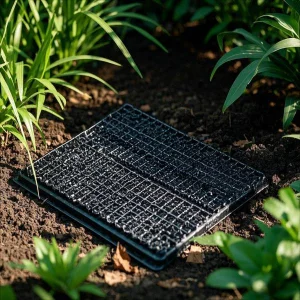
High-compressive strength dimpled plastic sheets, providing efficient drainage and root protection for structural foundations.
View Product Details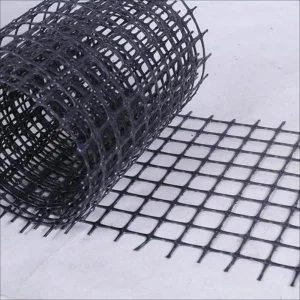
High-strength polypropylene geogrids with high junction efficiency, designed for base reinforcement under heavy highway wheel loads.
View Product Details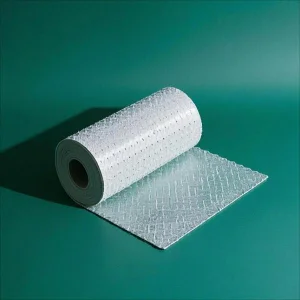
CE-certified coiled HDPE drainage boards, providing reliable hydrostatic pressure relief for underground structures.
View Product Details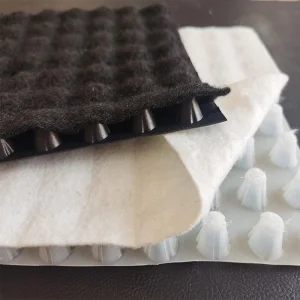
Dual-action geotextile and dimpled sheet composites, providing simultaneous filtration and drainage in retaining walls.
View Product Details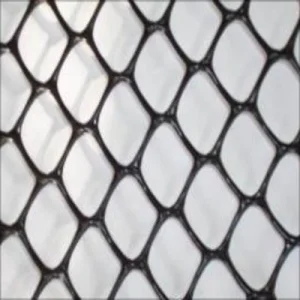
Extruded 3D structures configured for high planar drainage flow, ensuring long-term slope stability.
View Product Details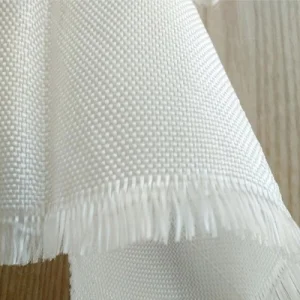
High-tensile woven polyester filament geotextiles, engineered for subgrade reinforcement and soft soil stabilization.
View Product DetailsRequest technical calculations, customized roll specifications, and factory-direct container pricing to Iraq.
Send Inquiry Now Hongyue