Our top selected geocells designed for high structural integrity under seasonal temperature swings from -40°C to +40°C in Kazakhstan.
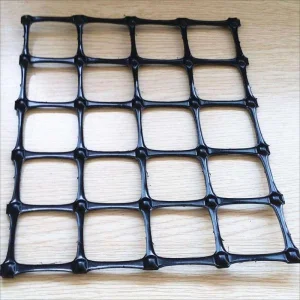
High-strength HDPE cellular confinement systems designed to minimize lateral expansion of aggregate base layers on weak subgrades.
Request Price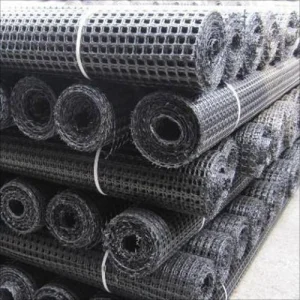
High-elastic modulus polypropylene geocells engineered for severe load-bearing structural support in heavy mining zones.
Request Price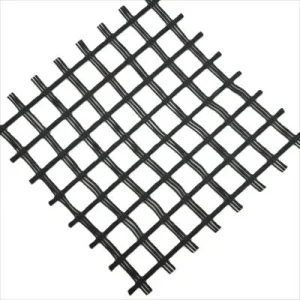
Extreme temperature-resistant fiberglass geocells ensuring low thermal shrinkage and structural strength in high salinity areas.
Request Price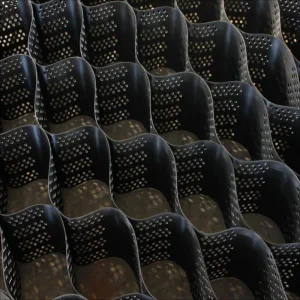
Direct factory price containment structures with certified peel strength and long-term durability for national transit corridors.
Request PriceAn authoritative analysis on structural soil confinement, raw material properties, and strategic sourcing benefits from China's leading geosynthetics production base.
The vast territory of Kazakhstan, spanning from the Altai Mountains to the Caspian Sea, presents unique civil engineering challenges. Rapid infrastructure investments like the "Nurly Zhol" state path program and railway logistics linkages require durable stabilization technologies to cope with highly problematic soils, high water tables, active seismic zones in Almaty region, and severe winter frost heave. Standard roadbuilding methods often result in early structural fatigue, rutting, and embankment washouts.
Geosynthetic confinement—principally executed using 3D high-density polyethylene (HDPE) Geocells—has transitioned from an unconventional material to a standard specification for high-load transport corridors, steep slope retention walls, and containment dams across the Republic of Kazakhstan.
A Geocell works by three-dimensionally encapsulating granular soil fill, creating a composite material with high flexural rigidity and shear strength. When vertical loads are applied to an unconfined soil structure, the particles push outward horizontally, causing rutting or slope failure. A high-tensile HDPE Geocell counters this lateral strain through cell-wall tension, transforming individual weak soil pockets into a continuous, semi-rigid foundation pad that distributes loads over a significantly wider base.
For Kazakhstan's engineering conditions, choosing the right polymer compound is vital. The table below provides a engineering comparative overview of raw materials used in geocell fabrication, focusing on tensile modulus, temperature limits, and chemical resistance:
| Polymer Class | Peel Strength of Weld | Operating Temperature | Optimal Project Application | Environmental Resistance |
|---|---|---|---|---|
| High-Density Polyethylene (HDPE) | ≥ 1420 N / 100mm | -60°C to +80°C | Highways, Railway Beds, Canals | High acid, alkali and UV resistance |
| Polypropylene (PP) | ≥ 1100 N / 100mm | -10°C to +100°C | Heavy Mining Roads (No sub-zero freeze) | Excellent stress-crack resistance |
| Fiberglass Composite | N/A (Interlaced) | -100°C to +200°C | High-Temperature Asphalt Overlay | Immune to extreme thermal expansion |
In most civil structures across Karaganda, Nur-Sultan, and Shymkent, HDPE remains the optimal choice due to its balance of elastic performance, chemical stability in alkaline/acidic soils, and ductile properties in sub-zero environments, which prevents sudden structural cracking during winter freezes.
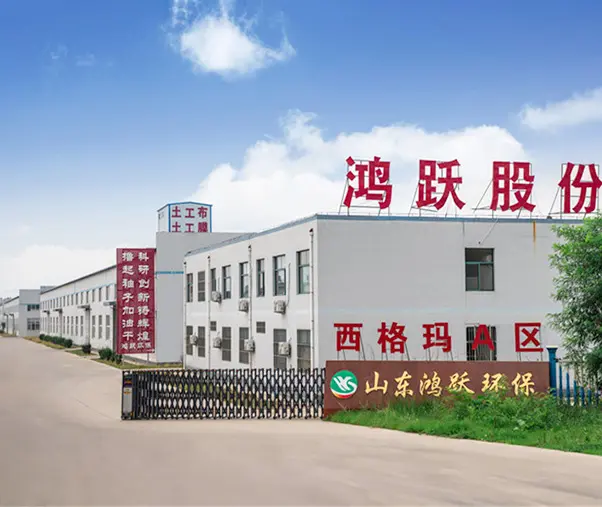
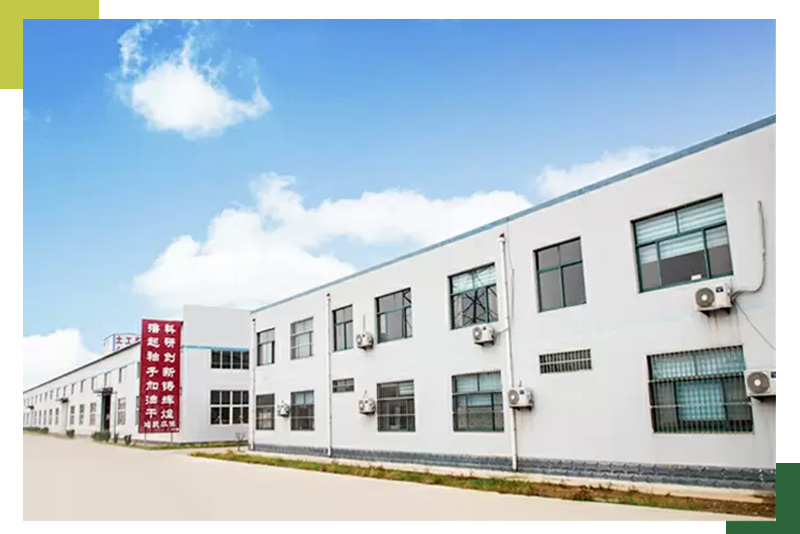
Partnering with a certified, large-scale Chinese manufacturer like Shandong Hongyue Environmental Engineering Co., Ltd. offers significant strategic advantages for Kazakh contractors and state procurement divisions:
A glimpse inside our ISO-certified production lines in Shandong, China.
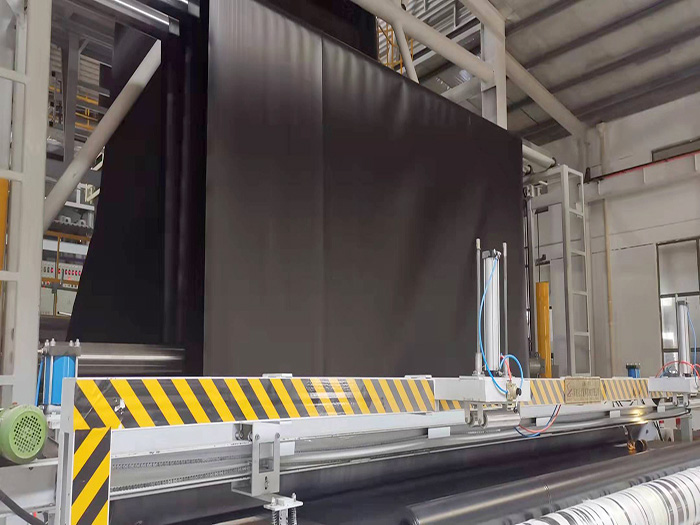
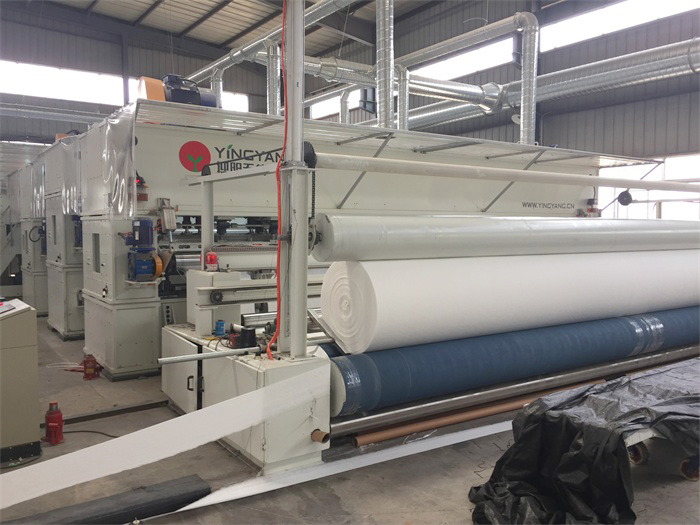
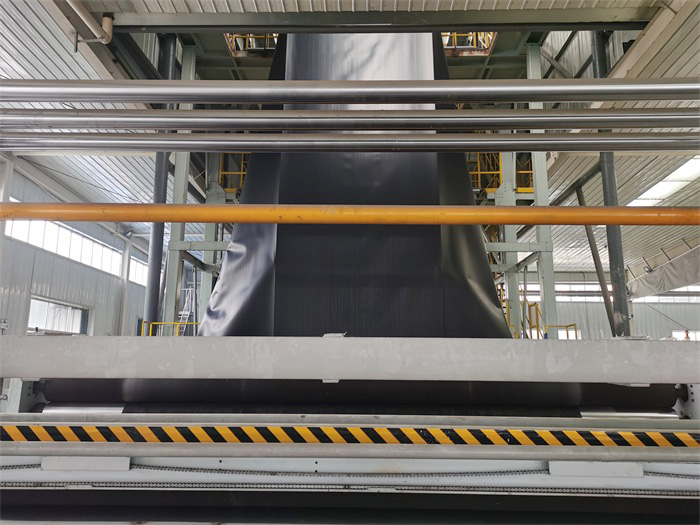
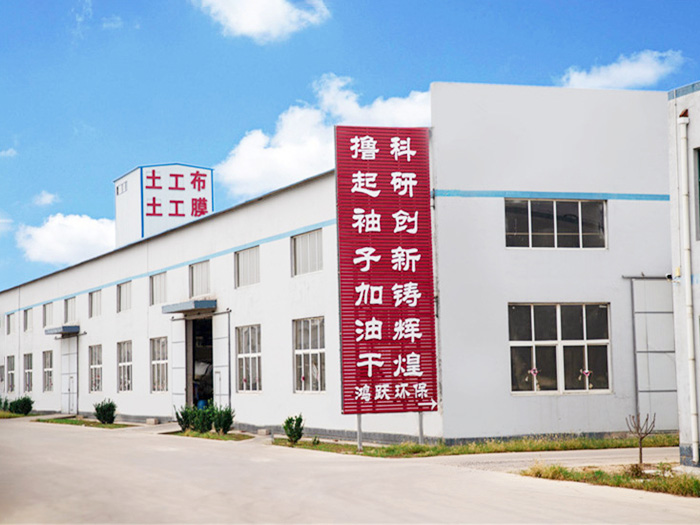
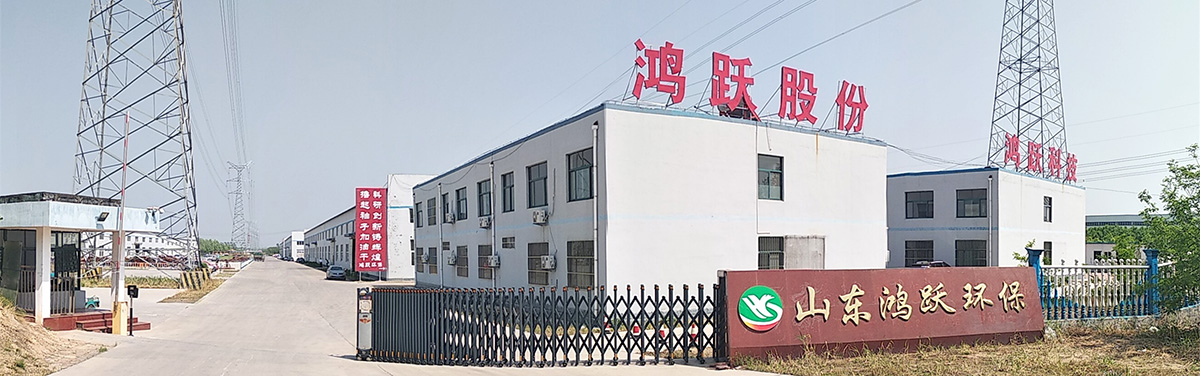
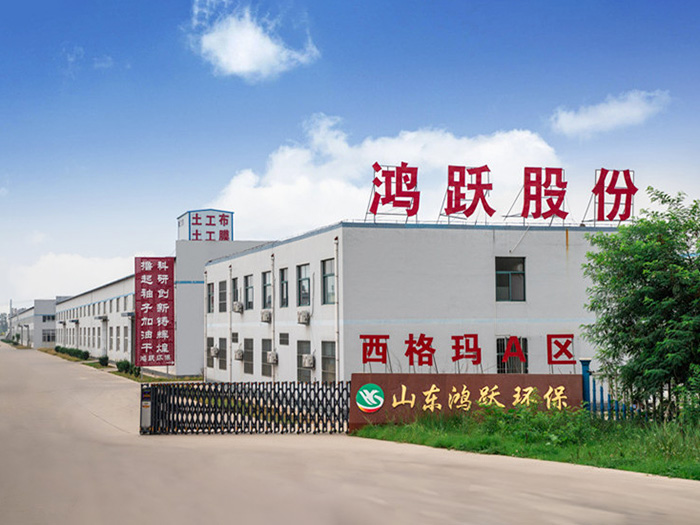
Quality control at Shandong Hongyue is managed via a six-step tracking system, ensuring structural consistency from virgin resin pellets to packed containers:
Providing structural stabilization across challenging environments.
Weak subgrades, such as the silty soils found along the Western Europe-Western China transport corridor, benefit from geocell stabilization. Unconfined aggregate layers tend to sink over time; confining the aggregate creates a semi-rigid slab that distributes high wheel loads evenly, preventing localized rutting and asphalt failure.
In the mountainous terrains surrounding Almaty, seasonal snowmelts cause severe slope runoff and erosion. Anchored geocells filled with local topsoil and seeded with vegetation prevent surface slides, maintaining structural slope stability along critical transport routes.
Vast mineral extraction projects in East and Central Kazakhstan generate high volumes of mining tailing waste. Incorporating HDPE geocells helps stabilize pond containment dikes, preventing failures and protecting surrounding ecosystems.
Maximizing structural life through multi-layered geosynthetic engineering.
While geocells provide structural confinement and erosion control, complex projects often require an integrated geosynthetic approach. For irrigation canals, riverbed channels, and water reservoirs across dry agricultural regions like Kyzylorda, a composite lining system is highly effective. Combining an anti-seepage geomembrane with protective non-woven geotextile layers and a surface-stabilizing geocell prevents water loss and helps protect the subgrade from erosion.
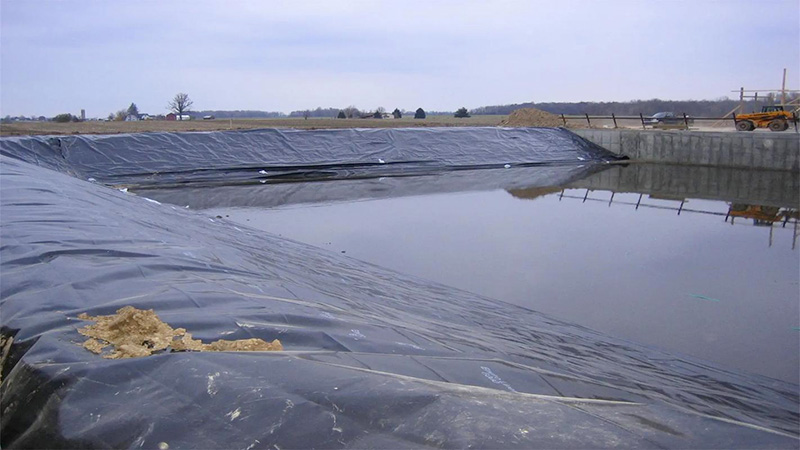
In hydraulic engineering, this combination serves three primary functions:
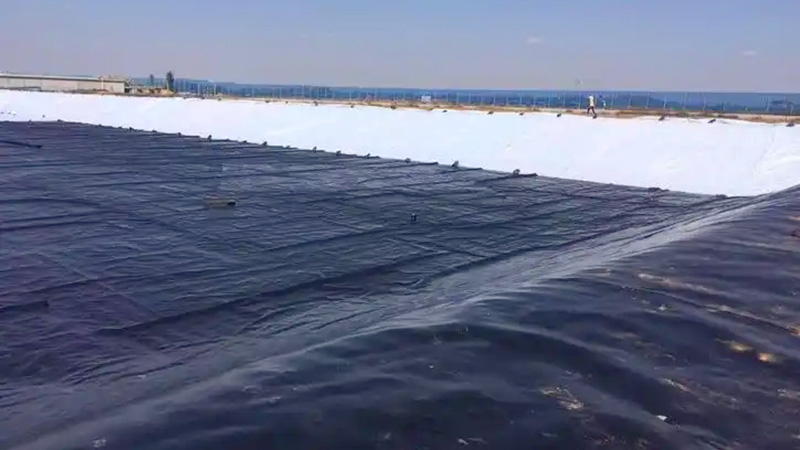
Providing reliable supply and engineering support for global projects.
Browse our wide range of geotechnical materials, engineered for civil, hydraulic, and environmental protection projects.
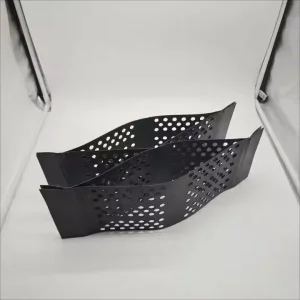
Polymer composite matrices designed for enhanced tensile strength and low deformation under heavy loads.
Get Quote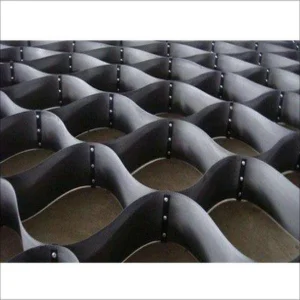
Non-textured, heavy-duty geocell sheets designed for specialized soil types and industrial containment designs.
Get Quote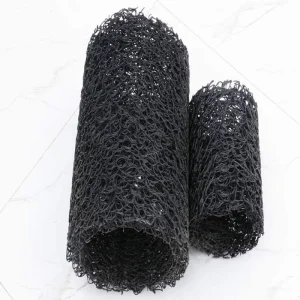
High-compressive strength drainage channels designed for rapid water removal from roadbeds.
Get Quote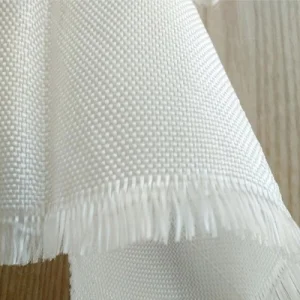
High-tensile woven geotextile fabric engineered for separation and stabilization in heavy rail bases.
Get Quote
Permeable non-woven fabric designed to suppress weeds while allowing water infiltration in green areas.
Get Quote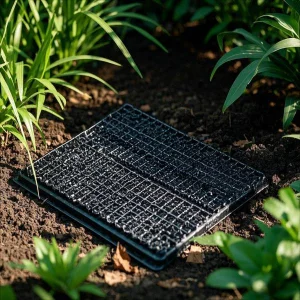
Dimpled plastic core sheet providing drainage pathways and protection for foundation walls.
Get Quote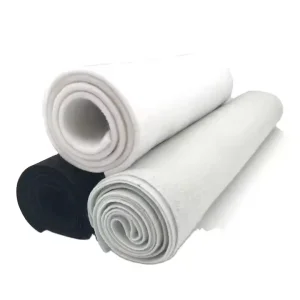
Laminated composite liners providing barrier filtration and mechanical protection in landfill sites.
Get Quote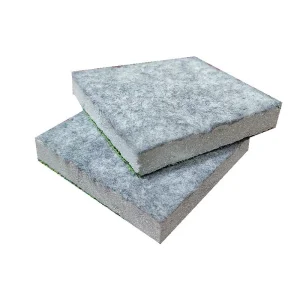
Flexible, geosynthetic cement-impregnated fabric that hardens upon hydration to form a durable concrete barrier.
Get QuoteProviding clear technical guidance to ensure optimal structural performance on-site.
Correct on-site execution is essential to achieve the full structural benefits of geocell confinement. Below is the standard installation process recommended by our engineering department for highway base reinforcement and slope stabilization projects in Kazakhstan:
The site must be cleared of large rocks, vegetation, and organic debris. The foundation soil should be graded and compacted using vibrating rollers to at least 95% of standard Proctor density. Any local soft spots should be excavated and backfilled with structural aggregate.
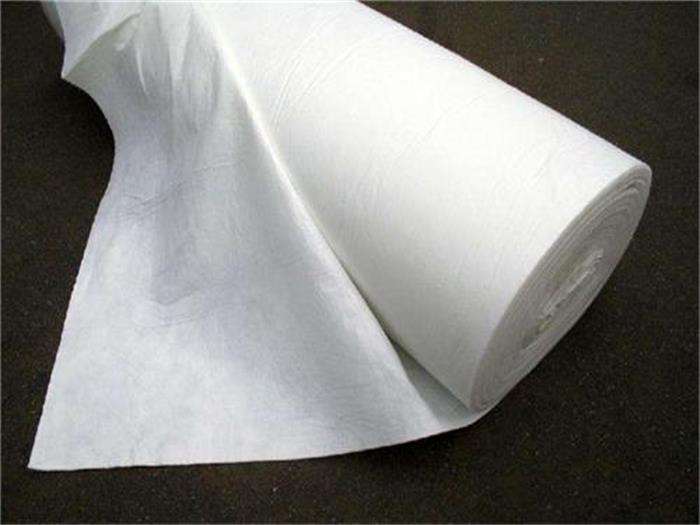
Lay down a non-woven geotextile layer (typically 200–300 g/m²) to act as a separator, preventing subgrade fines from migrating upward into the geocell base. Position the collapsed geocell sections, stretch them to their designed dimensions, and anchor them temporarily using J-pins or steel stakes driven along the perimeter.
Connect adjacent geocell panels using pneumatic stapling guns or high-strength polymer keys. On slope applications, anchor density must be calculated based on the slope angle and soil type. Typically, steel anchor pins (10–14mm diameter) are driven along the crest and down the face in a staggered grid pattern.
Fill the cells with the specified aggregate, topsoil, or concrete. To prevent cell damage, deposit the infill from a drop height of less than 1 meter. Work the infill from the crest downward on slopes. Finally, compact the filled cells using vibratory rollers or plate compactors to consolidate granular fills.
At Shandong Hongyue, quality is verified through our testing lab before any batch is dispatched. We perform regular tests to verify key properties, including carbon black content, environmental stress-crack resistance (ESCR), and seam peel strength.
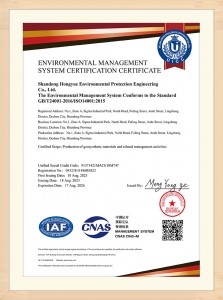
Common questions from procurement managers and engineers regarding geocell sourcing for Kazakhstan.
Get in touch with our technical team today to request structural calculations, product specifications, and direct factory pricing.
Send Inquiry Now Hongyue