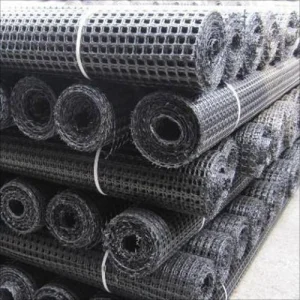
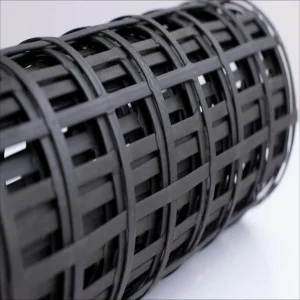
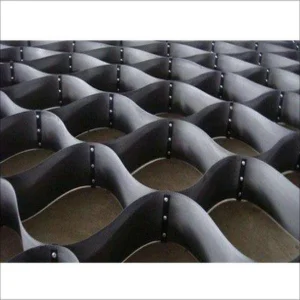
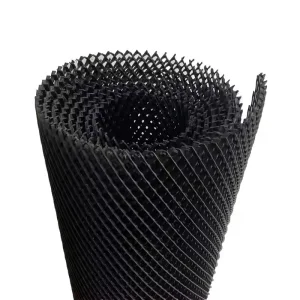
Modern road infrastructure confronts unprecedented challenges due to swelling traffic loads, volatile weather conditions, and sub-optimal geological environments. To extend pavement service life, minimize reflective cracking, and reduce maintenance outlays, Wholesale Geogrid for Road Construction has emerged as the premier design intervention for geotechnical and civil engineers globally.
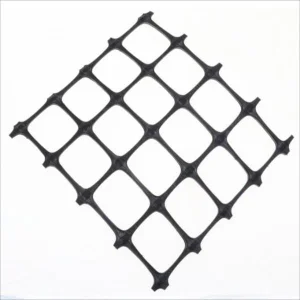
By distributing dynamic loads across a wider footprint, geogrids enhance the bearing capacity of soft soils, restrict horizontal aggregate movement, and lower base course thickness parameters by up to 50%. The integration of geogrids acts as a confinement mechanism, locking particles in place via mechanical interlock, optimizing structural resilience and securing roadbeds against shear failure.
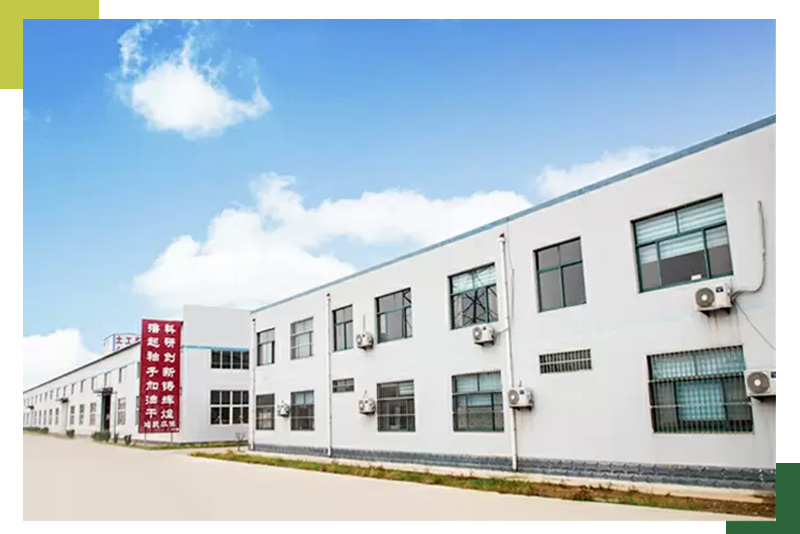
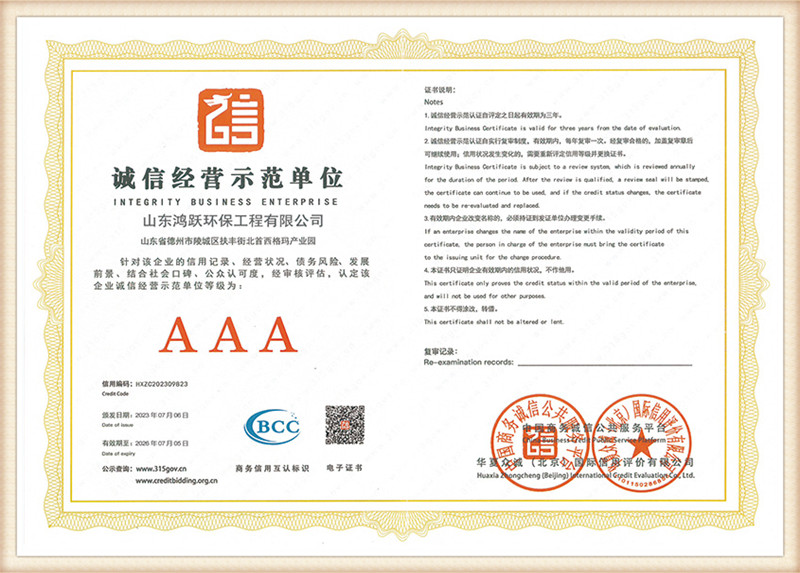
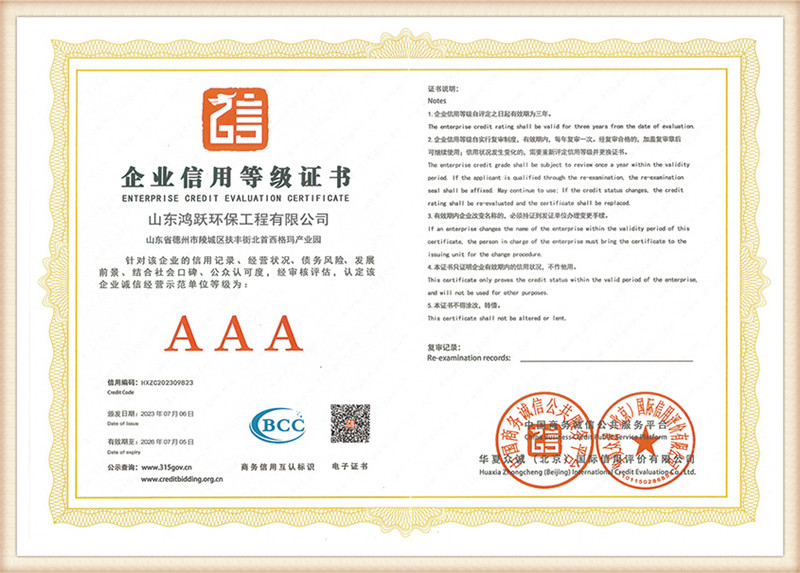
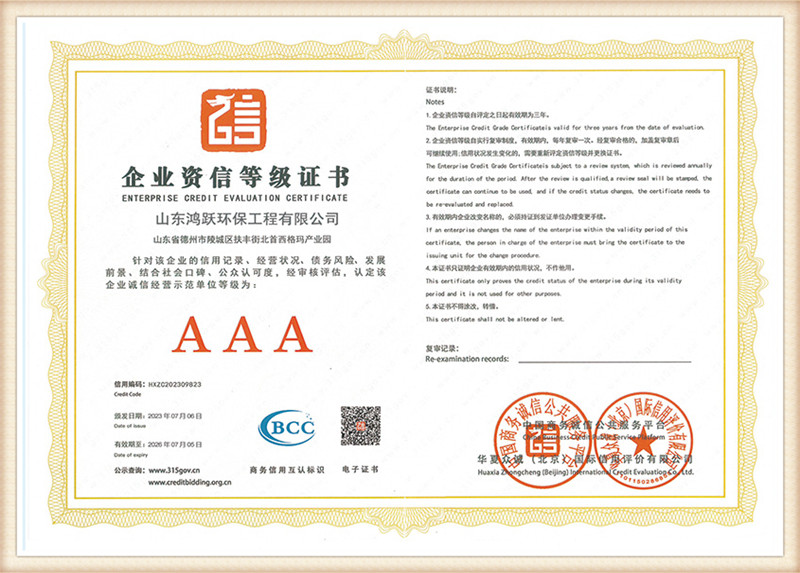
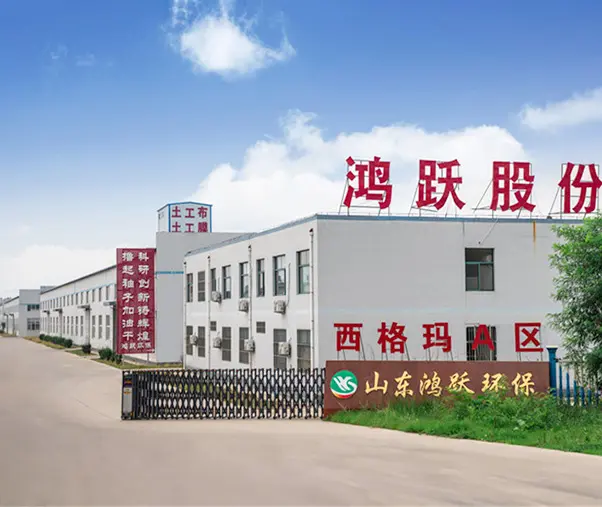
Dezhou, Shandong is known as the "Geotextile Capital of China." Sourcing geogrids directly from Shandong Hongyue offers substantial advantages for global infrastructure planners:
High performance geotextiles and geogrids demand rigorous quality and process control at every phase of creation. Our modern workshop processes raw polymers into robust reinforcing meshes that meet ASTM, ISO, and CE specifications.
Polyester chips, high-density polyethylene, and premium polypropylene filament are inspected and stored, ensuring chemical purity and uniform molecular weight.
Polymer chips are heated and extruded using high-pressure twin-screw extruders. Temperature, pressure, and polymer alignment are carefully managed to secure high tensile strength.
The molten material is sprayed through precision spinnerets to form a web structure on conveyor belts. For geogrids, sheet punching and heating draw processes orient molecules along tension lines.
Controlled cooling and high-ratio drafting occur in tandem, optimizing the elasticity, yield point, and long-term creep properties of the finished grid.
Cured geotextile sheets and geogrid rolls are wound to standardized lengths and widths. Protective packaging prevents UV deterioration and transit damage.
Every production run undergoes physical property evaluations (wide-width tensile, static puncture), chemical resistance validation, and dimensional accuracy checks before dispatch.
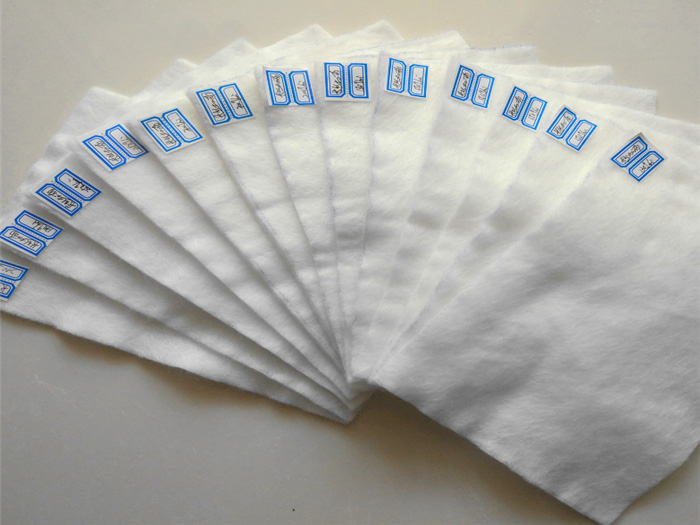
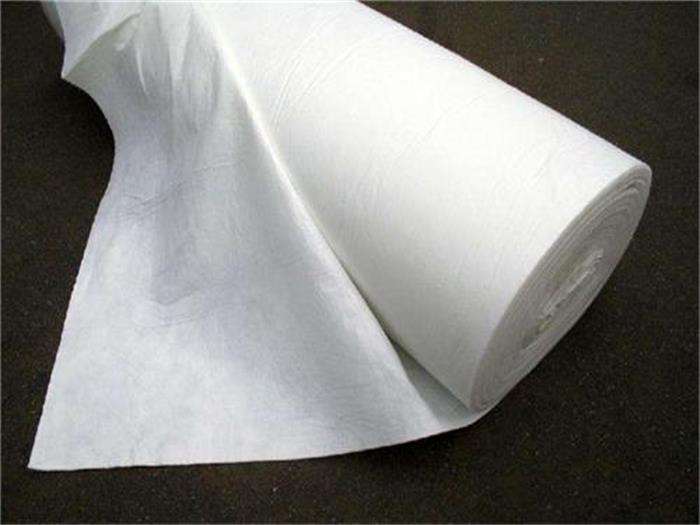
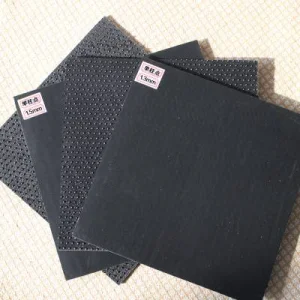
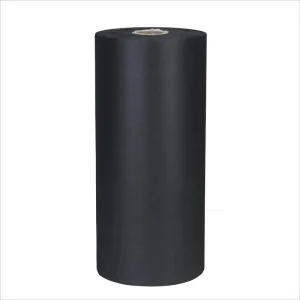
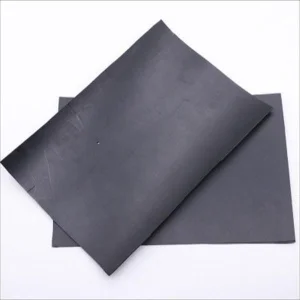
Geomembranes are highly impermeable polymeric barriers widely deployed to mitigate fluid migration in hydraulic, landfill, and structural works. Ensuring performance requires adherence to proper site preparation and installation protocols:
- High-Density Polyethylene (HDPE): Selected for applications requiring exceptional chemical resistance, thermal stability, and long-term durability (e.g., municipal landfills).
- Linear Low-Density Polyethylene (LLDPE): Offers superior flexibility and elongation properties, ideal for uneven topographies or steep containment slopes.
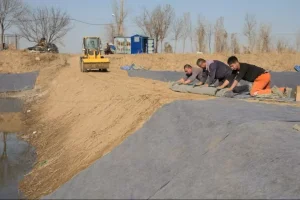
Laying begins with thorough subgrade preparation (removal of sharp aggregates and tree debris). Joints must be cleaned and welded using dual-track wedge welding or extrusion welding machines. Non-destructive pressure tests ensure the structural integrity of welded seams.
Regular site surveys monitor for physical tears, substrate shift, or ultraviolet aging. Any compromise in the geomembrane barrier should be repaired promptly with extrusion patches matching the parent material thickness.
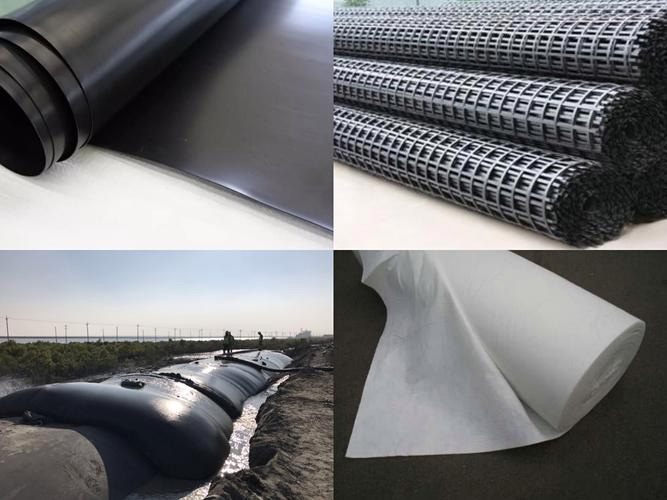
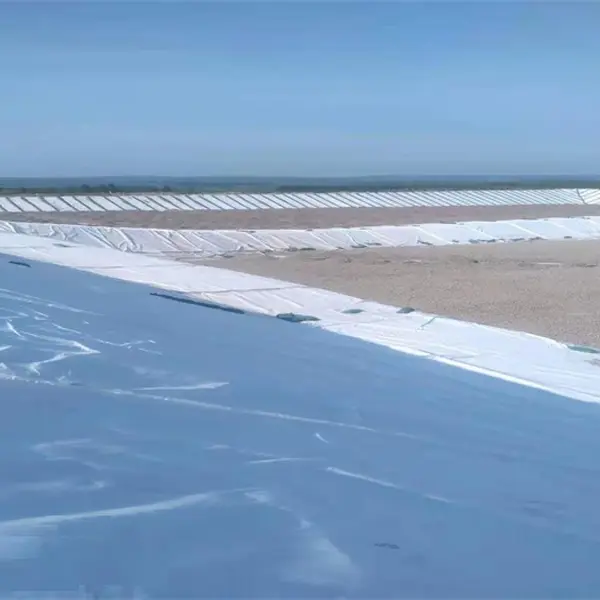
Reinforces earthen dams, concrete dykes, and storage reservoirs against piping failures, stabilizing local hydro-stress.
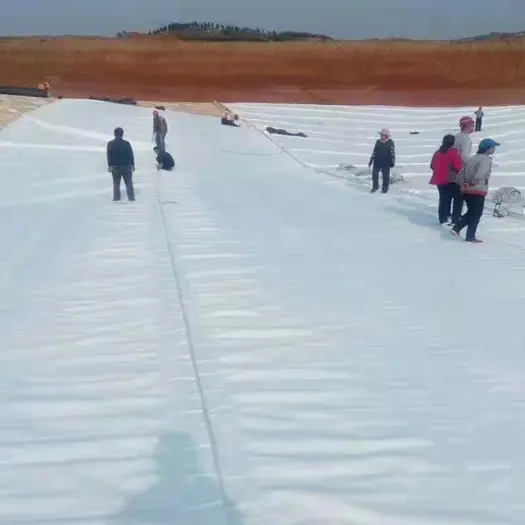
Preserves agricultural runoff and canal currents, blocking leakage and sustaining surrounding ecological balance.
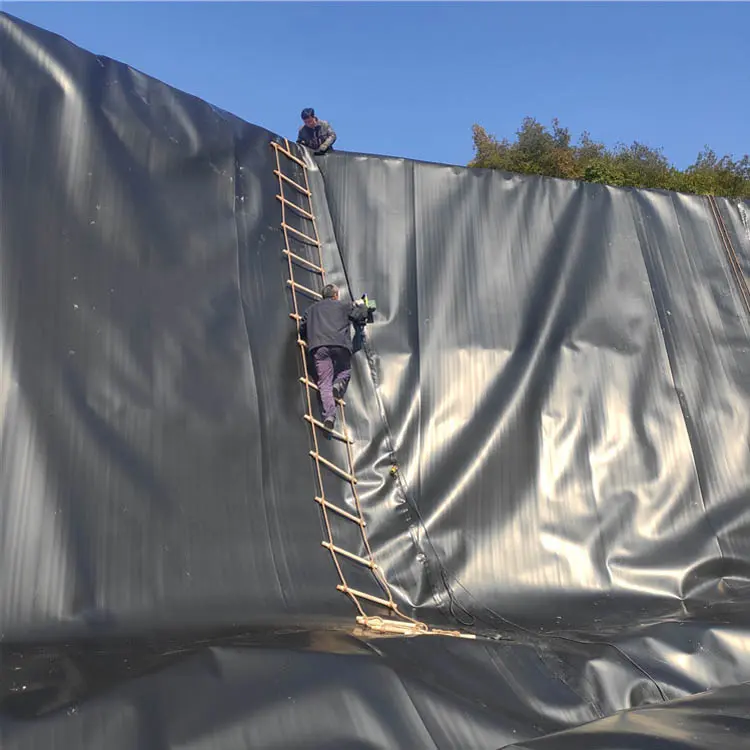
Combines geomembranes and GCL blankets to isolate municipal waste, preventing toxic leachate from infiltrating aquifers.
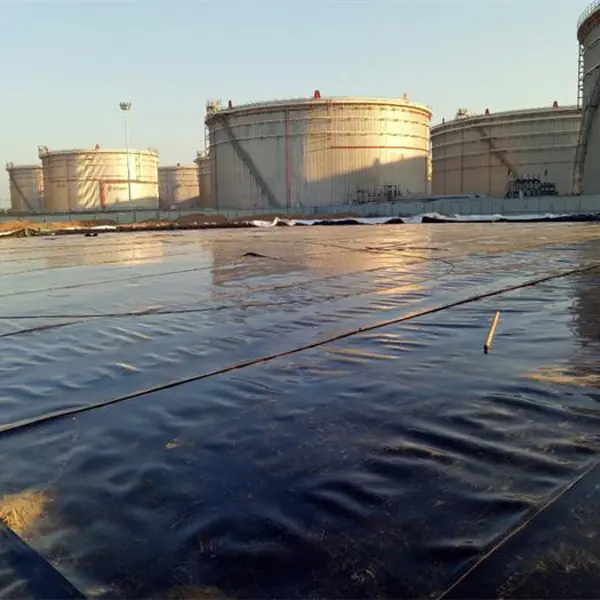
Protects refinery facilities and storage yards with chemical-resistant liners to isolate accidental hydrocarbon leaks.
Water conservancy networks play a critical role in agricultural security and municipal drinking supply. Incorporating robust geomembranes ensures structural stability, control of fluid dynamics, and minimal water resource loss.
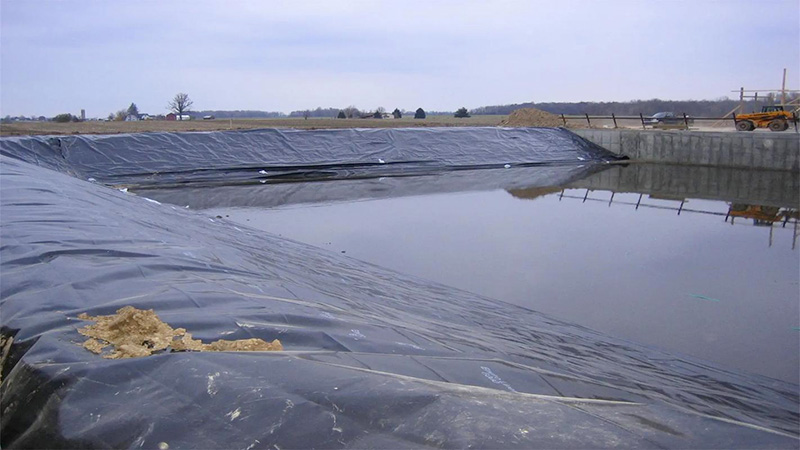
Reservoir floors located in valleys or fractured bedrock rely on geomembrane barriers to block water migration, avoiding localized subgrade collapse and retaining stored volume.
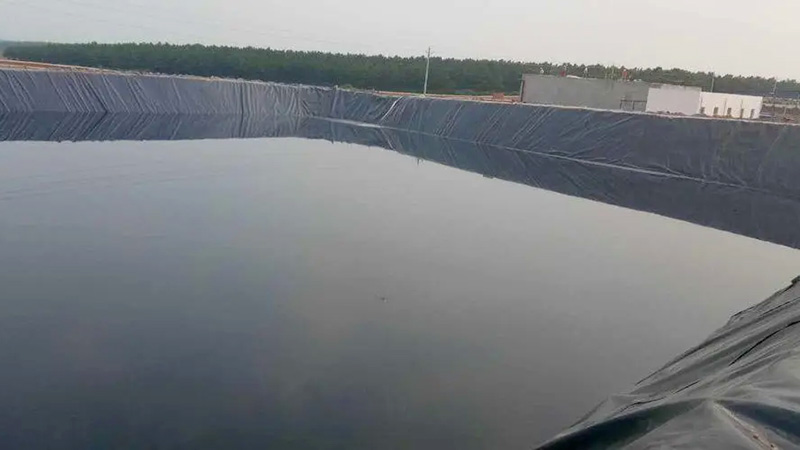
Earthen levees are subject to internal erosion. Inserting structural geotextiles and geomembranes prevents seepage pathways from widening and causing structural failure.
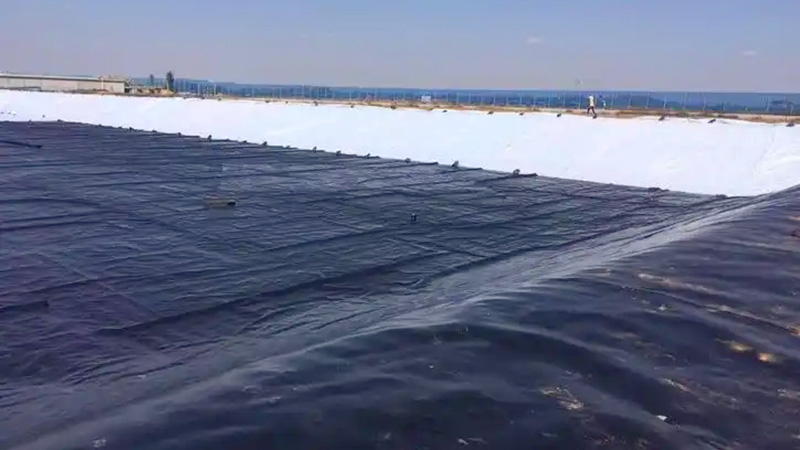
Canal banks are exposed to high scour forces. Combining geocells and geomembranes protects the banks, keeping channels functional and stable over long operational lifespans.
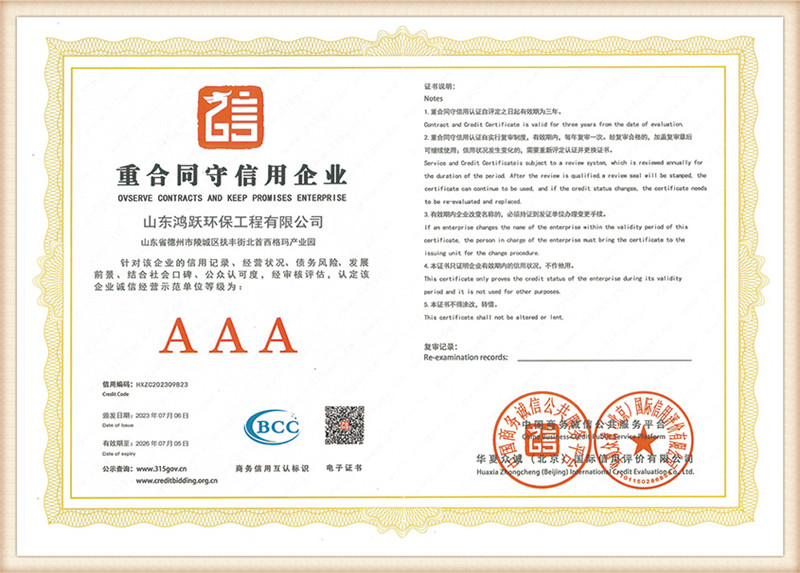
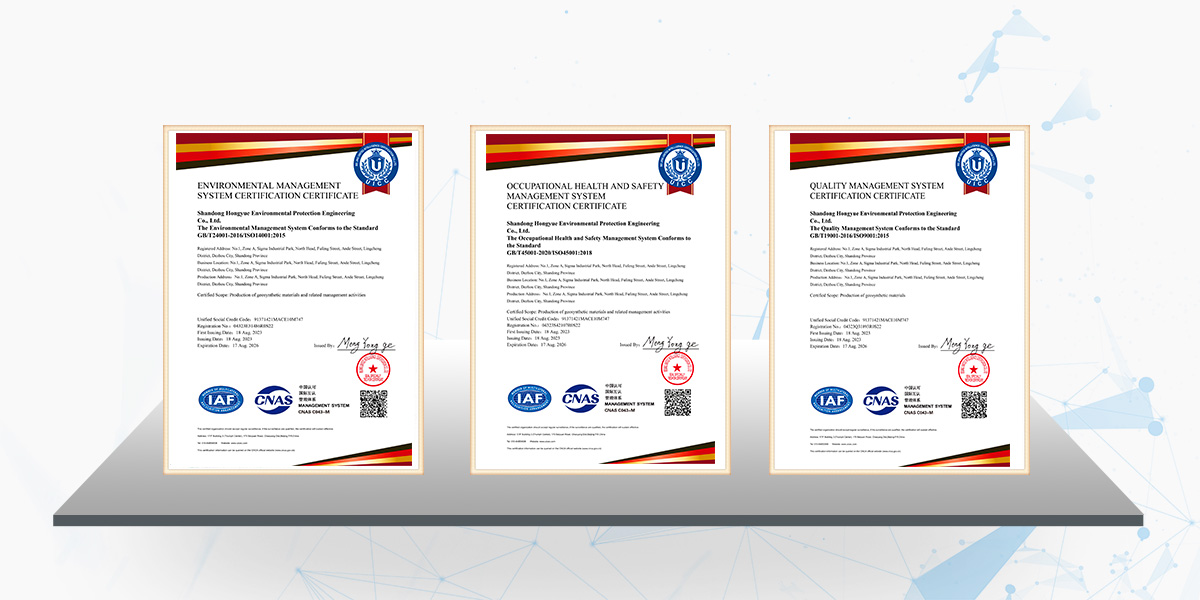
Shandong Hongyue Environmental Engineering Co., Ltd. operates under a complete, scientific management framework. We have obtained international accreditations including ISO9001 Quality System Certification, ISO14001 Environmental System Certification, and ISO45001 Occupational Health and Safety Management System Certification.
Our facility has received multiple honors, including "Green and Environmentally Friendly Building Materials Products," "Famous Chinese Brand," "High-Tech Industry," and "Quality Service Double Excellent Unit."
Equipped with testing systems and precision inspection tools, we ensure our products consistently perform under field stress. Every production lot matches or exceeds international guidelines, validated by the China National Testing Center and verified through national quality inspections.
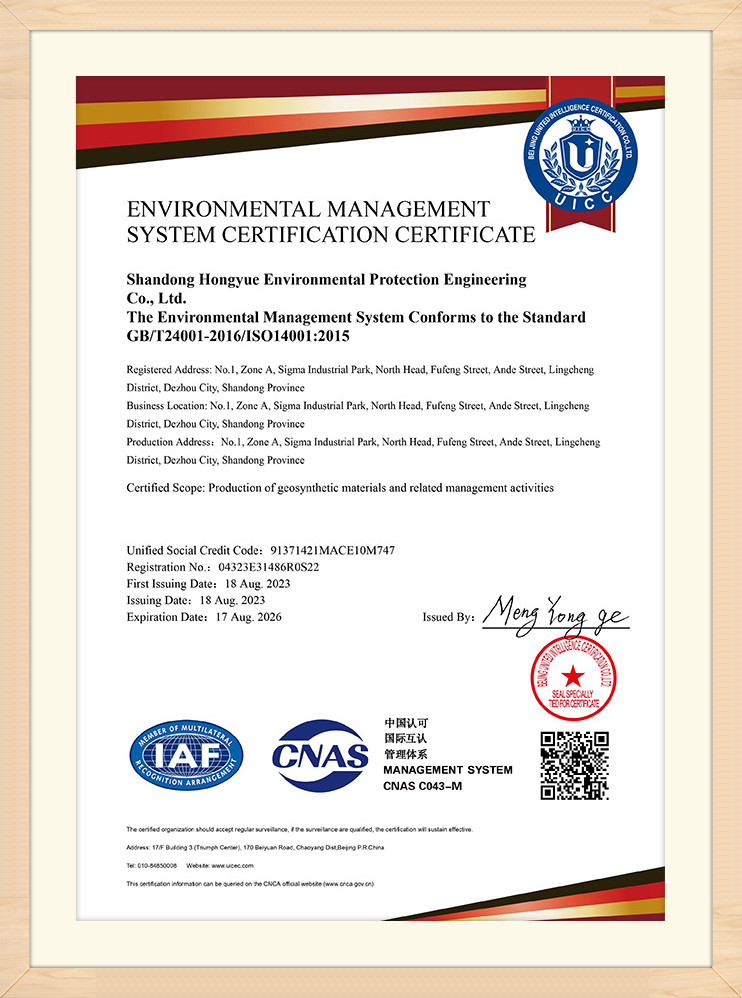
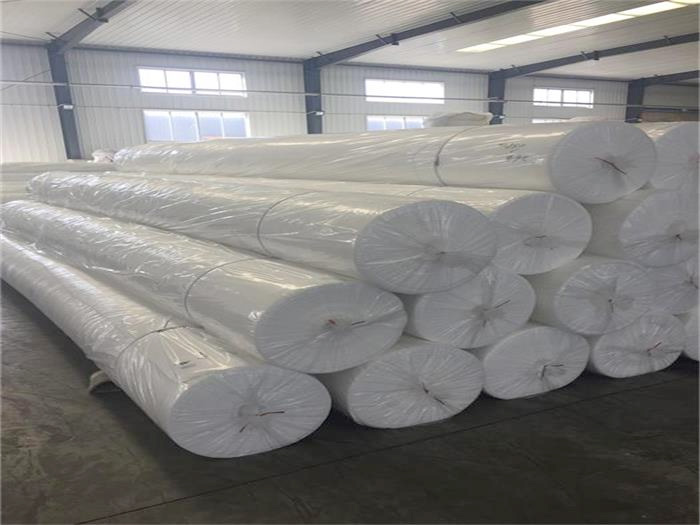
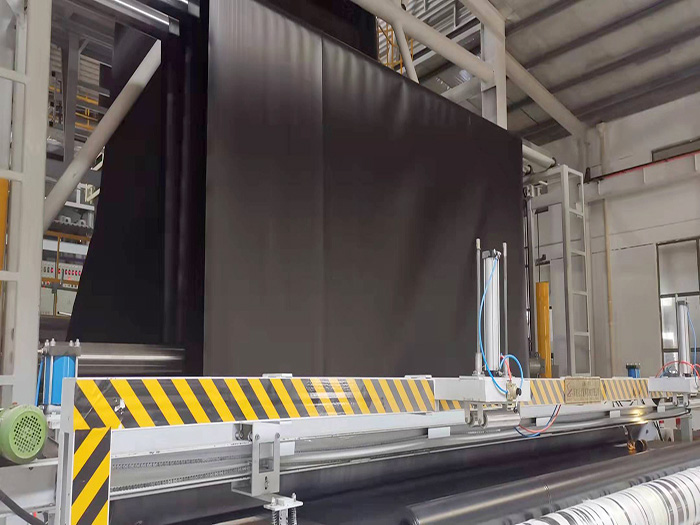
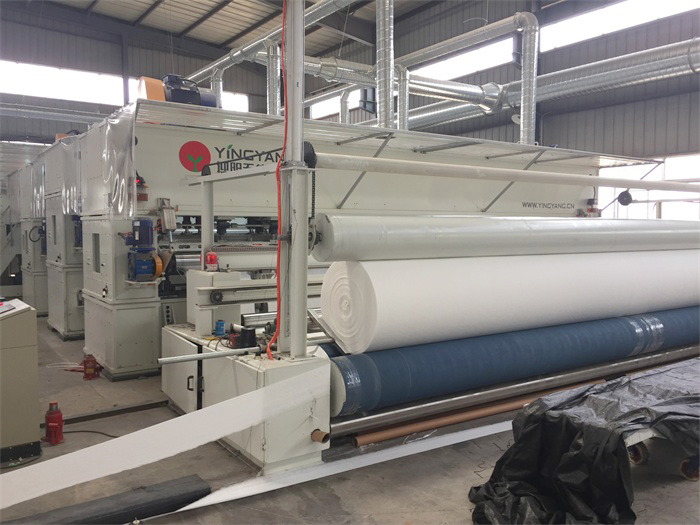
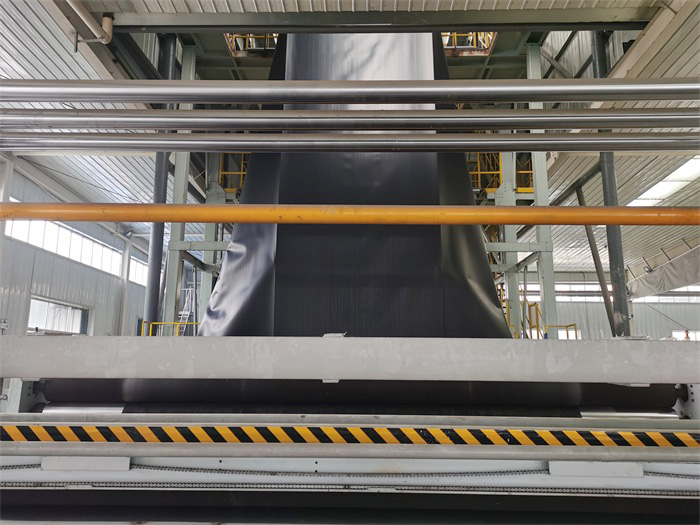
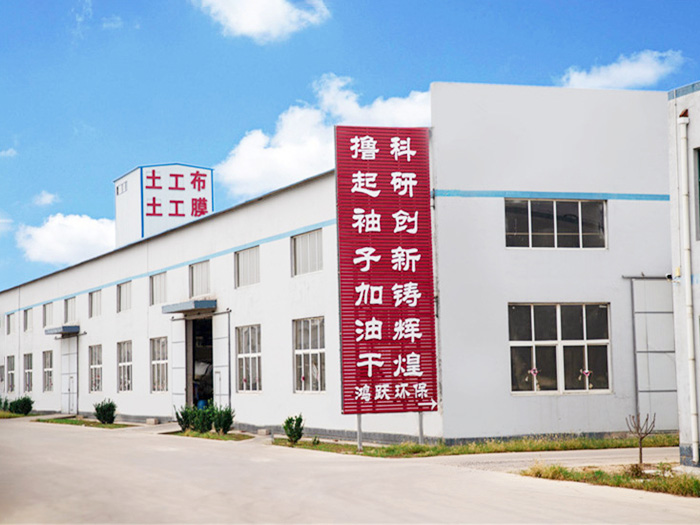
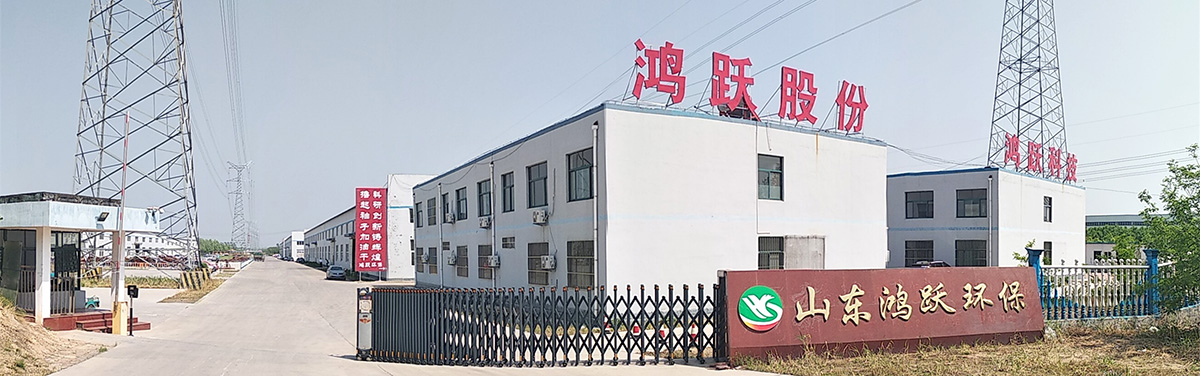
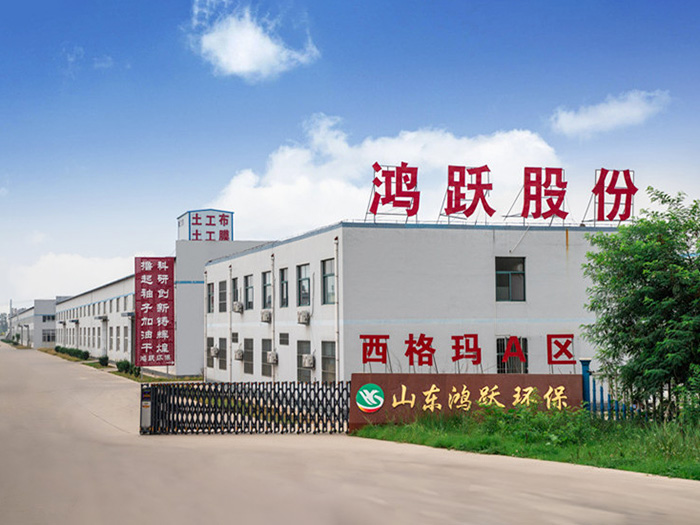
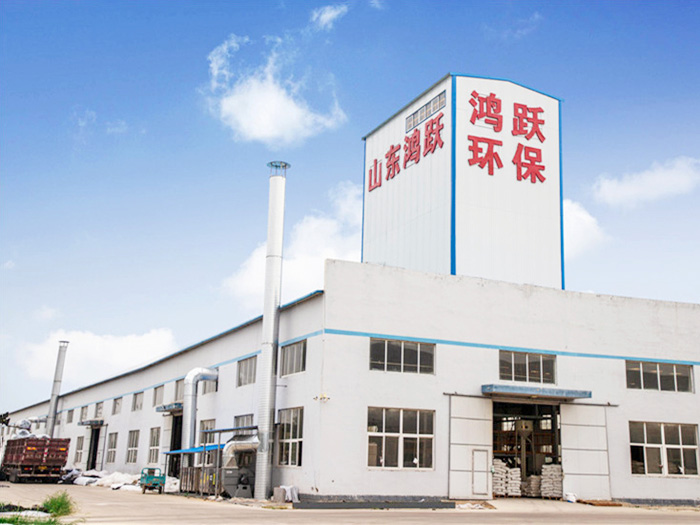
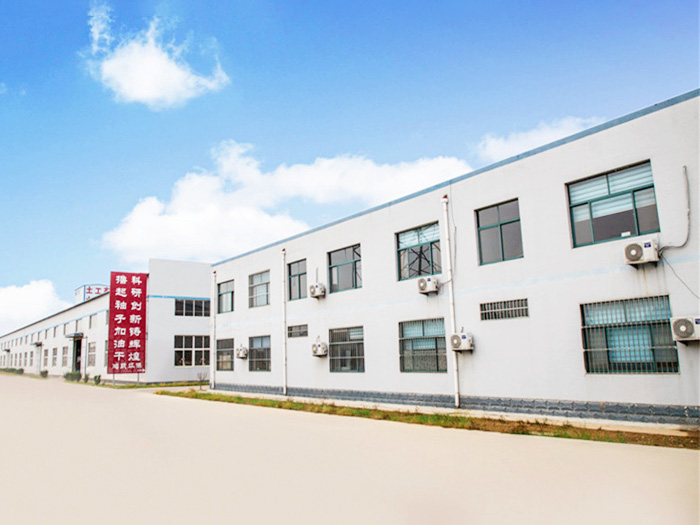
Equipped with advanced European-imported extruders, dynamic drawing networks, and automated packaging systems, we maintain a reliable supply chain. Below are direct views from our factory workshop, illustrating our production capacity and large-scale output.
The global geotechnical industry is moving toward high-efficiency materials that reduce carbon footprints. Key developments shaping the sector include:
 Hongyue