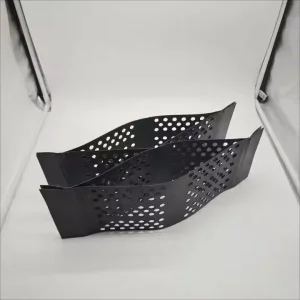
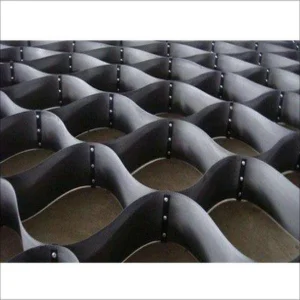
Engineered for high structural reliability under extreme climatic fluctuations, from Patagonia’s wind erosion to the humid subtropical Pampas.
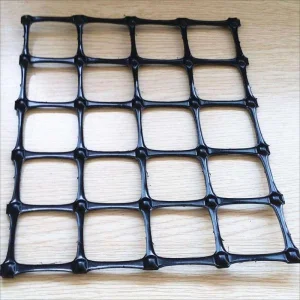
Optimized for localized soil confinement in Patagonian wind-erosion corridors and access roads.
Technical Datasheet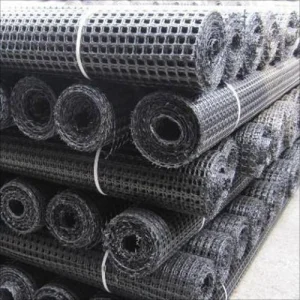
Excellent creep resistance, highly recommended for structural slopes and railway subgrades.
Technical Datasheet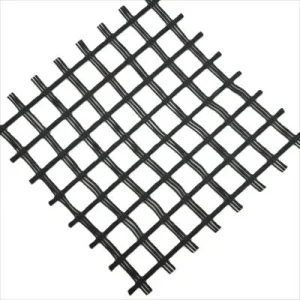
Low thermal expansion profile, designed specifically for hot arid highlands and mining routes.
Technical Datasheet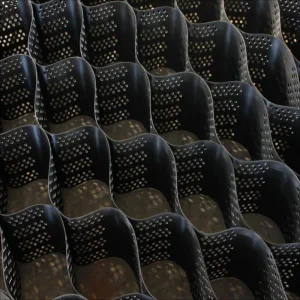
ASTM D1505 HDPE base polymer. Certified peel strength for heavy hydraulic projects.
Technical DatasheetArgentina's infrastructure landscape is confronting unprecedented geo-technical and meteorological shifts. From the lithium extraction zones in the high-altitude Salar deposits (Puna region) to the shale developments in Vaca Muerta (Neuquén Basin), the demand for reliable soil stabilization has surged. Traditional construction techniques often fail in these remote, resource-intensive regions due to logistical overheads and severe, local aggregate scarcity.
Three-Dimensional Cellular Confinement Systems (CCS), commonly known as geocells, solve this issue. By utilizing high-density polyethylene (HDPE) or advanced composite polymers, geocells mechanically stabilize poor subgrade soils by distributing horizontal stress. This drastically reduces the necessary base-course thickness (often up to 50%) and permits the utilization of locally sourced, lower-quality sandy or silty aggregates instead of costly imported crushed stone.
For international procurement managers, the Argentinian market presents distinct operational realities. Subgrade variability across the country is pronounced. In the humid regions of Buenos Aires, Santa Fe, and Entre Ríos, water-logged soils require heavy stabilization to support transport networks. Conversely, in the dry, arid Western provinces (such as Jujuy, Salta, and Mendoza), high UV indices and high wind velocity lead to soil erosion and wind-blown degradation on slopes and linear assets.
Furthermore, local Argentinian engineering specifications increasingly align with international ASTM standards, necessitating imported materials that hold strict compliance records. Infrastructure developers operating in Vaca Muerta or the Lithium Triangle must choose geocells with proven Environmental Stress Crack Resistance (ESCR) higher than 500 hours (per ASTM D1693) and weld peel strength exceeding 1420 N per 100mm of cell depth (per ISO 13426-1).
Aggregate Base Reduction
ASTM D1693 ESCR Spec
Registered Cap (RMB)
Global Export Markets
Shandong Hongyue provides a holistic suite of products rather than simple, isolated materials. When planning large-scale Argentinian municipal or transport projects, integrating Geocells with complementary geosynthetic systems yields optimal performance:
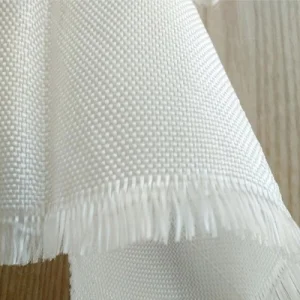
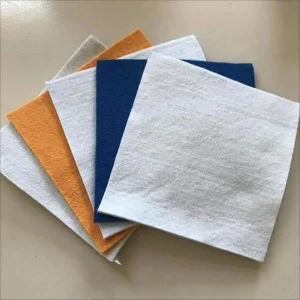
Combining HDPE geocells with non-woven geotextiles prevents the migration of subgrade fines into the geocell fill. This maintains structural drainage and prevents differential settlement.
In river canal alignments and bridge abutments, laying geocells alongside structured drainage boards and composite networks handles heavy water discharge without erosion.
Utilizing perforated textured geocells filled with topsoil, combined with local hydroseeding, supports vegetation growth on steep, dry Andean slopes.
The cost of geocells in Argentina is defined by material grade, cellular height, and weld spacing. For severe structural loads, virgin HDPE is non-negotiable. Recycled plastics are cheaper but prone to rapid stress-cracking in alpine UV levels. Below is an engineering baseline matrix mapping common project specs to estimated FOB price levels.
| Application Area | Weld Spacing (mm) | Cell Height (mm) | Material / Spec | Price Indicator (FOB) |
|---|---|---|---|---|
| Patagonia Access Roads | 330 - 450 mm | 100 - 150 mm | Virgin HDPE, Perforated, Textured | Competitive Wholesale |
| Lithium Mine Haulage | 330 mm | 150 - 200 mm | Reinforced PP / High-Strength HDPE | Industrial Spec |
| Slope / River Banks | 450 - 500 mm | 75 - 100 mm | Standard Perforated HDPE | Economy-Scale |
| Railway Subgrade | 330 mm | 150 - 200 mm | Fiberglass / Specialized Composites | Project Quote Required |
Note: Custom dimensions, including cell wall thicknesses of 1.1mm to 1.8mm and colored UV-resistant pigments (green, brown, black), are fabricated directly on our state-of-the-art extrusion lines.
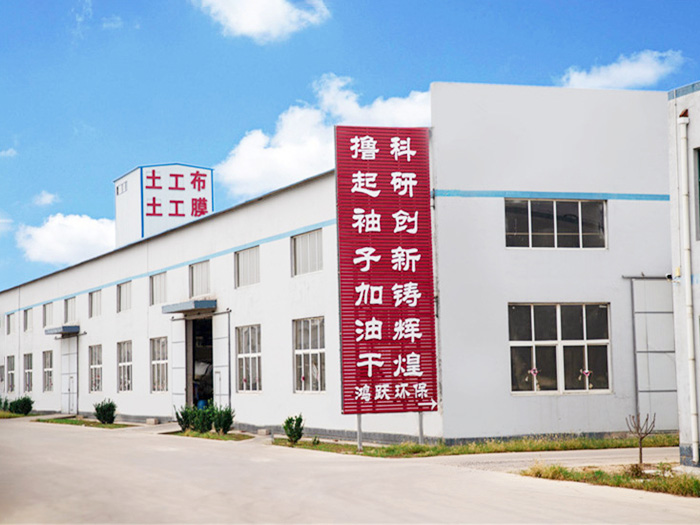
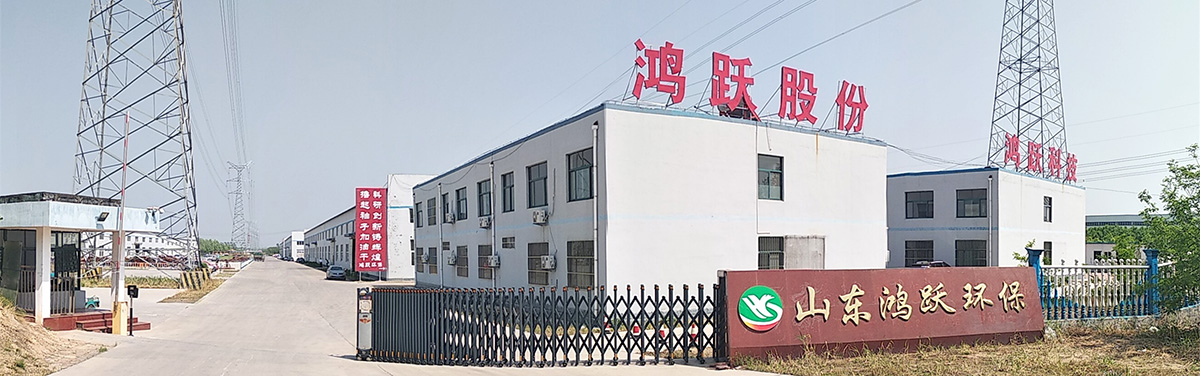
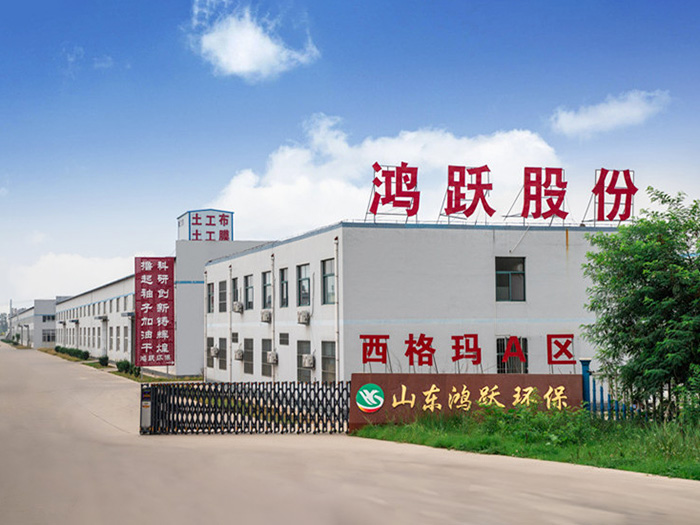
Established on April 6, 2023, with a substantial registered capital of 105 million yuan, Shandong Hongyue Environmental Engineering Co., Ltd. is a leading manufacturer of geotechnical materials in Dezhou, Shandong Province, China. Positioned inside the Dezhou Geotextile Association cluster, our facility coordinates the production, design, and custom construction support for international buyers.
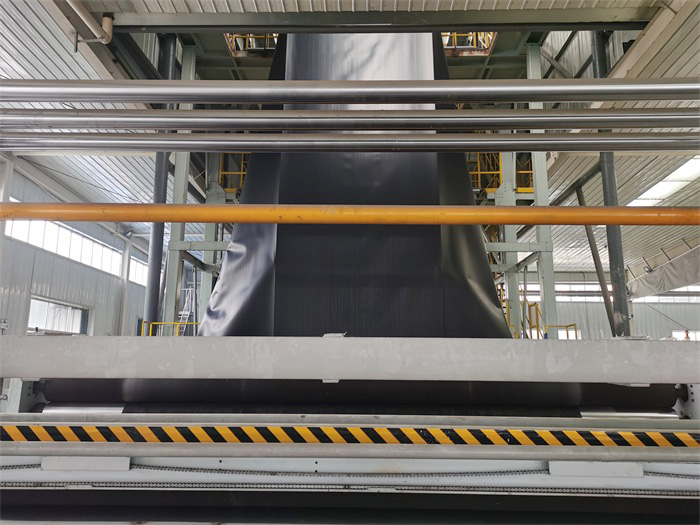
Our operations have successively cleared ISO9001:2015 International Quality Management System, ISO14001:2015 Environmental System, and ISO45001:2018 Occupational Health and Safety Management System certifications. We operate multi-stage extrusion and ultrasonic welding lines, ensuring consistent dimensional integrity and peel-strength values that consistently exceed industry requirements.
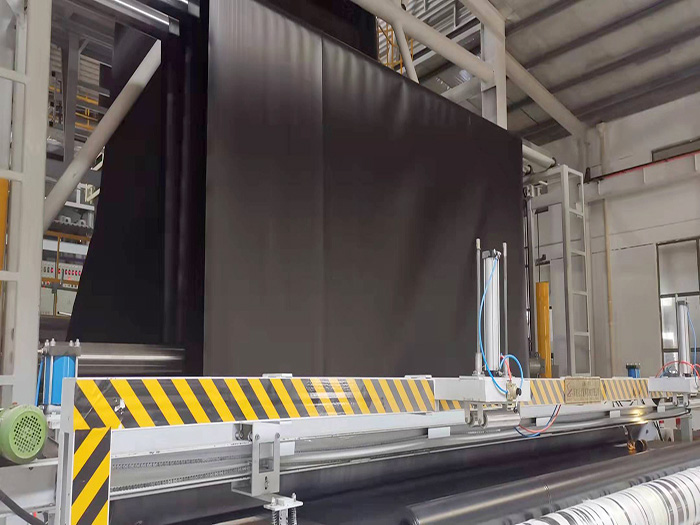
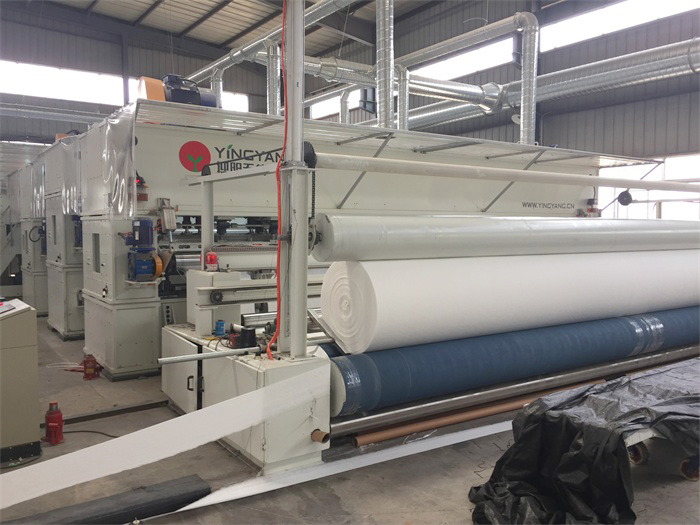
Exporting to Argentina requires clear compliance with local regulations, customs protocols, and international quality standards. Shandong Hongyue handles global container logistics from Qingdao Port directly to major Argentinian entry points, including Buenos Aires, Bahia Blanca, and Rosario.
We supply a complete suite of documentation, including Certificate of Origin, Mill Test Certificates (MTC), and detailed testing data mapping ASTM specs, to facilitate smooth customs clearance. If your project is monitored by national organizations like Vialidad Nacional or requires alignment with local IRAM (Instituto Argentino de Normalización y Certificación) criteria, our engineering support team can customize material parameters to meet these demands.
Our custom formulas are optimized to pass local weathering and cyclic freeze-thaw tests mandated in Southern Patagonian zones.
Every batch shipped to South America undergoes ultrasonic weld inspection, density profiling, and tension testing prior to container loading.
We provide standard packaging profiles designed to handle transit and port storage conditions in Latin America.
A comprehensive geosynthetics portfolio engineered to handle complex civil engineering, hydraulic lining, and environmental projects in Argentina.
As Latin American engineering frameworks shift toward carbon-neutral infrastructure development, the carbon footprint of structural materials has become a major metric for public tenders. Standard concrete retaining walls emit significant amounts of greenhouse gases. Transitioning to geocell-reinforced vegetated slopes substantially reduces dynamic carbon emissions during the construction lifecycle.
Looking ahead, Shandong Hongyue is investing in bio-based composite geocells with enhanced UV life cycles for hyper-arid desert regions, as well as smart sensor-embedded geogrids to monitor live shear stresses on critical transport pipelines. Our commitment to green materials development ensures our products align with the strict environmental targets of international development banks funding South American public works.
Expert clarifications regarding technical execution, procurement pricing, and logistics protocols for Argentina.
Our geocells are manufactured using virgin HDPE compounded with specialized carbon black (minimum 2.0% concentration by weight). This provides high resistance to UV degradation, ensuring a service life exceeding 50 years under extreme sun exposure.
We palletize and secure geocell panels in compressed bundles to minimize container footprints. Typical maritime transit from Qingdao to Buenos Aires port takes roughly 35 to 45 days. We provide comprehensive export documentation, including Mill Test Certificates and packing declarations.
Yes. The core mechanism of a Cellular Confinement System (CCS) is to stabilize cohesionless soils, such as sand or fine silt. By confining the lateral movements of sand particles under load, geocells create a stable composite structure that distributes heavy traffic loads.
Our quality control department tests every production run per ASTM D5199 and ISO 13426-1 standards. We pull weld junctions under load to verify they meet or exceed standard requirements (e.g., 1420 N for a 100mm height wall) and supply these records with our test certificates.
We work with standard international commercial payment systems, including Telex Transfer (T/T) and Letter of Credit (L/C). Our export team can assist you with local import agency coordination.
Get in touch with Shandong Hongyue’s application engineering team. We supply full technical dossiers, custom dimensions, and container-level FOB/CIF pricing variables.
Send Inquiry Now Hongyue