As the global demand for construction materials increases, the geotextile tape market is also evolving. Geotextile Tape plays a critical role in various applications, including road construction, erosion control, and soil stabilization. According to a recent report from Grand View Research, the global geotextile market size is projected to reach USD 10.74 billion by 2026, highlighting the importance of selecting the right geotextile tape for different projects.
The effectiveness of geotextile tapes can vary significantly based on material composition and intended use. High-quality options often feature strong tensile strength and UV resistance. However, not all products in the market meet these critical standards. Buyers must navigate these choices carefully to avoid subpar products that could compromise project integrity.
In 2023, the demand for environmentally sustainable materials has also influenced the geotextile tape sector. As awareness of green construction practices rises, manufacturers are adapting. Nevertheless, challenges remain. Some products may claim eco-friendliness but lack substantiated certifications. Buyers must remain vigilant and prioritize reliability over mere marketing claims to ensure project success.
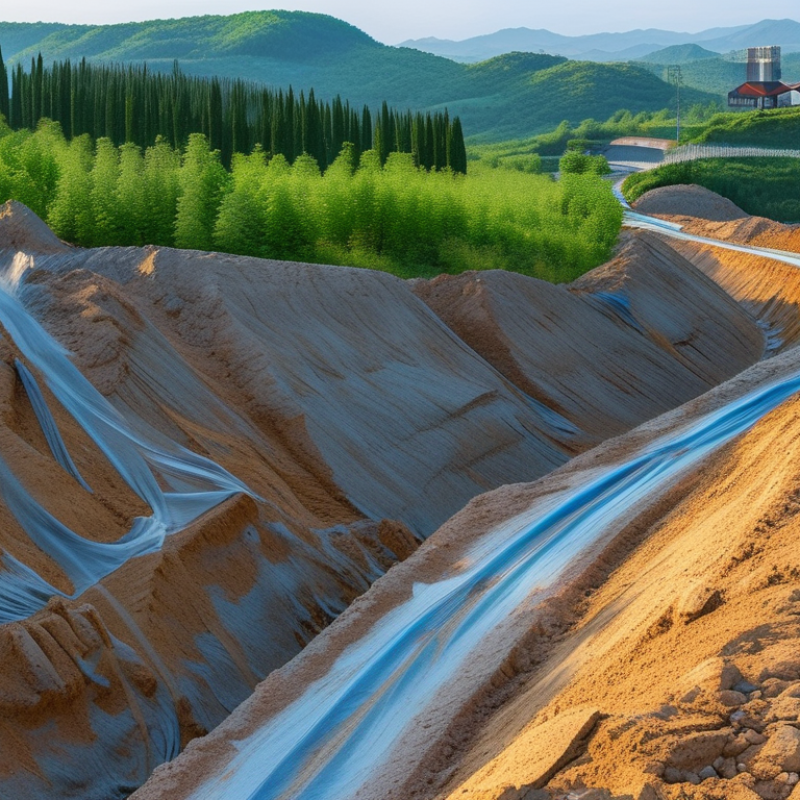
Overview of Geotextile Tapes and Their Importance in Global Markets
Geotextile tapes have gained significant attention in global markets due to their vital role in various applications. These tapes are essential in civil engineering, construction, and environmental management. The demand for geotextile tapes is projected to grow at a compound annual growth rate (CAGR) of 5.6% from 2023 to 2028, according to industry reports. This growth reflects a broader trend towards sustainable construction practices.
These tapes enhance soil stability, reduce erosion, and improve drainage. Their versatility makes them suitable for diverse applications—from road construction to landscaping. In fact, approximately 30% of construction projects now integrate geotextile products. However, not all geotextile tapes are created equal. Variations in quality and performance impact their reliability. Buyers must consider factors like tensile strength and permeability when selecting tapes.
In emerging markets, access to high-quality geotextile materials remains a challenge. Manufacturers face pressure to innovate while adhering to regulatory standards. Thus, ongoing education within the industry is crucial. Despite advancements, the gap in knowledge among buyers can lead to suboptimal choices. Industry experts stress the importance of informed decision-making for sustainable construction outcomes.
Criteria for Selecting the Best Geotextile Tape Options for 2026
When selecting the best geotextile tape options for 2026, specific criteria should be considered. One crucial factor is durability. The tapes need to withstand various environmental conditions while maintaining their integrity. Buyers should analyze the tensile strength and resistance to ultraviolet light. This ensures longevity, especially in outdoor applications.
Adhesive quality is another vital aspect. A strong adhesive guarantees that the tape will stick to surfaces without peeling off. It should also perform well under different temperature conditions. Testing the tape in real-world scenarios can reveal its effectiveness. Moreover, the ability to resist moisture is important for geotextile applications.
Cost-effectiveness is also key. While cheaper options may seem appealing, they often lack performance. Buyers need to balance price with quality. Evaluate the material composition to ensure it aligns with project requirements. This can prevent future regrets and budget overruns. Choosing geotextile tape is not just about selecting the first option that looks good on paper. Understanding these factors contributes to a more informed decision.
Top 10 Geotextile Tape Options for Global Buyers 2026
| Option |
Material |
Width (mm) |
Length (m) |
Tensile Strength (N) |
Price (USD) |
| Option 1 |
Polypropylene |
50 |
100 |
180 |
25 |
| Option 2 |
Fiberglass |
75 |
150 |
220 |
30 |
| Option 3 |
Polyester |
100 |
200 |
300 |
35 |
| Option 4 |
Jute |
50 |
100 |
150 |
20 |
| Option 5 |
Burlap |
80 |
120 |
250 |
28 |
| Option 6 |
Composite Fiber |
60 |
130 |
190 |
32 |
| Option 7 |
Viscose |
70 |
140 |
240 |
26 |
| Option 8 |
Nylon |
90 |
160 |
310 |
40 |
| Option 9 |
Cotton |
65 |
110 |
150 |
22 |
| Option 10 |
Recycled Plastic |
85 |
190 |
280 |
38 |
Top 10 Recommended Geotextile Tape Products for Various Applications
Geotextile tapes are essential for various applications, including construction, landscaping, and erosion control.
These products offer a reliable solution for stabilizing soil and managing water flow. When selecting a geotextile tape,
consider factors like strength, UV resistance, and permeability. Each project may require different specifications,
so it is important to evaluate the needs beforehand.
One recommended type features a strong adhesive that ensures an effective bond. This is vital in areas where
soil movement is common. Another user-friendly option includes tapes that are easy to apply, even for those
with limited experience. These can often be cut to size, ensuring versatility for multiple projects.
There are options that include an additional protective layer, which enhances durability in harsh weather conditions.
While some products may appear ideal, they sometimes fail to perform under extreme stress.
It’s wise to conduct thorough tests to verify their capabilities.
Finally, not all geotextile tapes are created equal. Research and consult with professionals to determine
the best fit for your specific application. Misjudgments in selecting materials can lead to increased
maintenance costs later. Striking a balance between cost and quality can often require careful consideration and reflection.
Comparative Analysis of Geotextile Tape Brands and Their Features
The global geotextile tape market is experiencing steady growth, driven by rising demands in construction and environmental projects. Recent industry reports indicate a projected annual growth rate of 5.2% through 2026. Buyers should consider multiple factors when selecting geotextile tape brands. Not only is adhesive strength crucial, but also durability, tear resistance, and environmental impact.
For instance, water-resistance properties can vary significantly between brands. Some tapes perform poorly in wet conditions, leading to project delays. The need for reliable options becomes clear here. Moreover, eco-friendly materials are gaining attention. A market survey showed that over 45% of consumers prefer sustainable options, influencing major manufacturers to improve their formulations.
Comparison of features can reveal vulnerabilities in products too. Some tapes lack UV protection, deteriorating quickly with sun exposure. Not all brands provide comprehensive data on their long-term performance as well. Consumers must critically analyze these specifications before purchase. Such insights help in making informed choices, ensuring that projects run smoothly without unforeseen obstacles.
Future Trends and Innovations in Geotextile Tape Technology for Buyers
The geotextile tape industry is evolving rapidly. Innovations are on the rise, aiming to meet diverse user needs. Recent technological advancements include improved adhesion properties and enhanced environmental resistance. These features are critical for both temporary and permanent applications in civil engineering and landscape projects.
Sustainability is a growing concern among global buyers. Increasingly, manufacturers are focusing on eco-friendly materials. Biodegradable options are becoming popular, allowing for reduced environmental impact. However, the durability of these sustainable products is still under scrutiny. Buyers must weigh the benefits of these options against traditional materials.
In addition to sustainability, automation in production is transforming the landscape. Automated quality control measures ensure consistent performance. However, some consumers express concerns about the potential loss of craftsmanship. Balancing innovation with traditional techniques will be crucial for future success in the geotextile tape market. The ongoing dialogue among industry players will help shape the best practices moving forward.
FAQS
: They are used in civil engineering, construction, and environmental management.
The demand is rising due to a shift towards sustainable construction practices.
Buyers should assess durability, tensile strength, adhesive quality, and permeability.
A strong adhesive ensures the tape sticks without peeling, maintaining effectiveness.
They need to resist moisture and ultraviolet light for longevity.
Yes, cheaper options may lack performance and lead to budget overruns later.
The market is projected to grow at a CAGR of 5.6% from 2023 to 2028.
Tapes must withstand various conditions to maintain their integrity in real-world applications.
Over 45% of consumers prefer sustainable options, pushing manufacturers to improve formulations.
Access to high-quality materials and knowledge gaps in selection can lead to poor choices.
Conclusion
Geotextile Tape plays a crucial role in various applications within the global markets. This article provides an overview of the importance of geotextile tapes, emphasizing their utility in construction, landscaping, and environmental protection. It outlines the key criteria for selecting the best options for 2026, which include durability, adhesion strength, and environmental impact.
Additionally, the article presents a comparative analysis of the top 10 recommended geotextile tape products, highlighting their features and suitability for different applications. As technology evolves, future trends and innovations in geotextile tape will further enhance performance and sustainability. This comprehensive guide aims to equip global buyers with the necessary knowledge to make informed purchasing decisions in the coming years.

 Hongyue