Geotextile PP products are essential in various industries. They serve as effective solutions for soil stabilization, drainage, and erosion control. The demand for these materials is growing among global buyers seeking reliability and performance.
In this article, we will explore the top 10 Geotextile PP products available on the market. Each product has distinct features suited for specific applications. For instance, some products excel in filtering water while others are excellent for separation in construction projects.
Choosing the right Geotextile PP is critical. Buyers must assess their unique needs and project requirements carefully. The diversity of options can be overwhelming. However, understanding the benefits and limitations of each product will lead to better decisions. The goal is to ensure functionality without sacrificing quality.
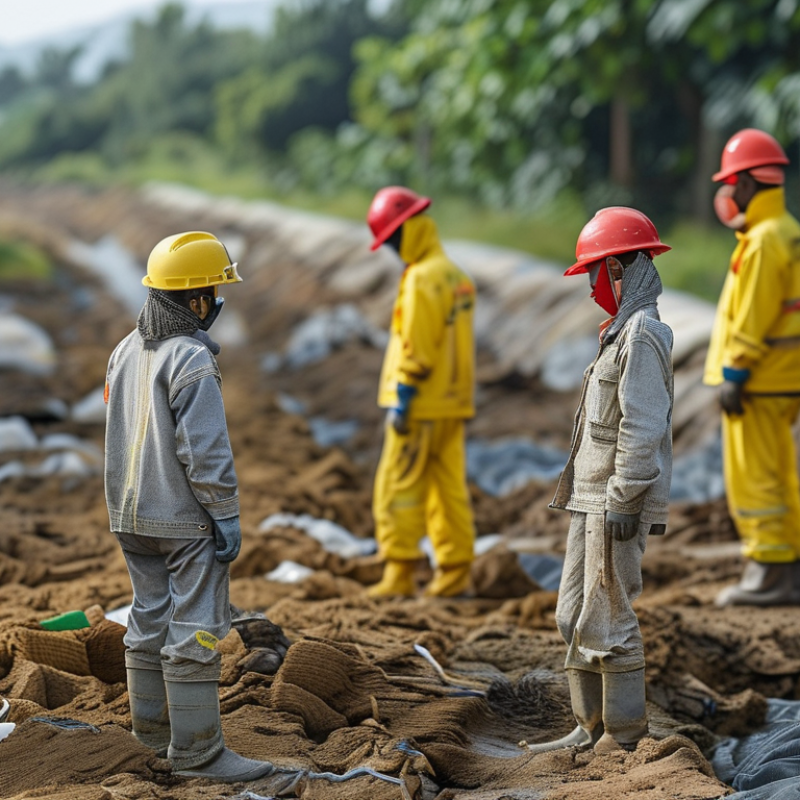
Geotextile polypropylene (PP) products are essential in various construction and landscaping projects. These materials enhance soil stability, improve drainage, and separate different soil layers. The global market for geotextiles is growing rapidly as companies seek sustainable solutions. Buyers must understand the diversity of available products to make informed decisions.
When selecting geotextile PP products, consider the specific application. Different projects may need varying material properties. For instance, some applications require high tensile strength, while others prioritize permeability. Testing samples before purchasing can prevent costly mistakes.
Tips: Ensure you check certifications and standards. Reliable products often meet industry specifications. Also, consider the installation process; some geotextiles may require specialized skills. Simple installations can save time and money, but complex setups might be necessary for high-performance needs.
Evaluating suppliers is crucial. Look for companies with a proven track record. Collect feedback from previous clients. While many suppliers claim expertise, not all meet expectations. Taking time to research pays off, ensuring you get the quality you need for your project.
Polypropylene (PP) geotextiles are becoming essential in modern construction and environmental management. They offer numerous advantages, such as excellent drainage, soil stabilization, and erosion control. According to a data report by Global Geotextile Market Research, the polypropylene segment accounted for over 50% of the market share in 2022. This indicates a growing recognition of their versatility and efficiency.
PP geotextiles are lightweight yet strong. Their resistance to chemicals and UV exposure enhances durability, making them suitable for varied applications. In landfills, for instance, they help in waste containment by providing essential filtration. However, their production process does have ecological implications, as it requires significant energy input. Moreover, while they have a long lifespan, improper disposal could lead to environmental concerns.
The use of PP geotextiles is not without challenges. In some regions, excessive reliance on synthetic materials raises sustainability concerns. Researchers suggest exploring bio-based alternatives to mitigate these impacts without sacrificing performance. Balancing innovation in material science with ecological responsibility remains a critical issue for the industry.
The geotextile market is evolving rapidly. Larger construction projects increasingly depend on durable materials like geotextiles. These fabrics can aid in soil stabilization and erosion control. As infrastructure demands grow, so does the focus on sustainable options.
Global trends indicate a rising interest in polypropylene (PP) geotextiles. They offer excellent drainage capabilities. Buyers seek products that enhance durability while being eco-friendly. However, sourcing reliable suppliers is a common challenge. Quality inconsistencies can lead to project delays and additional costs.
Data suggests an increase in PP geotextile use across various sectors. Road construction and landscape engineering lead the charge. Yet, market shifts push companies to innovate. Investing in research and development is essential. Connecting with trusted professionals and organizations can streamline procurement. Understanding these trends will empower buyers to make informed decisions.
When comparing leading polypropylene (PP) geotextile products, understanding performance metrics is vital. Geotextiles are pivotal in construction and environmental management. Their strength, permeability, and durability vary significantly across products. Various studies indicate that PP geotextiles can withstand tensile strengths of up to 40 kN/m, making them suitable for tough applications like soil stabilization and erosion control.
Permeability rates are also crucial. These can range from 10 to 200 m/s, affecting drainage efficiency. A high permeability rate often indicates better water flow and reduced soil pressure. However, achieving this balance isn't easy. Some products excel in tensile strength but fall short in permeability.
Tips: Test performance under real conditions. Conducting field tests can uncover potential issues not apparent in lab settings. Always prioritize materials that fit the specific demands of your project. Also, consider environmental impact. Emerging research suggests that biodegradable options may provide feasible alternatives in some scenarios. This highlights a growing need for innovation in geotextile production. Choices made now will affect future sustainability.
Sustainability is at the forefront of geotextile innovations. Many geotextile manufacturers are focusing on eco-friendly materials that minimize environmental impact. They are exploring the use of recycled polypropylene (PP) and biopolymers, which can significantly reduce the carbon footprint of these products.
Some initiatives aim for certifications that validate the sustainability of geotextiles. Certifications like Global Recycling Standard and Green Seal are becoming essential in the industry. These standards ensure that the materials used meet strict environmental criteria. Buyers are increasingly seeking such certified products to enhance their sustainability initiatives.
However, the transition to eco-friendly geotextiles is not without challenges. The market still faces hurdles regarding cost and availability. Some suppliers struggle to source sustainable materials consistently. Moreover, the performance of eco-friendly alternatives is still a concern for some applications. Ensuring durability while maintaining low environmental impact requires ongoing research and innovation.
When evaluating PP geotextiles, quality and cost-effectiveness are crucial. The global geotextile market is projected to grow significantly. Some reports indicate it may reach $8.5 billion by 2027, driven by infrastructure developments. Buyers need to weigh the specifications of materials against their application.
High-quality geotextiles typically offer better durability and performance, which can lead to lower lifecycle costs. Industry standards recommend looking for materials with high tensile strength and UV resistance. These properties enhance product longevity, particularly in harsh environments. However, not all suppliers provide the same details or reliability.
Analyzing the cost is equally important. A cheaper product may not always be a wise choice. In many cases, this could lead to higher expenses down the line. The balance between upfront costs and performance value is where many buyers find challenges. Understanding average prices and benchmark performance metrics can aid decision-making.
| Product ID | Geotextile Type | Weight (g/m²) | Tensile Strength (kN/m) | Permeability (m/s) | Price per Roll ($) |
|---|---|---|---|---|---|
| 1 | Non-Woven | 150 | 15 | 0.1 | 100 |
| 2 | Woven | 200 | 20 | 0.2 | 150 |
| 3 | Composite | 180 | 18 | 0.15 | 130 |
| 4 | Non-Woven | 220 | 22 | 0.12 | 160 |
| 5 | Woven | 250 | 25 | 0.25 | 200 |
| 6 | Composite | 190 | 19 | 0.13 | 140 |
| 7 | Non-Woven | 160 | 16 | 0.09 | 110 |
| 8 | Woven | 210 | 21 | 0.14 | 170 |
| 9 | Composite | 230 | 23 | 0.17 | 190 |
| 10 | Non-Woven | 240 | 24 | 0.19 | 210 |
: Polypropylene (PP) geotextiles are popular for their excellent drainage capabilities.
Sustainability reduces environmental impact and meets growing demands for eco-friendly construction.
Reliable suppliers are hard to find. Quality inconsistencies can cause delays and extra costs.
Certifications like Global Recycling Standard ensure materials meet strict environmental criteria, enhancing buyer confidence.
Some eco-friendly alternatives may lack performance for specific applications. Ongoing research is needed.
They focus on using recycled materials and biopolymers to lower the carbon footprint.
Road construction and landscape engineering are leading the rise in geotextile usage.
Yes, buyers seek durable, eco-friendly products to meet infrastructure demands.
Yes, cost and availability of sustainable materials can pose significant hurdles.
It drives innovation and helps address performance concerns of eco-friendly options.
The article titled "Top 10 Geotextile PP Products for Global Buyers" explores various aspects of polypropylene (PP) geotextiles, highlighting their benefits and the growing global market trends. It provides insights into key statistics that reflect the increasing demand for geotextile materials, particularly in construction and environmental applications. The article compares the performance of leading PP geotextile products across diverse applications, emphasizing their effectiveness and versatility.
Additionally, sustainability is a core theme, discussing eco-friendly innovations in geotextiles and the importance of certifications in assessing product quality. The summary further advises buyers on evaluating both quality and cost-effectiveness when purchasing geotextile PP products, ensuring they make informed decisions that align with their project requirements and environmental considerations.

Hongyue