Choosing among the Top 10 Geotextile Cloth Suppliers for Global Buyers requires more than comparing prices. Product performance depends on soil conditions, drainage needs, tensile strength, and installation methods. A reliable supplier should provide clear technical data, consistent manufacturing, and practical project support.
Geotextile Cloth can separate unstable soil, improve filtration, control erosion, and support drainage systems. However, one fabric cannot serve every site. Woven polypropylene may suit heavy separation work, while nonwoven polyester often supports filtration and drainage applications. The right choice depends on permeability, puncture resistance, weight, and expected service conditions. Small details matter.
Look closely at quality certificates, production capacity, testing procedures, and export experience. Ask whether the supplier can provide samples from current production batches. A sample roll may look excellent, yet inconsistent width or weak seams can create problems during installation. That risk deserves attention.
Real project experience also matters. Suppliers familiar with roads, railways, landfills, coastal protection, and agricultural drainage can often identify hidden requirements earlier. Still, supplier rankings are never absolute. Market conditions change, specifications vary, and a well-known company may not fit every buyer’s budget or schedule. This guide compares ten internationally active suppliers through product range, manufacturing reliability, technical communication, customization, delivery capability, and customer feedback. Buyers should verify current certifications and performance claims independently before making a final decision. Mistakes are possible, especially when regional standards differ. A careful evaluation remains the safest approach.
What Is Geotextile Cloth and Why Is It Important?
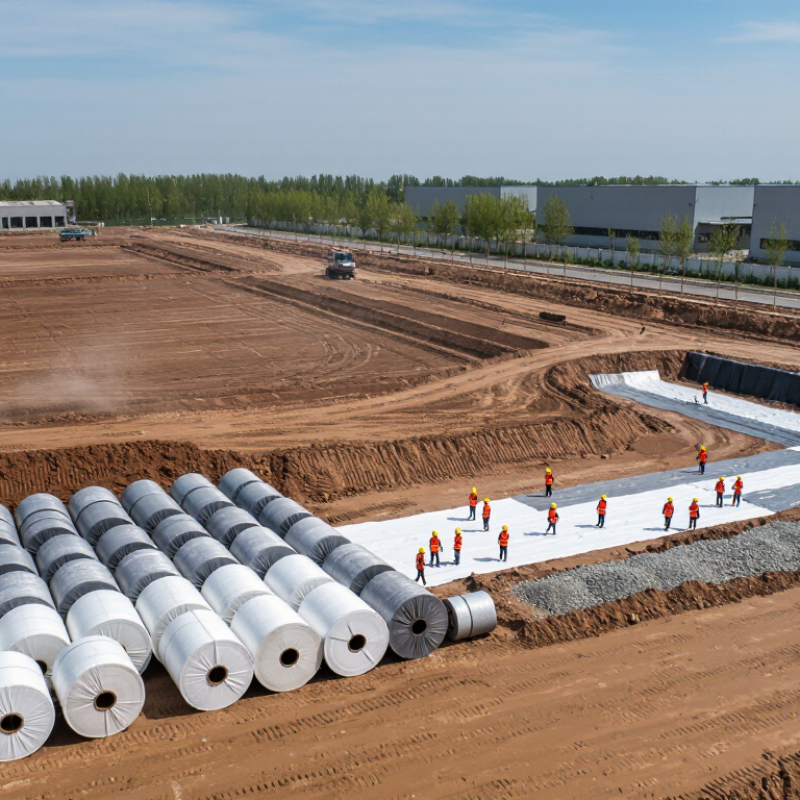
Geotextile cloth is a permeable textile used in soil, gravel, and drainage systems. It is commonly made from polypropylene or polyester fibers. Woven fabric offers strong separation and reinforcement. Nonwoven fabric usually supports filtration and drainage.
In practical site inspections, the wrong fabric can allow soil migration, blocked drains, or uneven settlement. That failure may appear months after installation.
Its importance comes from controlling water and movement beneath constructed surfaces. A geotextile layer can separate soft soil from crushed stone under a road. It can also filter muddy water while retaining fine soil particles. Around drainage pipes, the fabric helps prevent surrounding soil from entering the pipe.
During installation, folds, tears, and poor overlaps can reduce performance. Specification sheets matter, but field conditions matter too. A fabric selected only by price is rarely a reliable choice.
Tips:
Check tensile strength, puncture resistance, apparent opening size, and permeability. Match each value to the soil and expected load. Inspect rolls for damage before delivery. Keep fabric covered and dry. Follow the engineer’s overlap requirements. A common mistake is choosing a heavy fabric for every project. That sounds safer, but excessive weight can raise costs without improving drainage. Local testing is still wise, because soil behavior can be surprisingly inconsistent.
How to Evaluate Geotextile Cloth Suppliers for Global Projects
How to Evaluate Geotextile Cloth Suppliers for Global Projects
Selecting a geotextile cloth supplier requires more than comparing prices. Project performance depends on polymer quality, manufacturing control, and accurate technical data. Ask for recent test reports covering tensile strength, puncture resistance, permeability, and UV stability. The reported values should match the proposed product and production batch.
Request physical samples before placing a large order. Test the fabric under conditions similar to the project site, including soil pressure, moisture, and installation stress. Small details matter. Check roll width, length, weight, stitching, labeling, and protective packaging. A supplier should explain how it controls raw materials, production changes, and defective rolls. Factory audits and independent laboratory results add useful evidence, but documents alone cannot replace practical verification.
Global projects also need dependable communication. Evaluate response times, technical support, production capacity, export experience, and realistic delivery schedules. Confirm whether the supplier can provide batch traceability and replacement procedures. Ask how products are stored before shipment, especially in hot or humid regions. I have seen carefully selected materials perform poorly after careless handling. That risk is easy to underestimate. A clear purchase specification prevents misunderstandings about strength, dimensions, tolerances, testing methods, and delivery terms. Do not accept vague promises. Yet, even a detailed evaluation can miss site-specific problems, so pilot installation and field inspection remain worthwhile.
Top 10 Geotextile Cloth Suppliers and Their Core Strengths
Top 10 Geotextile Cloth Suppliers and Their Core Strengths
The global geotextile market is expanding steadily. Grand View Research estimates the market could reach about USD 11 billion by 2030, supported by road, drainage, and erosion-control projects. A practical top-ten supplier shortlist should examine more than production volume. It should compare polymer quality, tensile strength, puncture resistance, filtration performance, and delivery reliability.
Core Supplier Capabilities
The strongest suppliers usually fall into ten capability groups. Some specialize in woven polypropylene cloth for heavy soil separation. Others focus on nonwoven polyester products for drainage and filtration. Several perform well in highway reinforcement, while others serve landfills, coastal works, railways, or agricultural canals. The best suppliers provide test reports aligned with ISO or ASTM methods. They also control roll width, mass per unit area, seam quality, and UV resistance. Small details matter on site.
MarketsandMarkets has reported continued demand from transportation and water infrastructure, with Asia-Pacific remaining a major consumption region. Buyers should request laboratory data before accepting attractive prices. A low-cost roll may show weaker puncture performance or uneven thickness. That mistake becomes expensive after installation.
In my experience, clear technical communication often separates dependable suppliers from merely large factories. The ranking is not absolute. Project climate, soil type, installation skills, and inspection standards can change the result. Supplier claims also need independent verification. That part is sometimes overlooked.
How to Compare Products, Certifications, Prices, and Delivery Services
Choosing among the top 10 geotextile cloth suppliers requires more than comparing catalogue prices. Product performance must match the project soil, drainage load, installation method, and service life. ASTM D4632 measures grab tensile strength, while ASTM D4751 evaluates apparent opening size. For European projects, EN 13249 and related standards may apply. Check test values, not only compliance logos. Grand View Research estimates the global geotextiles market will expand at about 6% annually through 2030, increasing pressure on suppliers and quality-control systems.
Certification deserves direct verification. Request recent laboratory reports, factory quality records, and batch traceability. ISO 9001 supports process control, but it does not prove every roll meets your specification. SGS, Intertek, or accredited local laboratories can verify independent testing. Prices should include fabric weight, roll dimensions, packaging, inland transport, export documents, and replacement terms. A cheaper quotation may hide thinner material. That mistake becomes expensive after installation.
Tips: Build one comparison sheet. Record tensile strength, permeability, AOS, UV resistance, MOQ, lead time, and warranty terms. Ask for a production sample before placing a large order. Confirm whether quoted delivery means port arrival or job-site arrival. The World Bank’s logistics research shows that border delays and documentation quality can materially affect supply reliability. I would also inspect packing photos and loading records. Not perfect, but practical. Supplier communication is evidence too; unclear answers deserve a lower score.
Key Questions Global Buyers Should Ask Before Choosing a Supplier
When comparing geotextile cloth suppliers, global buyers should ask about real project experience. Which soil types and climates has the supplier handled? Request project records, not polished claims. A road, drainage channel, and coastal embankment require different fabric performance. Ask for tensile strength, puncture resistance, permeability, and apparent opening size. These values should match recognized testing methods and the planned installation conditions.
Can the supplier provide recent, independent test reports? Confirm the raw material, manufacturing process, roll width, length, and weight tolerances. Ask how quality is checked before shipment. A reliable factory should explain sampling frequency, batch identification, and corrective procedures. It should also provide clear technical data sheets and safety documents. Small details matter. One missing tolerance can create costly site problems.
Global purchasing adds practical questions. What is the minimum order quantity? How long does production take during peak seasons? Can the supplier control moisture, dust, and edge damage during packing? Ask about container loading photos, export documents, and delivery terms. Communication after payment also deserves attention. Request references from projects with similar specifications, but verify them independently. No supplier is perfect. Some test reports may be old, and some promises may sound stronger than the evidence. Buyers should record every requirement in the purchase contract and allow time for sample approval before mass production.
Top 10 Geotextile Cloth Suppliers for Global Buyers: Key Questions to Ask
This suggested 100-point scorecard helps global buyers compare suppliers consistently. Ask for documented evidence covering product performance, quality systems, production capacity, export experience, and commercial reliability before placing an order.
FAQS
Compare polymer quality, tensile strength, puncture resistance, filtration, UV resistance, and delivery reliability. Price alone is risky.
Woven polypropylene cloth often suits heavy separation work. Check tensile strength and puncture data against site conditions.
Nonwoven polyester products commonly support drainage and filtration. Their permeability and apparent opening size need careful review.
Request recent laboratory reports using recognized ISO or ASTM methods. Verify the raw material, test date, and product batch.
Road soil, coastal sand, and canal sediment create different demands. A fabric suitable for one site may fail elsewhere.
Confirm roll width, length, weight tolerance, thickness, seam quality, and edge condition. Small variations can cause installation problems.
Approve a physical sample first. Ask about batch identification, sampling frequency, corrective actions, and packing inspections.
Confirm minimum order quantity, production time, packing controls, export documents, and delivery terms. Request loading photos when practical.
Request comparable project references and verify them independently. Claims can sound impressive, but evidence may be incomplete.
Not necessarily. A cheap roll may have uneven thickness or weak puncture resistance. That saving can disappear after installation.
Conclusion
Geotextile Cloth is an essential material in modern civil engineering, used to separate, filter, reinforce, protect, and drain soil in roads, railways, drainage systems, retaining structures, and other infrastructure projects. Choosing the right supplier is important because product quality, technical consistency, production capacity, and service reliability can directly affect project performance. Global buyers should evaluate suppliers based on material type, manufacturing standards, testing procedures, relevant certifications, customization options, and experience with international orders.
When comparing potential suppliers, buyers should review tensile strength, permeability, puncture resistance, UV stability, dimensions, packaging, pricing, lead times, and delivery capabilities. A dependable supplier should provide clear technical documentation, transparent quotations, quality inspection records, and responsive communication. Before placing an order, buyers should also ask about minimum order quantities, sample availability, warranty terms, shipping arrangements, after-sales support, and procedures for handling quality concerns. A careful comparison of these factors helps buyers select suitable Geotextile Cloth products while reducing project risks and improving long-term value.

 Hongyue