Gsm Geotextile plays a vital role in modern construction and environmental projects. Understanding its significance is essential for effective decision-making in various applications. With numerous options available, selecting the best Gsm Geotextile can be challenging.
Gsm Geotextiles are manufactured with different specifications. Their density, durability, and permeability make them suitable for specific uses. Applications range from road construction to erosion control. The right choice ensures longevity and efficiency in your project.
However, not every Gsm Geotextile is suitable for every application. Material quality and environmental conditions must be considered. Researching reputable suppliers and understanding product features is crucial. This careful selection process minimizes risks and improves project outcomes. Balancing quality and cost can be difficult. But, making informed choices leads to better performance.
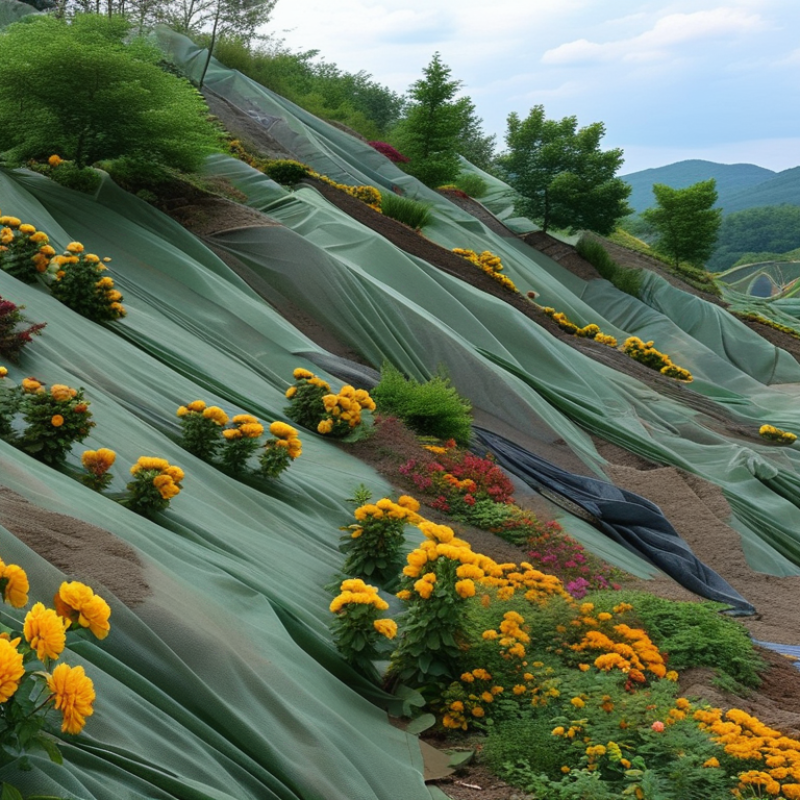
GSM geotextile plays a vital role in civil engineering. This material is composed of synthetic fibers and operates primarily as a filtration and separation layer in various applications. It prevents soil erosion while allowing water flow, which is crucial for maintaining the integrity of structures. A report by the Geosynthetic Research Institute highlights that integrating geotextiles into road works can reduce soil movement by up to 50%.
When choosing the right GSM geotextile, understanding its GSM value is key. GSM stands for grams per square meter, indicating the weight and density of the fabric. Higher GSM values typically suggest stronger materials. However, selecting too high a GSM might not always be beneficial, particularly for projects with lighter soil types. Engineers need to balance strength and permeability. Some studies recommend testing under field conditions to find the best fit.
Moreover, durability is a concern. Not all geotextiles perform well under UV exposure or extreme weather conditions. Research indicates that UV degradation can decrease the lifespan significantly. Proper installation and maintenance can mitigate these issues, but they require further attention. Geotextile choices should be revisited regularly to assess their performance.
GSM geotextiles are vital in civil engineering and landscaping. The term "GSM" refers to grams per square meter, which indicates the fabric's weight. A higher GSM often correlates with greater durability. Light fabrics may suffice for temporary projects. However, for long-term applications, selecting a heavier GSM is crucial.
Fabric weight impacts strength and filtration capability. High GSM fabrics provide better support for soil and prevent erosion. They also resist wear from harsh weather conditions. But, heavier does not always mean better. Over-engineering with high GSM can lead to unnecessary costs. Finding a balance is essential.
When choosing GSM geotextiles, consider your specific needs. Soil type, environmental conditions, and project duration matter. Rely on expert guidance if uncertain about fabric selection. Proper understanding of GSM will enhance performance in your projects. Aim for reliability over trendiness in material choice. An informed decision ensures the effectiveness of your geotextile use.
GSM geotextiles come in two main types: non-woven and woven materials. Each serves its purpose in various civil engineering projects. Non-woven geotextiles are created by bonding fibers through mechanical or chemical means. They offer excellent drainage and filtration properties, making them suitable for projects involving water management. For instance, they are often used in drainage systems to prevent soil erosion.
On the other hand, woven geotextiles are made by weaving fibers together to form a strong, durable fabric. These materials provide excellent tensile strength. They are commonly used in applications like road construction and reinforcement of soil stability. The woven structure allows for less movement of soil particles, which is crucial in maintaining the integrity of roads.
Choosing between these two types can be tricky. Non-woven geotextiles may degrade more quickly under UV exposure. Woven varieties, although strong, can be less effective in drainage applications. It's important to assess the specific needs of your project. Understanding soil type, moisture conditions, and load requirements will guide your decision. Each option has its strengths and limitations.
| Type | Material | Typical GSM Range | Applications | Advantages | Disadvantages |
|---|---|---|---|---|---|
| Non-Woven | Polyester, Polypropylene | 80 - 400 GSM | Drainage, Filtration, Erosion Control | High permeability, Good drainage | Lower strength, Limited UV resistance |
| Woven | Polypropylene, HDPE | 80 - 600 GSM | Retaining Walls, Base Stabilization | High tensile strength, Durable | Lower permeability, Higher cost |
| Composite | Combination of Woven and Non-Woven | 100 - 500 GSM | Landfills, Silt Fences | Versatile performance, Combined advantages | Higher complexity, May require specific installation |
When selecting GSM geotextiles for your project, several factors play a critical role. GSM, or grams per square meter, indicates the weight of the fabric. Heavier materials often feature greater durability. According to a study by the Geosynthetic Institute, fabric weight can significantly affect soil stabilization and erosion control efficiency. Projects focused on high-load applications should opt for heavier GSM materials to ensure proper support.
The type of project also influences GSM choice. For drainage applications, lighter GSM may suffice. In contrast, sediment control and structural reinforcement demand heavier options. Research indicates that using the wrong GSM can lead to failures in crucial applications. The soil type and environmental conditions can also dictate GSM selection. Regions prone to extreme weather may need robust geotextiles to withstand erosion.
Cost considerations cannot be overlooked. Some high GSM materials can stretch project budgets. However, investing in appropriate materials often leads to lower long-term maintenance costs. Evaluating life-cycle data shows that choosing the right GSM ultimately saves money. Reflecting on the balance between budget and quality is essential. Each project requires a tailored approach, acknowledging the unique challenges it presents.
When selecting GSM geotextiles, it’s crucial to understand industry standards and testing methods. GSM, or grams per square meter, indicates the weight and density of geotextiles. Heavier fabrics often provide enhanced durability and strength. However, this does not always correlate with better performance. Different applications require varied attributes, and the choice can greatly impact project outcomes.
Testing methods are vital for evaluating geotextile performance. Commonly used standards include ASTM and ISO protocols, which assess parameters like tensile strength and permeability. Each test provides insights into how a fabric will perform under specific conditions. A fabric may pass one test but fail another, indicating that careful consideration is critical.
Understanding the nuances in GSM geotextiles can lead to better selection. Consider soil conditions, load requirements, and environmental factors. Researching and consulting professionals can enhance decision-making. Relying solely on weight measurements could be misleading. Skipping detailed analysis might lead to issues later on, so thorough evaluation is essential.
: GSM stands for grams per square meter. It indicates the weight of the fabric.
Generally, heavier fabrics offer greater durability, but light options can work for temporary projects.
Understanding GSM helps choose the right fabric for soil stabilization and erosion control in projects.
Consider soil type, environmental conditions, project duration, and specific application needs for best results.
Not necessarily. High GSM can lead to unnecessary costs without improving performance in all situations.
Lighter GSM may work for drainage, while heavier GSM is better for erosion control and structural reinforcement.
Yes, but balancing budget and quality is crucial. Proper materials can reduce long-term maintenance costs.
Using the wrong GSM may lead to project failures, compromising structural integrity and performance.
Regions with extreme weather may require stronger fabrics to prevent erosion and ensure durability.
Yes, relying on expert advice can improve material selection for specific project needs and enhance outcomes.
GSM Geotextile is a crucial component in civil engineering, serving various functions such as erosion control, drainage, and soil stabilization. Its effectiveness largely depends on its properties, particularly fabric weight and strength, which are essential for determining the material's performance in different applications. Understanding these key characteristics allows engineers to select the most suitable type of geotextile for their specific needs.
When choosing GSM Geotextiles, one must consider several factors, including the types available—non-woven and woven materials—each offering distinct advantages based on project requirements. Additionally, adherence to industry standards and familiarity with testing methods play a significant role in ensuring that the selected geotextile not only meets project criteria but also performs reliably under the anticipated conditions.

Hongyue