Choosing the right geotextile mat can significantly impact project success. Geotextile mats are essential in soil stabilization, erosion control, and drainage applications. According to a report by the Geosynthetic Research Institute, the use of geotextiles has increased by over 20% in the last five years due to rising construction demands. This growth highlights the need for proper selection to optimize project outcomes.
Industry expert Dr. Emily Thompson emphasizes, “Selecting the appropriate geotextile mat is critical for ensuring long-term sustainability.” Her insights underline the importance of understanding project requirements and soil conditions. The right mat can enhance structural support and reduce maintenance costs, but poor choices can lead to project failures and increased expenses over time.
There isn’t a one-size-fits-all solution. Each project poses unique challenges that require careful consideration. Factors like permeability, tensile strength, and material type play vital roles. Inadequate assessment can lead to significant issues down the line. Therefore, consulting professionals and referencing reliable industry data are vital steps in this selection process.
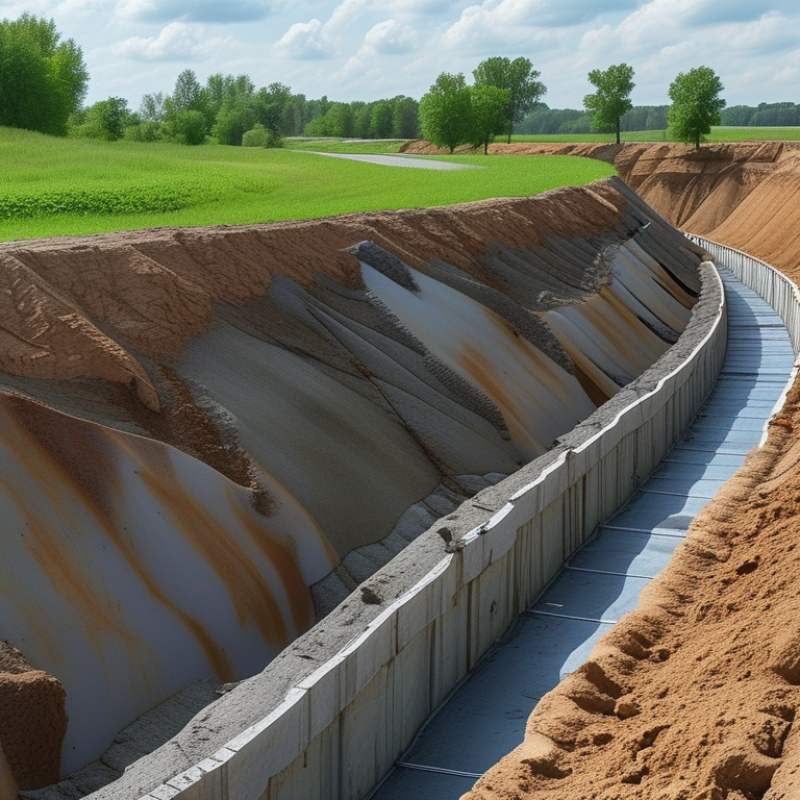
Geotextile mats play a crucial role in various engineering applications. They serve as a barrier, separation layer, or filtration device in construction projects. Understanding the types of geotextile mats ensures you select the right one for your needs.
Two primary types exist: woven and non-woven geotextiles. Woven mats, known for their tensile strength, are ideal for load-bearing applications. They provide stability and support in situations like road construction. Non-woven mats excel in drainage and filtration. They allow water to pass while retaining soil. According to the Geosynthetic Materials Association, the global demand for geotextiles is expected to reach $11 billion by 2024. This growth underscores their increasing relevance in environmental and civil engineering.
Each mat has specific applications. For instance, in erosion control, non-woven geotextiles are commonly used. They help prevent soil loss while promoting plant growth. However, not every project will benefit from the same type. It's essential to evaluate your project's unique requirements. Failure to do so might lead to unexpected challenges. Understanding your materials is vital. Inappropriate use can cause structural failures or increased maintenance costs.
| Type of Geotextile Mat | Material | Applications | Typical Thickness | Key Benefits |
|---|---|---|---|---|
| Non-Woven Geotextile | Polypropylene or Polyester | Drainage, filtration, separation | 4-10 mm | High permeability, excellent filtration |
| Woven Geotextile | Polypropylene | Reinforcement, erosion control | 1-5 mm | Strong tensile strength, durability |
| Composite Geotextile | Combination of woven and non-woven | Filtration and drainage | 5-15 mm | Combines the benefits of both types |
| Geocomposite | Geotextile with drainage core | Landfills, sediment control | 10-20 mm | Multi-functionality, effective drainage |
: Geotextiles perform filtration, separation, and reinforcement in various projects.
Durability ensures longer lifespan, especially in outdoor settings with high UV exposure.
Different materials like polypropylene and polyester have distinct benefits impacting overall performance.
Permeability allows effective water flow while retaining soil particles, crucial for many applications.
Factors like soil type, moisture levels, and climate can significantly affect performance and functionality.
Assess accessibility, potential flooding, and installation complexity to ensure the right geotextile choice.
Reflecting on previous successes or failures helps guide future selections and improves project outcomes.
Yes, while it may help in specific situations, it's vital to consider when it could be detrimental.
Flexibility based on feedback can lead to adjustments that enhance long-term project performance.
Missteps can cause performance issues, risking project effectiveness and increasing costs later on.
When selecting a Geotextile Mat for your project, it's essential to understand the different types and their specific applications. Geotextile Mats can serve various functions, such as soil stabilization, erosion control, and drainage, making them a crucial component in many civil engineering and landscaping projects. Key properties of these materials, such as permeability, tensile strength, and durability, significantly influence their performance in diverse environmental conditions.
In addition to evaluating the material properties, assessing the local environmental conditions is vital for selecting the most suitable Geotextile Mat. Furthermore, budgeting for these materials requires a thorough cost analysis to ensure you stay within your project’s financial constraints. Lastly, be aware of the regulatory standards and certifications for geotextile products, as compliance is essential for ensuring quality and environmental safety. By thoroughly considering these factors, you can make an informed decision when choosing the best Geotextile Mat for your project's requirements.

 Hongyue